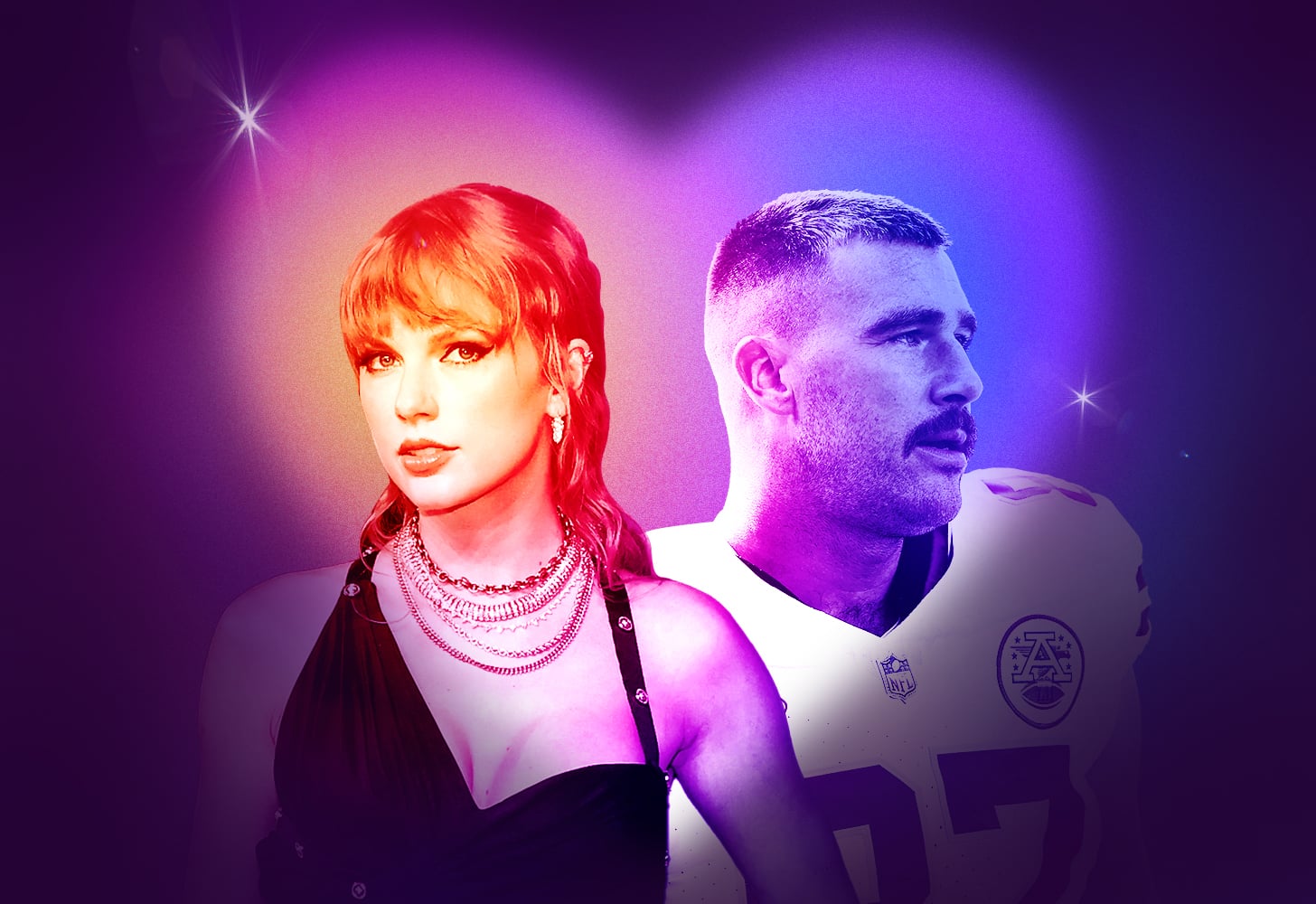
The fascination with Taylor Swift extends far beyond her songwriting and stage presence; it’s become a cultural phenomenon intricately woven with symbolism and visual cues. The recent surge of interest in her relationship with Travis Kelce, viewed through the lens of "aura colors," feels like a natural evolution of this decoding process. It’s a contemporary interpretation of astrology and numerology, repackaged for a generation fluent in internet aesthetics and deeply invested in personal narratives. We’ve seen similar dives into celebrity symbolism before, but Swift's deliberate and consistent use of color, consistently referenced throughout her discography, provides a unique foundation for this kind of analysis. It’s not entirely new territory, but the blending of celebrity romance, spiritual concepts, and a visually-driven culture feels particularly resonant right now, especially considering the broader conversations surrounding wellness and self-discovery we've been having – like the one explored in Let’s Discuss GLP-1 "Nonnegotiables". The willingness to ascribe meaning to color choices, and subsequently interpret them as indicators of relationship compatibility, speaks to a desire for deeper understanding and perhaps a yearning for a more intuitive approach to navigating relationships and personal growth.
The concept of aura colors, while rooted in metaphysical beliefs, taps into a very real human need to categorize and understand the world around us. Applying this framework to Swift and Kelce's relationship—analyzing her signature red lipstick against his perceived energetic field—provides a playful, albeit speculative, narrative. It’s a modern form of tea-leaf reading, using visual cues instead of leaves. This trend also connects to the ongoing discussions around beauty and its impact on well-being, a subject I’ve explored extensively as a beauty editor, as evidenced in The Healthy Sun Exposure Debate Is Here—What's Hype, What's Dangerous, and What's Actually True . After all, color is intrinsically linked to our perception of beauty, and our understanding of beauty is intertwined with our self-perception and how we present ourselves to the world. The proliferation of this "aura color" analysis demonstrates a growing comfort level with exploring these often-overlooked aspects of personal identity and connection. It’s a move away from purely objective assessments and towards a more holistic and intuitive understanding of ourselves and others.
What’s particularly interesting is the way this phenomenon reflects broader cultural shifts. We’ve moved beyond simply appreciating aesthetics; now, we seek to decode them, to find deeper meaning within the visual language of celebrity and personal branding. This aligns with a larger trend of seeking personalized meaning and connection in an increasingly digital world. Consider the fascination, even among those not traditionally drawn to royal narratives, with the personal lives of figures like Lady Louise, who is recently celebrating a major milestone, as explored in Lady Louise Celebrates a Major Milestone with Duchess Sophie and Prince Edward as She Follows in William and Kate’s Footsteps . It’s a longing for authenticity and relatable experiences, even within the rarefied world of fame and royalty. The aura color analysis offers a simplified, accessible framework for interpreting complex emotions and relationships, providing a sense of order and understanding in a world that often feels chaotic.
Ultimately, the “aura color” interpretation of Taylor Swift and Travis Kelce’s relationship highlights the evolving intersection of celebrity culture, spirituality, and visual storytelling. It's a playful exploration of connection and a testament to our innate desire to find meaning in the world around us. The question now is, will this trend evolve beyond a fleeting internet fascination, or will it become a more established framework for understanding relationships and personal energy? And more importantly, how will celebrities and brands leverage these interpretations of personal aesthetics to cultivate deeper connections with their audiences?