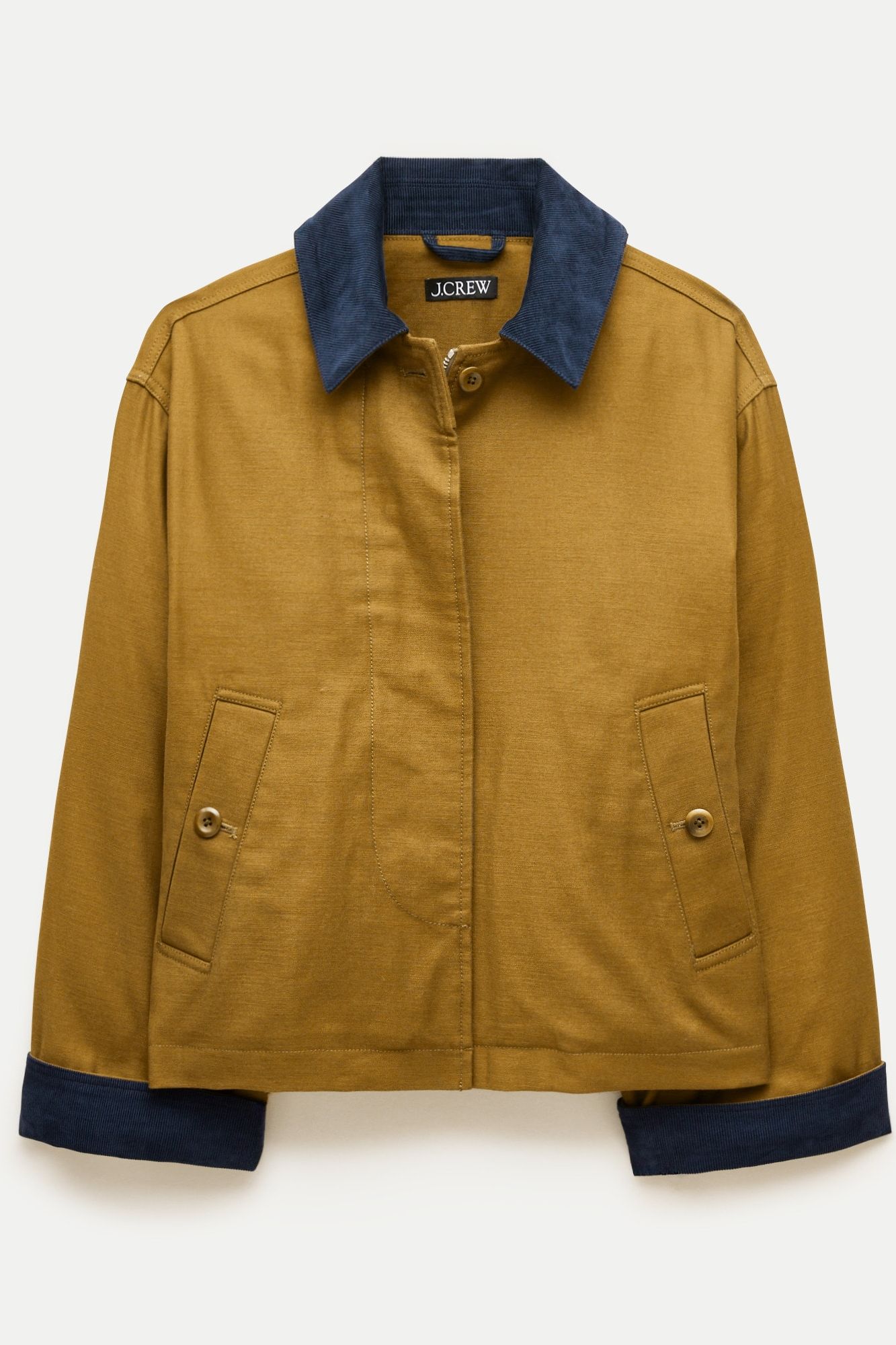
There is a particular kind of ease that arrives with autumn, and it has little to do with temperature. It is the shift in posture, the return to layering, the quiet decision to dress for oneself rather than for the season's noise. The piece on autumn's quiet style understands this instinctively, suggesting we stop overthinking our wardrobes and instead let a few considered looks carry us through the weeks ahead. We agree, though we would go further: the goal is not simply to simplify, but to refine. This is the same impulse that guides our recent take on Elevated Footwear: Defining Fall's Quietly Stylish Sneaker Selection, where the sneaker becomes less about utility and more about the confidence of understatement. Both stories point to a shared truth: style this season is a matter of curation, not accumulation.
What resonates most is the article's implicit rejection of the frantic. There is no rush to acquire, no checklist of trends to conquer. Instead, the focus rests on the feeling a garment provides, the way a boot sounds on dry leaves, the warmth of a fabric that asks nothing of you. This is where we find the emotional core of the season. It is not about being seen, but about feeling settled. Our coverage of Short nails, elevated style: Fall's manicure mood shares this sensibility, celebrating the restraint of a clean, short manicure as a quiet form of polish. And when we look at Quiet Confidence: The Most Elegant Celebrity Pixie Cuts, we see the same principle applied to hair: a cut that does not shout, yet says everything. These are not separate categories; they are expressions of one coherent attitude.
If a reader asked us what to take from the original article, we would tell them this: stop treating your wardrobe as a problem to solve. The most elegant autumn looks are those that require no explanation. Choose pieces that feel like extensions of your own posture, that hold their shape without demanding attention. The article's suggestion to lean on effortless looks is not a call to abandon style, but to trust it. The takeaway worth quoting is simple: "Dress for the feeling, not the audience." When you do, the season becomes less about performance and more about presence.
The detail we will be watching is the shift in how we talk about autumn dressing altogether. For years, the season was framed as a competition of layers and textures, a test of creativity. Now the conversation has turned inward. The question is no longer "What should I wear?" but "How do I want to feel?" That is a more demanding question, and a more rewarding one. The looks we choose become answers to it, and the best ones are those we do not have to explain, to anyone, including ourselves.