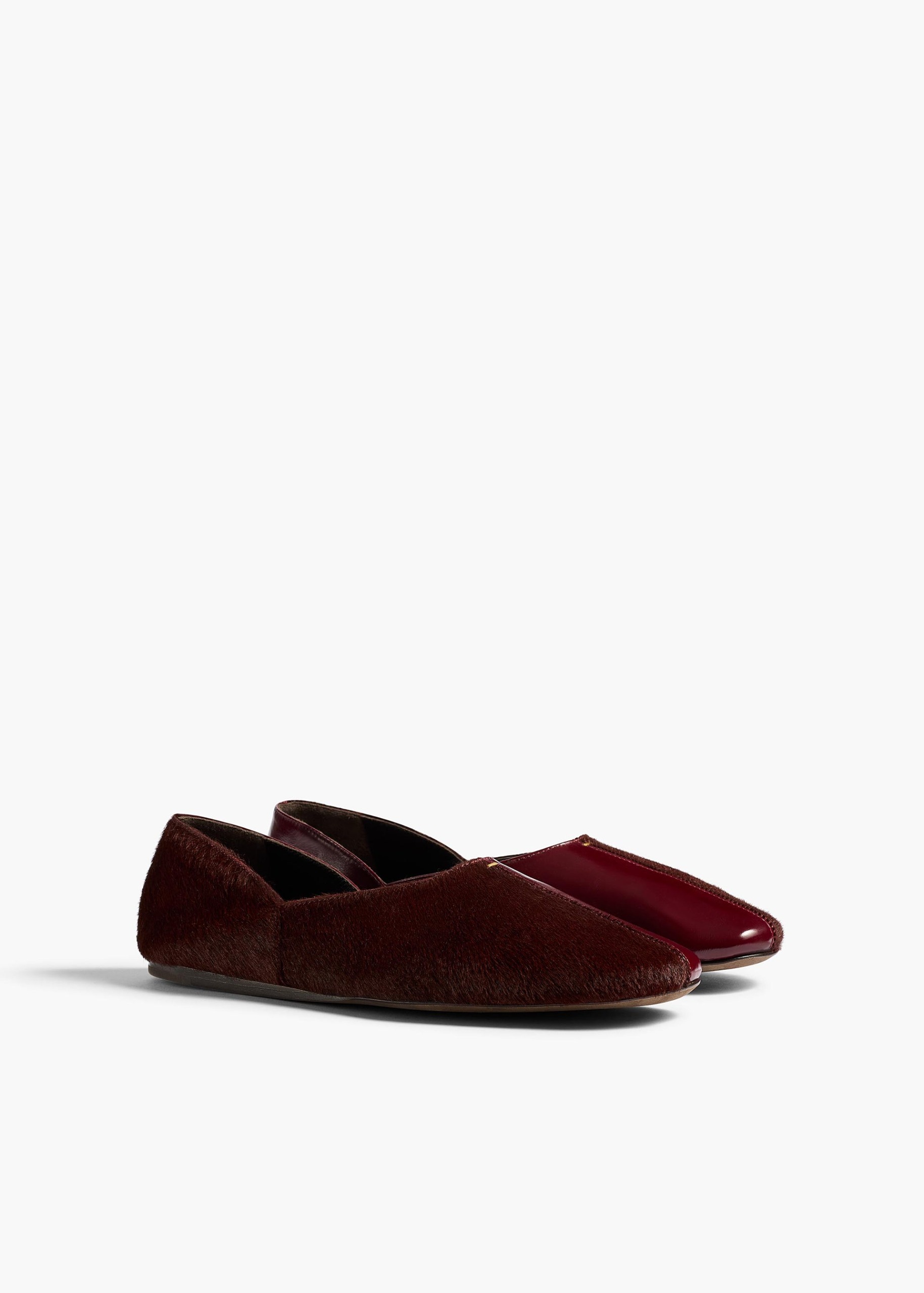
There is a particular magic to the moment a wardrobe shifts, not with a dramatic declaration, but with a quiet, knowing step. Dakota Johnson's recent choice of ballet flats for September embodies this perfectly. It is not about a radical transformation, but rather a subtle recalibration of energy, a move from the languid ease of summer into something with a touch more structure, yet still grounded in comfort. This is the essence of transitional style, and it is a masterclass in letting the details do the talking.
What makes this moment so resonant is the restraint. The Khaite shoes, in their perfect-for-September shade, are not shouting for attention. They are a study in understatement, a choice that speaks to a deeper understanding of personal style as an internal state rather than an external performance. This aligns beautifully with the broader conversations we are having about elevated footwear, where the focus has shifted from loud logos to the integrity of the silhouette. It is the same principle that elevates a manicure from a mere polish change to a deliberate statement of self-care. The common thread is intention; nothing is accidental, and everything feels considered.
For our reader, this is not a directive to rush out and purchase a specific pair of shoes. It is an invitation to reconsider the way you approach your own style transitions. The question we should ask ourselves is not "What is trendy?" but rather "What feeling am I trying to cultivate?" Johnson's look is not about the item itself, but the confidence it projects. It is a form of quiet confidence that has nothing to prove. The practical takeaway is to look for pieces that bridge the gap, that feel as at home with a linen dress as they would with tailored trousers. It is about investing in the feeling of ease and letting that be your most defining accessory.
The real takeaway here is a reminder that style is a tool for self-expression, not a uniform for approval. When you choose a piece because of how it makes you feel, rather than how it appears to others, you unlock a level of personal authority that is impossible to replicate. The question we are left with, then, is not whether the ballet flat is back, but whether we are ready to embrace the ease it represents. Are we willing to let go of the need for constant reinvention and instead find power in a consistent, personal aesthetic? That is the quiet luxury we should all be pursuing.