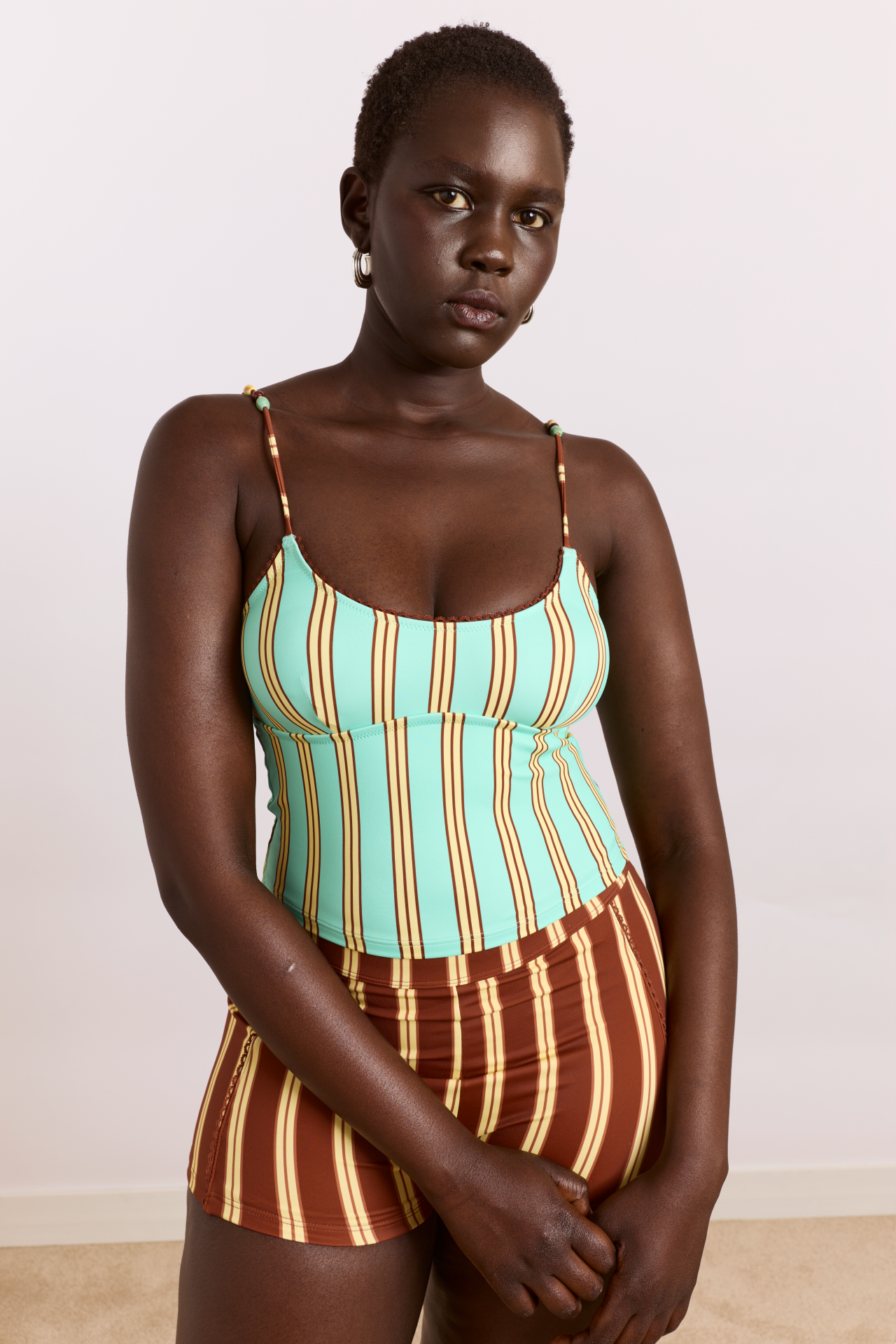
The cyclical nature of fashion is rarely as blatant as the return of the tankini. Just a few seasons ago, the minimalist black bikini reigned supreme, a cornerstone of the “quiet luxury” aesthetic that dominated Instagram and beachside cafes alike. Now, it appears, that era is gently receding, yielding to a more playful, nostalgic silhouette. If you'd told me a few summers ago that tankinis would be back on my swimwear mood board, I probably wouldn't have believed you, yet here we are. This shift speaks to a broader exhaustion with the hyper-curated, almost sterile perfection of recent trends. It's a reaction against the relentless pursuit of the "effortless" look, a yearning for something a little more expressive, a little more…human. This echoes similar shifts we've seen in footwear, where the sleek ballet flat is being displaced by a jazz-inspired shoe trend, as detailed in Ballet Flats? Suddenly, Every It Girl Is Wearing This Jazz-Inspired Shoe Trend Instead. It's a move away from hyper-minimalism and towards a re-embrace of stylistic personality.
The resurgence of the tankini isn't simply about a different swimwear shape; it’s about a shift in cultural mood. The black bikini became synonymous with a very specific, almost performative brand of understated wealth—a quiet signal of belonging to a certain elite. The tankini, with its slightly retro feel and inherent practicality, feels less about broadcasting status and more about embracing comfort and a carefree spirit. It’s a move that aligns with a larger trend towards prioritizing well-being and a relaxed sense of self over rigid aesthetic ideals. The recent focus on elegant summer staples, as highlighted in Zara's Summer Sale Is Here! 13 Elegant Buys That Will Be Gone Before July, also hints at this desire for accessible luxury rooted in timelessness, rather than fleeting trends. The willingness to embrace something that feels a bit nostalgic – the tankini evokes a distinct era – suggests a broader desire for authenticity and a rejection of the hyper-modern, always-on aesthetic.
This development also raises questions about the future of luxury branding. The black bikini became a shorthand for a particular aspirational lifestyle, one that was increasingly scrutinized for its exclusivity and perceived artificiality. The tankini, in its more democratic appeal, challenges this notion. It suggests that luxury isn't solely about possessing the most expensive items, but about cultivating a sense of personal style and confidence. This aligns with the broader conversation around conscious consumption and a desire for brands to represent values beyond mere status. We’re seeing a similar dynamic play out in the beauty space, where consumers are increasingly skeptical of extravagant claims and prioritizing genuine efficacy and ethical practices. The potential, however, lies in reimagining luxury not as a display of wealth, but as a curated experience of quality, craftsmanship, and personal expression—a shift that prioritizes enduring value over fleeting trends. The luxury industry, particularly those brands known for high-end swimwear, will need to adapt to this evolving landscape, finding ways to integrate timelessness and practicality into their offerings.
Ultimately, the rise of the tankini feels like a gentle course correction in the fashion narrative. It’s a reminder that trends are cyclical, and that even the most seemingly immutable aesthetics are subject to change. As we look ahead to 2026, the question isn’t just about what swimwear silhouettes will dominate the beaches, but what deeper cultural shifts they reflect—and how brands can authentically respond to a consumer base that’s increasingly seeking authenticity, comfort, and a more nuanced definition of luxury. Will we see a broader embrace of vintage-inspired styles, or will this be just a fleeting moment of nostalgia before the next minimalist revolution?