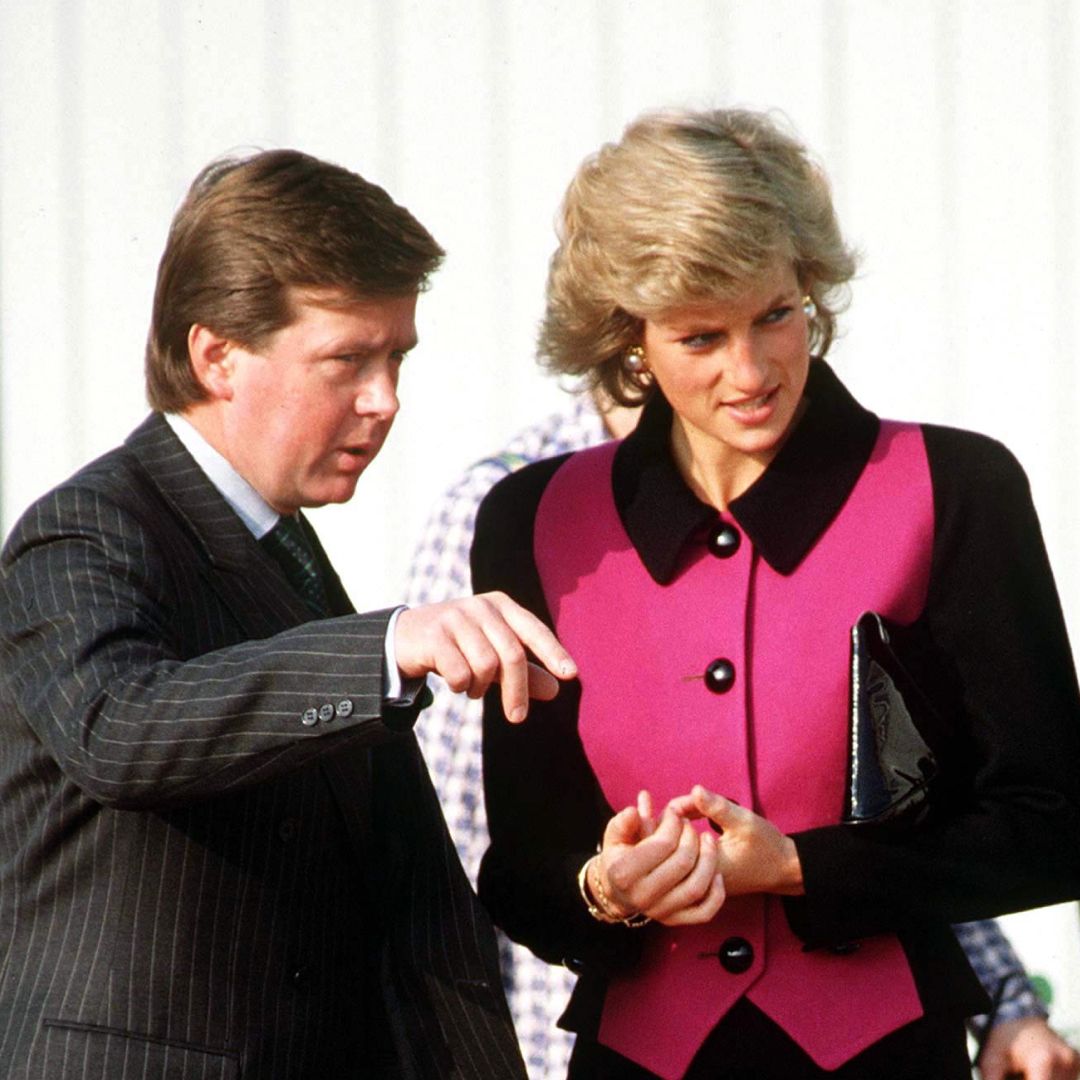
There are certain people who change the meaning of proximity for those around them, and Princess Diana was one of them. Ken Wharfe, her former royal protection officer, recently reflected on how easy it was to be drawn into her private world, noting that with the late royal, "you could very easily be drawn into a private gathering or family occasion." There is something quietly profound in that observation, especially 29 years after her death. It suggests a woman who did not merely command loyalty but inspired a genuine sense of inclusion, blurring the line between professional duty and human connection. This is not about the crown, the palace, or the politics. It is about the quiet intimacy she extended to those who stood beside her, a reminder that true presence is often felt in the smallest, most unguarded moments.
Wharfe's reflection lands with a particular weight when we consider Diana's own restless relationship with identity. She was a woman perpetually drawn to reinvention, as her brother Charles Spencer once noted, describing her "mischievous attraction to reinventing herself." That pull toward becoming someone new is not a rejection of the past; it is a deeply human negotiation with it. For Wharfe, being pulled into her orbit meant witnessing those transitions up close, not as a spectator but as a trusted participant. We often talk about security as a wall, a barrier between the public and the private. But Diana seemed to understand that real safety comes from being seen. She did not let everyone in, but when she did, she made that person feel like the only one in the room. That is the quiet luxury of her presence, and it is something we can all learn from in our own relationships, professional or otherwise.
What strikes us most is the intentionality behind her warmth. Diana did not accidentally include people; she chose to. In an era where we are constantly curating distance through screens and schedules, her example feels almost radical. She reminds us that connection is not a task to be managed but a space to be held. For our readers, the takeaway is not about royal protocol or historical analysis. It is about asking yourself a more immediate question: who are you letting into your private moments, and more importantly, are you truly present for them when you do? Wharfe's memory is not just a nostalgic footnote; it is a quiet challenge to reconsider the boundaries we keep and the ones we should soften.
The detail to watch here is not what Diana did publicly, but what she did when no one was watching. She folded people into her life, not as an obligation, but as a natural extension of her belief that connection is the only real currency. Her style choices, her reinventions, even her more public struggles, all of that was surface. What remains is the feeling she left with people like Wharfe: a sense of being genuinely seen. That is the legacy that outlasts any photograph or headline. So, when you think of Diana, do not just remember the icon. Remember the woman who made a bodyguard feel like a friend. And then ask yourself, who do you make feel that way?