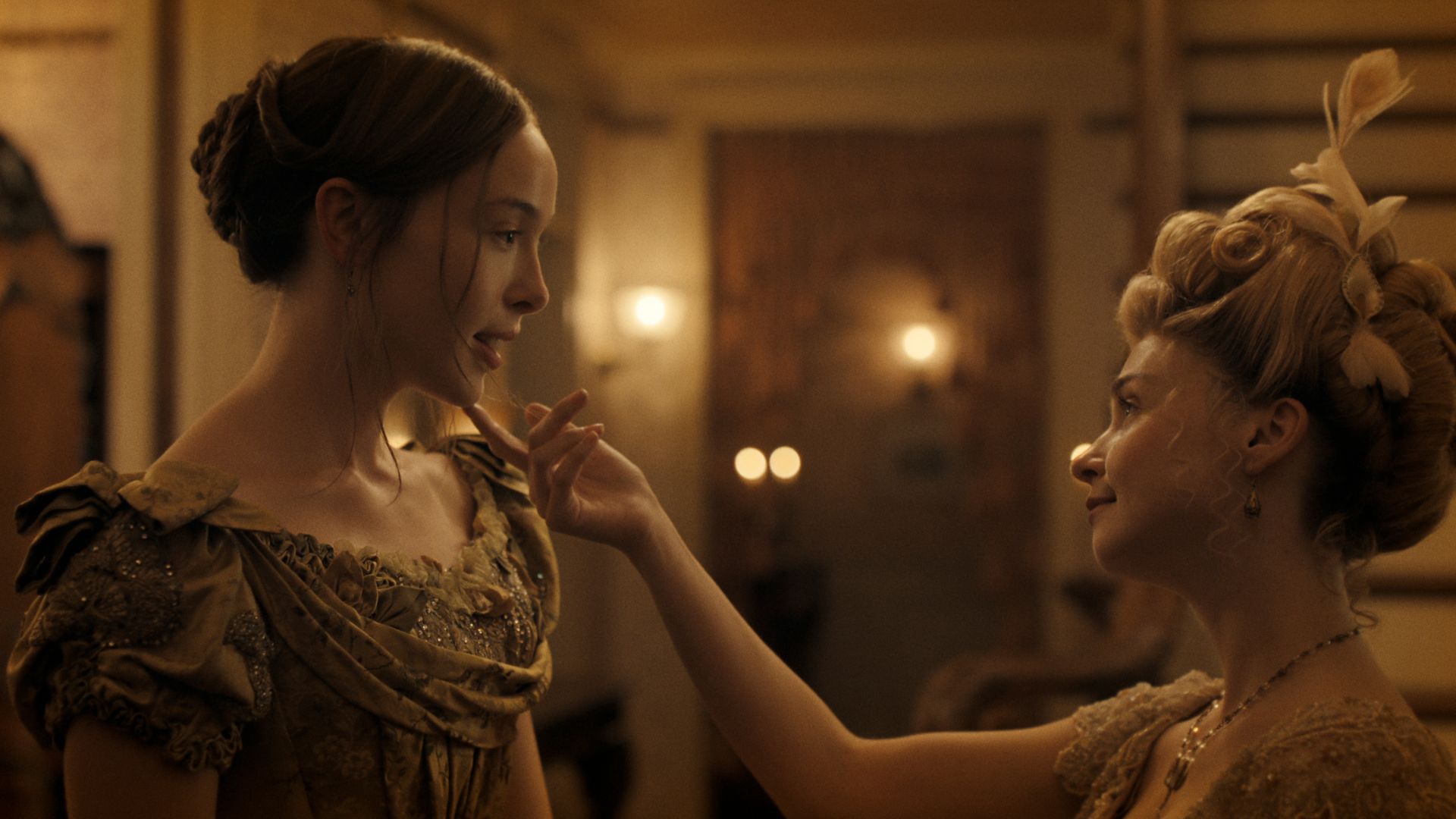
Lizzie Borden’s life was never the same after she was accused of murdering her father and stepmother in 1892, and Borden lived a mostly private life in the aftermath of the trial in which she was acquitted of the charges. In that time, she became close friends with stage actress Nance O’Neil—a friendship that, among other details of Borden’s life, has been fictionalized in the latest iteration of Ryan Murphy’s Monster anthology series on Netflix.
Ella Beatty and Jessica Barden play Borden and O’Neil in the crime series, respectively, and Beatty has acknowledged some of the exaggerations of the Netflix creation. “I could take all the source material about the real person’s life and translate that into the very fictionalized version of the woman that we created for the show. I was exploring a person that we were imagining and creating using details from the real person’s life to animate and fill in the blanks,” she told Netflix’s Tudum.
The “source material” of Borden’s life includes a real friendship with O’Neil, which was rumored to have been romantic (though Monster does not portray it as such). Ahead, we break down who O'Neil was and what her real relationship with Borden might have been like.
What to Know About Nance O'Neil—And Her Relationship with Lizzie Borden

Borden and O'Neil met in 1904 after one of O'Neil’s performances in Boston.
After her acquittal, public sentiment toward Borden was unfavorable, and she often traveled to cities like Boston and New York to escape the cruelty of her hometown, Fall River, Massachusetts. On one of these fateful trips to Boston, Borden met O’Neil after attending one of her plays. Borden allegedly sent a note backstage asking O’Neil to meet with her, and O’Neil obliged. The two became extremely close following that meeting.
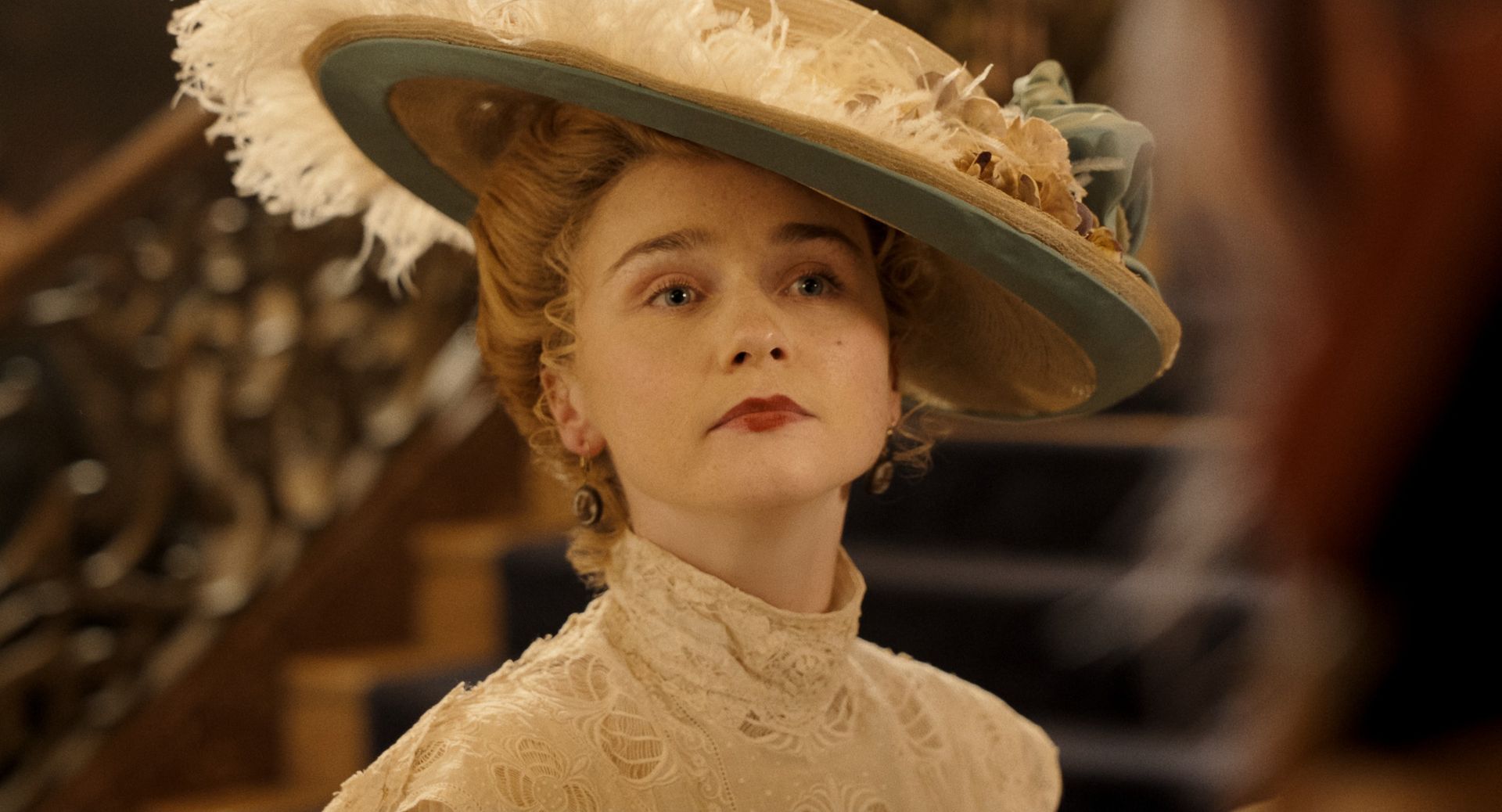
Many believed Borden and O’Neil were romantically involved.
They soon began spending a large amount of time together, fueling rumors of a lesbian relationship. Like Borden’s rumored relationship with her family’s maid Bridget Sullivan, this relationship was never confirmed by Borden, O’Neil, or anyone in their circles. However, their closeness only increased speculation about Borden’s perceived motives for the accused murders, as many believed her parents may have caught her with another woman.
After Borden died in 1927, O’Neil gave an interview with the New Bedford Standard, calling her friend "distinctively attractive" though a “frail, little gentlewoman,” and describing their relationship as “ships that pass in the night and speak [to] each other in passing.” While there’s no outward admission in those words, it could be read as a romantic description of their friendship. But as neither Borden nor O’Neil left behind any diaries, love letters, or other artifacts that would confirm a romantic relationship, this part of Borden’s life remains speculative.
Borden and O'Neil's friendship might have led to Borden's estrangement from her sister, Emma.
Lizzie and Emma Borden (played by Billie Lourd in Monster) used their inheritance from their murdered father to buy a house in Maplewood, Massachusetts, and it’s believed that the parties thrown there for O’Neil’s theater group were the root cause of the sisters’ definitive fight. Many years later, Emma confirmed that something happened at their house, though she never provided details. “The happenings in the French Street house that caused me to leave, I must refuse to talk about,” she said in a 1913 interview with The Boston Post. The sisters never spoke again.
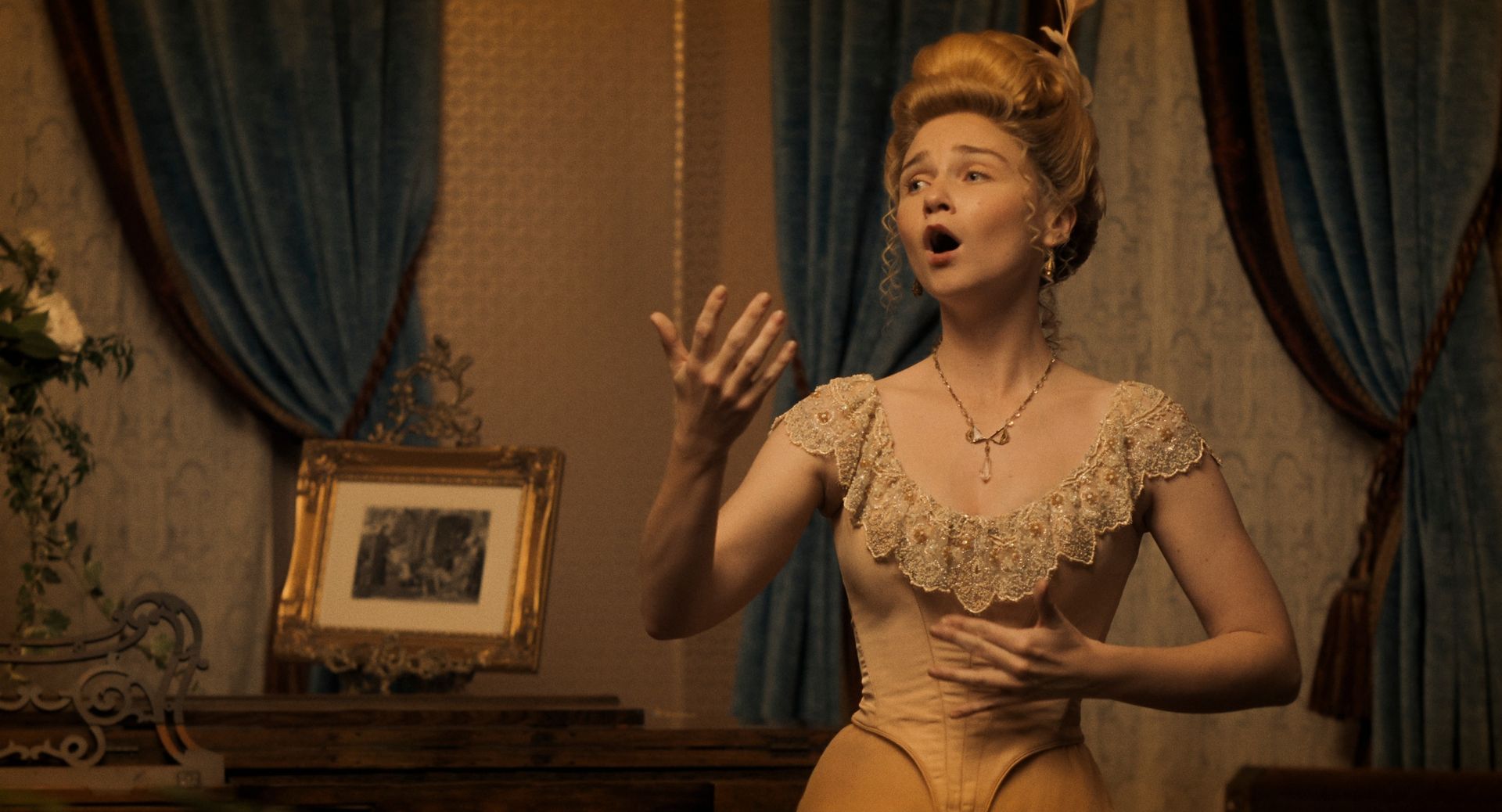
Some thought Borden's wealth was the basis of their friendship.
As Borden spent more time with O’Neil and her artistic circle, she began hosting parties at her Maplewood residence for O’Neil’s theater troupe (though O’Neil later refuted this after Borden’s death, claiming she never visited her home). Borden reportedly also lent money to O’Neil and her friends for various debts.
A San Francisco Call article from the time also suggested that O’Neil and Borden were creative collaborators, with Borden allegedly penning a play for O’Neil, but this never came to fruition. When Borden and O’Neil’s friendship later ended, some believed it was because O’Neil refused to pay back.
Borden and O'Neil were also estranged at the end of Borden's
Money very well could have caused their estrangement, but it's equally likely that their life circumstances did. O’Neil’s career eventually expanded beyond the Boston area, and the women naturally spent less time together; staying in touch was decidedly different from today.
O’Neil later married actor Alfred Hickman in 1916. In her interview with the New Bedford Standard after Lizzie died in 1927, she confirmed that they never spoke about the murders and that their correspondence stopped after their friendship drifted apart.