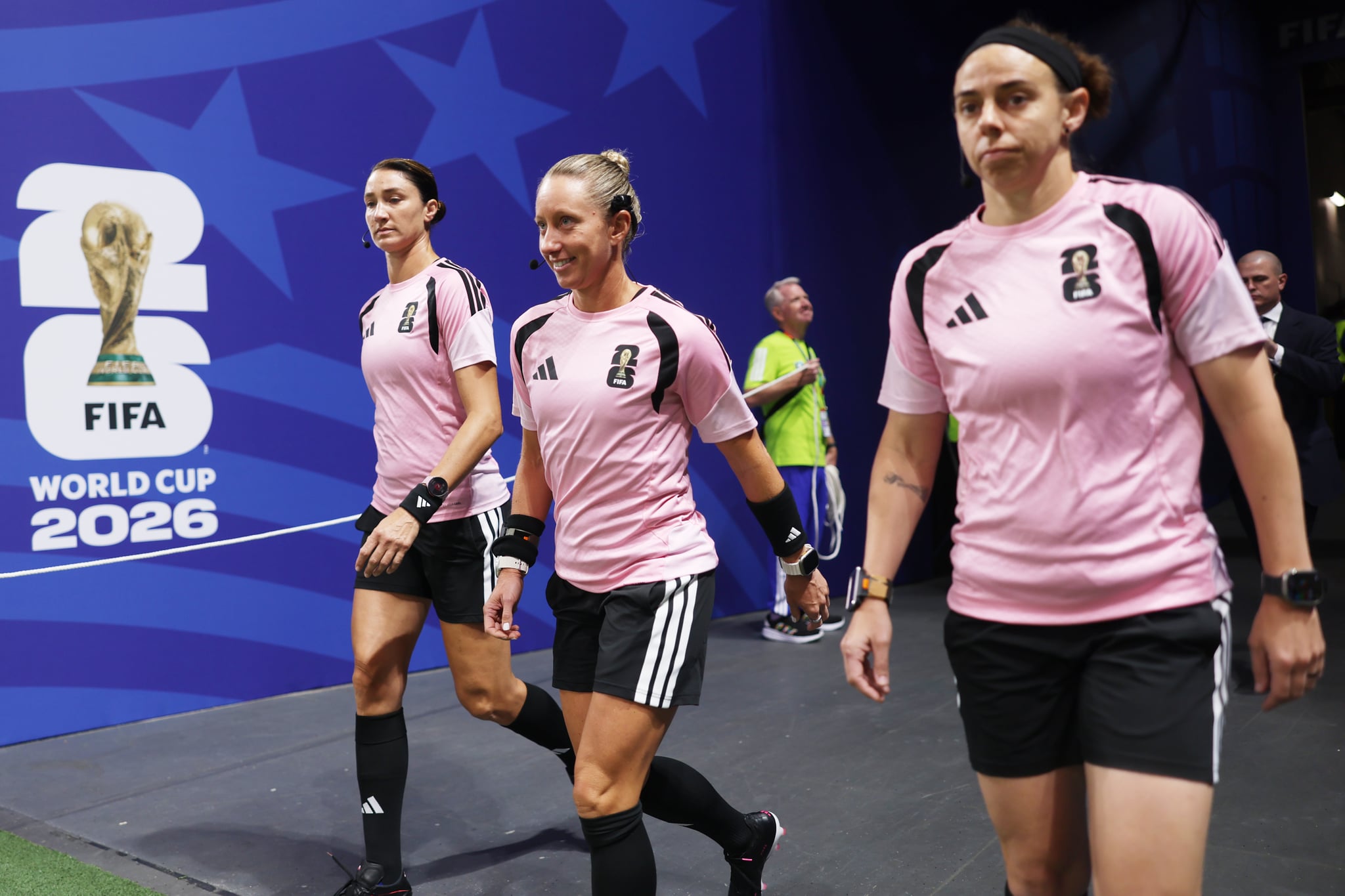
The fervor surrounding the World Cup is undeniable, a global spectacle of athleticism and strategy. Beyond the star players and nail-biting matches, a quieter, yet equally significant, narrative is unfolding: the increasing visibility and celebration of women referees. Recognizing and appreciating these figures isn't simply a matter of inclusivity; it’s a necessary recalibration of how we perceive authority and expertise in traditionally male-dominated spaces. As we’ve explored in pieces like For Your Next Girls' Trip, Try Sports Travel, experiences centered around athleticism and competition are gaining traction as powerful bonding opportunities, and acknowledging the crucial role of female leadership within those arenas is paramount. Witnessing women step into these roles, commanding respect and ensuring fair play, signals a profound shift in cultural expectations and challenges ingrained biases within the sporting world.
The presence of women referees isn’t a recent phenomenon, but the heightened media attention and public acknowledgment represent a crucial turning point. Historically, the assumption that referees – particularly those officiating high-stakes events like the World Cup – are men has been largely unquestioned. This implicit bias stems from broader societal narratives about leadership and competence, often associating authority with masculine traits. The rise of women in these positions directly confronts that narrative, demonstrating that skill, integrity, and decisive judgment are not gendered qualities. Further, the increased visibility contributes to a broader cultural conversation regarding representation—a conversation we've seen reflected in the fashion space, as evidenced by Zendaya’s effortlessly chic style, revisited in Zendaya Revives Her Bra Top Era in Custom Louis Vuitton, which highlights how powerful aesthetics can inherently challenge norms. The skill and poise of these referees, navigating complex game situations under immense pressure, serves as a powerful visual reminder of female capability in all spheres.
The significance extends beyond the immediate impact on the World Cup. It's about cultivating a pipeline of future female referees, providing mentorship and opportunities for young girls to envision themselves in these roles. The visibility acts as a powerful form of inspiration, demonstrating that pursuing a career in sports officiating – or any traditionally male-dominated field – is not only possible but also valuable. Moreover, having women in positions of authority on the field can positively influence player behavior and create a more equitable playing environment, encouraging sportsmanship and respect for the rules. The detail and precision needed in refereeing, akin to the mindful curation of a wardrobe as seen in Calling It: Every Reformation Girl Will Buy One of These 6 New Arrivals Next, suggests a shared appreciation for intentionality and thoughtful execution.
Ultimately, celebrating the women referees of the World Cup is a recognition of progress and a commitment to continued evolution. It’s a quiet affirmation of the power of representation and the importance of challenging ingrained assumptions. As the landscape of professional sports continues to evolve, one crucial question remains: how can we ensure that the increased visibility of women referees translates into tangible opportunities and sustained support for their advancement, not just during major tournaments, but across all levels of competition?