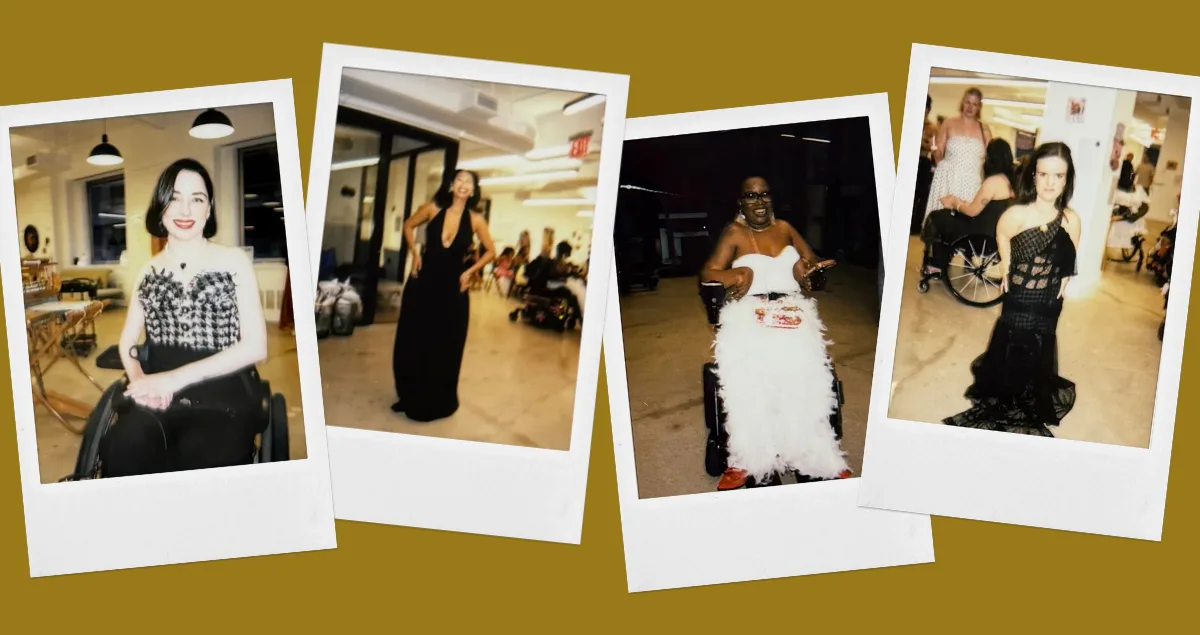
There is a particular kind of silence that happens when the conversation turns from aesthetics to access. It happened during New York Fashion Week, on a panel where disability advocates and fashion professionals sat together, not to discuss the next hemline, but to ask why an industry so obsessed with beauty continues to overlook the nearly 14% of Americans who live with disabilities. The quiet in the room was not apathy. It was the sound of an industry finally pausing to listen.
Inclusivity has become a buzzword, a checkbox on a campaign brief, but true inclusivity is not a trend cycle. It is a foundational redesign of who gets to participate in the fantasy. We have seen the industry nod toward diversity in size and race, and we have seen the results when it is done with intention. But disability remains the last frontier, the conversation we tiptoe around while claiming to celebrate authenticity. The panel's message was clear: fashion has much to learn from the disabled community, not out of pity or obligation, but because the community has been solving creative problems for years. Adaptive design is not a separate category; it is simply design that considers the full spectrum of human experience. That is a lesson in restraint and thoughtfulness, values that should feel familiar to anyone who appreciates the quiet power of a well-considered silhouette. It is the same ethos behind the season's most Elevated Footwear: Defining Fall's Quietly Stylish Sneaker Selection, where function and form are not at odds, but in conversation.
For our readers, this is not an abstract industry problem. It is a question of whose stories we choose to center. When we scroll through a feed curated for aspiration, we are voting with our attention. The Quiet Confidence: The Most Elegant Celebrity Pixie Cuts feature is lovely, but elegance is not only about the cut; it is about the confidence to exist as you are, unapologetically. The industry's slow awakening to disability is not about charity or representation for its own sake. It is about recognizing that style is personal, and that a garment should honor the body it dresses, not the other way around. This is where the conversation gets practical. We would tell a reader asking about this: look at the brands you love and ask who they are designing for. If the answer is not everyone, they are not finished yet. And neither are we.
The takeaway here is not that a single panel will fix decades of exclusion. It is that the conversation is no longer a whisper. We are watching a shift from performative allyship to something more uncomfortable and necessary: a demand for genuine, practical change. The specific detail to watch is not the next runway show, but the fit. Who is it made for? Who is left standing on the outside, looking in? The answer to that question will define the future of fashion, and we intend to hold the door open. The most elegant thing we can wear is the willingness to include everyone in the room.