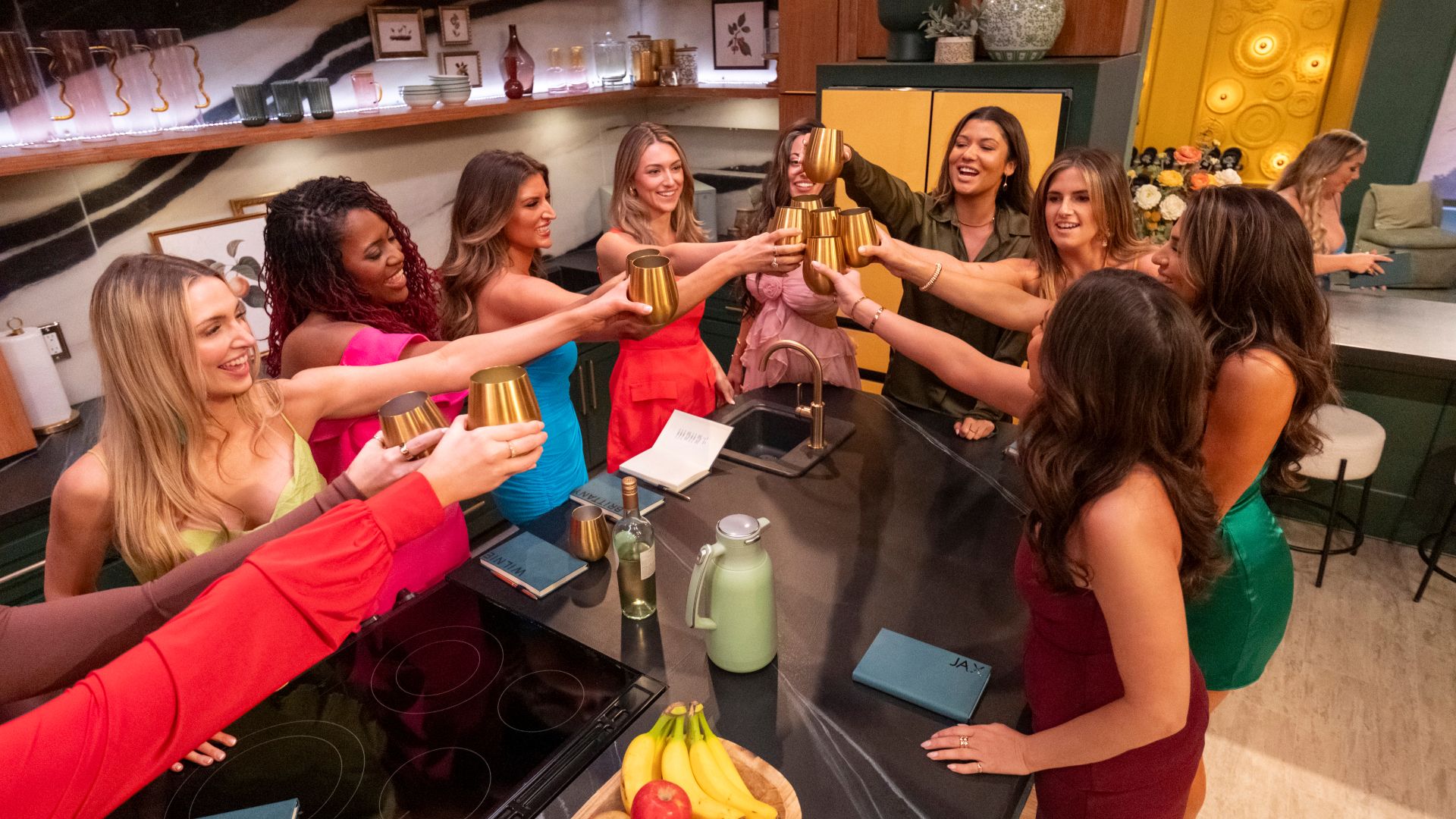
There is something quietly magnetic about watching strangers fall in love without ever seeing each other, and *Love Is Blind* season eleven offers exactly that tension, but with a distinctly Bostonian inflection. Our take is simple: this season feels less like spectacle and more like a study in how intentionality shapes connection, even when the setting is a pod. The thirty singles who entered the experiment range from a principal engineer to a NICU nurse, and what emerges in the first five episodes is not chaos for chaos's sake, but a series of deliberate choices about who deserves vulnerability. As Season 11's First Engagement Faces the Weight of Their Differences reveals, the first couple to get engaged quickly discovers that emotional alignment must outpace the initial rush of being chosen. That weight, the quiet work of sustaining what began in the dark, is precisely where the show's real narrative lives.
For the viewer, the practical takeaway is subtle but sharp: the pods strip away the visual noise we so often mistake for compatibility, forcing participants to articulate what they actually need. Jax, a skincare entrepreneur, sidesteps men who "don't know what they want" with the same clarity she applies to her business. Diana wants an "alpha" partner but admits she makes all the decisions in her friend group, an honest contradiction that many of us recognize. And Rachel, an academic advisor, speaks openly about wanting to "submit to my man" because it makes her feel "protected and feminine," a confession that feels both vulnerable and grounded. These are not women performing for cameras; they are naming their terms. This season's emotional architecture mirrors the slow burn we explored in From slow burn to forever a quiet certainty took hold, where a couple discovers that certainty rarely arrives in a flash, it accumulates in the spaces between guarded questions and honest answers.
What makes this installment distinct is the geographic specificity. Boston is not Los Angeles or Atlanta; it carries a particular energy of grounded ambition, of old money and new hustle, of winters that demand resilience. The cast reflects that: Benita immigrated as a war refugee and built her life from nothing; Sahar moved to the U.S. at ten without speaking the language; Jenn is a single mother who places her son's needs above her own romantic desires. These backgrounds give the pod conversations a texture that feels less like reality TV and more like a dinner party where everyone has already done the work. Yet the experiment remains ruthless. Jax gets engaged to Stew and then ghosts him immediately after the reveal, a moment that lands not as cruelty but as a brutal honesty that the pods cannot protect against. Malanie leaves early after dating two men, choosing solitude over a connection she cannot fully feel. The season's quiet authority lies in these exits: they remind us that knowing what you do not want is as important as knowing what you do.
The open question that lingers as we wait for the remaining episodes is whether the five engaged couples can carry their pod-built intimacy into the harsh light of shared apartments and family dinners. The season of elevated evenings may endure at warm rooftops, as The Season of Elevated Evenings Endures at These Warm Rooftops reminds us, but love after the reveal demands a different kind of warmth, one that cannot be manufactured by production design. Watch for how the couples handle the first argument that has nothing to do with the pods. That moment, not the engagement, will tell us whether Boston's next love story is real.