Can Botox Kill Your Ability to Love?
Our take
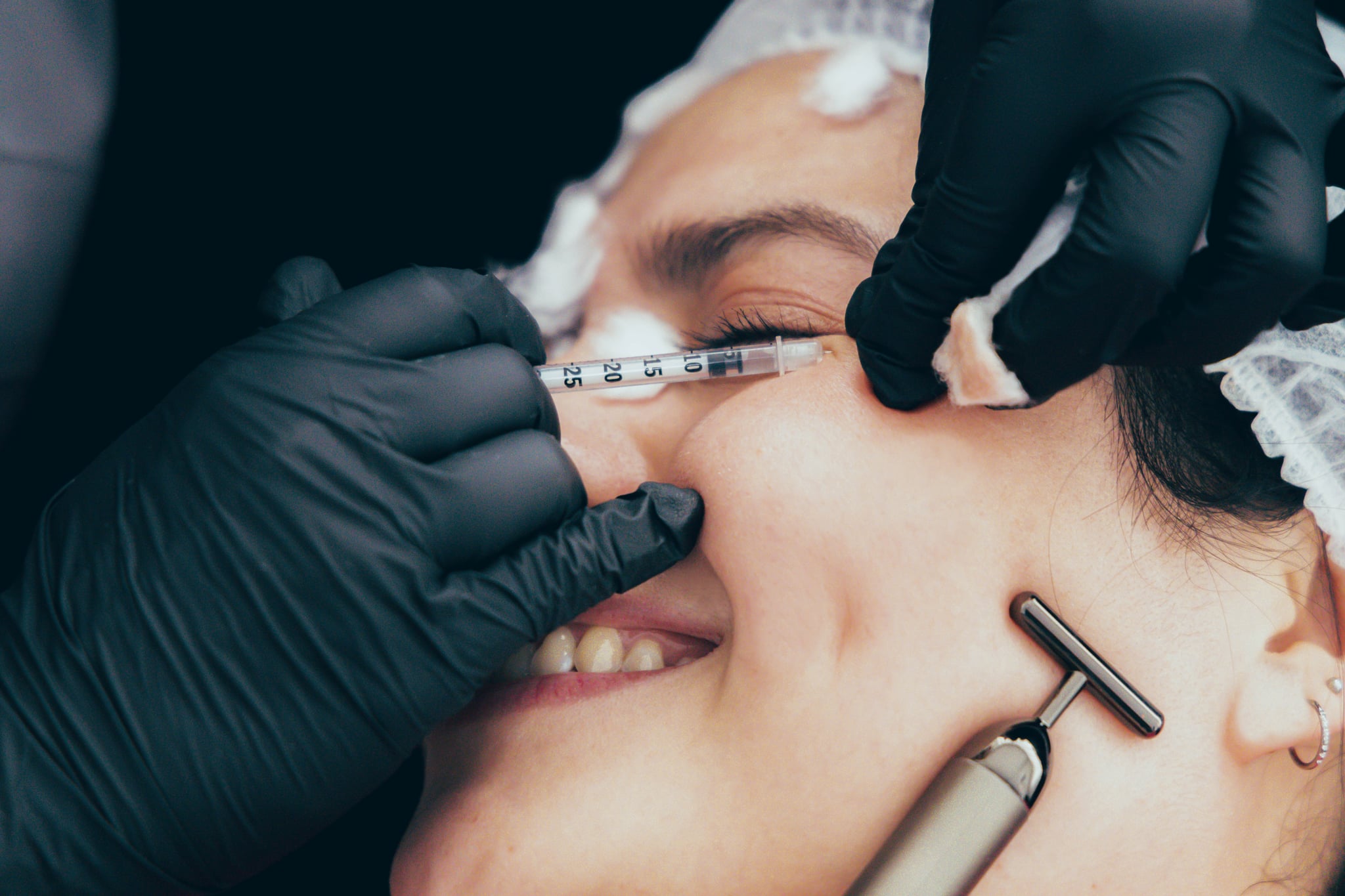
The recent discourse surrounding cosmetic procedures, particularly Botox, has taken a surprisingly philosophical turn. The question of whether repeated muscle paralysis can fundamentally alter one’s capacity for empathy and emotional expression, as posited in articles exploring this phenomenon, is both fascinating and unsettling. It taps into a deeper anxiety about the increasingly blurred lines between self-optimization and the potential erosion of authentic human connection. We’ve seen a rise in trends like the aforementioned [Studded Flats Are Summer’s Cool-Girl Answer to Ballet Slippers], showcasing how aesthetics are being reinterpreted to communicate personality and attitude, but this article proposes a more profound consequence – one that touches on the very core of our emotional selves. The core argument, often presented through anecdotal evidence and neurological speculation, suggests that the repeated suppression of facial expressions, particularly those associated with sadness and vulnerability, may inhibit the brain's ability to recognize and process those emotions in others. This, in turn, could lead to a diminished capacity for empathy and a sense of emotional detachment.
The underlying premise isn't entirely new. Studies in social psychology have long demonstrated the importance of mimicry and emotional contagion in fostering connection. We unconsciously mirror the expressions of those around us, a process that helps us understand their emotional state and build rapport. Interfering with this natural process, as Botox does, raises concerns about potential long-term consequences beyond the purely aesthetic. Consider, for example, the ongoing fascination with royal style, where Princess Eleonore [This 18-Year-old Princess Just Channeled Meghan Markle in the Same Caped Gown For Her Big Tiara Debut] recently emulated Meghan Markle's sophisticated look. While this demonstrates admiration and stylistic influence, it also underscores a broader societal interest in projecting a curated image – an image that, increasingly, might be shaped by medical interventions. The question then becomes: how much are we willing to sacrifice in the pursuit of an idealized appearance, and what are the potential costs to our emotional well-being and relationships? The article highlights a growing unease about the potential for cosmetic procedures to not just alter our outward appearance, but also to subtly reshape our inner landscape.
It’s crucial to approach these claims with a degree of skepticism. The scientific evidence supporting a direct causal link between Botox and reduced empathy remains limited and often relies on correlational studies. However, the conversation itself is significant. It reflects a broader cultural reckoning with the normalization of cosmetic interventions and the potential for unintended consequences. The rise of social media and the pressure to conform to increasingly unrealistic beauty standards have fueled a surge in demand for procedures like Botox, particularly among younger generations. What was once considered a luxury for the elite is now becoming increasingly accessible and commonplace. The article’s exploration of this potential emotional cost serves as a much-needed counterbalance to the prevailing narrative of effortless self-improvement. Furthermore, the discussion forces us to consider the subtle ways in which our facial expressions contribute to our sense of self and our ability to connect with others. It prompts a deeper examination of the potential trade-offs involved in pursuing a perpetually smooth and youthful visage.
Ultimately, the question of whether Botox can "kill your ability to love" is, perhaps, an overstatement. However, the underlying concern – the potential for cosmetic procedures to subtly alter our emotional capacity – is a valid and important one to explore. As technology continues to advance and interventions become more readily available, it's imperative that we engage in thoughtful and nuanced conversations about the ethical and psychological implications of these choices. What boundaries, if any, should we establish when it comes to modifying our bodies and minds? And how can we ensure that the pursuit of beauty doesn’t come at the expense of our emotional authenticity and our ability to truly connect with one another? The evolution of trends, from [From Bella Hadid to Katie Holmes, It Girls Are All Shopping Vivaia's Prime Day 2026 Shoe Deals] to discussions about facial aesthetics, points toward a future where the lines between natural expression and curated presentation continue to blur – a future that demands careful consideration and a renewed focus on emotional well-being.
You've seen the memes. It is most likely already all over your algorithm. The latest Botox news everyone seems to be obsessed with is its rumored ability to kill our empathy.
The buzz is a reference to a 2011 study that found those who use neurotoxin injectables (like name-brand Botox, or others such as Dysport, Xeomin, Jeuveau, and Daxxify) may have difficulty reading the emotions of others. "Botox participants exhibited an overall significant decrease in the strength of emotional experience," the study states. However, the claims have quickly snowballed into many thinking that getting Botox can make us less empathetic and lose all feeling emotionally altogether. At a time when many joke about wanting to feel less (fellow empaths who have succumbed to the heaviness happening around us know that our feelings can be a lot to handle sometimes), you can't help but wonder just how real these claims are.
Can Botox stop us from feeling love? Any emotion at all? Keep reading to find out from the experts.
Does Botox stop you from loving anything?The short answer: No, Botox does not impact our ability to love (or feel, for that matter). While there is research that shows Botox has some minor effect on our emotions, it's not as drastic as the Internet likes to think. "There is no evidence that Botox eliminates empathy," says licensed clinical psychologist Melanie Kressel, PsyD. "Empathy is a complex process involving cognitive, emotional, and relational components that extend beyond facial expression alone."
"Botox can't kill your empathy," agrees licensed psychologist Christina Daly, PsyD. "But it can weaken it."
What neurotoxin injectables do is block the nerve signals of targeted muscles, temporarily reducing their movement. According to Blair Murphy-Rose, MD, board-certified dermatologist and founder of Skincare Junkie, getting a certain amount of Botox can prevent many facial expressions and change (or prevent) the way we show emotion.
Marisa Garshick, MD, board-certified dermatologist at MDCS Dermatology, adds that Botox may only slightly reduce the intensity of visible expressions like anger or surprise externally, but it does not completely prevent you from feeling those emotions internally. "The ability to experience empathy does not rely on the facial muscles, which is what Botox is targeting," Dr. Garshick says. "[It] does not alter your emotional capacity."
The Connection Between Botox & Our EmotionsThere are many ways we understand each other's emotions, and Dr. Daly explains that Botox may affect one of them: facial mimicry. Facial mimicry is the mimicking of the expression of others on our own faces in order to decode them. She says that when our facial muscles are paralyzed, we may not be able to accurately mimic expressions, thus inhibiting our ability to understand how others feel.
"Facial expressions are a major way we communicate with others," she adds. "It's how we show people that we're listening, that we care, and that what they feel matters. So it can be confusing when someone's facial expressions aren't congruent with what they are saying."
Think about it like this: if you were sharing something so deeply personal or upsetting, but someone's facial expression doesn't match the empathy they are trying to verbalize, you would feel invalidated. Or when an actor's facial expressions don't match the lines they're reading, we immediately identify their acting as less believable because our brains don't understand this type of dissonance.
On the flip side, Dr. Kressel says that Botox can boost your self-perception. Those who feel more confident about their appearance may experience a more positive baseline, she explains, and this increased confidence may lead to more open and positive social interactions that enhance their mood, relationship satisfaction, and well-being.
How to Get Botox and Still EmoteThere is a happy medium if you want both neurotoxin injectables and the ability to show a range of emotions. Both Dr. Garshick and Dr. Murphy-Rose recommend asking your injector for a more conservative approach when administering the injectable. "Technique is key," says Dr. Murphy-Rose. "Using lower doses in the forehead and being mindful around areas like the lateral brow and crow's feet can help maintain a natural, expressive look."
"The goal is to soften lines without freezing expression," adds Dr. Garshick.
Experts want to reassure you that you don't have to worry. With the right (and licensed) injector, you'll still be able to get treatment with your feelings intact. "If you had the capacity for empathy prior to Botox, you'll be capable of it after," Dr. Daly says.
Audrey Noble is a beauty writer who covers breaking news, writes celebrity profiles, and does deep-dive features about the ways race, gender, sexuality, and other forms of identity impact society via the beauty industry. Previously, she was the beauty reporter at Allure and has held editorial positions at Vanity Fair and Refinery29. Audrey's work can also be seen in PS, Vogue, Harper's BAZAAR, Bustle, InStyle, WWD, and moreRead on the original site
Open the publisher's page for the full experience