Charlize Theron's Hairstylist Shares the Most Underrated Product in His Kit
Our take
The quiet confidence of understated elegance is perpetually in vogue, and the recent spotlight on hairstylist Renato Campora’s “most underrated product” – a simple, yet effective, hair oil – speaks volumes about the evolving landscape of beauty and styling. It’s a welcome shift away from the constant barrage of new, often fleeting, trends, and a return to the power of foundational, well-chosen tools. This echoes a larger movement within the fashion world, one we’ve observed with pieces like [Emily Ratajkowski's Dark-Wash Jeans Are On-Trend and Under $70], where timelessness and accessibility are gaining significant traction. The emphasis isn't on acquiring the newest, most extravagant item, but on investing in quality staples that elevate existing wardrobes and routines. Campora’s endorsement, particularly coming from someone who meticulously crafts looks for a style icon like Charlize Theron, lends significant weight to the idea that simplicity can be surprisingly powerful. This resonates deeply with the core values of mindful consumption and a move away from performative beauty.
The collaboration between Campora and Theron for her recent press tour further underscores this point. Instead of relying on elaborate, trend-driven hairstyles, the focus was on enhancing Theron’s natural beauty with subtle, polished looks. This approach aligns perfectly with the current cultural mood, where authenticity and effortless chic are highly prized. It’s a refreshing contrast to the often-overdone red-carpet looks we’ve become accustomed to. The conversation around hair styling, and indeed all beauty, is shifting towards a more holistic and intentional approach – one that prioritizes health, longevity, and personal expression over fleeting trends. This mirrors the broader fashion narrative, exemplified by the boldness of trends like [The Naked Shoe Trend Is Fashion's Boldest Look Yet], which, despite its striking nature, ultimately highlights the underlying importance of confidence and self-assuredness. The key takeaway isn't necessarily the trend itself, but the underlying message of embracing individuality and owning one's style.
What’s particularly compelling about Campora’s revelation is its grounding effect. In an industry saturated with complex routines and expensive treatments, he champions a single, versatile product. This isn't about selling a lifestyle; it’s about offering a practical solution that enhances natural beauty. It’s a subtle yet powerful demonstration of how less can truly be more. The beauty industry, historically driven by innovation and the promise of transformation, is slowly recognizing the appeal of returning to fundamentals. This isn't to say that innovation is irrelevant; rather, it's about finding a balance between cutting-edge advancements and timeless principles. Consider, for example, the resurgence of classic hairstyles and color palettes – a testament to the enduring power of simplicity and elegance. The internet’s fascination with [Lindsay Lohan Is A Redhead Again & The Internet Is Obsessed] illustrates a desire for familiar, comforting aesthetics, proving that nostalgia and classic beauty remain potent forces.
Ultimately, Campora’s perspective offers a valuable lesson: true style isn't about chasing the latest trends or accumulating an endless array of products. It’s about understanding your own beauty, investing in quality essentials, and embracing a mindful approach to self-expression. The beauty industry’s growing recognition of this shift signals a broader cultural evolution towards authenticity, sustainability, and a more considered approach to consumption. As we move forward, the question remains: will this emphasis on foundational beauty and mindful styling continue to reshape the beauty landscape, or will it be a fleeting moment in a constantly evolving cycle of trends?
Welcome to The Who What Wear Podcast. Think of it as your direct line to the designers, stylists, beauty experts, editors, and tastemakers who are shaping the fashion-and-beauty world. Subscribe to The Who What Wear Podcast on YouTube, Apple Podcasts, and Spotify.
Adir Abergel got his start as a hairstylist at a very early age.
When Abergel was 9 or 10, he began learning how to do the hair of the women in his life.
"I was surrounded by very strong women, Moroccan women, who loved getting their hair done because they had frizz and they had to get their hair blow-dried all the time," Abergel said. "Somehow, to make extra money, they had convinced me that I could do their hair color and apply it on their hair."
Today, Abergel works with some of the biggest stars in Hollywood, including one of the stars of The Odyssey, Charlize Theron.
For the latest episode of The Who What Wear Podcast, Abergel sits down with Who What Wear co-founder Hillary Kerr to share how he got his start, a behind-the-scenes look at some of Theron's iconic press tour moments for The Odyssey, and more.
To read excerpts from their conversation, scroll below.
For anyone who's tuning in now for the first time, can you give us just a smidge of background about how Adir became Adir?
I moved to the United States when I was 7 years old.
Didn't speak the language, had to acclimate very quickly into my life here, and I had really incredible teachers early on who really invested time in me.
I was very, very lucky to have that.
I then was surrounded by very strong women, Moroccan women, who loved getting their hair done because they had frizz and they had to get their hair blow-dried all the time.
Somehow, to make extra money, they had convinced me that I could do their hair color and apply it on their hair.
I think I was like 9 or 10.
When I was 15, I went to school at Santa Monica College and went to cosmetology school.
When I was there, I'd heard someone was looking for an assistant, and I took the bus to Beverly Hills, and I met this guy named Arthur Johns.
Arthur Johns, at the time I didn't know had people like Sally Hershberger assist him before me and Jonathan Antin before me, and so he was this really prolific, beautiful hairstylist who I somehow convinced by the time I left that I was going to quit school. He was going to do an apprenticeship program, and I was going to get my license through him.
Then I ended up working for him for almost seven and a half years.
I want to talk about how you started to approach this with Charlize Theron for this press tour. Can we start with the premiere in London?
I really kind of started the tour, which I always do, with really trying to understand what some of the pieces are going to look like.
Also, where are we at with Charlize's hair, right?
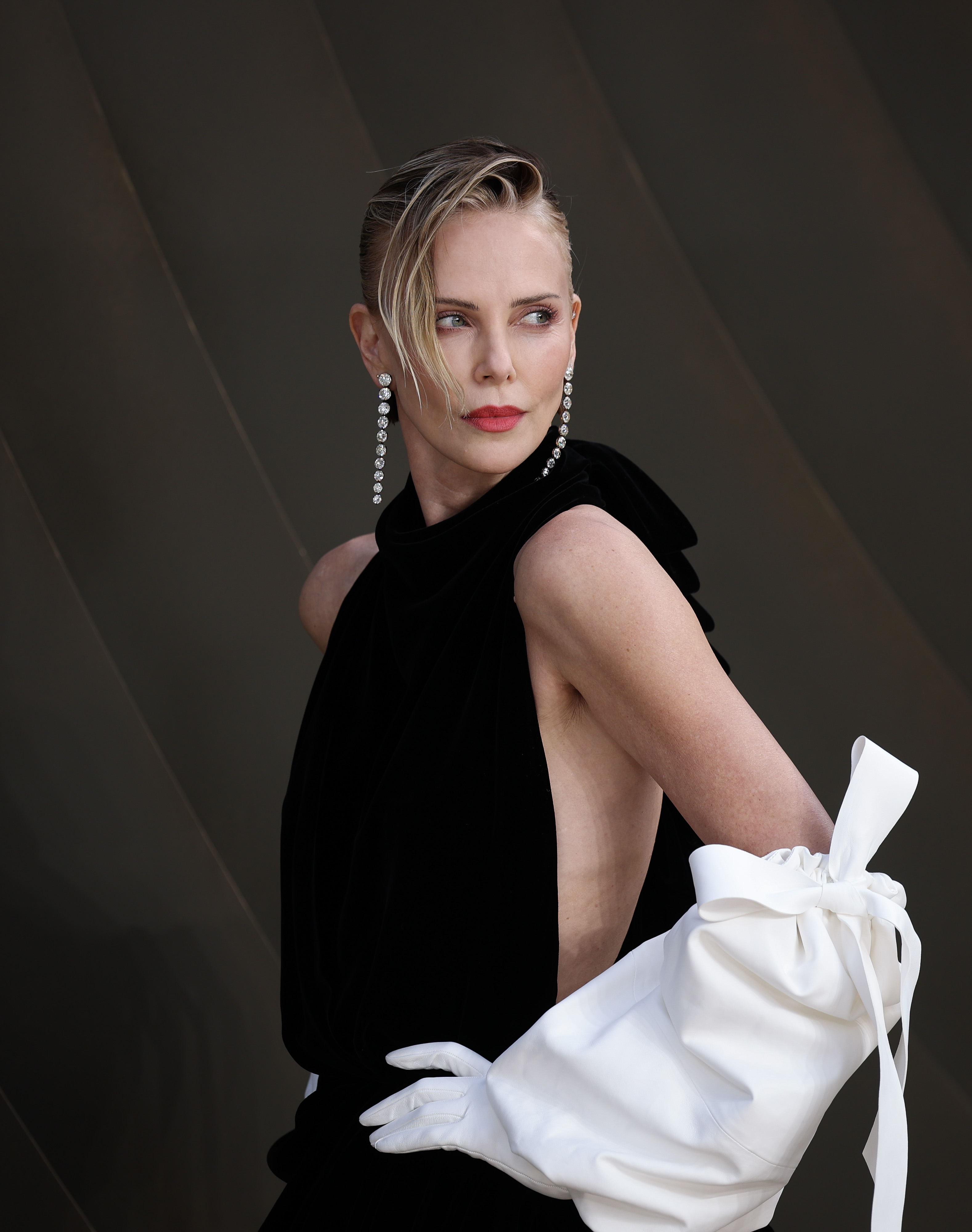
We had just finished a movie that I actually went ahead and did. I was on the movie for three and a half months called Tyrant, where she plays this incredible, incredible Michelin-star chef.
I had already created this really strong bob that had very strong lines to it that was all about symmetry. That was all about intention, where every highlight was, where every cut was.
I'd already loved that concept going into this tour.
So I was thinking, "Okay, what are some of the things that I could work into this?"
I start with going into the history in my brain of things that are interesting, that I love, that I remember, and I start building boards around it.
I was thinking, "Okay, let me see the structure of this dress."
It had this really great gathering that went to the side. It had beautiful symmetry to it.
So I wanted to create that same tension in the hair for Charlize, but it's very hard actually when you have a bob to create something that doesn't feel like a bob.
Because it was actually very structured and had a lot of weight at the bottom. It didn't have a lot of layers. I had to think on how to do it.
Not easy for the everyday woman to maybe re-create this specifically at home, but if you are going to an event, it's nice to know that you have ability to actually think outside of it.
With this, I wanted to have structure, but I still wanted to have softness to see the clarity of the bob.
It was all about linear lines.
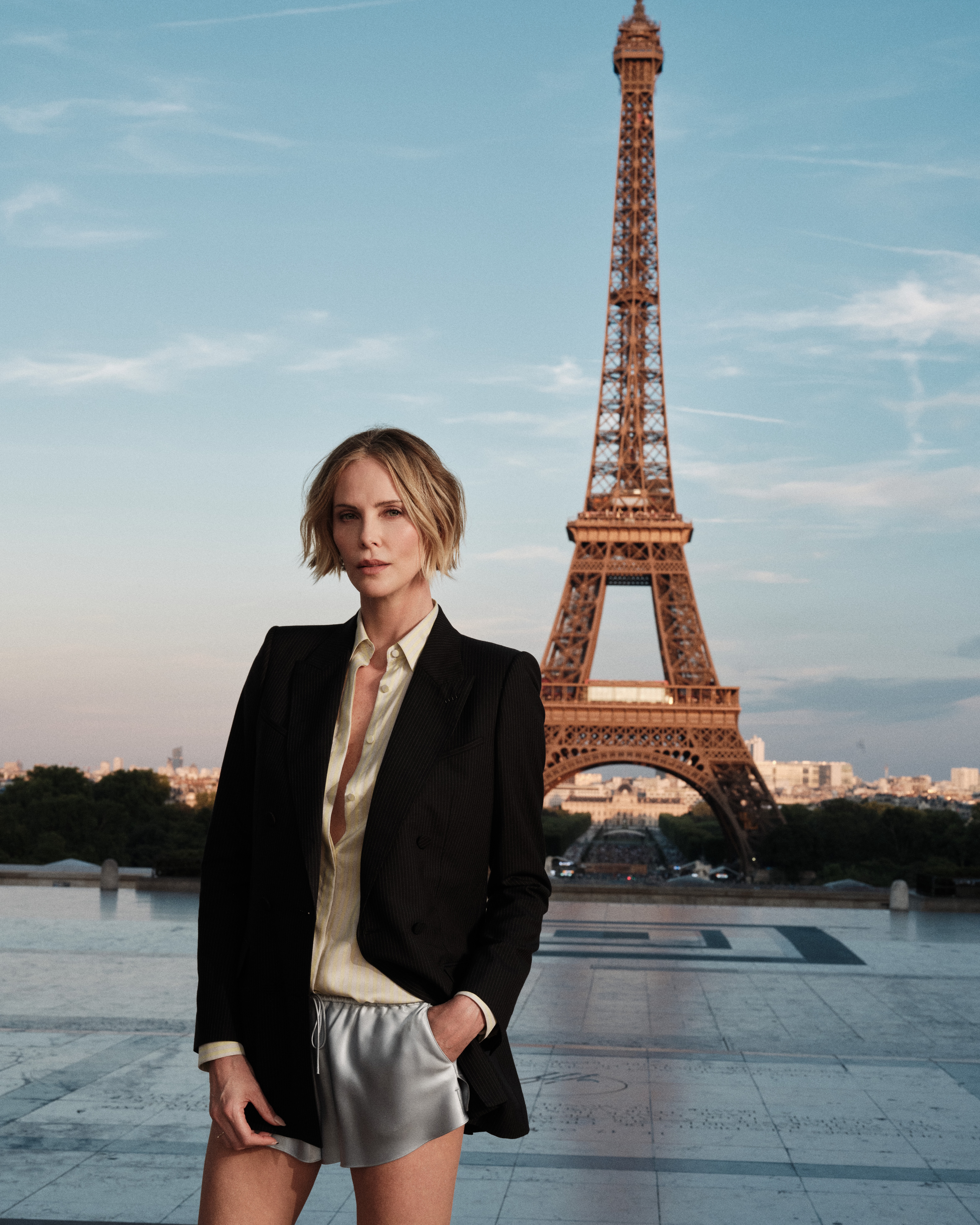
Talk to me about the look that she wore for the Paris photo-call in front of the Eiffel Tower?
This is where haircuts are incredibly important and investing in your haircut because when you have weight, the thing that was really magic about that is that there was a lot of weight at the bottom, right?
It wasn't thin; it was about heavy. Almost think of it as taking kitchen scissors and cutting blunt, blunt, and so you have all of this weight.
If you have fine hair, it's incredible. Even if you have thick hair, this is incredible, right? Because it kind of creates all of that shelf right at the bottom.
The rest of it, I didn't create a lot of volume right at the top.
I actually just took my fingers, and I wrapped it around the hair, and I scrunched it, and then I used a diffuser.
I didn't use any curling irons. I didn't use any heat on it.
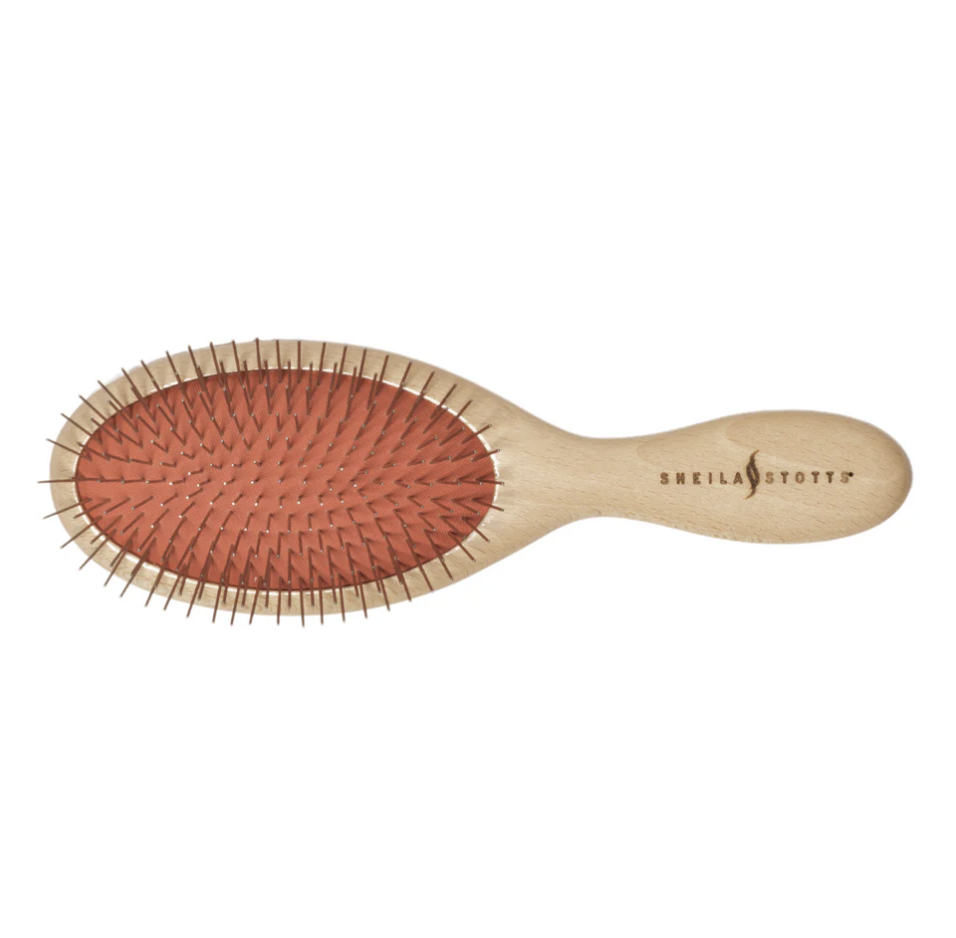
Can we do a quick lightning round? Most underrated product in your kit?
I really, really, really, really love my Sheila Stotts detangling brush.
Hair ritual that seems extra but will actually change your life?
Scalpcare is incredibly, incredibly important.
The idea back in the day that you could go six days without washing your hair: uh-uh.
There is microbiome. There is actual bacteria growing on your scalp. If you want healthier hair, it always starts at a scalp level.
So really, really take the time and really clean your scalp.
Actually, the lengths of your hair, most of the time, don't need a lot of washing.
Most of the time, we actually wash our hair and not our scalp.
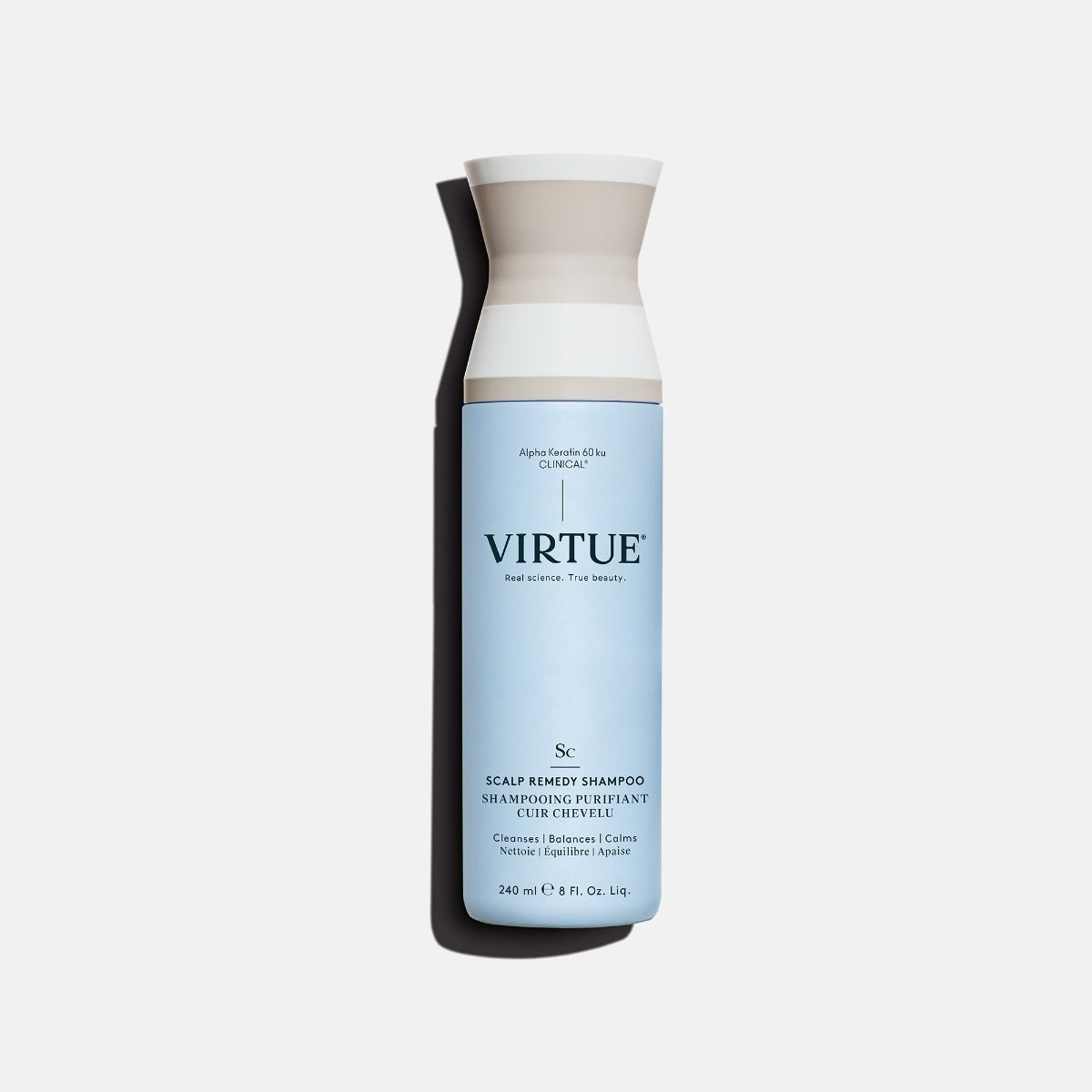
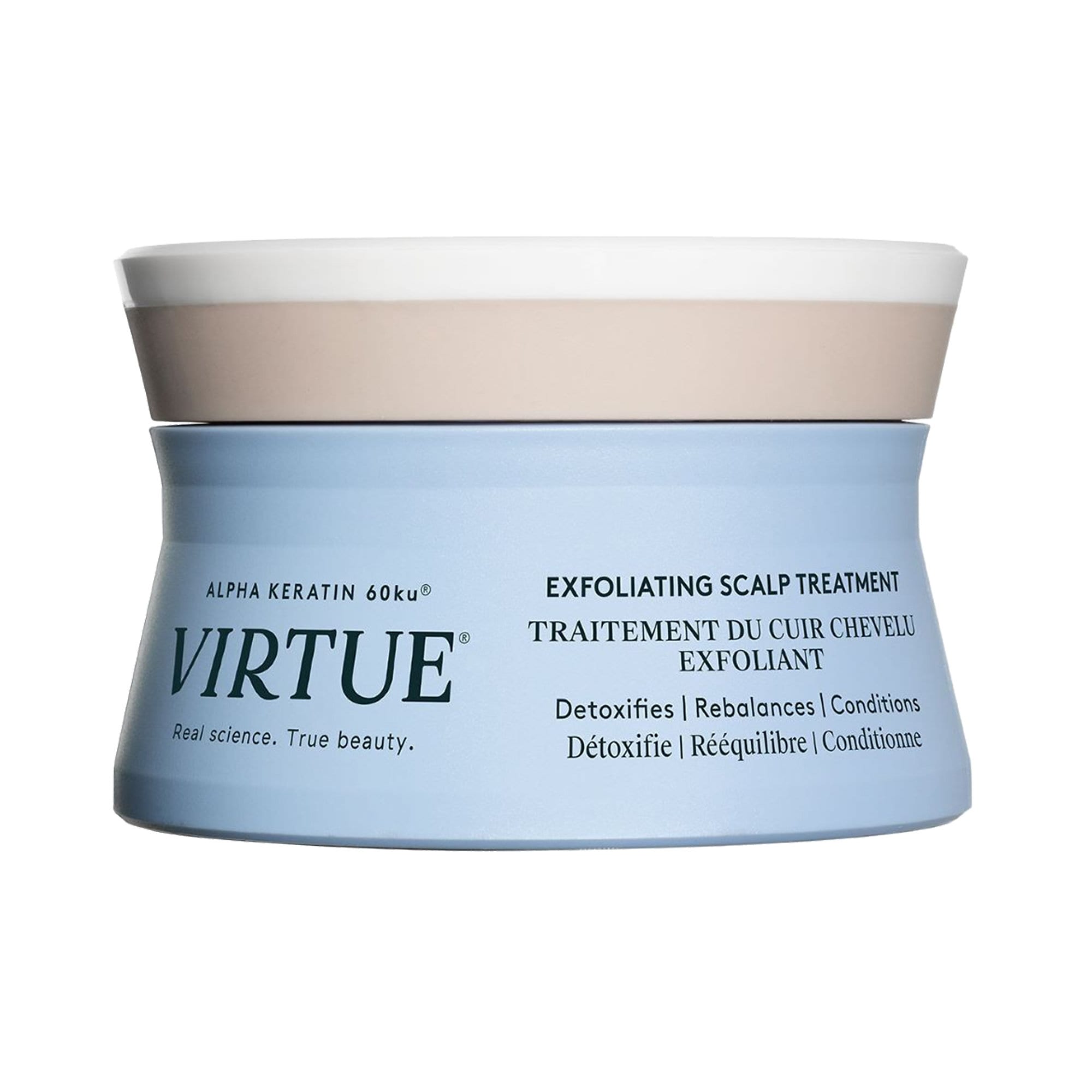
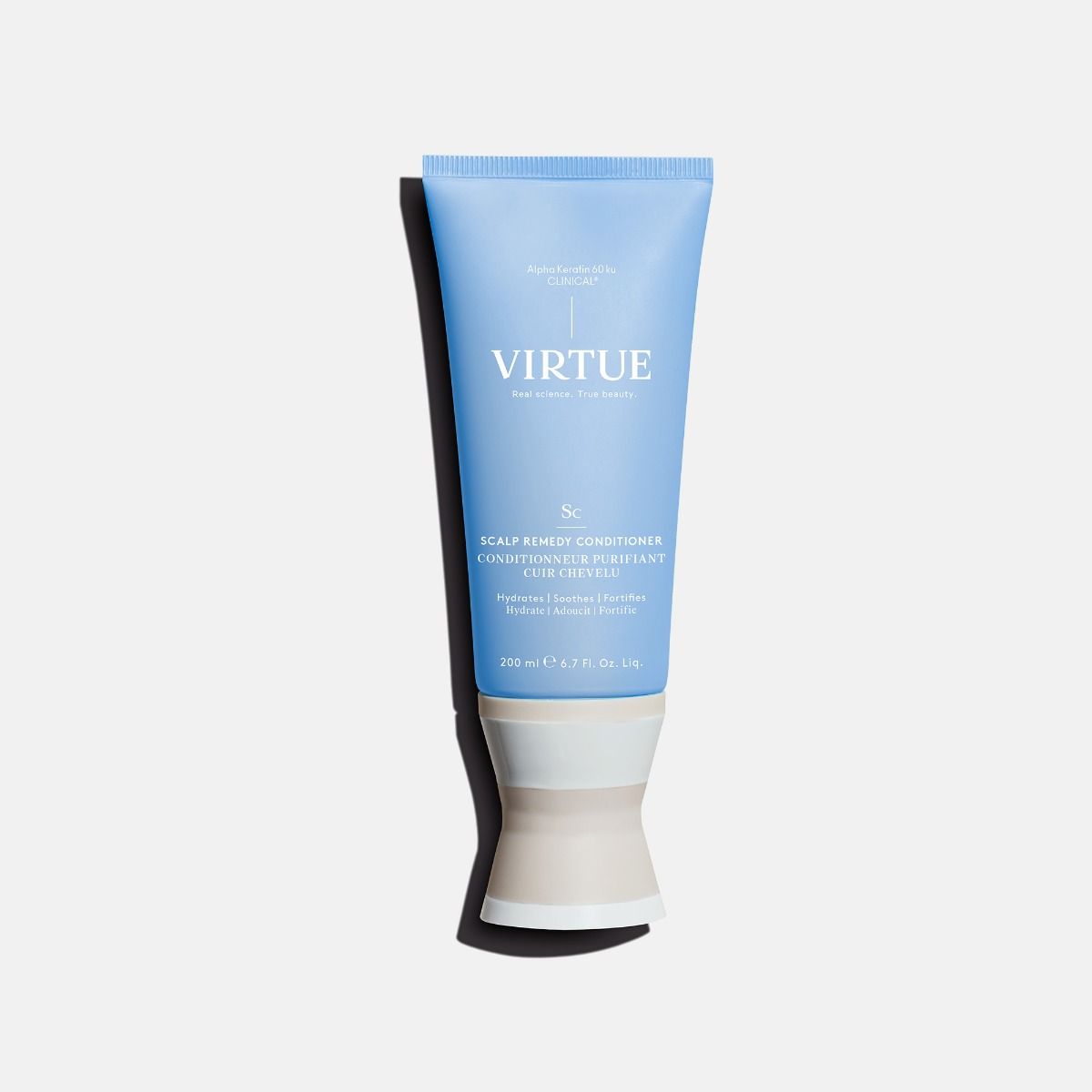
At Virtue, we have amazing scalp products that are really focused on that to really help your hair health from the ground up.
This interview has been edited and condensed for clarity.
Read on the original site
Open the publisher's page for the full experience