Cool, Modern & Balanced: The New Minimalist Pieces I'm Eyeing for Fall
Our take
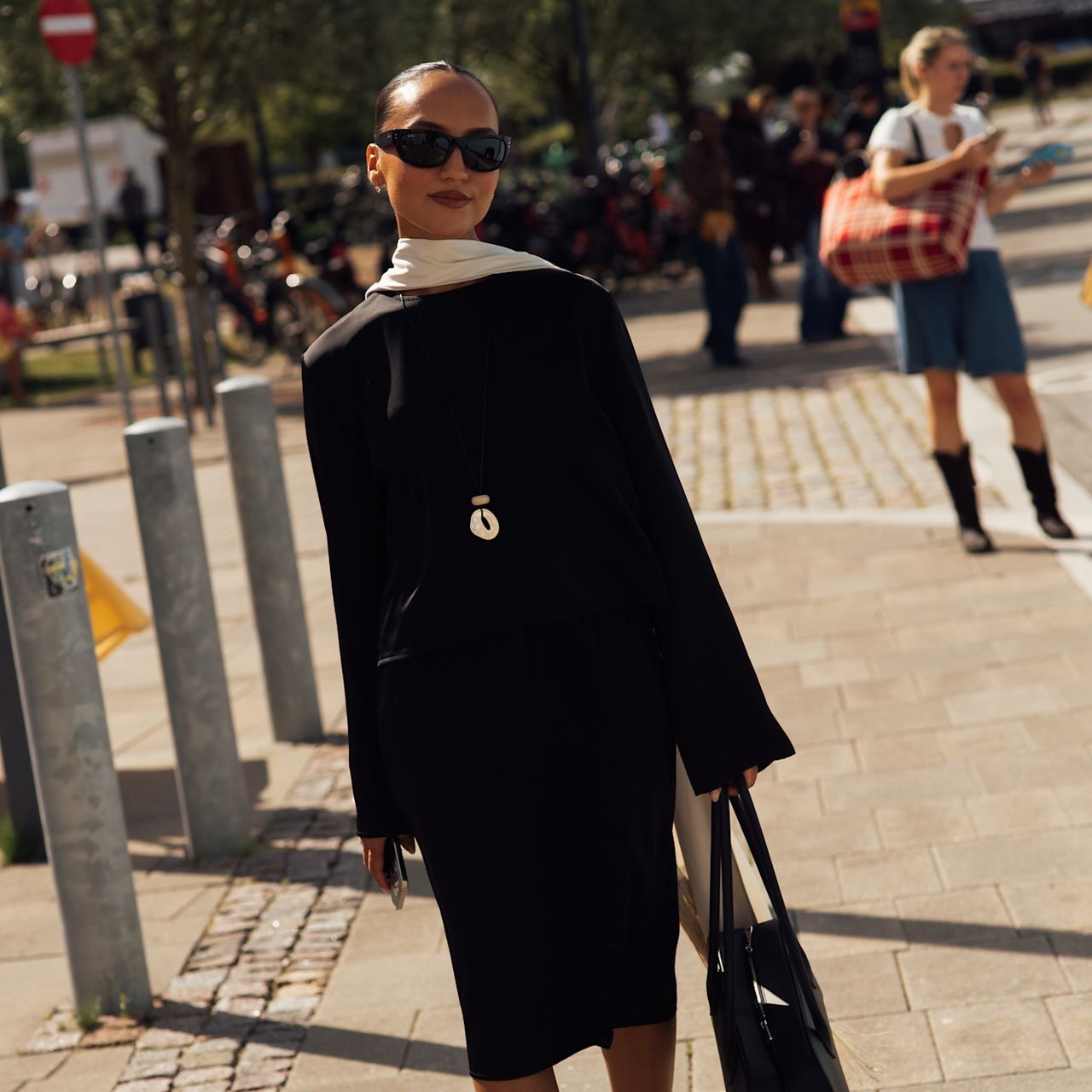
The cyclical nature of fashion is undeniable, and the resurgence of minimalism, as explored in "Cool, Modern & Balanced: The New Minimalist Pieces I'm Eyeing for Fall," feels particularly resonant in our current cultural climate. We’ve moved beyond the stark, almost austere minimalism of the 90s, a reaction against the maximalism of the preceding decades. That era, spearheaded by labels like Jil Sander and Calvin Klein, focused on a deliberate stripping away of embellishment and overt branding. Today’s iteration is more nuanced, incorporating a softer sensibility and a greater emphasis on quality and proportion. It’s a conscious shift away from the relentless churn of trends and a return to timelessness, something echoed in articles like [In Paris, Every French Woman's Autumn Wardrobe Includes These 5 Pieces] and [I'm Building a Minimalist, The Row-Coded Autumn Wardrobe for Less—These 9 Buys Made the Cut], both highlighting a quiet confidence rooted in essential, well-chosen pieces. This isn't about deprivation; it’s about intentionality.
The key difference lies in the understanding of luxury. The 90s minimalism often felt almost utilitarian, prioritizing functionality above all else. Now, the luxury resides in the craftsmanship, the drape of the fabric, the perfect fit. It’s a quiet luxury, as we often describe it, where the value isn't shouted through logos but whispered through impeccable design and enduring quality. The article’s focus on “nuanced proportions and clean lines” perfectly encapsulates this evolution. It’s about creating a wardrobe that feels both effortless and considered, pieces that work together to form a cohesive and elegant whole. This echoes a broader cultural trend toward mindful consumption and a rejection of fast fashion – a desire for fewer, better things that will last. The pursuit of looking “expensive,” as demonstrated in [I Want to Look Expensive This Autumn—These Reformation Cardigans Get My Stamp of Approval], isn't about displaying wealth but about projecting a sense of self-assuredness and refinement through carefully curated pieces.
The contemporary minimalist isn't necessarily rejecting color or texture entirely, but rather approaching them with a discerning eye. It’s about choosing a palette that feels calming and harmonious, and incorporating texture through natural fibers like cashmere, linen, and silk. The emphasis is on creating a visual landscape that is both soothing and sophisticated. This movement also aligns with a growing desire for authenticity and self-expression. In a world saturated with images and influences, minimalism offers a space for clarity and self-discovery. It’s about stripping away the excess and focusing on what truly matters – both in terms of personal style and overall lifestyle. The absence of visual noise allows the individual's personality to shine through, rather than being obscured by trends or fleeting fads.
Ultimately, the renewed interest in minimalism represents a rejection of the relentless pressure to constantly acquire and consume. It’s a move towards a more sustainable and intentional way of dressing, and living. As we move further into an era of conscious consumerism, the question becomes: how can we continue to refine this approach, ensuring that it remains accessible and inclusive, rather than becoming another exclusive luxury for a select few? Can the principles of mindful consumption be extended beyond fashion, influencing other areas of our lives and contributing to a more sustainable and equitable future?
Fashion has come a long way from the pure definition of minimalism from yesteryear. The 1990s yearned to be the antithesis of previous decades, with Jil Sander, Helmut Lang, and Calvin Klein leading the pared-back charge. Minimalist fashion continued its simplistic takeover well into the 2000s, directly challenging and counteracting the Y2K kitsch of the early aughts—who wasn’t getting tired of the bejeweled, low-rise domination by then?
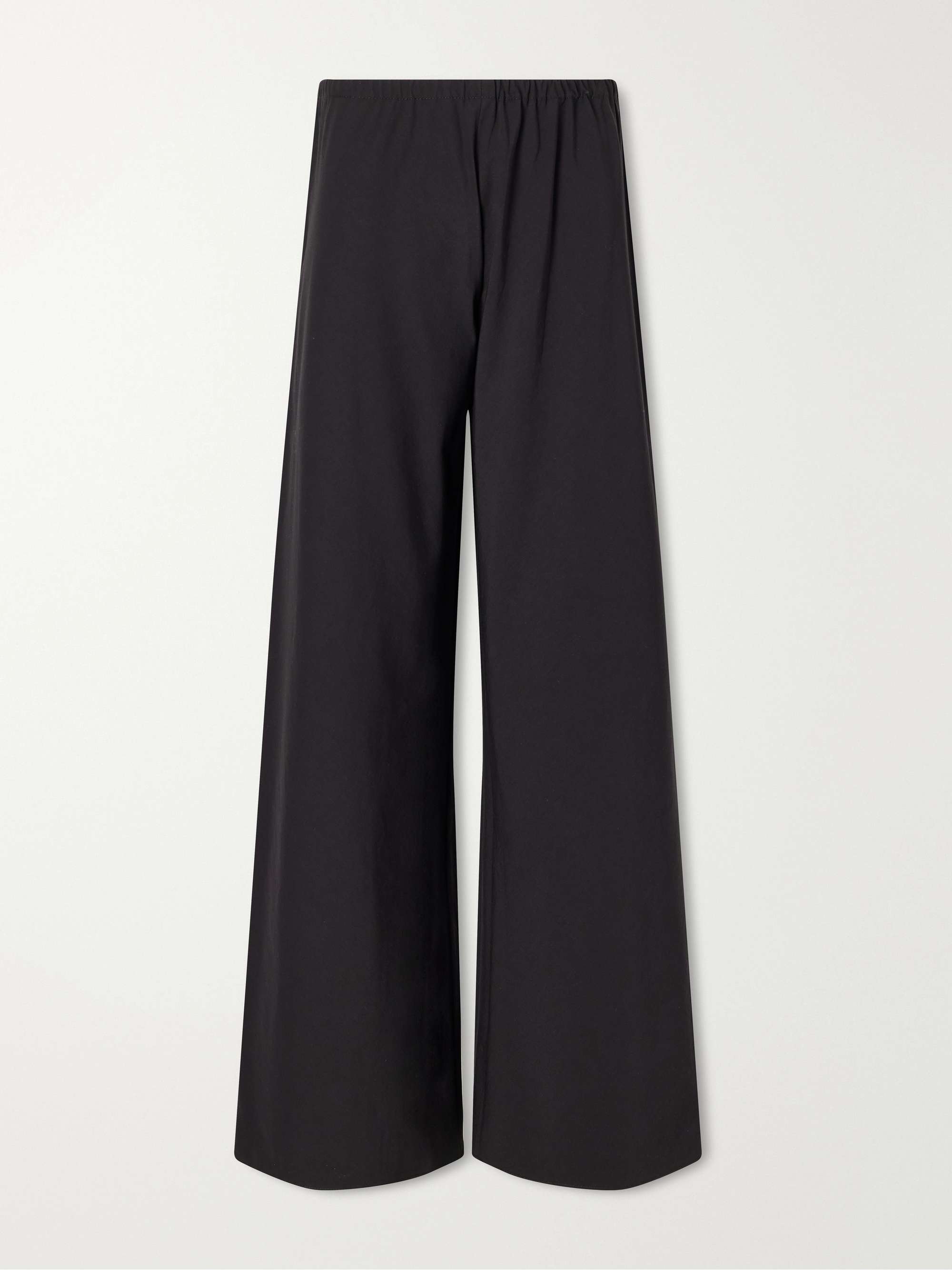
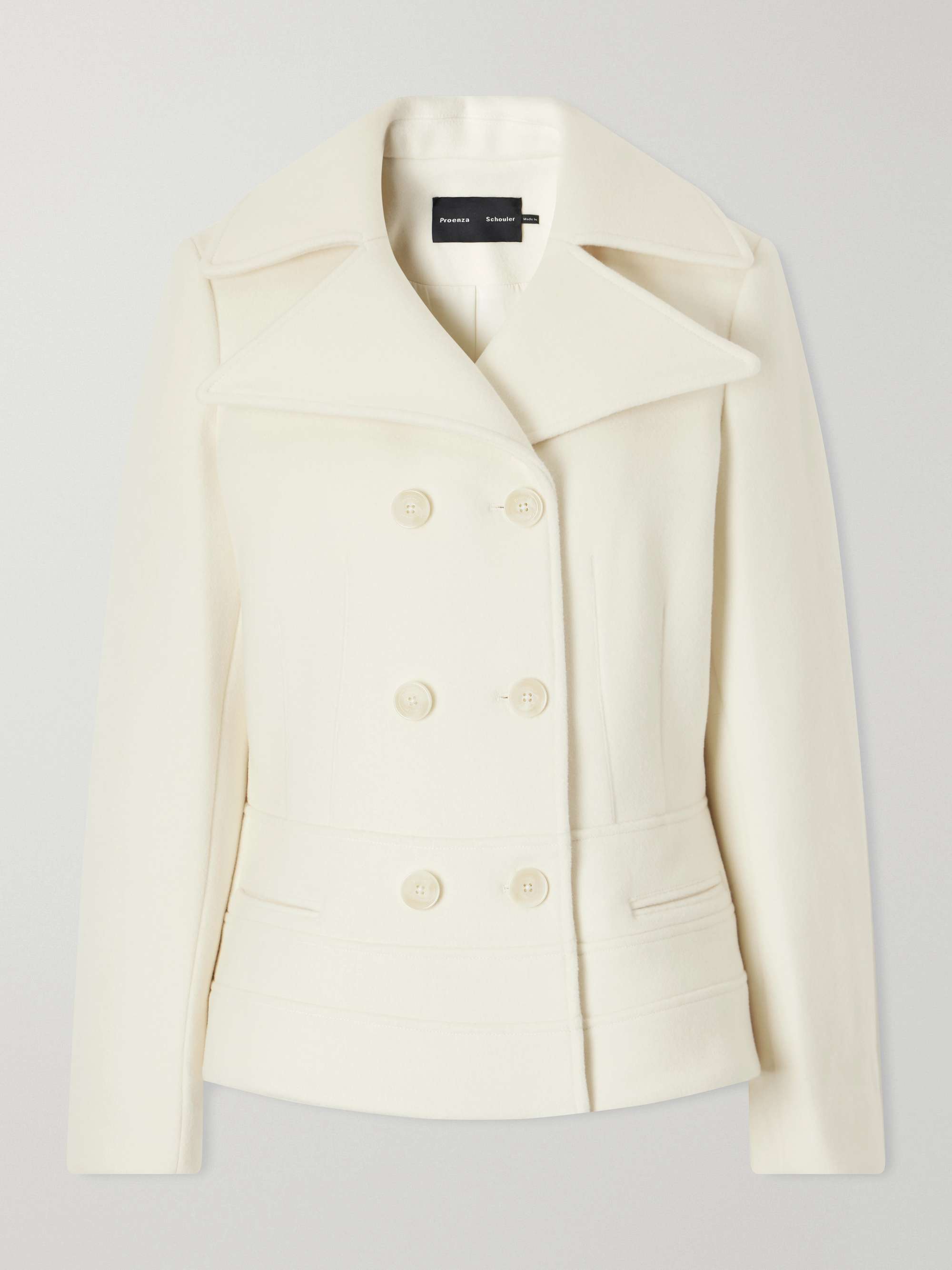
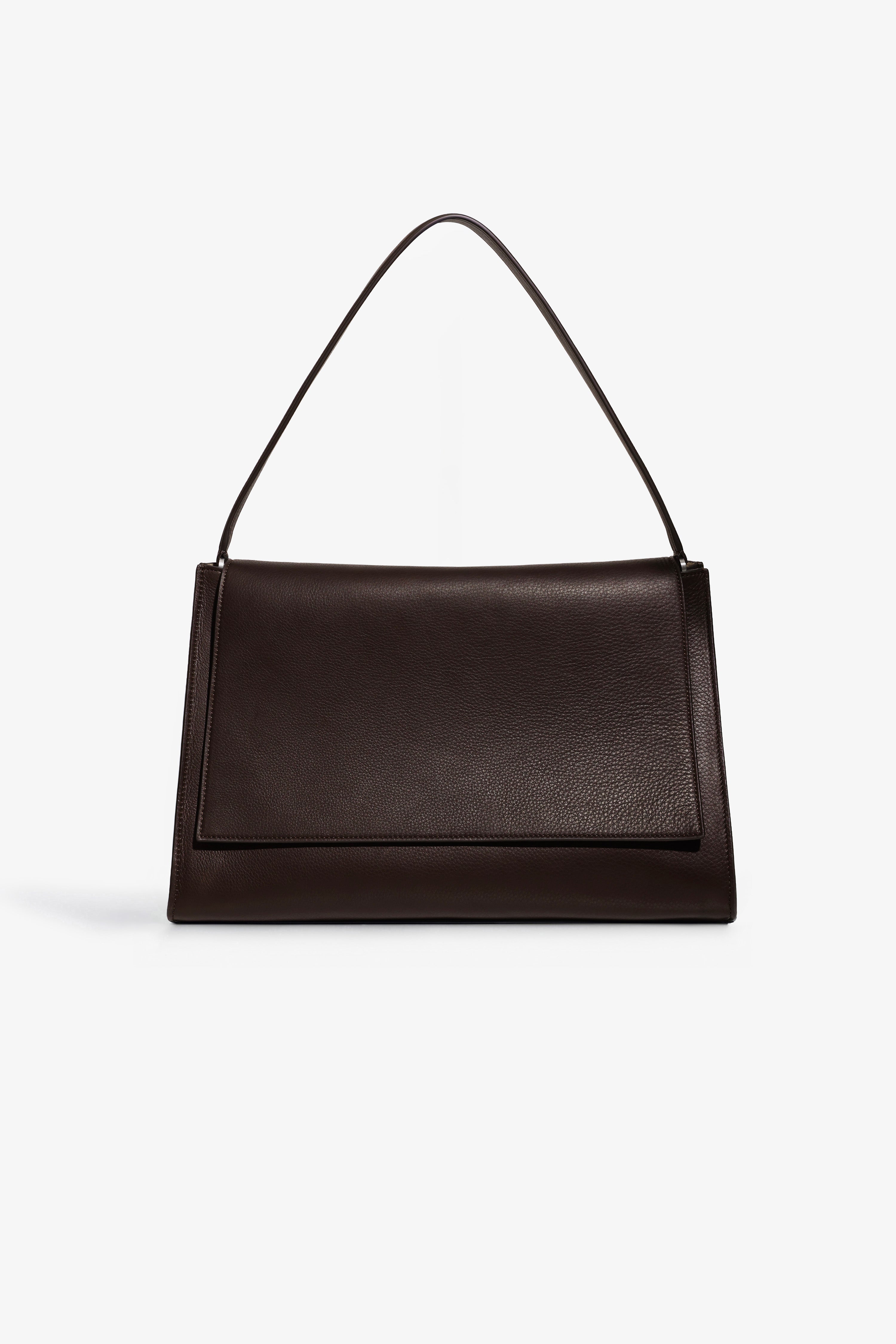
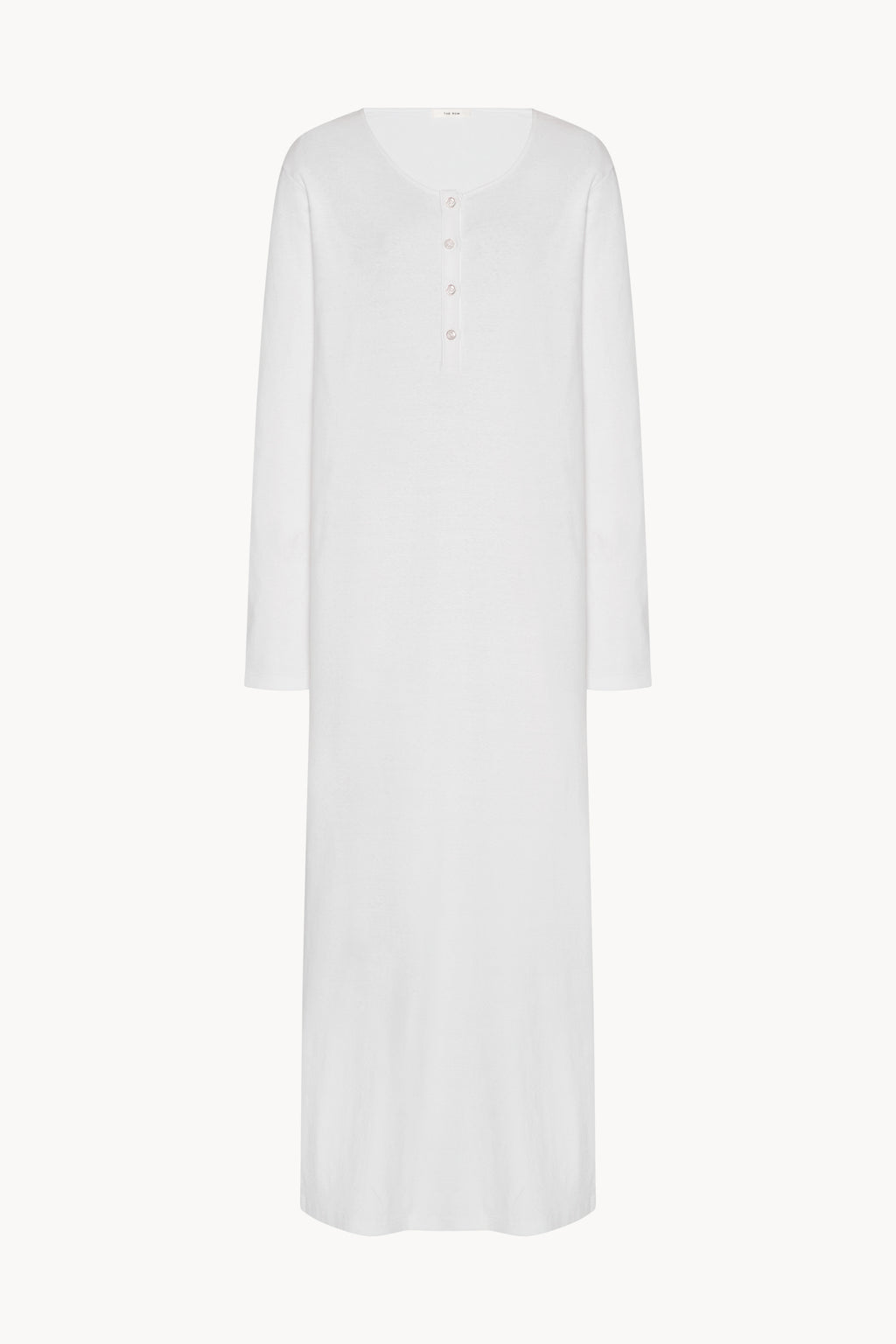
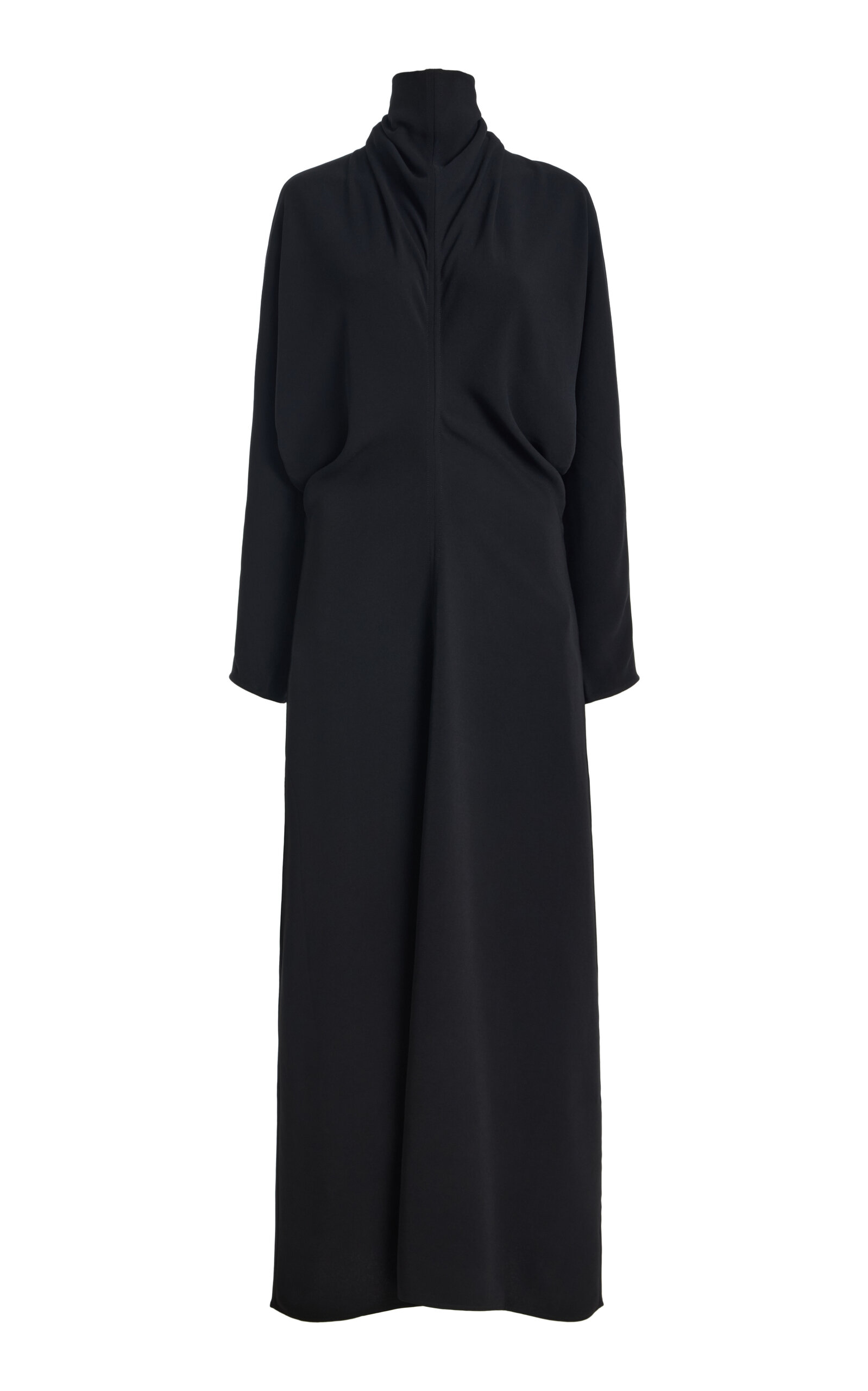
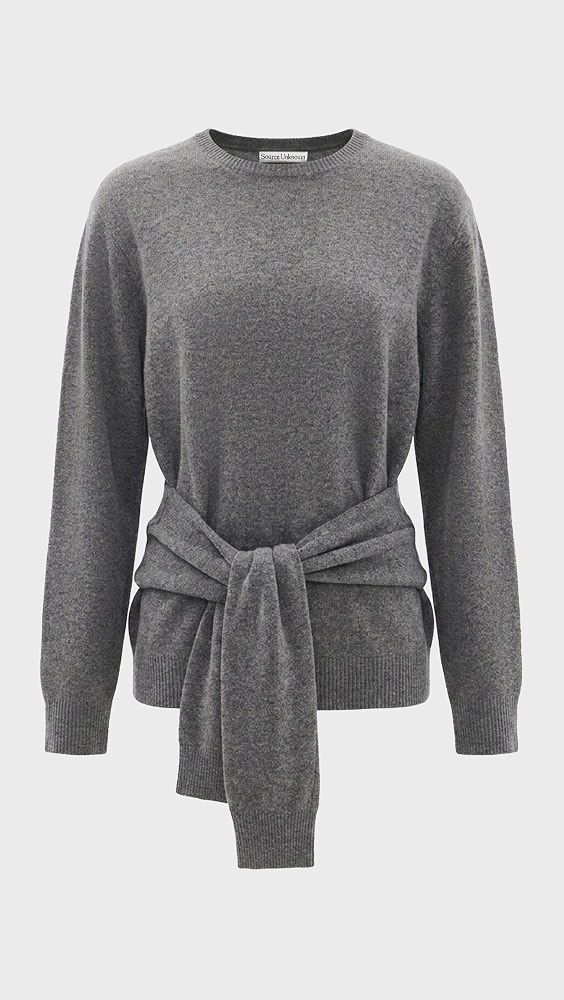
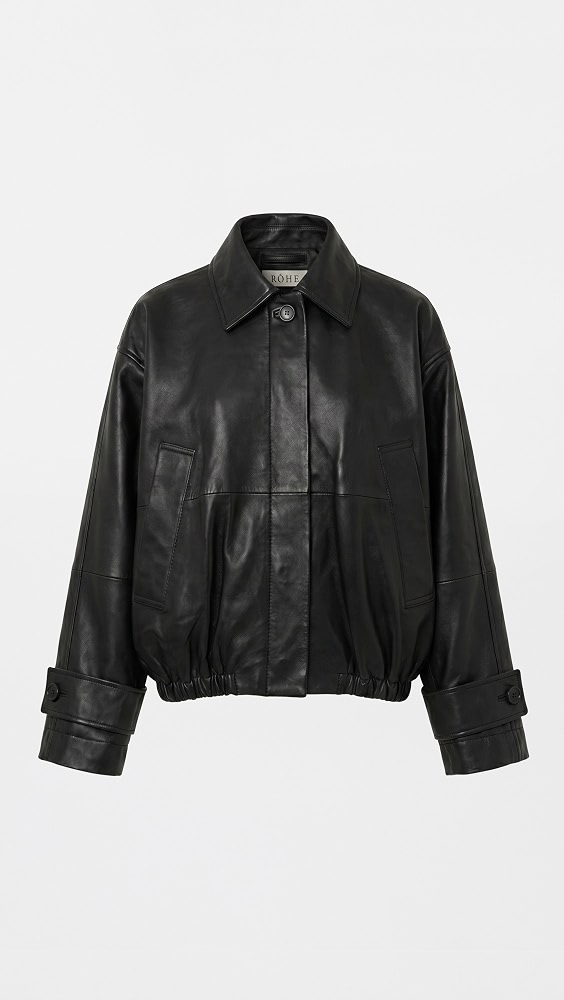
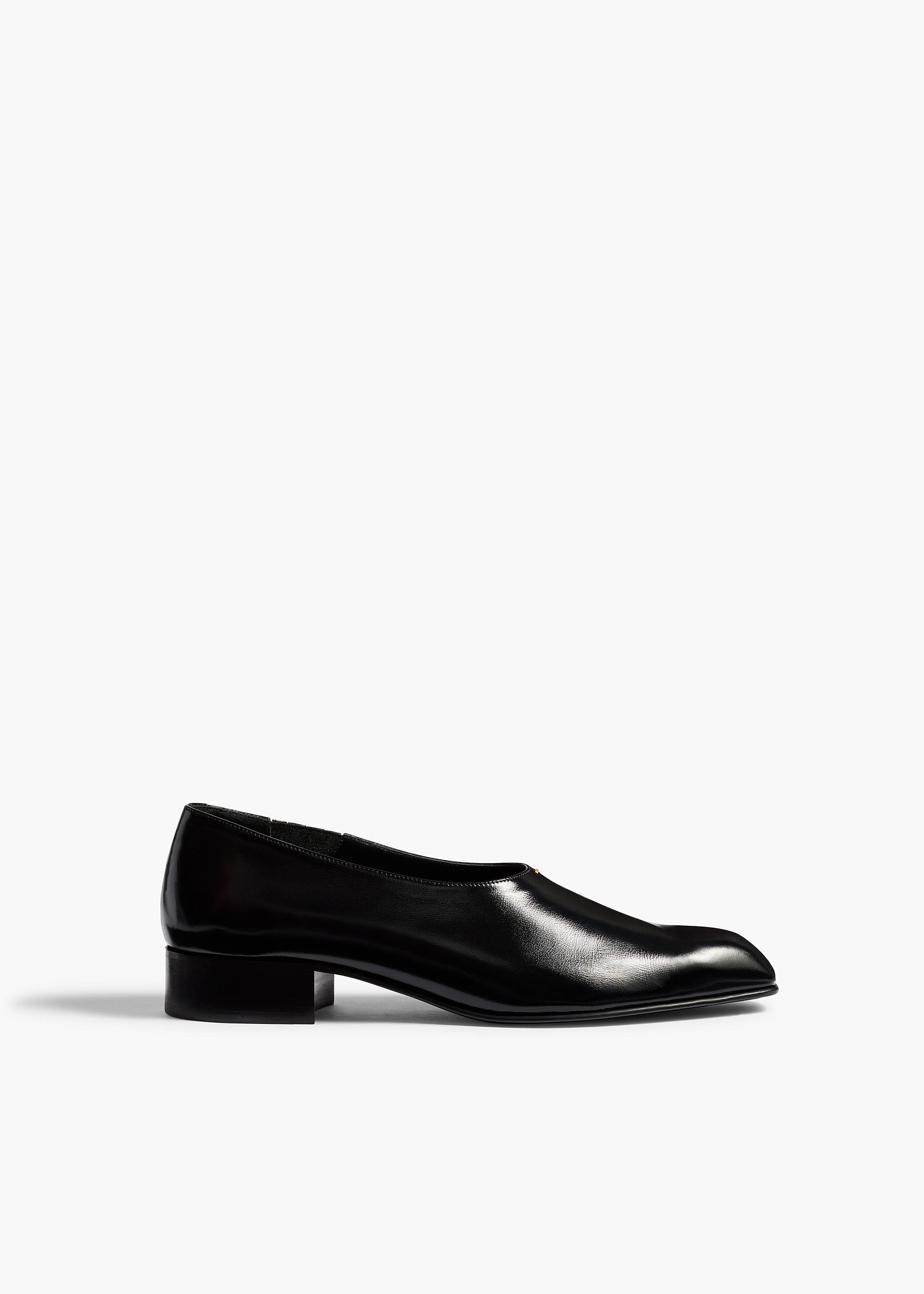
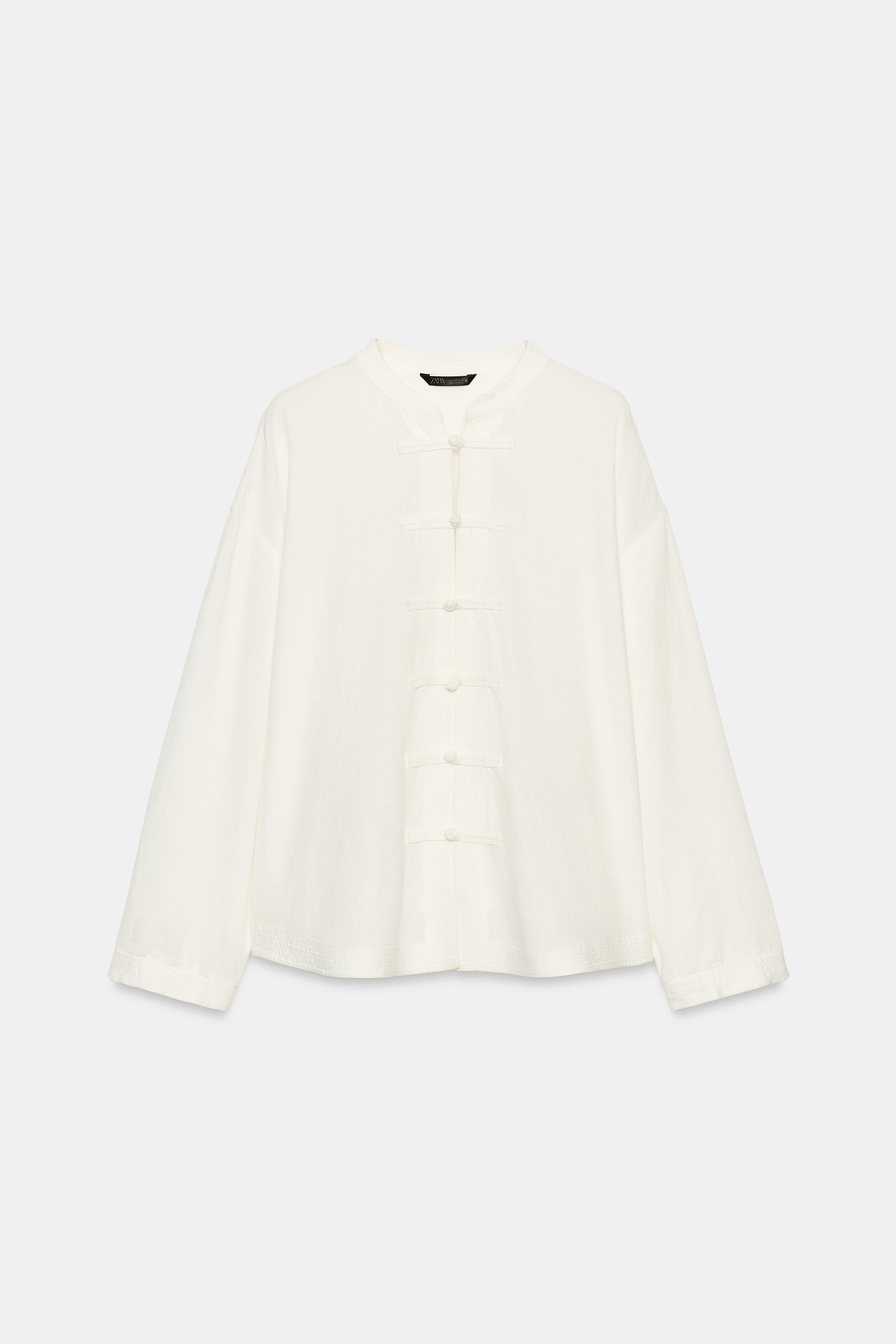
Since then, we’ve come to know brands like The Row at the higher end and Everlane on the high street as wardrobe brands not looking to make waves but to keep the current stable. But minimalism isn’t as streamlined and austere as it once was. The new austerity leaves room for personality—spare silhouettes offset by tactile fabrics, eccentric accessories, unexpected proportions, or a single idiosyncratic detail that keeps simplicity from slipping into—well—the land of the boring.
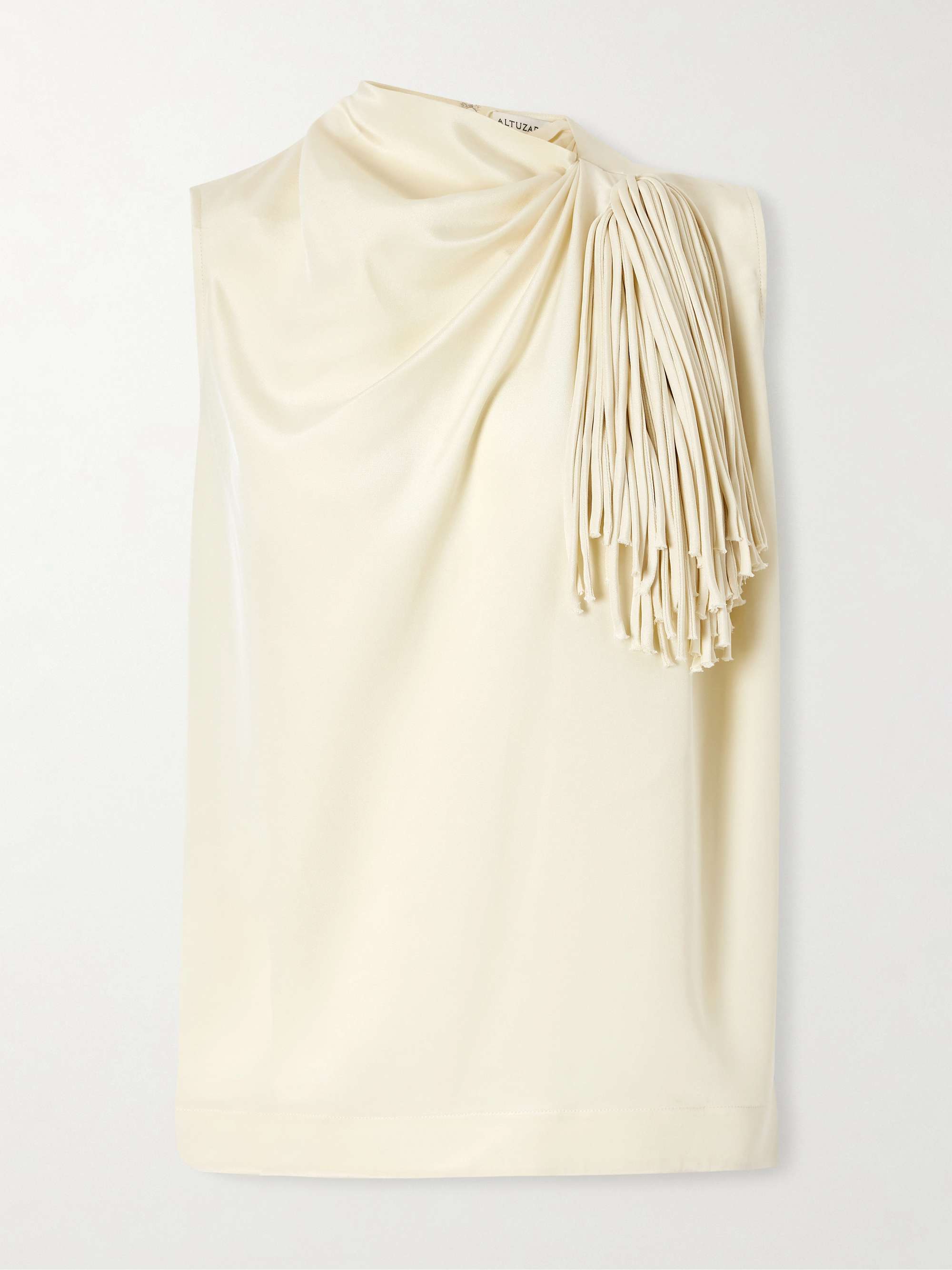
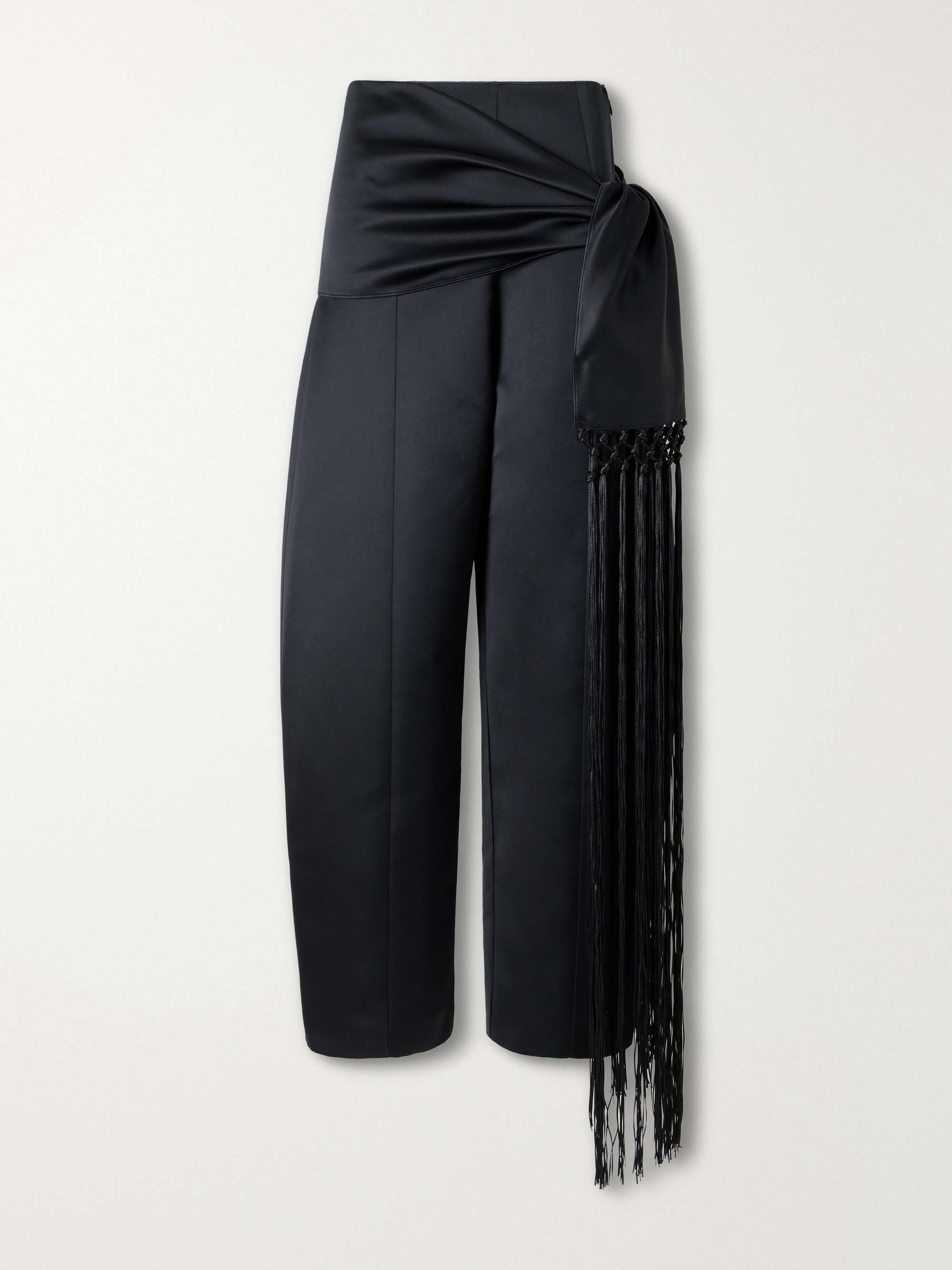
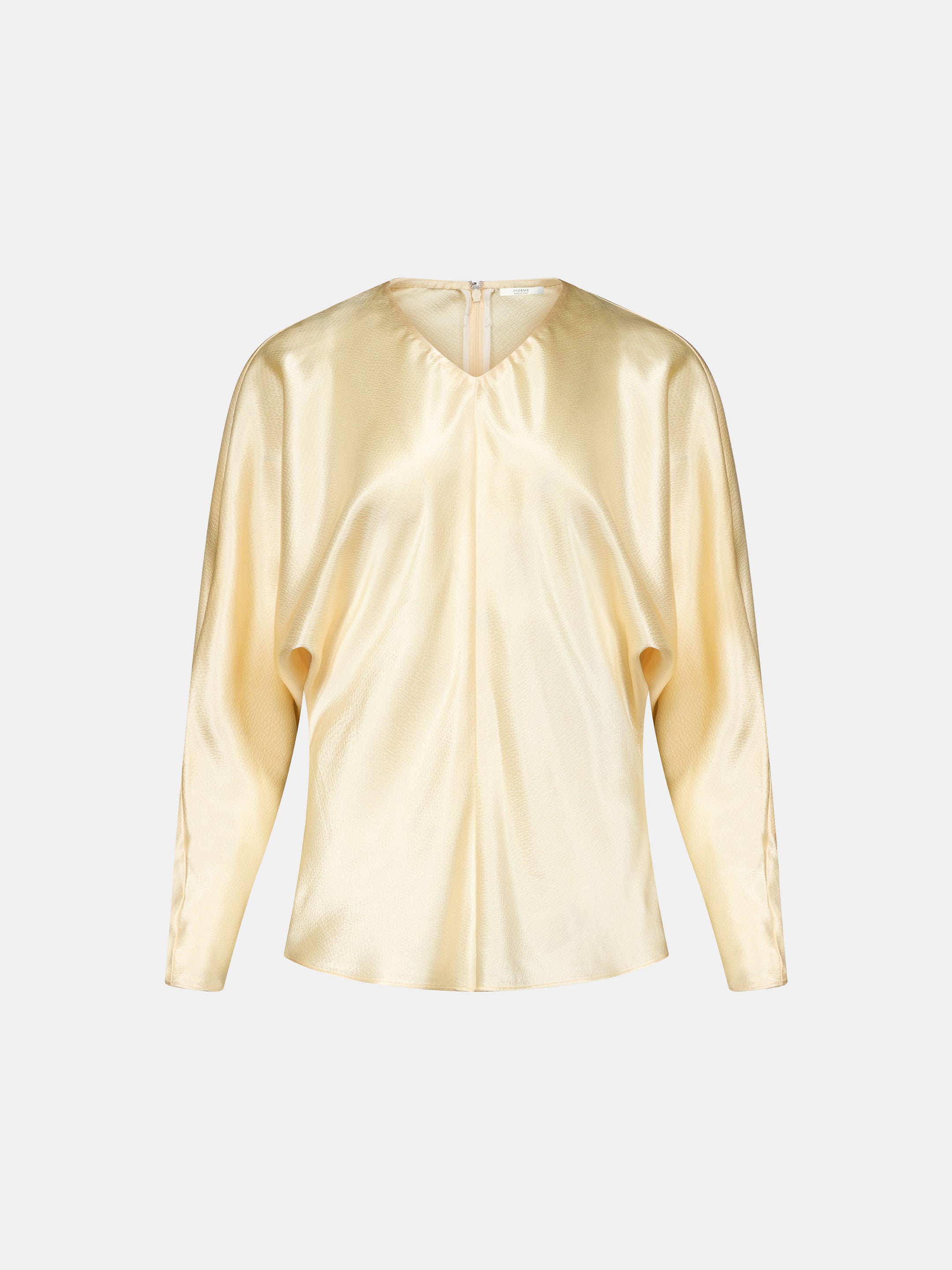
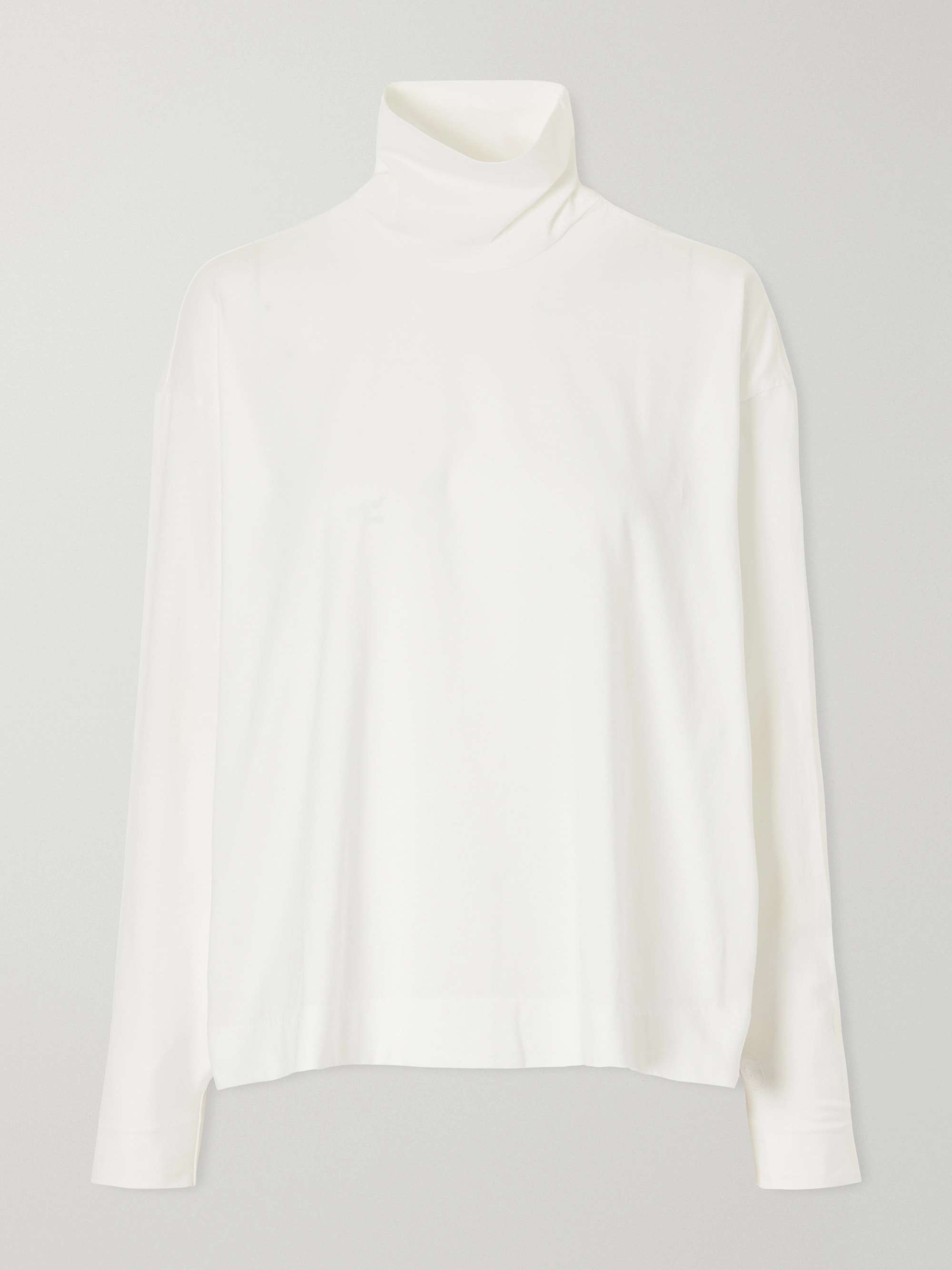
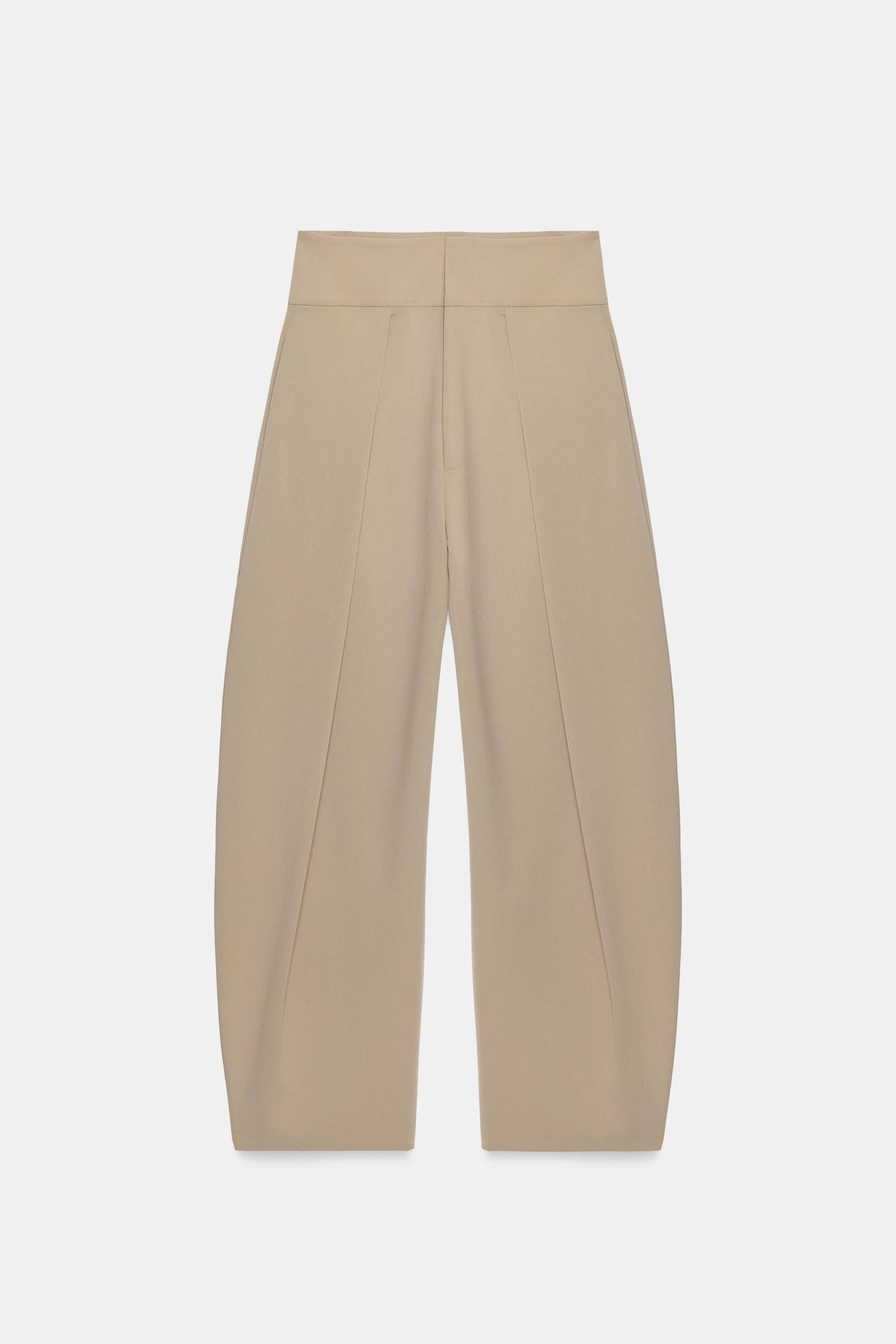
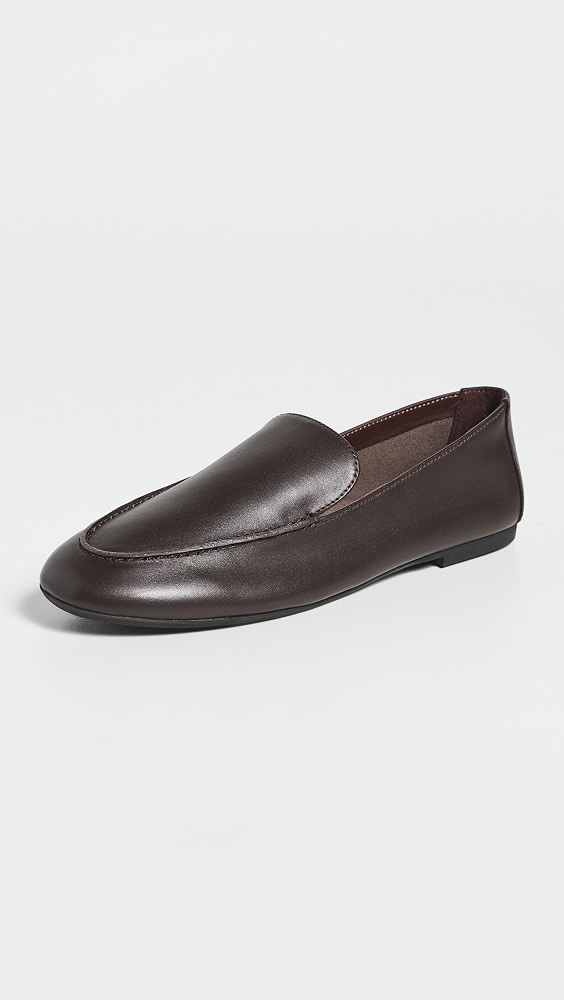
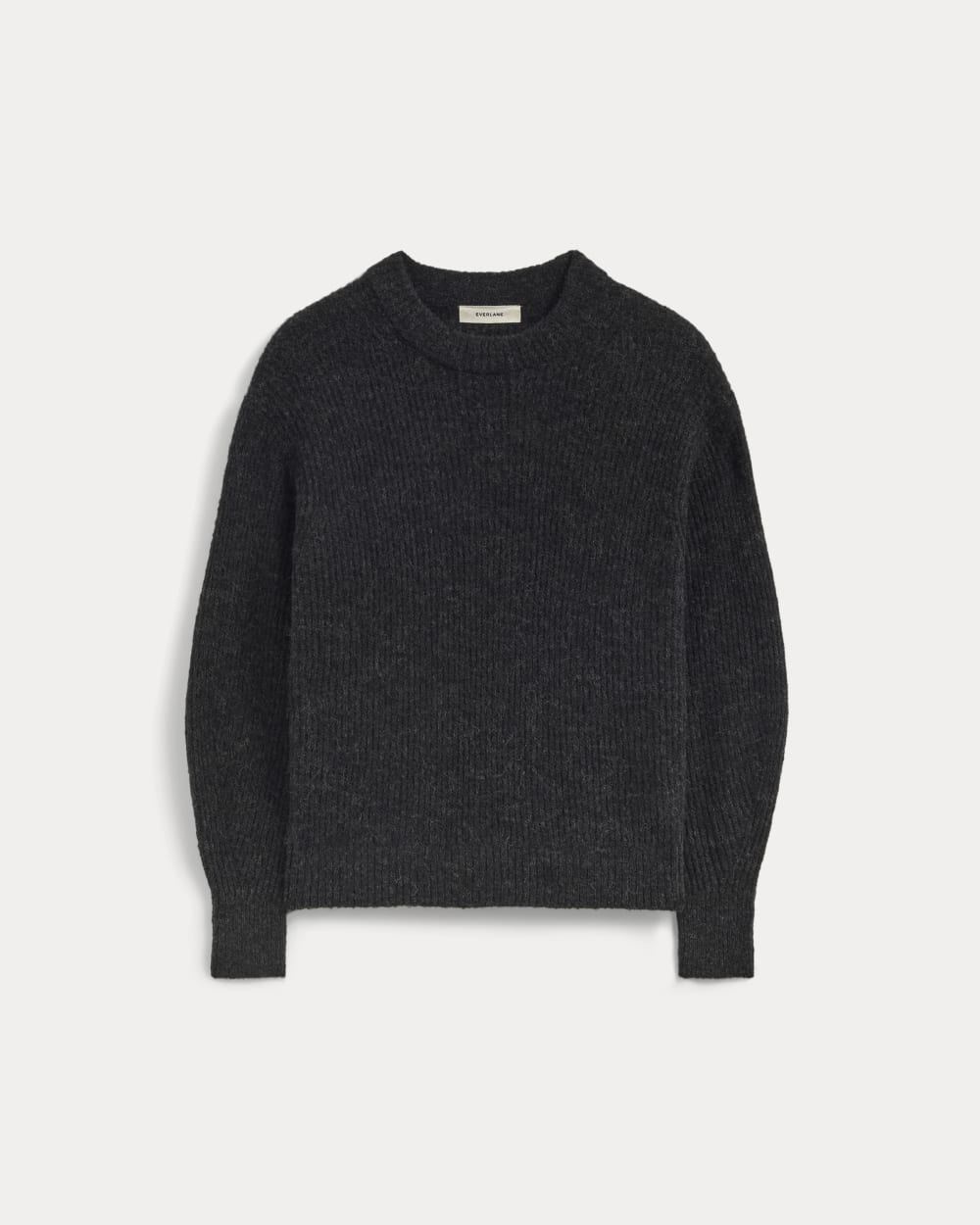
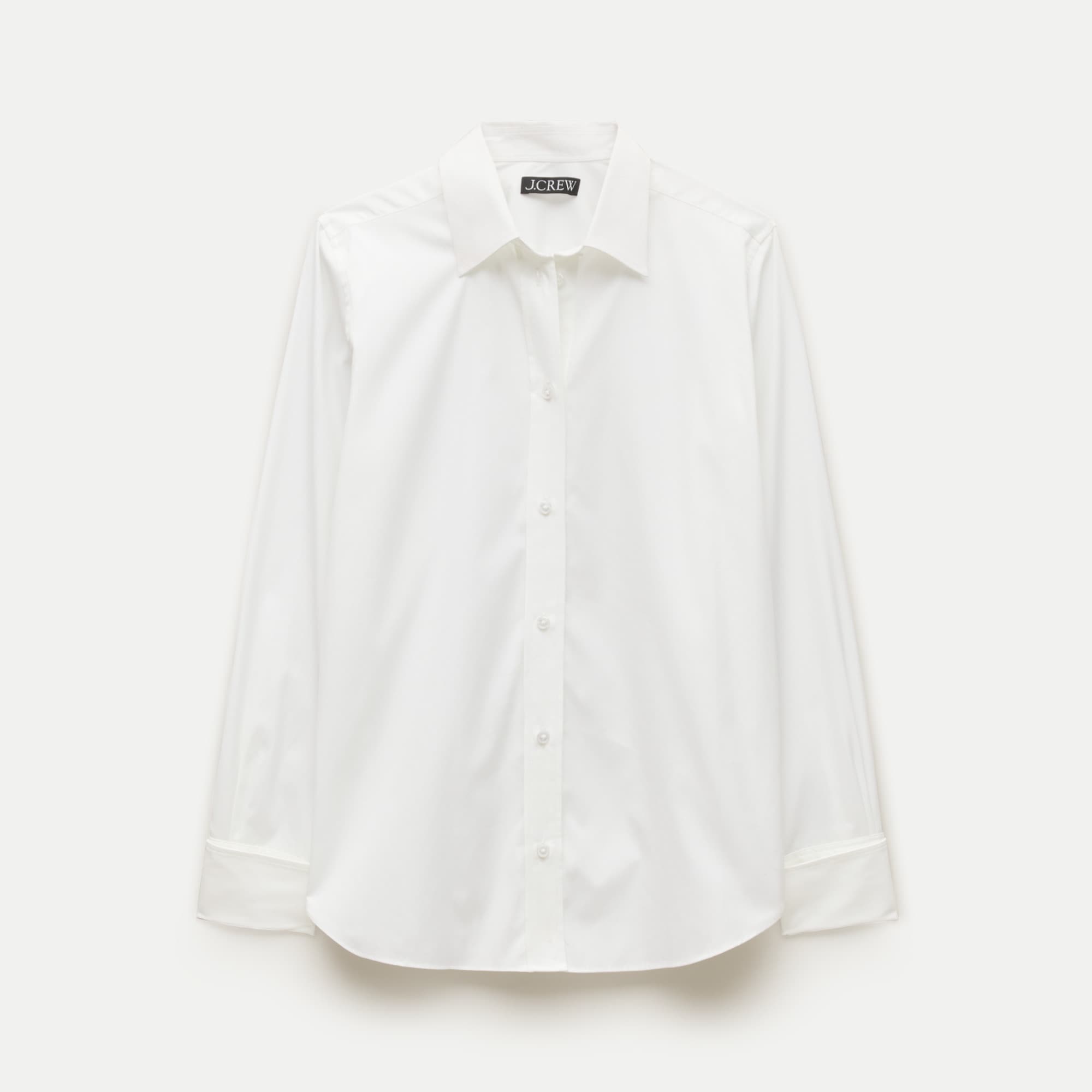
There are fringe-trimmed silk tops that, at their core, are a simple blouse. Fforme has mastered the art of considered restraint that still makes a statement; just take a look at the Gemma hammered satin blouse, cast in cream. Even Toteme has refocused its core pieces into a more deliberate, detailed collection—like the scarf dress. And of course, all of these pieces can be worn with the simplest of elevated basics—like Everlane’s black crewneck sweater, Ruadh’s cotton turtleneck, and Madewell’s coveted Dolli loafer, in chocolate brown.
Ultimately, these are the minimalist pre-fall pieces I love because they make restraint feel expressive—quiet in composition, but never devoid of character.
Read on the original site
Open the publisher's page for the full experience