Copenhagen Fashion Week Spring/Summer 2027 Was An Ode To Playfully Wearable Style
Our take
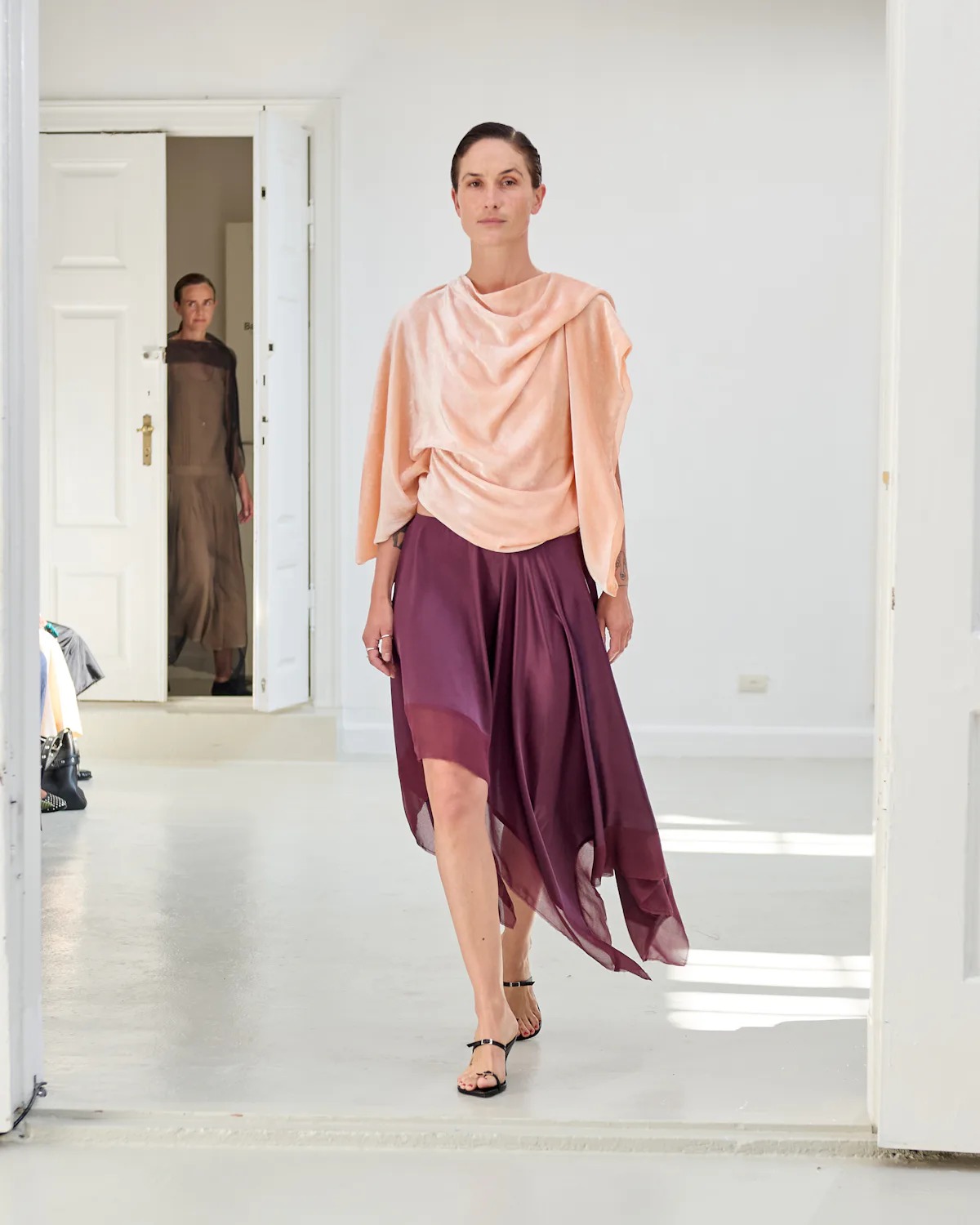
The shift happening in Copenhagen Fashion Week, as evidenced by the Spring/Summer 2027 showcase, feels less like a fleeting trend and more like a recalibration of Scandinavian style. For years, the Ganni aesthetic – think vibrant hues and unapologetically bold prints – dominated the scene, influencing wardrobes globally. However, the recent celebration of a more “staid minimalism” suggests a broader cultural desire for quietude and enduring elegance. This isn't to say playful expression is gone entirely, but it's being tempered by a renewed appreciation for understated silhouettes and a focus on quality over fleeting trends. We’ve seen this reflected in broader fashion conversations, too, like the surprising embrace of elevated basics exemplified by Hailey Bieber's choice of black flip-flops, Hailey Bieber's Favorite Summer Shoe Tackles A Controversial Trend, and her continued devotion to a luxury footwear brand, Hailey Bieber's New Favorite Flip-Flops Are $200—and From a Taylor Swift-Approved Brand. Even the unexpected styling choice of Olivia Rodrigo, opting for boots with a slip dress rather than traditional sandals, Not Sandals—Olivia Rodrigo Styled Her Slip Dress With Boots Instead, further points to a desire for considered, intentional pairings over purely seasonal adherence.
This move away from the maximalist Ganni era isn’t a rejection of fun or personality, but rather a refinement. It's about building a wardrobe anchored in timeless pieces, allowing individual style to shine through in subtle details and considered accessorizing. Copenhagen’s evolution reflects a broader societal shift – a growing weariness of hyper-consumerism and a desire for pieces that feel both luxurious and enduring. The emphasis on “wearable style” suggests a practicality that transcends seasonal whims, a focus on garments that seamlessly integrate into a life lived with intention. The fact that this shift is occurring amidst the city’s 20th-anniversary celebration underscores its significance—it's not a momentary blip, but a considered evolution of a style that has significantly shaped the global fashion landscape. This echoes the quiet luxury movement, a sensibility that prioritizes craftsmanship, quality materials, and understated design over overt branding and ostentatious displays of wealth.
The implications for the broader fashion industry are considerable. Brands that have built their identities on fleeting trends may need to adapt, focusing on developing versatile, high-quality pieces that resonate with a consumer base increasingly seeking longevity and sustainability. The Copenhagen showcase serves as a powerful signal that the pendulum is swinging away from disposable fashion and towards a more considered approach. The success of this shift will depend on brands’ ability to deliver on the promise of understated elegance without sacrificing creativity or personality. It’s a delicate balance, requiring a deep understanding of the modern consumer's desires and a commitment to ethical and sustainable practices. The muted color palettes and streamlined silhouettes aren’t about a lack of creativity; they’re about a different kind of creativity – one that prioritizes form, function, and a sense of quiet confidence.
Looking ahead, it will be fascinating to observe how this “staid minimalism” continues to evolve. Will it remain a dominant force, or will we see a gradual return to bolder expressions of style? More importantly, how will brands successfully navigate this shifting landscape, balancing the desire for timelessness with the need for innovation and excitement? The answer likely lies in a nuanced approach—a willingness to experiment within a framework of enduring principles, creating pieces that are both beautiful and meaningful, reflecting a deeper connection to self and to the world around us.
This year marks the 20th anniversary of Copenhagen Fashion Week. In August, much of Europe is out on vacation, yet the city stays alight with events celebrating the brands that have defined not only Scandinavian style, but the trend cycle as a whole. Although the city may have been once dominated by the Ganni aesthetic, defined by bright colors and bold prints, a staid minimalism has taken root as a signature alternative.
In part, what sets Copenhagen’s runways apart is that they’re rooted squarely in real life. Around the city, women commute to work via bicycle, dressed in trousers, tees, and their signature Havaianas sandals. On the runways, like in the street style outside the shows, that practicality is reflected in clothes that are delightfully wearable. Trends throughout the week included monochromatic dressing, sheer layering, and day-to-drinks tops.
The city’s defining labels like The Garment, MKDT, and Skall Studio have helped to establish (and push) the boundaries of Scandinavian style. But, the week also included a few guest designers from abroad, including Milan-based Institution, who showed one of the strongest collections of the week, and New York’s Collina Strada.
While Copenhagen doesn’t attract as many celebrities as Paris or New York, there was still a number of appearances, including Leslie Jones at Stine Goya, and model Erin Wasson, who walked the final show of the week, Caro Editions.
Here’s what to know about Copenhagen Fashion Week Spring/Summer 2027.
Institution
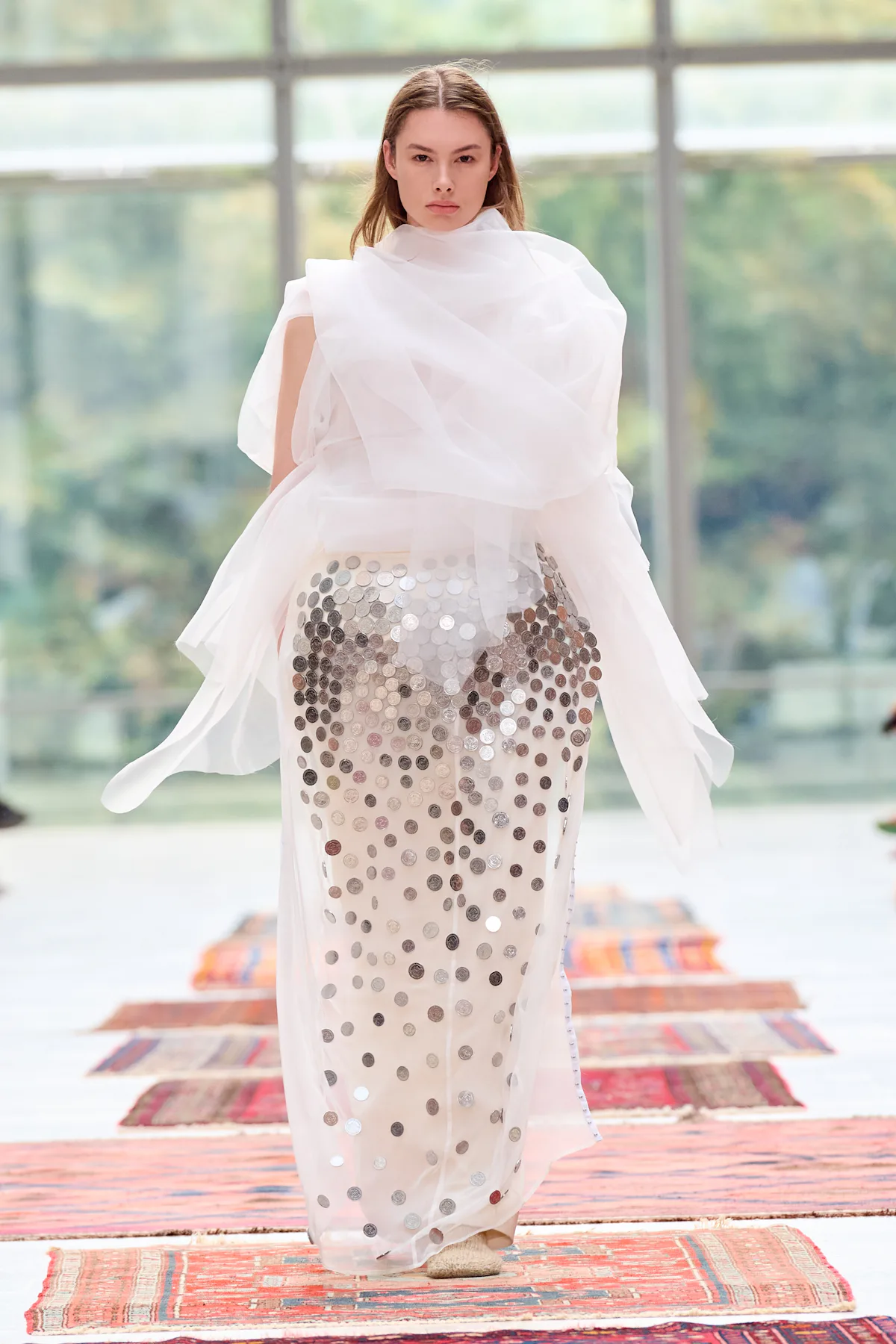
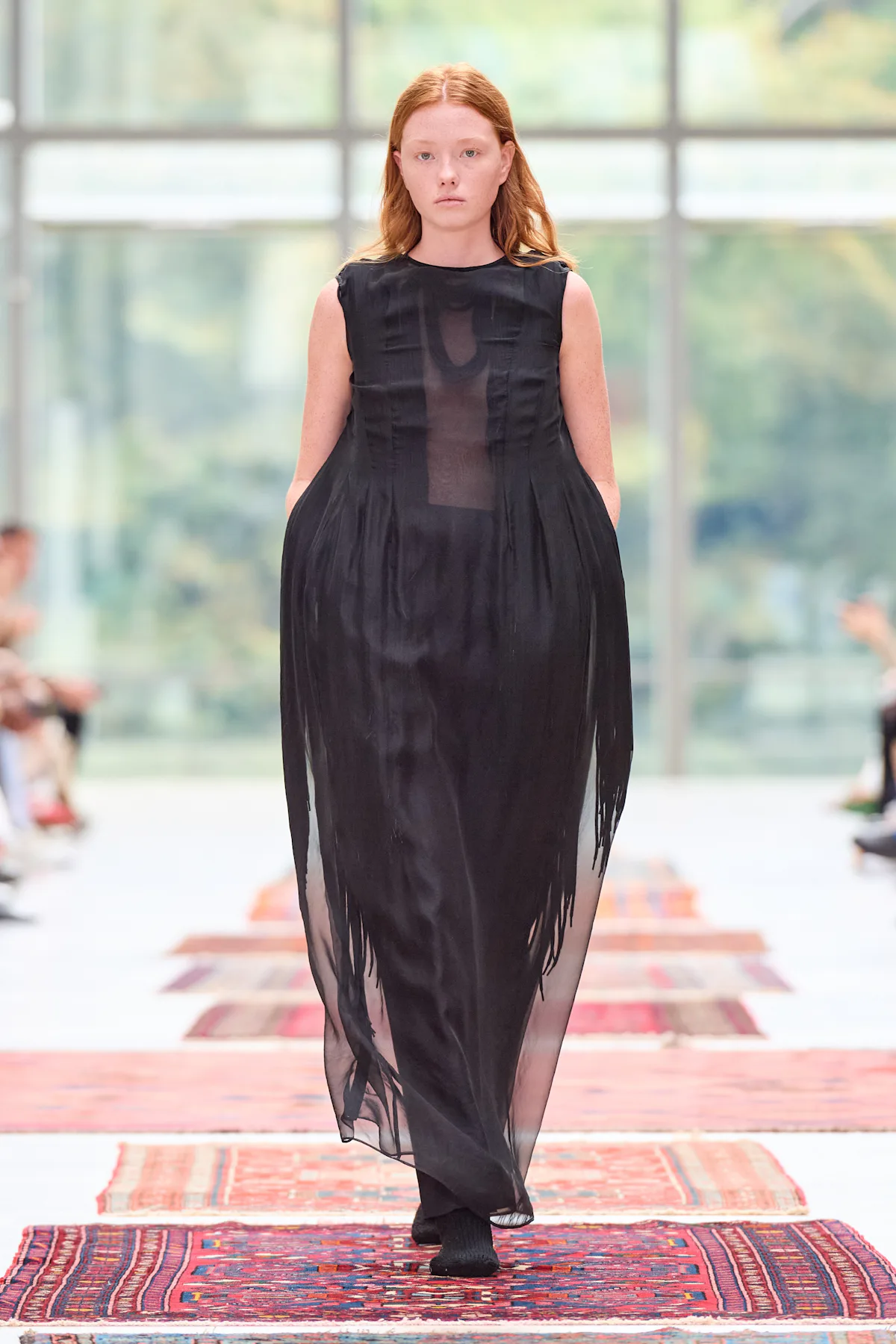
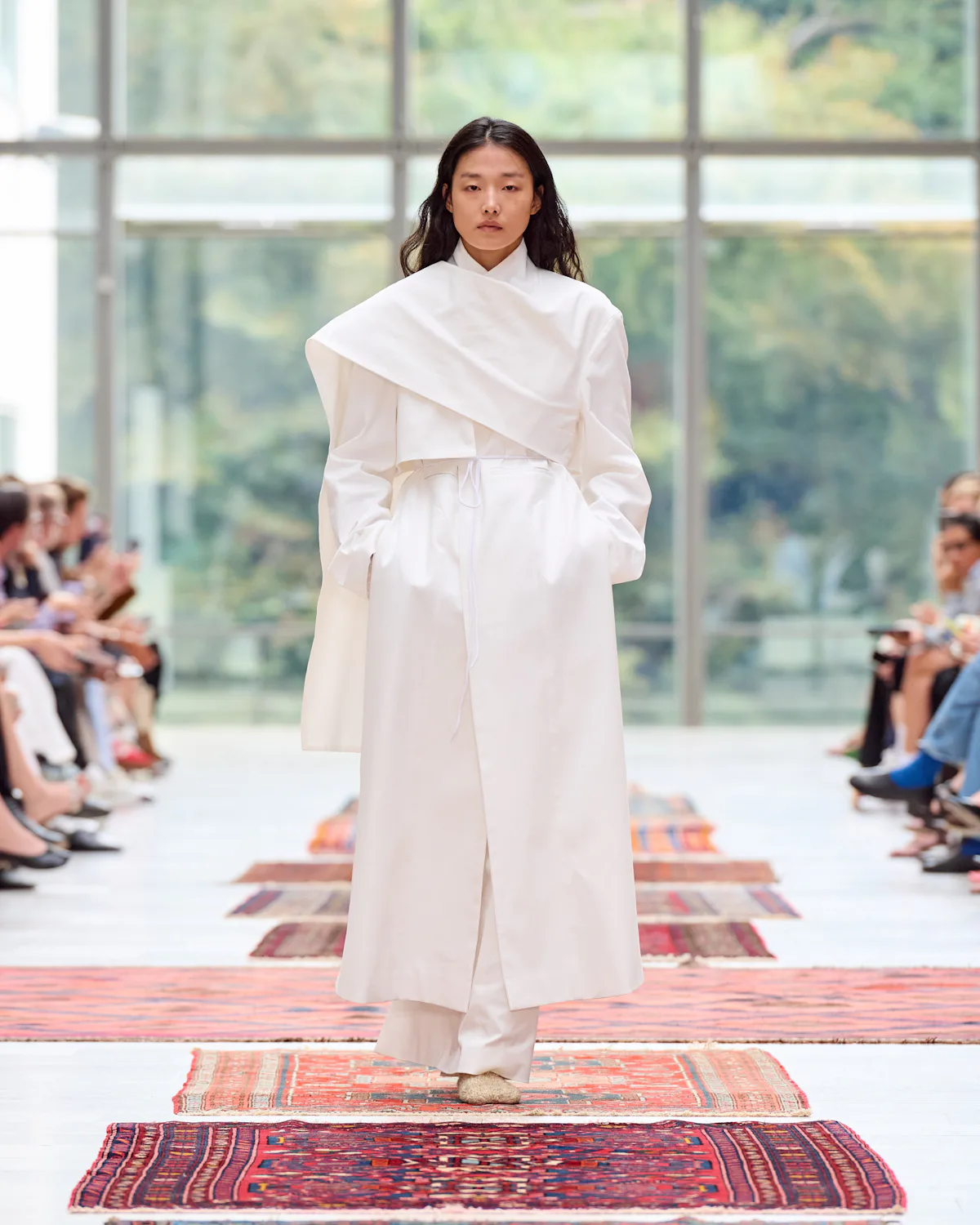
Milan-based label Institution was founded in 2024 by Galib Gassanoff, who is a nominee for the 2026 LVMH prize. The collection is mostly hand-crafted, drawing inspiration from the designer’s native home in Azerbeijan. Models walked over carpets wearing handmade jorabs, thick socks, while dressed in sculptural knits and voluminous coats which examine the idea of belonging. The collection was both serious and extravagant, evoking a sense of wonderment despite its simplicity.
By Malene Birger
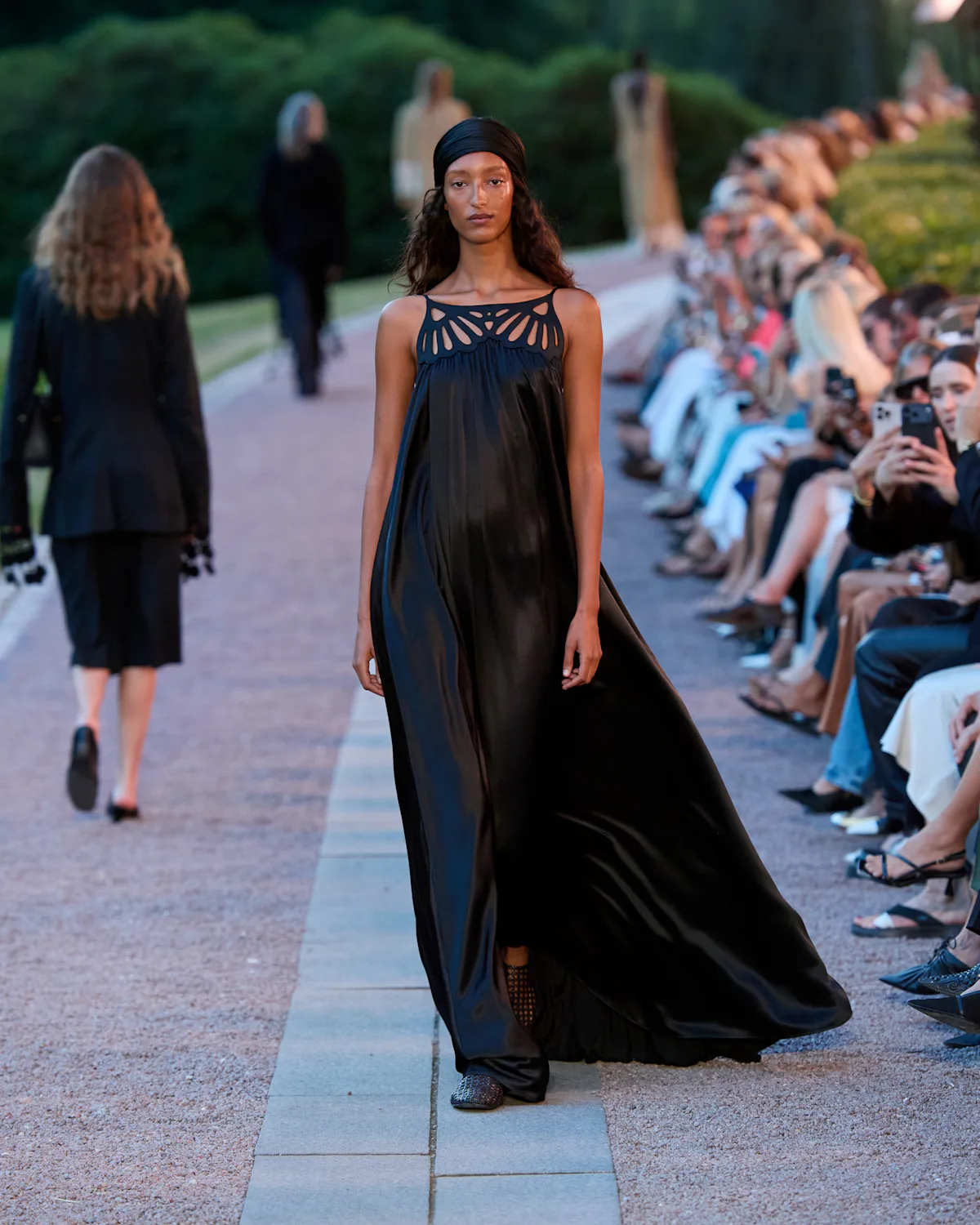
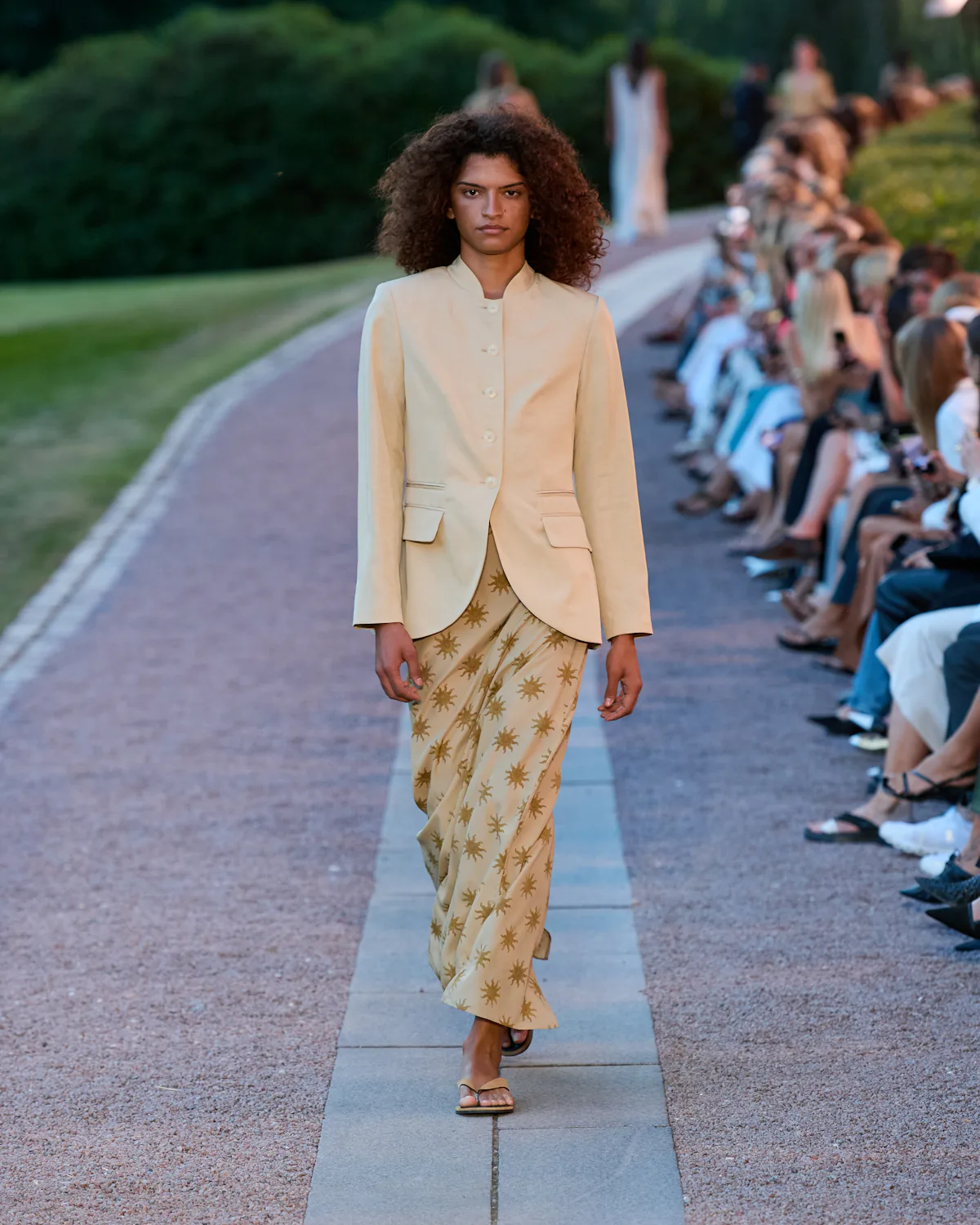
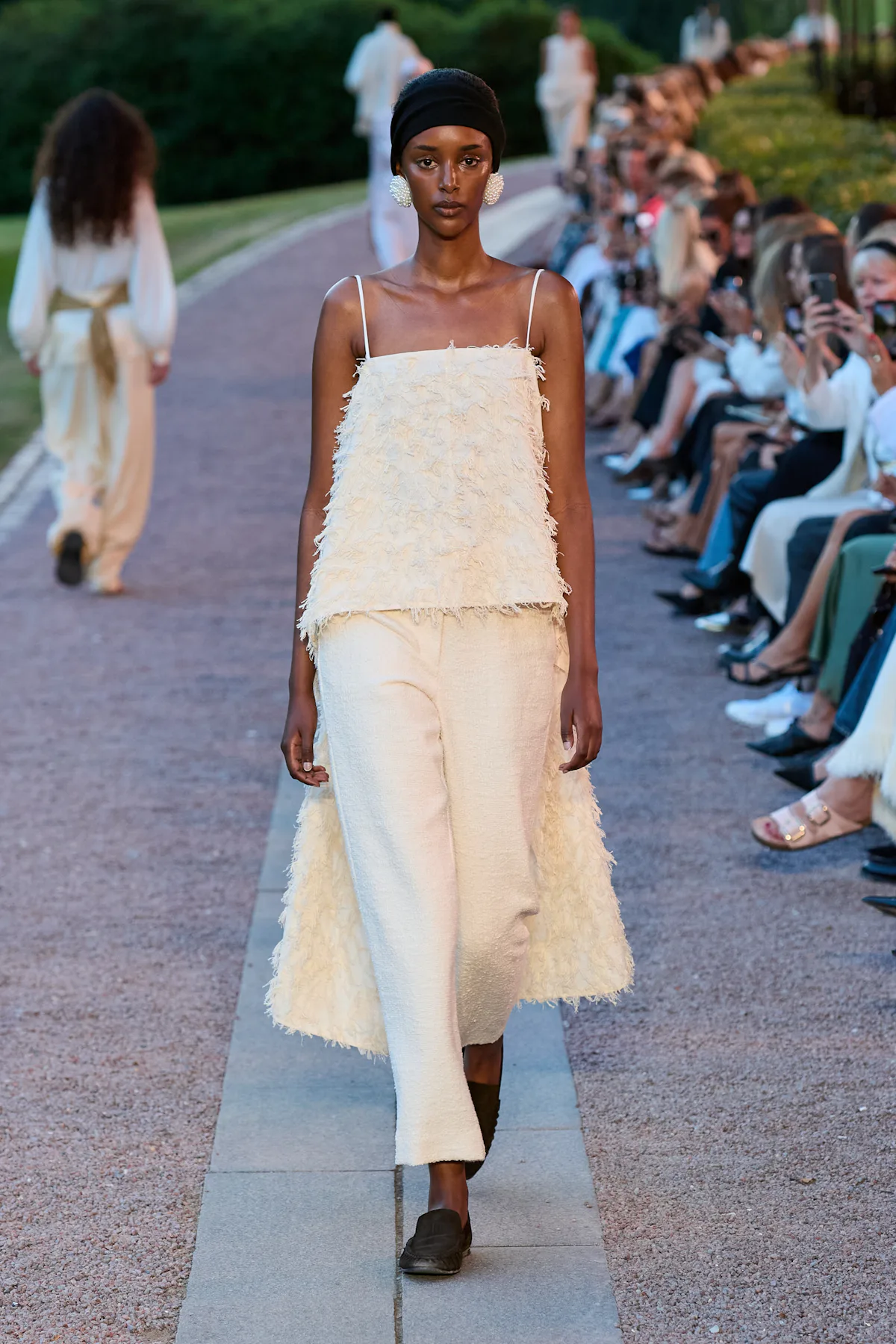
Showing for the first time in six years, the By Malene Birger show was held at sunset on the outskirts of Copenhagen. The clothes came down the runway as a reflection of the changing sky, starting white, into soft pinks and yellows, and finally black, Scandinavian minimalism with a slightly playful touch. Model Mona Tougaard closed the show.
Anne Sofie Madsen
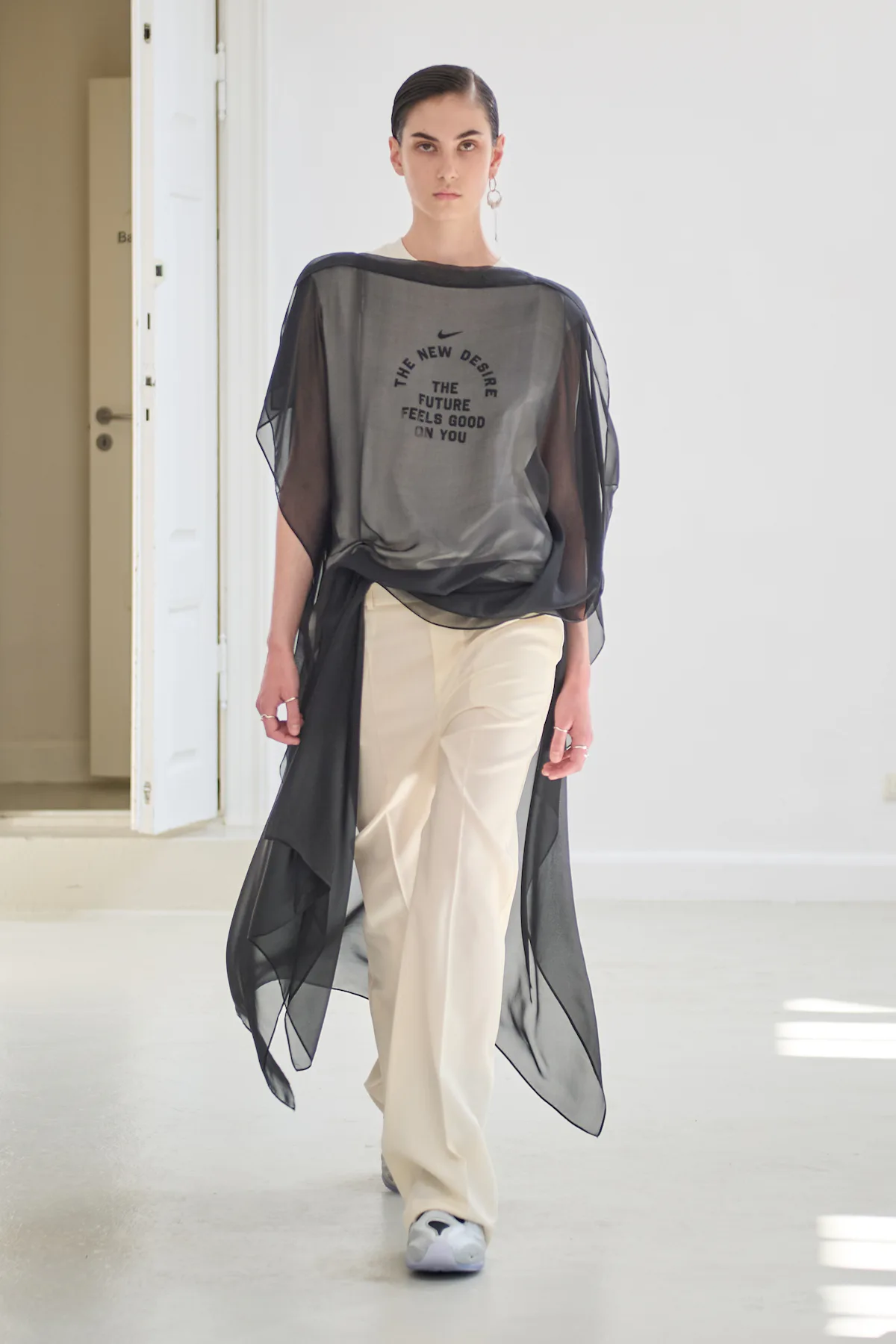
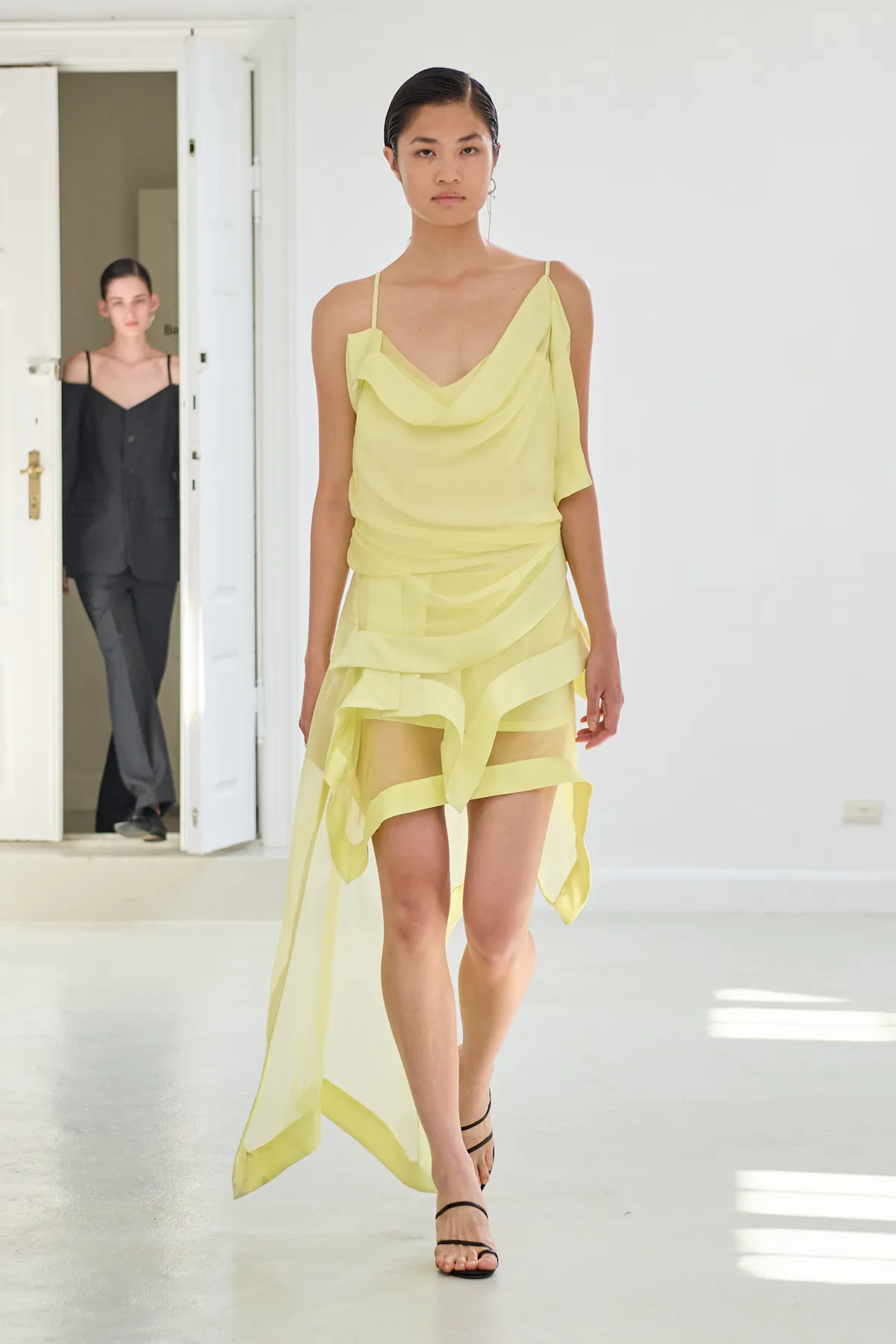
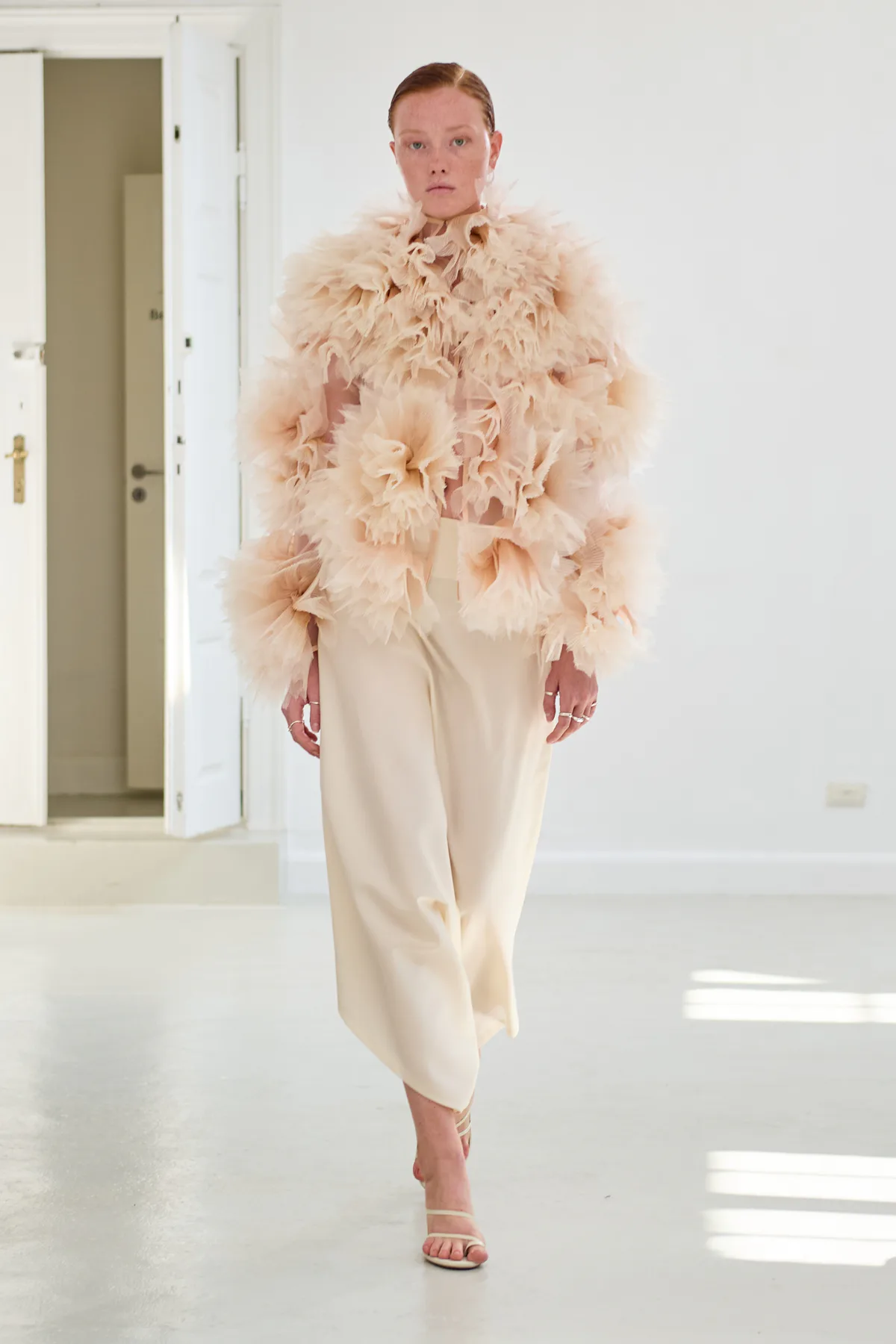
The New Desire was the title of Madsen’s spring 2027 collection, in which sheer layers and simple silhouettes defined an exploration of transformation and identity. As Danish recorder virtuoso Michala Petri played a number of instruments, models walked through the sun-filled gallery space, tails of floating fabric following behind them. Madsen also collaborated with Nike on a selection of jersey pieces for the show, a relaxed foil to the sophisticated styles throughout.
Nicklas Skovgaard
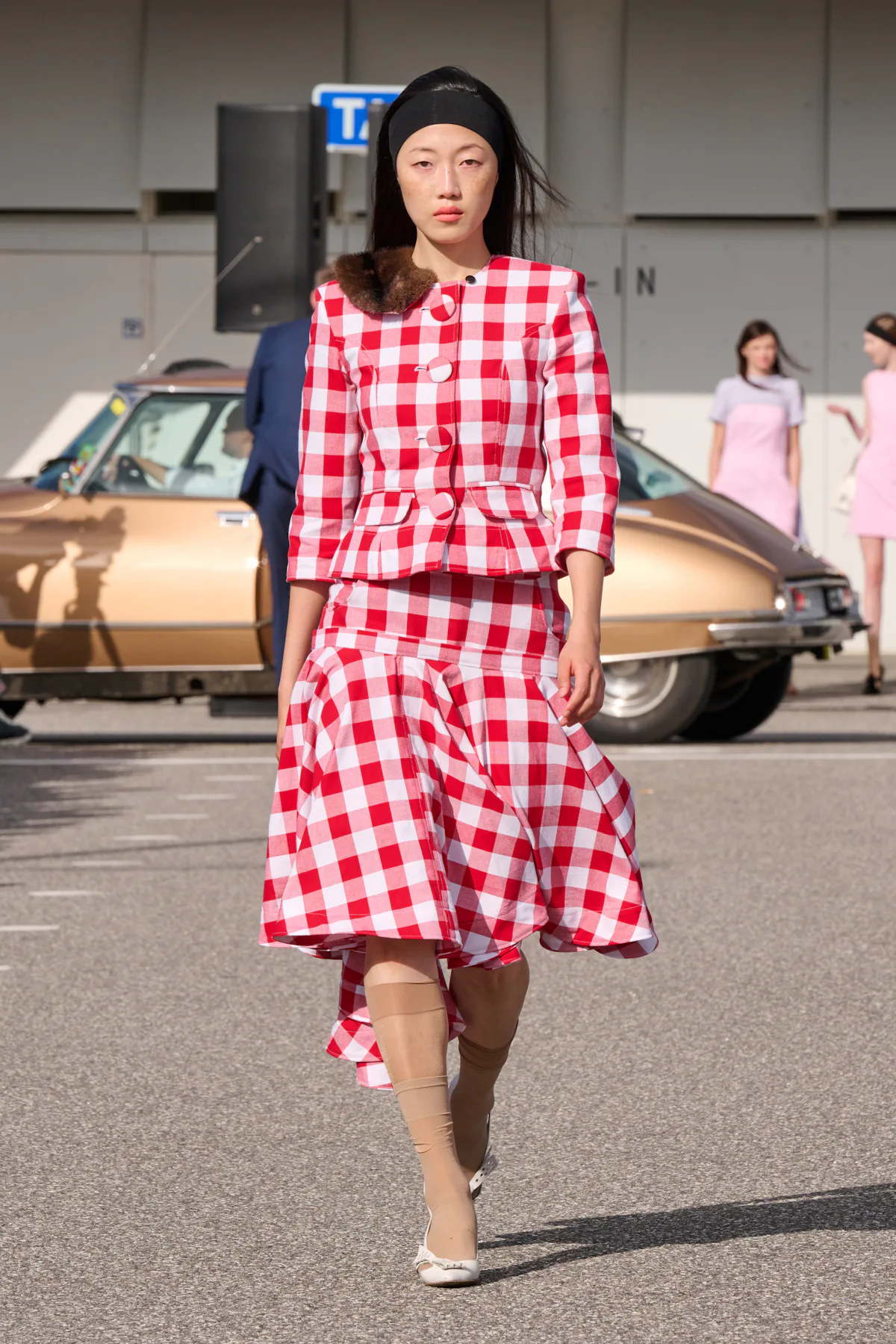
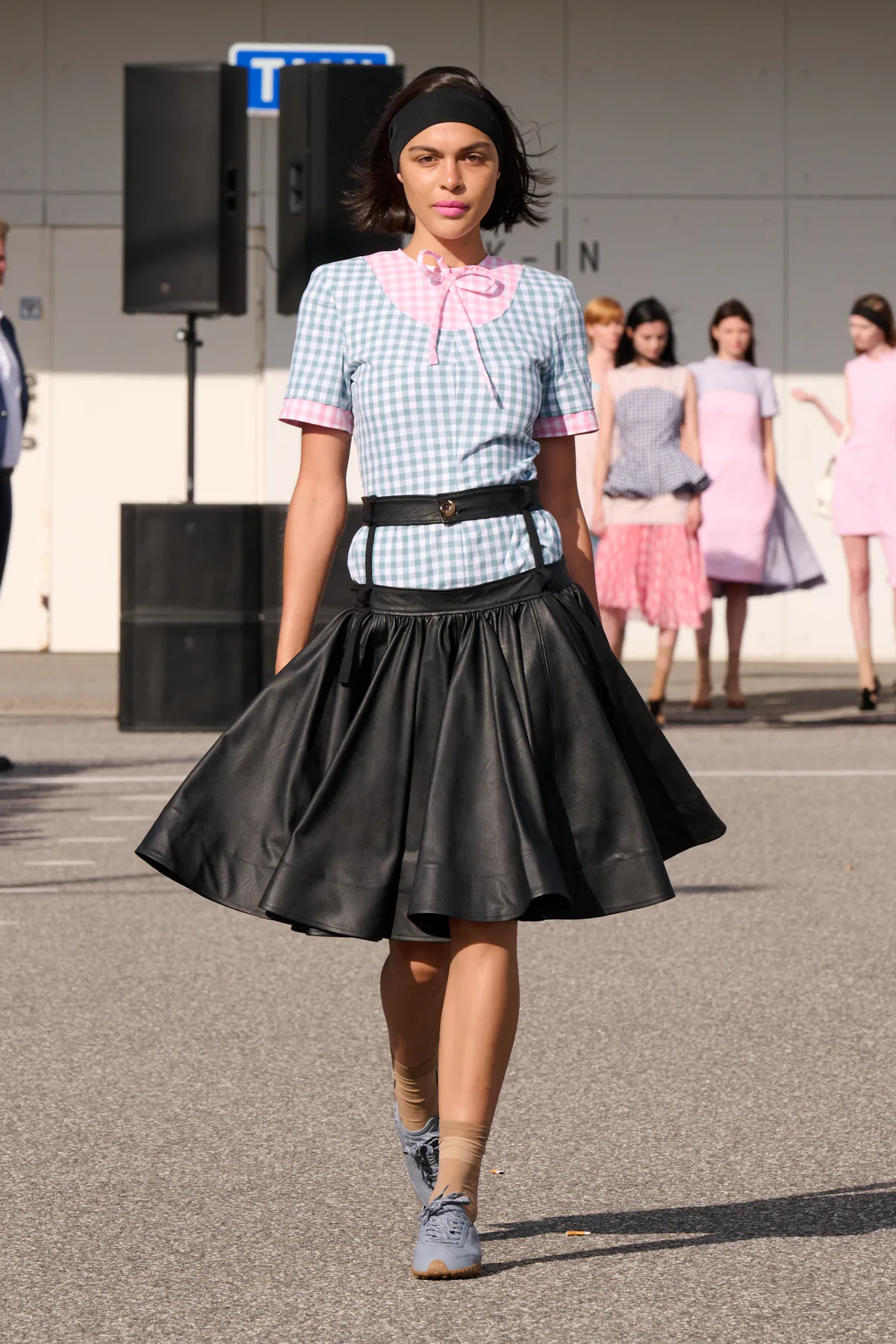
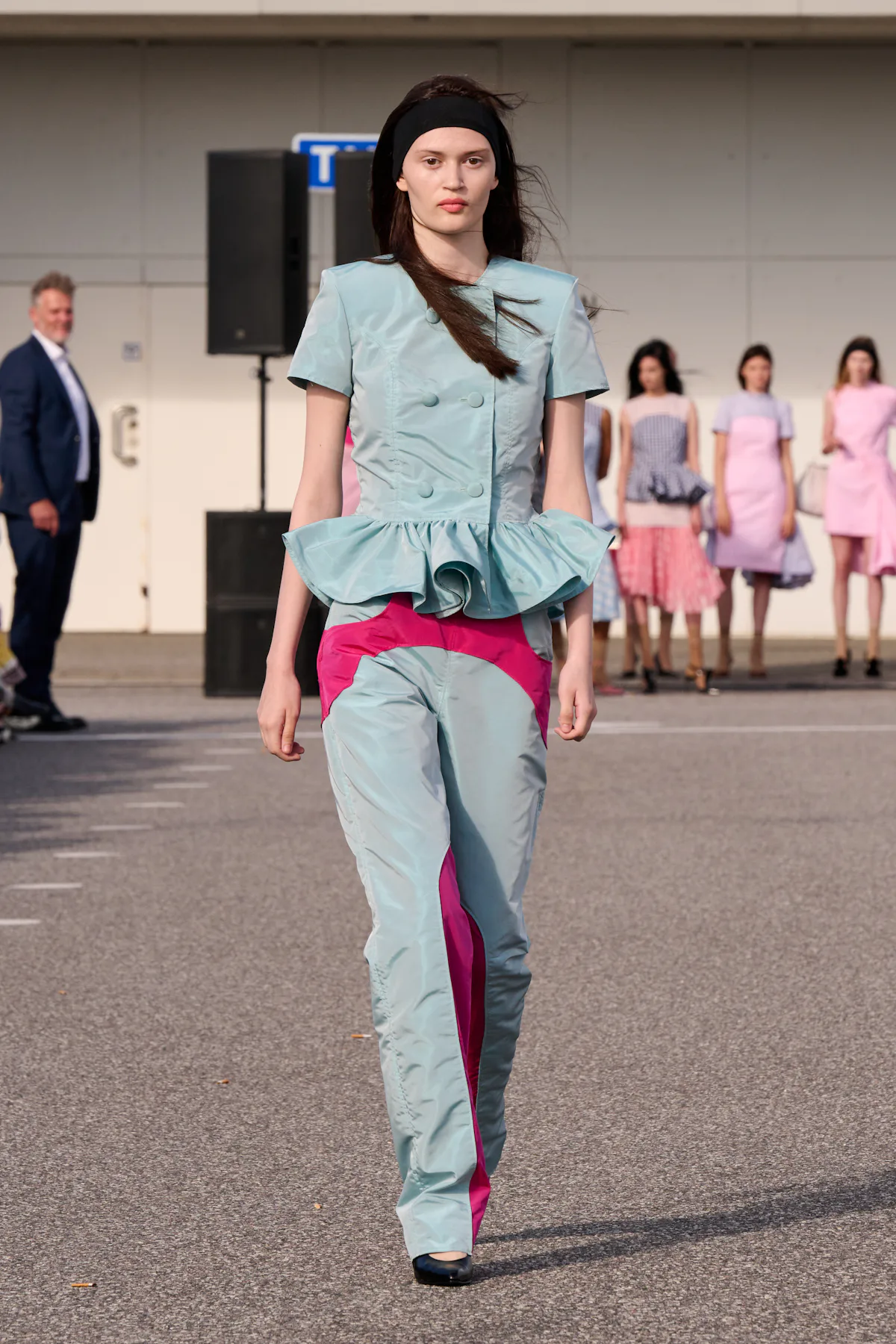
Retro with a twist, the Nicklas Skovgaard show brought a touch of edge to classic silhouettes. While True Blue performed, models arrived to the runway by vintage car, exiting elegantly from the backseat to begin their walk past the crowd. A darling among the Copenhagen fashion community, Skovgaard’s show was a must for the city’s most stylish residents.
Collina Strada
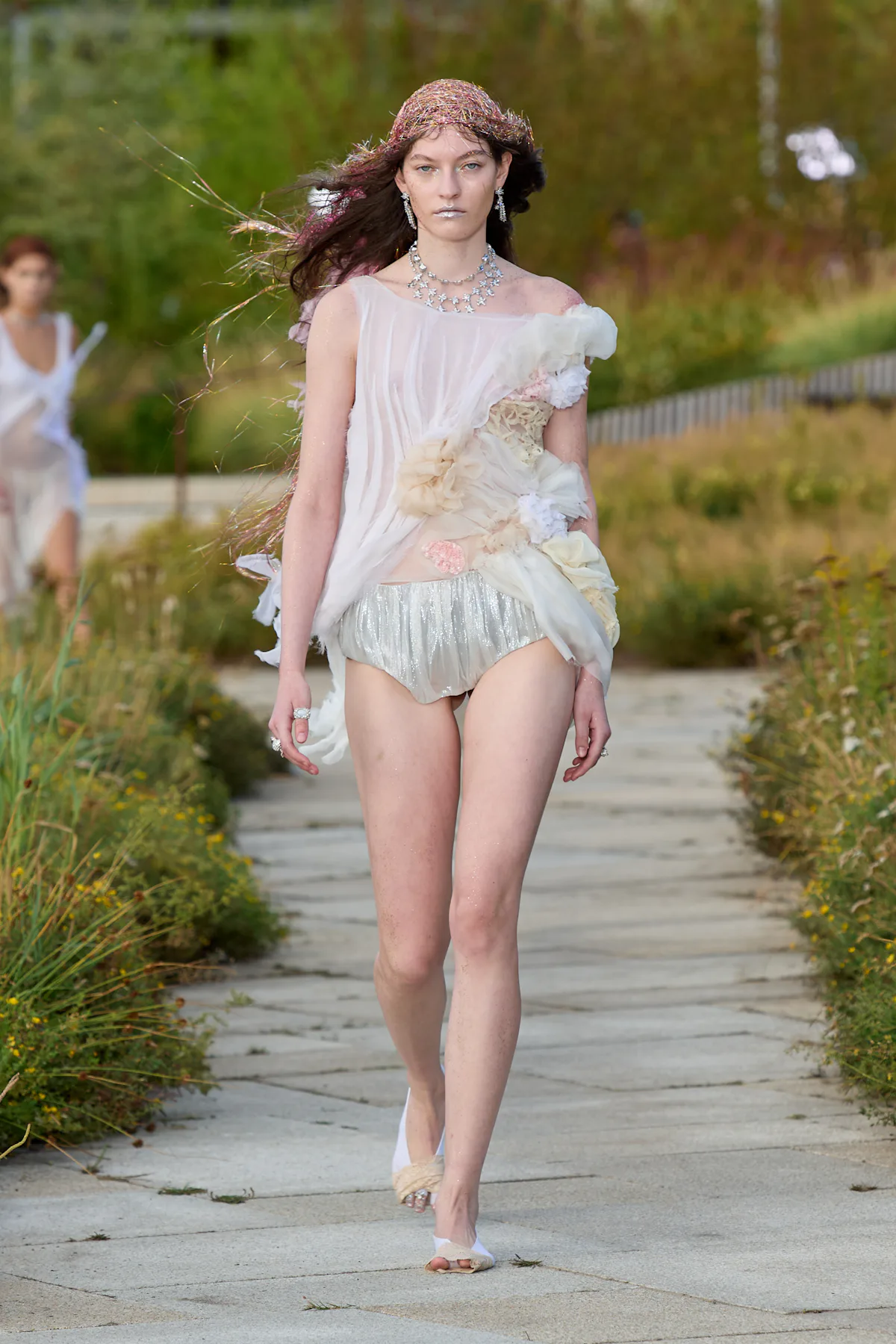
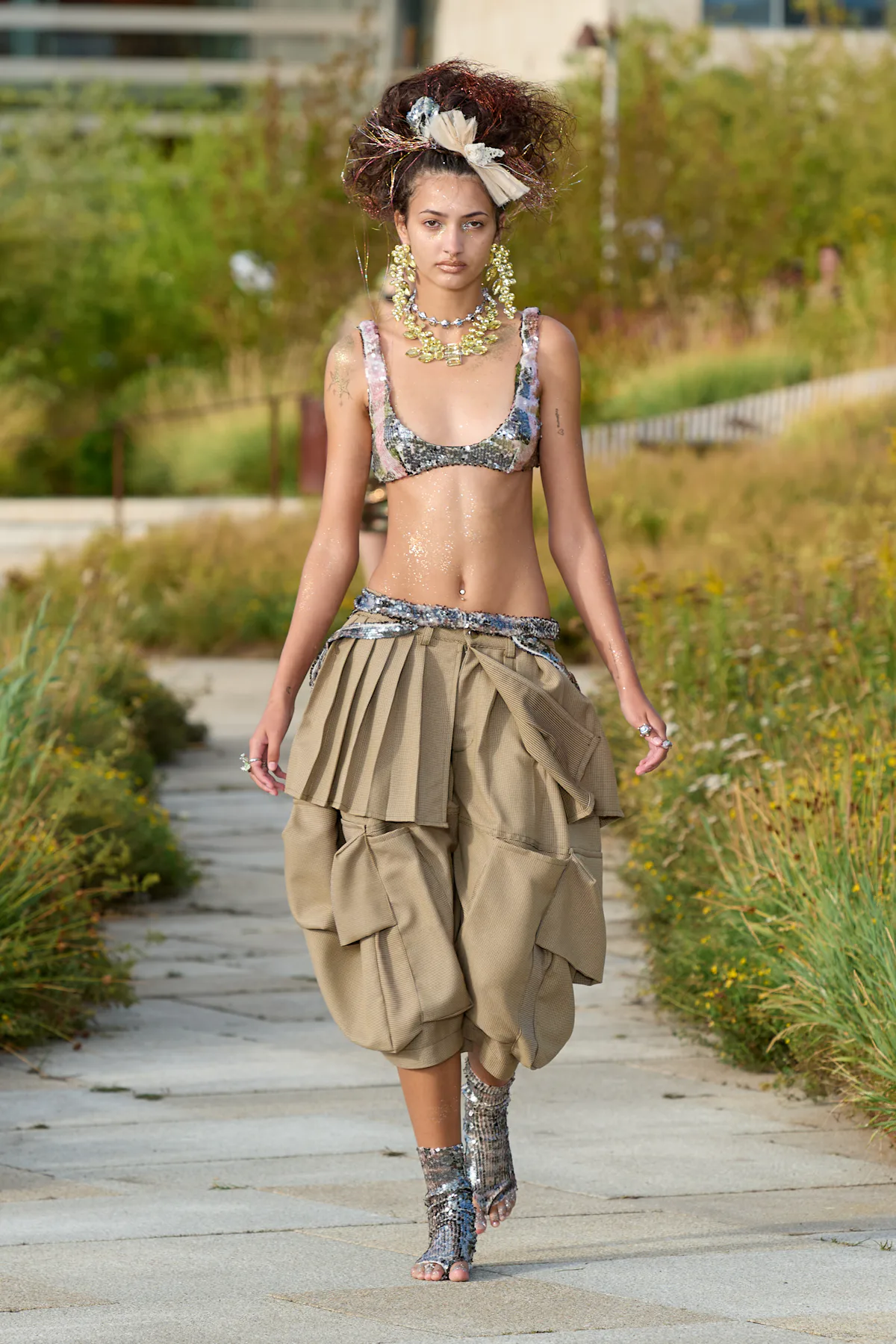
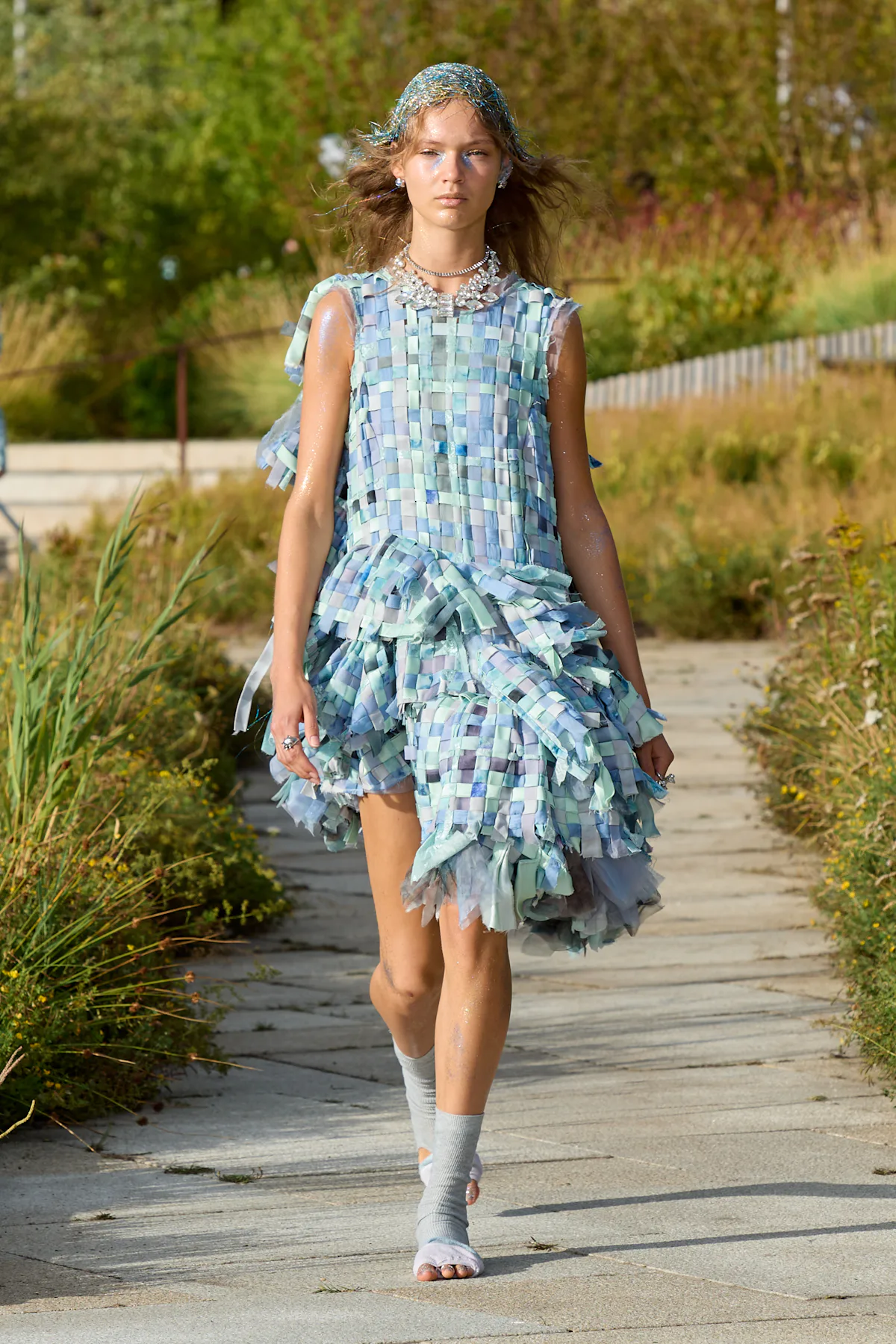
New York-based designer Collina Strada showed during Copenhagen Fashion Week in partnership with the Climate Pledge. Strada’s commitment to sustainable fashion practices made her a natural fit for Copenhagen, where designers must meet transparency guidelines in order to show their collections.
For Spring, models walked along the water at sunset, dressed in otherworldly pieces inspired by “delirium in bloom,” a playful mix of voluminous separates and reimagined dresses, styled as if each model is a party-goer on her way home from a magical night out.
Read on the original site
Open the publisher's page for the full experience