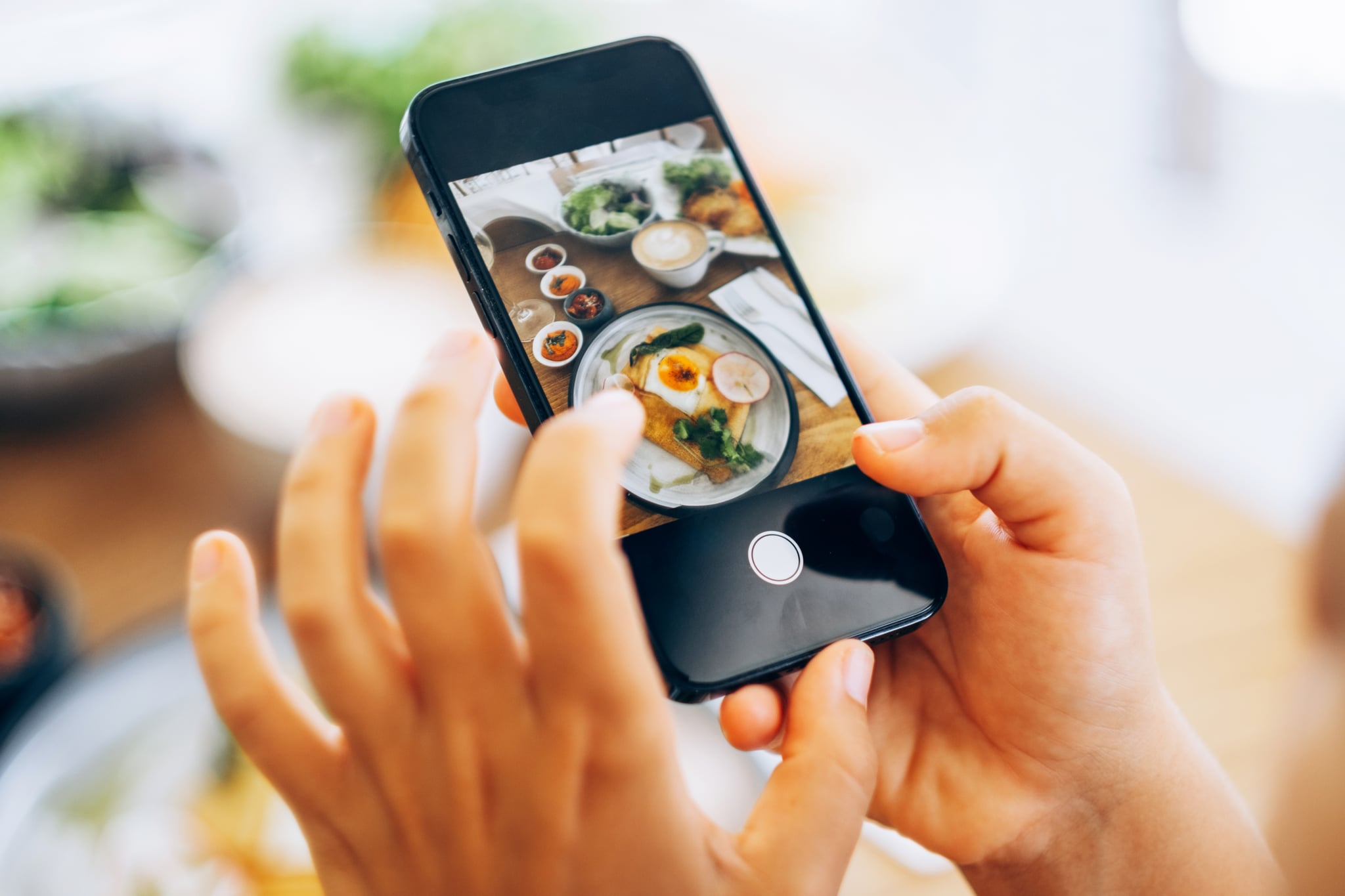
There is a particular kind of fatigue that settles in when every headline shouts for your attention, and the author's confession about feeling overwhelmed by nutrition news is one we understand intimately. It is the same exhaustion we feel when scrolling through a feed that has become a hall of mirrors, where every plate, every outfit, and every angle starts to look like the last. We have all been there, thumb hovering over the screen, wondering if the noise is worth the signal. This story, however, is not about the information itself; it is about the posture we take when approaching it. The Quiet Echo: When Instagram Style Feels a Little Too Alike touches on this same visual monotony, while Fashion’s Echo: How Trends Return and Inspire a New Generation reminds us that cycles can be generative rather than repetitive. The difference, as always, lies in intention.
The journalist's early career panic is a shared modern condition, not a personal failing. When information is abundant, discernment becomes the ultimate luxury. We do not need another listicle telling us what to eat; we need a filter that helps us decide what deserves our mental space. This is where the piece quietly succeeds. It does not promise a revolutionary diet or a new superfood. It offers something rarer: permission to slow down. In a culture that equates speed with intelligence and volume with value, choosing to be deliberate feels almost rebellious. The author's journey from overwhelmed to intentional is not a tale of mastering nutrition, but of mastering the self. It is a lesson in boundaries, one that extends far beyond the pantry and into every corner of our digital lives. The Allure of Fast Fashion: Why Breaking the Cycle Feels So Hard echoes this tension, showing how the very systems we critique are the ones we must learn to navigate with grace.
What would we tell a reader who asks us about this? We would say that the goal is not to know more, but to feel more grounded in what you already know. The practical takeaway is simple: treat your information diet with the same care you treat your plate. Unfollow the accounts that induce anxiety. Ignore the studies that contradict the last one. Listen to your body before you listen to the algorithm. The author's story is a reminder that confidence is not about having all the answers, but about being comfortable with the questions. It is about building a relationship with food, and with media, that is rooted in self-trust rather than external validation. As you close this page, consider what you are inviting into your awareness. The next time you open an app or a headline, ask yourself if it is adding to your calm or merely adding to the noise. That quiet question, asked often, might just be the most nourishing habit you adopt.