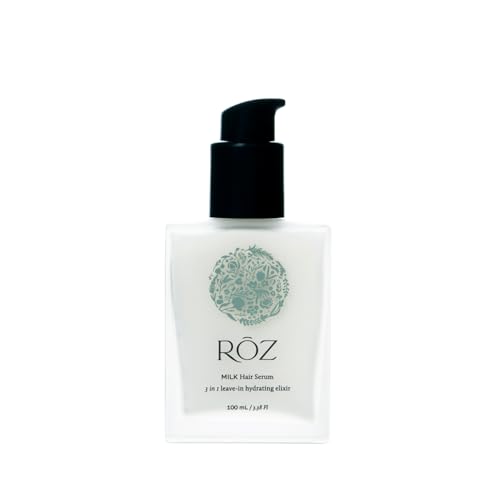
The relentless churn of sales events has become a defining feature of the modern fashion landscape, and the current Amazon Prime Day frenzy is no exception. While the promise of discounted goods is undeniably attractive, the sheer volume and urgency of these promotions – as exemplified by articles like Hold the Tees, Fashion Girls Are Wearing This Chic Silhouette Instead – risks diluting the very essence of considered style. The "hurry" imperative, so central to Prime Day marketing, feels at odds with the slow, deliberate process of curating a personal aesthetic. This isn’t to dismiss the value of finding good deals; rather, it’s a reflection on the shifting relationship between consumers and the brands they choose to support. We’ve increasingly seen a move towards investing in timeless pieces, as demonstrated in articles like Ballet Flats Are Everywhere—These Summer Outfits Will Make Them Look Fresh (Not Basic), rather than chasing fleeting trends driven by promotional pricing.
The "35 Items I Use All the Time" format, popularized by influencers and publications alike, speaks to a desire for authenticity and relatable recommendations. Consumers are craving insight into the everyday lives of those they admire, and a curated list of practical, frequently-used items feels more genuine than aspirational runway looks. However, this approach also contributes to the normalization of constant consumption. While highlighting useful products is valuable, the sheer number of items listed – 35 – can feel overwhelming and perpetuate the idea that a fulfilling life requires an endless stream of acquisitions. It's worth noting how similar lists often lead to "shopping cart fillers," where consumers add items they *might* need, driven by the perceived urgency of the sale, rather than actual necessity. The curated nature of these lists, often presented as essential tools for a stylish life, can inadvertently create a sense of inadequacy for those who don't possess the same items. Articles like My Shopping Cart is Filled With Items Fashion People Wear—41 New Items From Nordstrom, Zara, J.Crew, and Revolve further exemplify this trend, showcasing a proliferation of options that can lead to decision fatigue.
The rise of Amazon Prime Day also highlights the evolving power dynamics between retailers and consumers. Amazon's scale and logistical prowess allows it to offer significant discounts, putting pressure on smaller brands and boutiques to compete. This creates a race to the bottom in terms of pricing, potentially sacrificing quality and ethical production practices in the pursuit of market share. While consumers benefit from lower prices, the long-term consequences for the industry – including the exploitation of garment workers and the environmental impact of fast fashion – are a growing concern. A more discerning consumer is actively seeking alternatives, prioritizing brands that align with their values and willing to invest in sustainable and ethically sourced goods, even if it means paying a premium. The emphasis on convenience and speed offered by platforms like Amazon, while appealing, risks overshadowing the importance of mindful consumption and supporting businesses that prioritize people and the planet over profit.
Looking ahead, the key question is whether consumers will continue to be swayed by the allure of fleeting discounts, or will they increasingly prioritize quality, sustainability, and ethical production. The shift towards a more conscious and considered approach to fashion is already underway, and it will be interesting to observe how the impact of these sales events ultimately shapes the future of the retail landscape. Will the relentless pressure of Prime Day and similar promotions eventually lead to consumer fatigue, or will it simply become an ingrained part of the shopping cycle? The answer likely lies in the ability of brands to offer genuine value – not just in terms of price, but also in terms of craftsmanship, storytelling, and a shared commitment to a more responsible future.