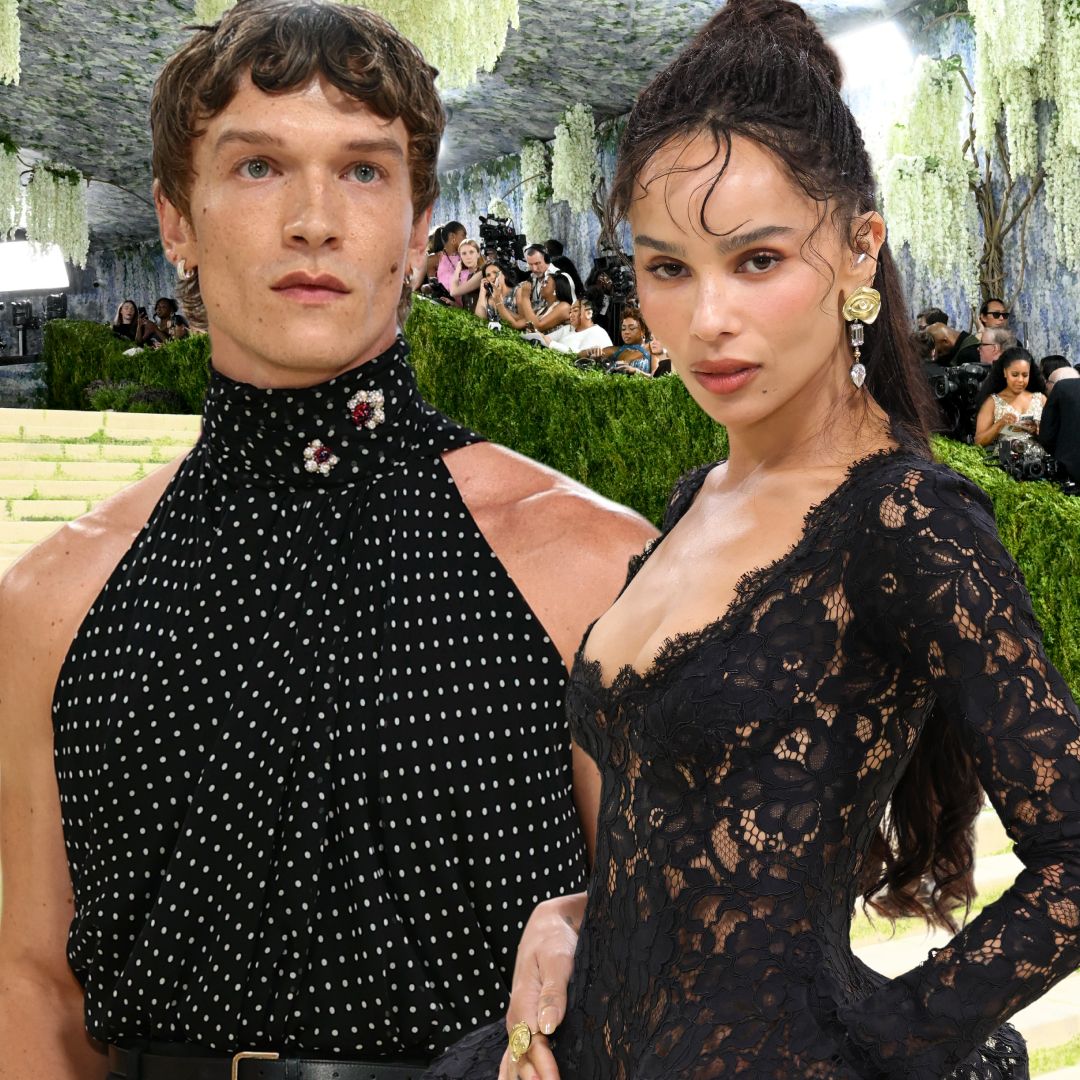
The new “you don’t want to miss this dress code” roundup from Marie Claire’s editors feels less like a gossip‑driven recap and more like a masterclass in how the 2026 Met Gala is reshaping the language of red‑carpet luxury. By cataloguing each look with a blend of historical context and forward‑thinking critique, the piece invites readers to consider why the Met’s thematic constraints matter beyond the flash of sequins. In doing so, it echoes the conversation we explored in The Best Met Gala Outfits of All Time, According to ‘Marie Claire’ Editors, where timelessness was measured not just by silhouette but by the narrative a garment carries. The current editorial adds a fresh layer: it asks us to look at the moment’s cultural pulse, noting how designers are translating sustainability, gender fluidity, and digital art into fabrics that whisper rather than shout.
What stands out is the subtle shift from spectacle to storytelling. The most lauded ensembles—such as the ethereal, biodegradable organza gown that seemed to dissolve into the night sky—aren’t merely impressive for their technical prowess. They succeed because they embody a quiet confidence that aligns with a growing desire for authenticity in high fashion. This is a departure from the previous decade’s obsession with maximalist excess, where sheer volume often eclipsed nuance. By foregrounding the emotional resonance of each piece, the article underscores how the Met is becoming a platform for introspection, inviting guests to project inner worlds onto the public stage. In this sense, the dress code functions less as a strict rulebook and more as a collaborative canvas, where the line between creator and muse blurs, echoing the modern muse archetype that many of us gravitate toward.
The editorial also highlights the strategic role of color and texture as mood‑setters rather than mere trends. Several designers opted for muted palettes—soft taupes, muted greys, and whispering blues—that evoke the calm luxury of an early morning sunrise, subtly reinforcing the theme of “Presence.” These choices speak to a broader industry movement toward “effortless refinement,” where the power of a look lies in its ability to convey poise without overt proclamation. This aligns with the current consumer appetite for pieces that feel both aspirational and attainable, a balance that the Met’s audience increasingly expects. Moreover, the emphasis on tactile innovation—think hand‑woven silk that feels like a second skin—reinforces a tactile intimacy that digital runways often lack, reminding us that the physical experience of fashion remains irreplaceable.
Finally, the piece invites us to consider the Met Gala’s evolving cultural relevance. As the event continues to intersect with conversations about sustainability, inclusivity, and digital transformation, each red‑carpet moment becomes a barometer for where luxury is heading. The editors’ insight that “the best dresses are those that feel like an extension of the wearer’s inner narrative” suggests that future gatherings will likely reward authenticity over hyper‑glamour. For readers who crave a style ethos that feels both elevated and grounded, the takeaway is clear: the most compelling fashion statements will be those that marry refined aesthetics with personal truth.
Looking ahead, one might wonder how the Met’s thematic choices will influence mainstream fashion cycles in the months that follow. Will we see a ripple effect of biodegradable fabrics and gender‑fluid silhouettes across ready‑to‑wear collections, or will the red carpet remain a unique, isolated arena for experimental expression? The answer will shape not only what we wear but how we understand the relationship between personal identity and the ever‑shifting language of luxury.