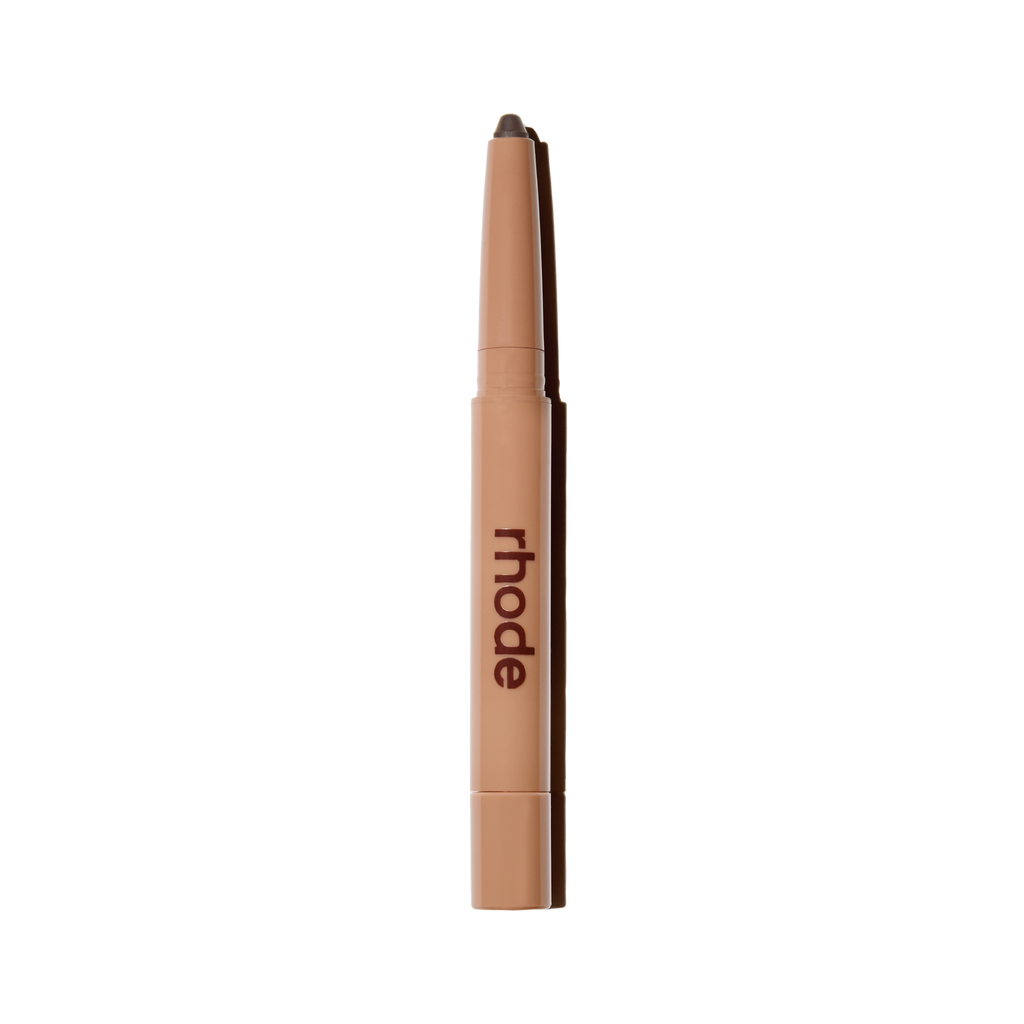
There is a particular intimacy in a ritual you inherit before you understand it. The memory of sneaking into a mother's or auntie's cosmetic bag is not just about the product; it is about witnessing a private moment of self-definition. That small pencil, often in the iconic shade of Chestnut, was never merely pigment. It was a quiet statement of belonging, a tool for carving out presence in a world that rarely designed for you. This is the resonance at the heart of the piece on lip liners for dark skin tones. It is a story that understands the decades of frustration, the hunt for a shade that doesn't wash out or grey over, and the triumph of finally finding a formula that understands your skin's undertone as well as you do.
This conversation feels like a natural extension of the broader cultural shift we are seeing in beauty and style, one that favours elevated fall style with subtle shifts for lasting impact. The same principle applies here: it is not about reinvention or loud proclamations, but about the precise, deliberate details that change everything. A lip liner is the ultimate quiet luxury. It does not demand attention like a bold lipstick or a smoky eye; it works in the background, sculpting and defining, offering a sense of control and intention that feels both grounding and empowering. It is the sartorial equivalent of a perfectly tailored blazer, and for those of us who have long felt overlooked by the mainstream, finding that perfect fit is a form of self-respect. This is not a trend; it is a correction, a reclamation of a space that was always rightfully ours.
What makes this narrative so compelling is that it is grounded in lived experience, not marketing. The author's admission of a decade-long relationship with a single shade speaks to a deeper truth about loyalty and the search for constancy. In a market that often pushes novelty, there is something profoundly calming about returning to a hero product. It is a confidence that does not need to shout. This mirrors the sentiment behind quiet confidence, as seen in the most elegant celebrity pixie cuts; both are choices that signal a deep comfort with oneself. They are not for the audience; they are for the individual. The takeaway here is practical: your makeup bag should reflect your identity, not a magazine's mandate. When a product works, when it feels like it was made for you, it ceases to be a cosmetic and becomes a companion.
Our advice to anyone reading is to treat the search for your "Chestnut" as a personal pilgrimage, not a chore. Do not be afraid to be specific about what you need, whether that is a neutral beige to mute a pigmented lip or a deep berry to add life to a natural look. The beauty of today's market is that the options are finally expanding, but the onus is on us to be discerning. We would tell a reader that if you find a shade that feels like a second skin, buy it in multiples. The true measure of this beauty moment is not just the product itself, but the freedom it grants us to define our own standards of allure. The real question we should ask is not "what is trendy?" but "what makes me feel most like myself?" and then hold that answer close.