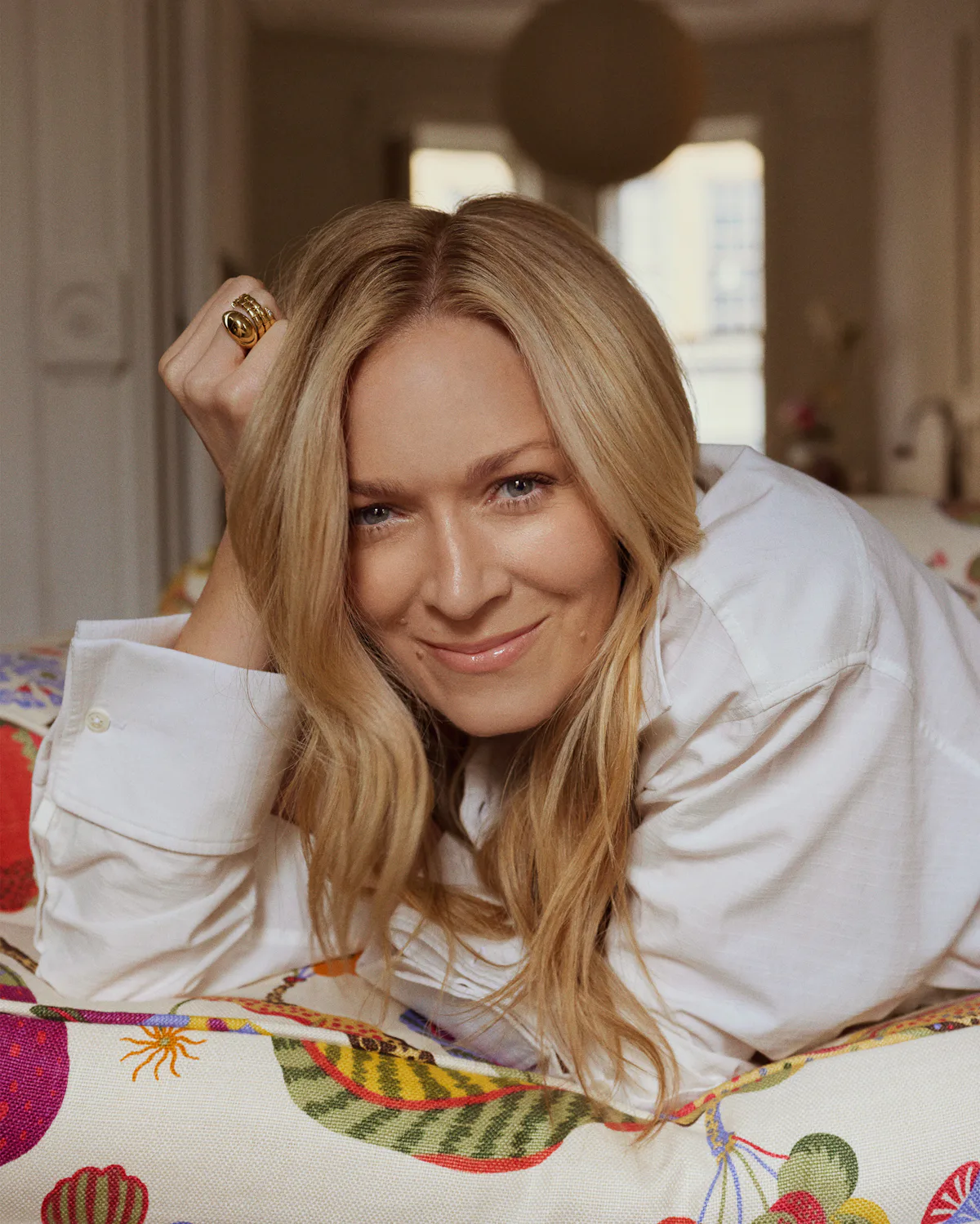
Erin Walsh’s recent conversation about “The Art of Intentional Dressing” reads like a manifesto for anyone who believes clothing can be a conduit for personal alchemy. In a city that constantly blurs the line between runway and street, Walsh—renowned for shaping the looks of Ariana DeBose and Anne Hathaway—offers a nuanced perspective that feels both aspirational and grounded. Her invitation to “see something insane” inside the recreated Runway office, a set that doubles as a living‑in homage to the fictional Vogue‑inspired world of *The Devil Wears Prada*, is less a stunt than a visual metaphor: style, when approached with intention, can transform ordinary spaces into stages for self‑expression. Readers who followed our piece on Meryl Streep's Stylist Micaela Erlanger Talks Method Dressing For 'The Devil Wears Prada 2' will recognize that this intentionality is not a new industry buzzword but a disciplined practice that links the sartorial choices of Hollywood’s elite to a broader cultural dialogue about authenticity.
What sets Walsh apart from the typical celebrity stylist narrative is her focus on the internal mechanics of dressing, rather than the outward spectacle. She frames each garment as a tool for manifesting desire, echoing the same quiet confidence that underpins Chiara Bransi’s aesthetic—a calm, luxurious undercurrent that never feels forced. In the gray‑toned hotel lobby where their interview unfolded, Walsh’s magenta velvet pillow becomes a deliberate pop of color, a tactile reminder that boldness can be introduced subtly, without the need for ostentatious excess. This philosophy resonates with Bransi’s “effortless, refined” voice, inviting readers to consider how a single accessory can shift the energy of an entire day. It is a reminder that luxury is not measured by price tags but by the resonance a piece creates within the wearer’s inner narrative.
Walsh’s methodology also challenges the traditional hierarchy between stylist and star. By positioning herself as a “guide” rather than a gatekeeper, she aligns with a growing trend where creators curate experiences that empower rather than dictate. This shift is evident in the way she integrates her work with the *Devil Wears Prada* sequel’s promotional ecosystem, a move that feels less like product placement and more like an extension of her personal ethos. The synergy between Walsh’s intentional dressing and the film’s meta‑commentary on fashion media—exemplified by the recreated Runway office—offers a layered reading: the story of a fictional magazine becomes a real‑world laboratory for exploring how narrative and wardrobe intersect. Readers who saw the iconic cover of Meryl Streep & Anna Wintour Wear Prada On The Cover Of Vogue will appreciate how these visual cues operate as both homage and critique, reinforcing the idea that style can be both reflective and revolutionary.
Ultimately, Walsh’s invitation to dress with purpose serves as a quiet call to action for anyone yearning to align their external presentation with internal aspirations. In a cultural moment saturated with fast fashion and fleeting trends, her emphasis on mindfulness offers a sustainable alternative that feels both luxurious and accessible. As we watch the *Devil Wears Prada* sequel roll out and anticipate Walsh’s next collaboration, the question remains: will the broader fashion community embrace intentional dressing as a lasting paradigm, or will it remain a niche practice reserved for the privileged few? The answer may lie in how effectively stylists like Walsh can translate their philosophy into everyday wardrobes, turning the act of dressing into a daily ritual of self‑actualization.