I remember the moment I stopped asking who I was in the group chat and started asking who I was when I was alone. The aughts gave us a very specific vocabulary for friendship: the Miranda, the Robin, the Pam. We sorted ourselves into archetypes the way we sorted our playlists, convinced that if we could just find our label, we would finally understand our place in the story. Reading "Echoes of the Aughts: Friendship, Then and Now," I felt that familiar pull toward nostalgia, but also something sharper. We were so busy figuring out which friend we were in the ensemble that we forgot to ask whether the ensemble was even ours to begin with. That era taught us to perform connection, to curate it for the camera, to measure it against the fictional friendships we watched on screen. And twenty years later, we are still untangling that inheritance. The cultural residue of that time isn't just in our fashion cycles; it lives in how we text, how we show up, how we hold space for the people who actually know us. It is the reason we now crave presence over performance, and why the most radical thing we can offer a friend is our unglued attention. For more on how legacy shapes identity, consider how Howard University: A Legacy Nurturing the Next Generation frames belonging as something built, not given. What strikes me most about this reflection is how it quietly maps onto the way we treat our own ambition. We spent the aughts assigning ourselves roles in someone else's narrative, and too often we carried that habit into our adult lives. We became the reliable one, the fun one, the one who always had a plan, and somewhere along the way we lost the thread of who we were outside those roles. That is not a small realization; it is the quiet revolution of self-awareness. The same way From Grief to Glory: Mariana Khalil's Unprecedented Ascent in 'Physical 100' shows a woman redefining strength after loss, we are all being asked to redefine what friendship means when the old labels no longer fit. We are no longer casting ourselves as supporting characters. We are the writers now, and that means we get to decide whether the story is about comparison or about connection. The practical takeaway is simple: if you are still introducing yourself as someone else's foil, you are the only one holding the pen. That is not a critique of nostalgia; it is an invitation to grow beyond it. There is a deeper layer here, one that has nothing to do with pop culture and everything to do with emotional maturity. The aughts gave us friendship as a mirror, a way of seeing ourselves reflected in the people we kept close. But mirrors only show the surface. The women we are now, the friendships we are building, they demand more than reflection. They demand excavation. The pieces of ourselves we buried under the weight of being agreeable, of being effortless, of being the friend everyone could count on, those pieces are not lost. They are just waiting for us to stop performing long enough to hear them. And when we do, we find that the women who stayed were never the ones who needed us to be easy. They were the ones who loved us enough to let us be complicated. So here is what I would tell a reader who asks me what this all means: stop looking for your Miranda, your Robin, your Pam. Look for the person who does not need you to be anyone other than exactly who you are becoming. The aughts were a beautiful, messy, glitter-soaked decade, but they were a prologue, not a prescription. The most enduring friendship you will ever have is the one you build with the person you are when no one is assigning you a role. And that version of you? She does not need a label. She just needs you to show up.
2000s pop culture
Echoes of the Aughts: Friendship, Then and Now.
There is a specific ache in revisiting the friendships that shaped us, a quiet recognition of who we were before the silence settled in.
4 min readPOPSUGAR
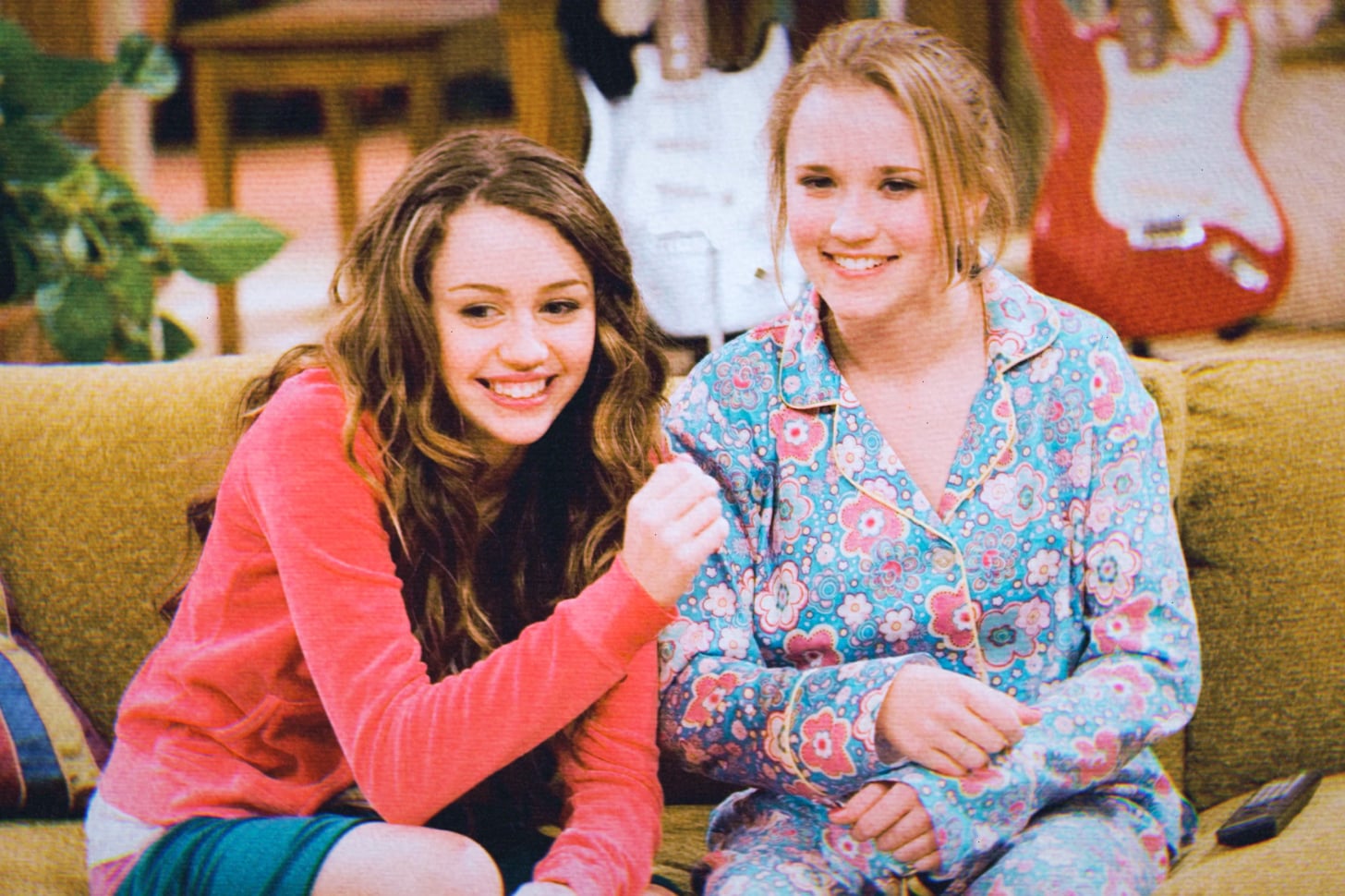
This story is part of our Aughts Effect package, which celebrates 20 years of Popsugar — and enduring culture. Read all the stories here. I'm a Miranda. Or maybe a Robin? No, I'm a Pam. The era of 2000s pop culture, no matter when you were born, was foundational for on-screen representations of friendship. It was an era of increased female representation in entertainment, and a time when the pop culture that raised you could serve as a North Star: a constant reminder to an anxious and sometimes awkward adolescent that you were going to find your people, even if…