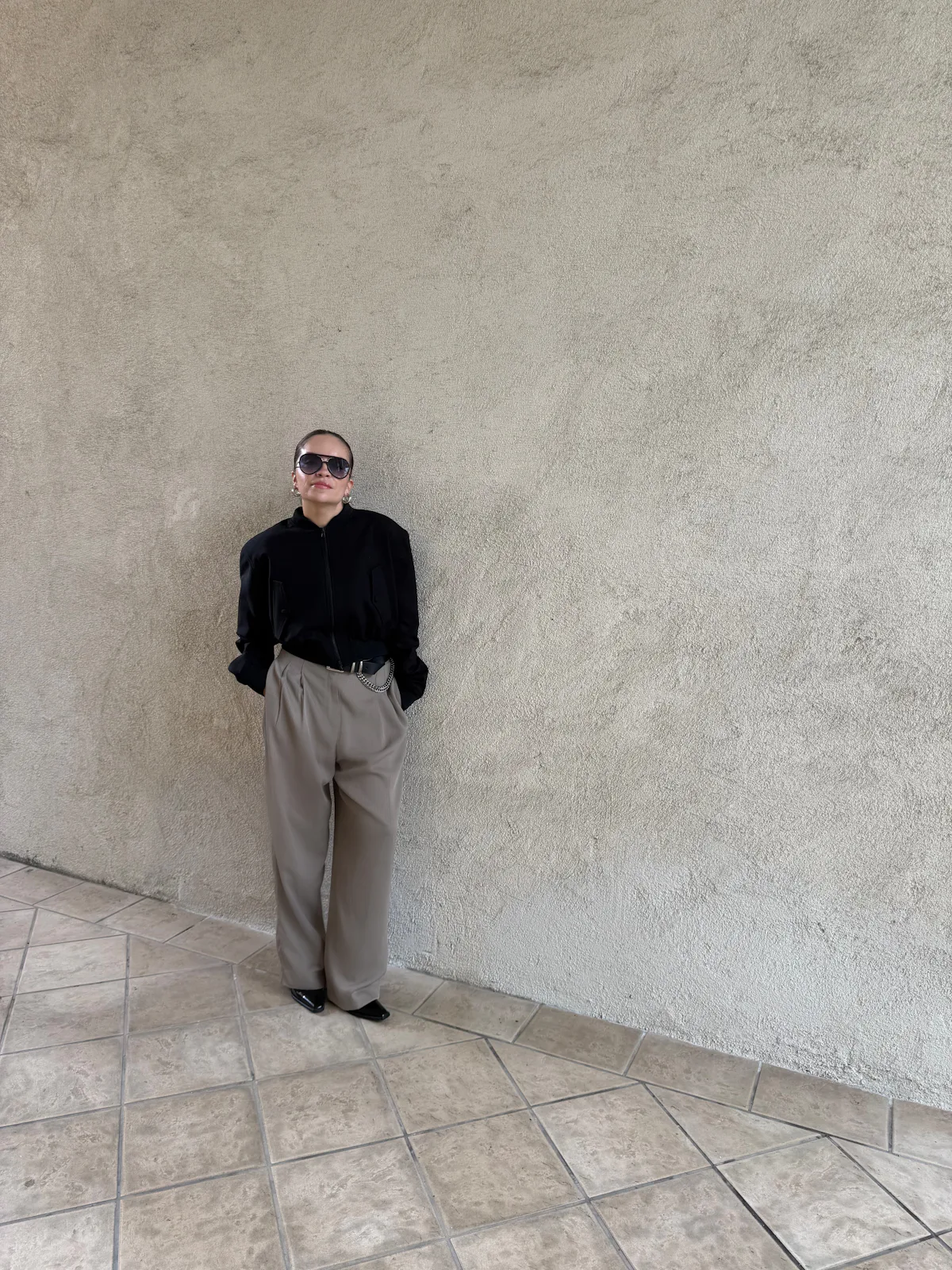
There is a particular pleasure in watching a brand refuse to shout. Wardrobe.NYC, the New York founded label known for its understated construction, has taken its philosophy to H&M in a 29 piece collaboration that landed on August 6. The collection is described as luxury essentials for the masses, but that phrase undersells the quiet ambition at play here. This is not about democratizing trend; it is about making a case for a wardrobe that asks for nothing more than to be worn well. In a moment when the industry cycles through noise at an exhausting pace, this feels like an invitation to breathe.
What makes this collaboration noteworthy is not the name on the label but the attitude it codifies. Wardrobe.NYC has built its identity on the idea of uniform dressing, pieces that stretch across seasons and contexts without demanding attention. The H&M partnership extends that logic, but it also tests something more personal: whether quiet confidence can survive translation. We have seen similar moves before, and the results are often muddled by overproduction. Here, the restraint appears intentional. The styling in the editorial coverage leans on ease, not artifice, which aligns with the broader cultural pull toward sustainability and mindful consumption. It is a natural companion to the conversation we have been having about The Quiet Power of Sustainable Style: A Survey on Mindful Fashion Choices, where the emotional weight of what we buy matters as much as the fabric.
For our readers, the practical takeaway is not about rushing to purchase. It is about observing how a collaboration like this recalibrates expectation. When a luxury label works with a high street retailer, the assumption is dilution, but Wardrobe.NYC seems to be arguing for clarity instead. The pieces are not trying to be everything; they are trying to be enough. That is a subtle but significant distinction. It echoes the thinking behind The October Edit: The Quiet-Luxury Staples Defining the Season, where the focus is on investment over impulse, on building a closet that serves rather than shouts. The connection is not coincidental. We are moving toward a philosophy where style is less about transformation and more about alignment with who we already are.
What we would tell a reader who asks about this drop is simple: treat it as a study in editing, not acquiring. The collection rewards the person who already knows their own taste, who does not need a logo to validate a choice. That is the deeper resonance here. Wardrobe.NYC has never sold clothing so much as a point of view, and this collaboration carries that same ethos into a more accessible arena. The question it leaves us with is not whether the pieces are worth the price, but whether we are ready to embrace the kind of confidence that needs no explanation. Watch how these items are styled, how they move through the editorial spreads, and ask yourself if your own wardrobe reflects that same calm authority. The most telling detail will be how quickly these essentials disappear into daily life, not because they are loud, but because they are finally necessary.