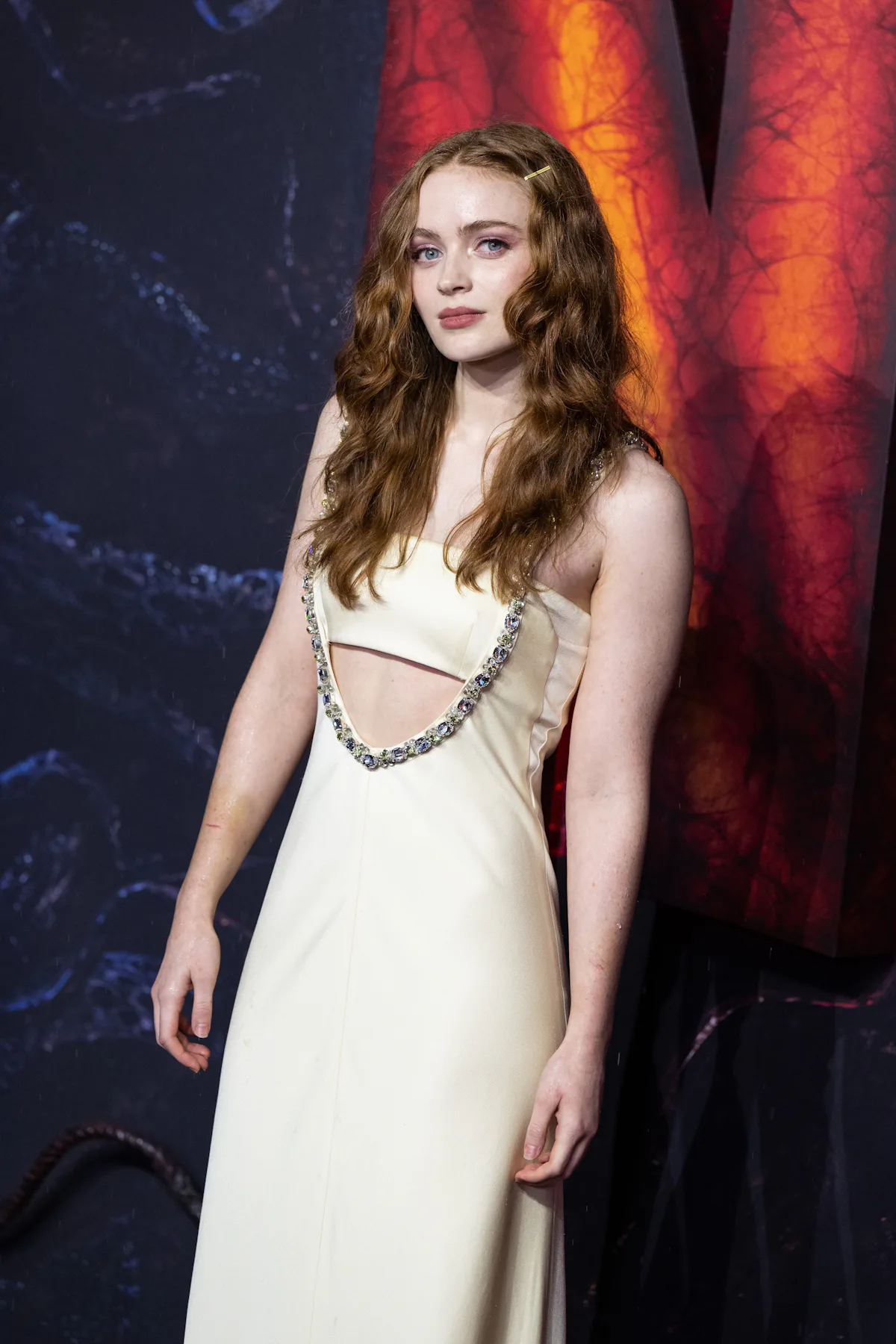
There is a particular kind of confidence that arrives when a woman stops trying to prove anything to anyone but herself. Sadie Sink's style evolution reads exactly that way. From her early days on the *Stranger Things* press circuit to her current embrace of Miu Miu, Prada, and Chanel, she has never chased the loudest trend or the most obvious red-carpet moment. Instead, she has moved with the kind of quiet assurance that suggests she is dressing for her own sense of self, not for the approval of the front row. It is a subtle power, and it is precisely why her fashion choices feel so resonant.
We are living in a moment where the cultural conversation has shifted away from excess and toward intention. The October Edit: The Quiet-Luxury Staples Defining the Season captures this perfectly, and Sadie's approach is a living example of that same philosophy. She understands that luxury is not about the logo or the label; it is about the mood it creates. Her preference for these heritage houses is not a declaration of status but a celebration of craftsmanship and clean lines. This is what we tell our readers when they ask about her appeal: she is not a trendsetter in the traditional sense, but a curator of feeling. She selects pieces that speak to a quieter, more internal standard of beauty, much like J.Lo trades her signature bodysuit for tailored ease in Milan, proving that even the most established stars are finding comfort in this pared-back aesthetic. Sadie is simply a younger reflection of that same instinct, proving that grace is not about age but about self-awareness.
What is most compelling about her trajectory is the emotional depth she brings to her style. She is not performing femininity for the camera; she is embodying it. There is a distinct softness in her choices, a sensuality that is tasteful and grounded. It mirrors the introspective nature of her acting and the way she carries herself in interviews. She is present, and that presence is her most significant accessory. For our readers, the takeaway is not to rush out and buy a specific designer blazer. It is to understand that personal style is a form of self-connection. It is about asking yourself how a piece makes you feel before you consider what it says to anyone else. That is the difference between wearing clothes and inhabiting them. Sadie inhabits her wardrobe with a calm authority that is rare for someone so young, and it is a lesson in emotional intelligence as much as it is in fashion.
The quiet-luxury shade replacing the classic neutrals you own is another piece of the puzzle here. It reinforces that this is not about a single outfit but a sustained worldview. Sadie's evolution is a reminder that we are all works in progress, and our style should evolve alongside our inner lives. The concrete point to watch is her next red carpet. Given her trajectory, she will likely continue to refine her choices, leaning further into that sense of understated polish. We would tell any reader asking for advice: do not look at her wardrobe for a shopping list. Look at it for a lesson in restraint. The most powerful statement you can make is not in what you wear, but in the confidence with which you wear it. That is the quiet luxury she embodies, and it is a standard worth aspiring to, not for the sake of the clothes, but for the sake of the woman wearing them.