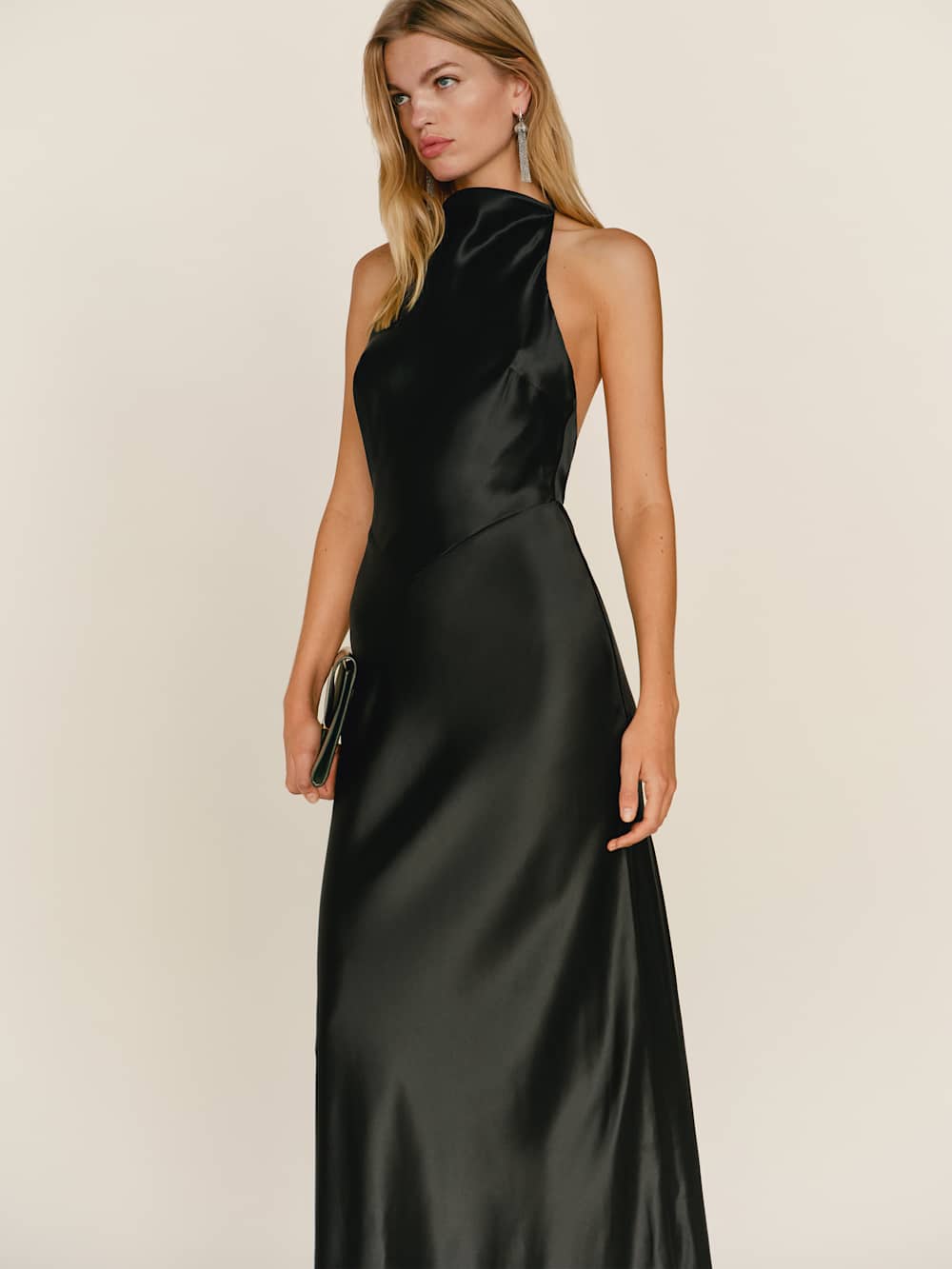
The proclamation that black is off-limits at weddings feels increasingly antiquated, and Dakota Johnson’s appearance en route to Taylor Swift and Travis Kelce’s 2026 nuptials offers a definitive, stylish rebuke. It’s a moment that signals a significant shift in wedding guest attire – a move away from prescriptive, often restrictive, rules and towards a celebration of individual expression. The elegance of a well-chosen Little Black Dress (LBD) transcends fleeting trends; it speaks to timeless sophistication and a quiet confidence. This isn’t about rebellion; it’s about understanding that true style isn’t dictated by a color palette, but by the way an individual carries themselves and the intentionality with which they present themselves. The resurgence of this classic choice aligns with broader currents within fashion, reflecting a desire for understated luxury and a move away from overtly flashy displays—a sensibility readers will recognize as echoing the ethos we champion. It’s a departure from the fleeting Y2K trends showcased in Shop the Y2K-Inspired Outfits From Our "Elle" Popsugar Pulse Cover, demonstrating a preference for enduring style over momentary novelty.
The power of Johnson’s choice lies in its simplicity and the inherent versatility of the LBD. It's a blank canvas onto which one can project their personal style – a statement of intentionality. The article’s mention of pairing dresses with sandals also speaks to this relaxed, modern sensibility It's Here: The Summer 2026 Way to Wear a Dress With Sandals, suggesting an overall shift towards a more effortless, less contrived approach to dressing. Weddings, traditionally spaces for formal attire, are slowly evolving to embrace a wider range of expressions. This isn't about disrespecting the occasion; it’s about acknowledging that joy and celebration can manifest in many forms, and clothing is merely a vehicle for expressing that feeling. Furthermore, the focus on mindful consumption and a rejection of excess, a core tenet of the “calm luxury” aesthetic, makes the LBD, a piece potentially already residing in one’s wardrobe, a particularly astute and sustainable choice. The emphasis isn't on acquiring something new, but on reimagining and elevating what already exists.
Beyond the immediate fashion implications, Johnson’s choice reflects a larger cultural shift: a growing acceptance of individuality and a rejection of rigid social norms. For years, wedding guest attire has been governed by a complex web of unwritten rules, often rooted in outdated traditions. The willingness to challenge these norms, particularly by a figure of Johnson’s prominence, sends a powerful message—that personal style and genuine expression are more valuable than adhering to arbitrary guidelines. It’s a validation of the “this is my world” energy we strive to embody—an invitation to define one’s own aesthetic boundaries, regardless of external pressures. The focus on inner well-being and conscious living, principles explored in articles like How to Eat Like You Live in a "Blue Zone", extends to how we present ourselves externally, advocating for choices that feel authentic and aligned with one's values.
Looking ahead, it’s likely we’ll see an even greater blurring of the lines between formal and informal wedding attire. The pressure to conform to traditional dress codes will continue to diminish, allowing guests to express themselves more freely and authentically. The LBD, far from being considered a faux pas, will solidify its status as a timeless and elegant option for any celebratory occasion. The question becomes: what other long-held fashion “rules” are poised to be gracefully, and confidently, retired? Will we see a broader acceptance of unconventional colors, silhouettes, and textures among wedding guests, or will this primarily manifest as a continued embrace of understated, classic pieces like the LBD, elevated through intentional styling and a quiet sense of self-assuredness?