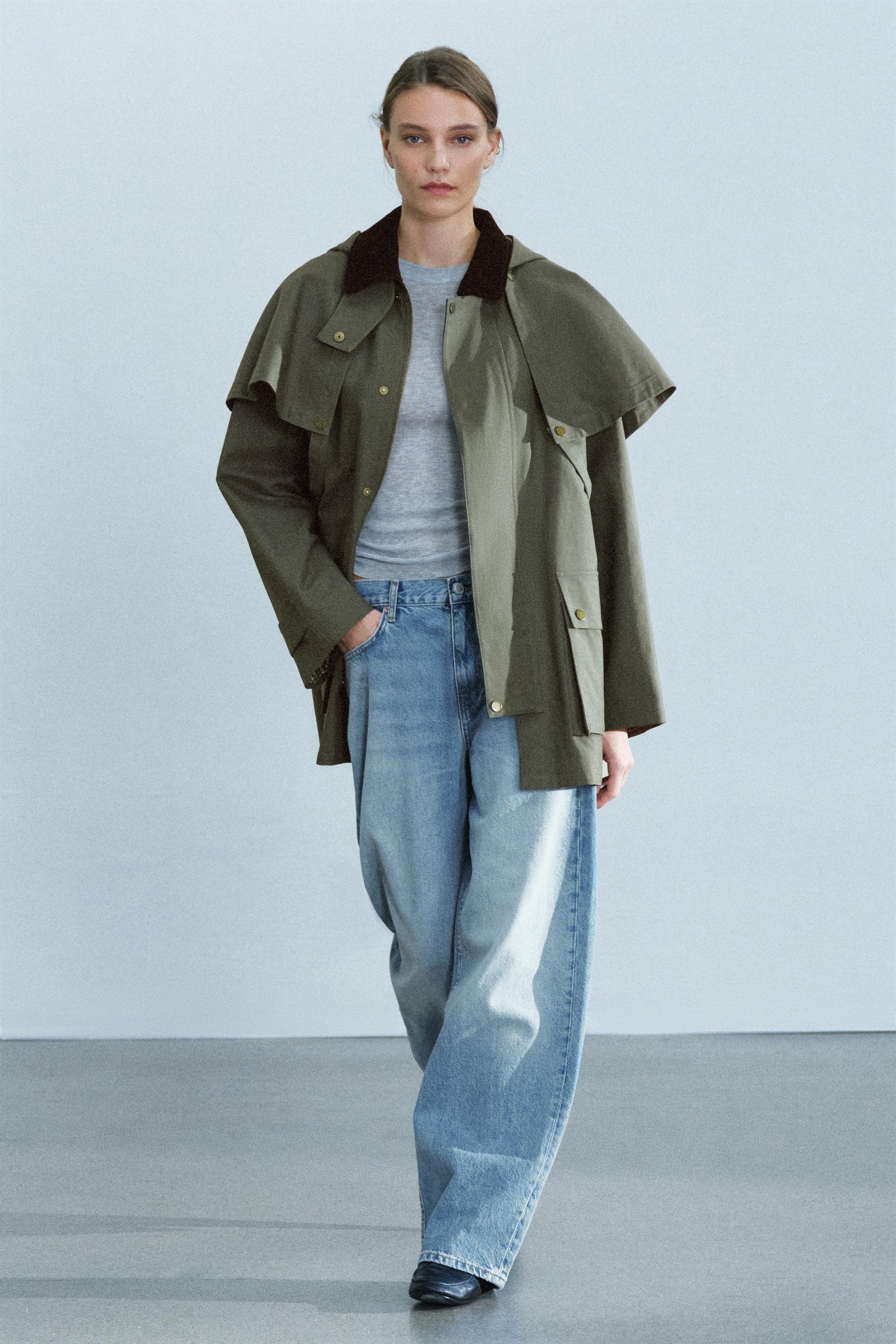
The pursuit of elevated style on a more accessible budget is a perennial conversation, and the recent piece on Who What Wear, "I Have Expensive Taste on a Zara Budget—9 Rich-Looking Autumn Buys That Could Pass for Designer," taps directly into that desire. It’s a sentiment we at SQORPIOS understand implicitly – the yearning for a polished aesthetic doesn't necessitate a depleted bank account. The article’s premise resonates because it acknowledges a broader shift in consumer behavior: a growing rejection of overt displays of wealth in favor of understated elegance. This echoes the quiet luxury ethos we champion, where quality, craftsmanship, and timeless silhouettes speak volumes without the need for conspicuous branding. We’ve seen this trend reflected in the increasing popularity of articles like My Friend Asked Me Which Knitwear Trends Will Peak This Autumn—These 6 Will Define the Season, highlighting a desire for considered, long-lasting pieces rather than fleeting trends, and also the renewed interest in classic denim styles, as demonstrated in Not Blue Jeans—Chic Women Are Switching to This Elegant Denim Trend That’s All Over Zara, H&M and COS. The focus is moving toward building a wardrobe that feels intentional and curated, regardless of price point.
The article's appeal isn't just about finding affordable alternatives; it’s about the *idea* of aspirational style being democratized. Zara, in this context, isn't just a retailer; it’s a gateway to a certain aesthetic. The curation of their new-in section, as highlighted, reflects a keen understanding of what resonates with consumers seeking a refined look. It’s a savvy marketing strategy, leveraging the power of suggestion and visual storytelling to create the illusion of exclusivity without the hefty price tag. This aligns with our own philosophy of subtly weaving brand elements into a lifestyle narrative, rather than aggressively pushing products. The piece’s success demonstrates the effectiveness of this approach—it doesn't tell readers *what* to buy, but rather inspires them to cultivate a particular *feeling* – the feeling of effortless sophistication. Furthermore, the continued fascination with cities like London, as evidenced by London Calling: The It Girls Defining Style in the City in 2026, reinforces the idea that style is intrinsically linked to a specific cultural context and mood, something that can be emulated and adapted regardless of budget.
This development has significant implications for the fashion industry as a whole. It signals a potential shift away from the relentless cycle of fast fashion and towards a more considered approach to consumption. While accessibility is key, it also presents an opportunity for brands to focus on quality, design, and sustainability, even within the affordable market segment. Zara's ability to mimic the look of designer pieces suggests a growing sophistication in their design processes and material sourcing. However, it also raises questions about the ethics of replicating high-end aesthetics without necessarily upholding the same standards of labor and environmental responsibility. The consumer, increasingly discerning, is likely to demand greater transparency and accountability from brands, regardless of price point. Ultimately, the desire for "expensive-looking" style is not just about appearances; it’s about aligning with a set of values that prioritize quality, intention, and a sense of personal identity.
Looking ahead, the line between accessible and luxury will continue to blur. We anticipate seeing more brands offering elevated basics and timeless silhouettes at more approachable price points, while simultaneously emphasizing the importance of mindful consumption. The challenge will be for brands to maintain a sense of exclusivity and desirability without resorting to overt displays of wealth or unsustainable practices. The question remains: how can brands authentically cultivate a feeling of quiet luxury, fostering a community of discerning consumers who value self-expression and intentional living over fleeting trends and conspicuous consumption? The answer, we believe, lies in embracing the power of subtlety, authenticity, and a deep understanding of the emotional drivers that shape our style choices.