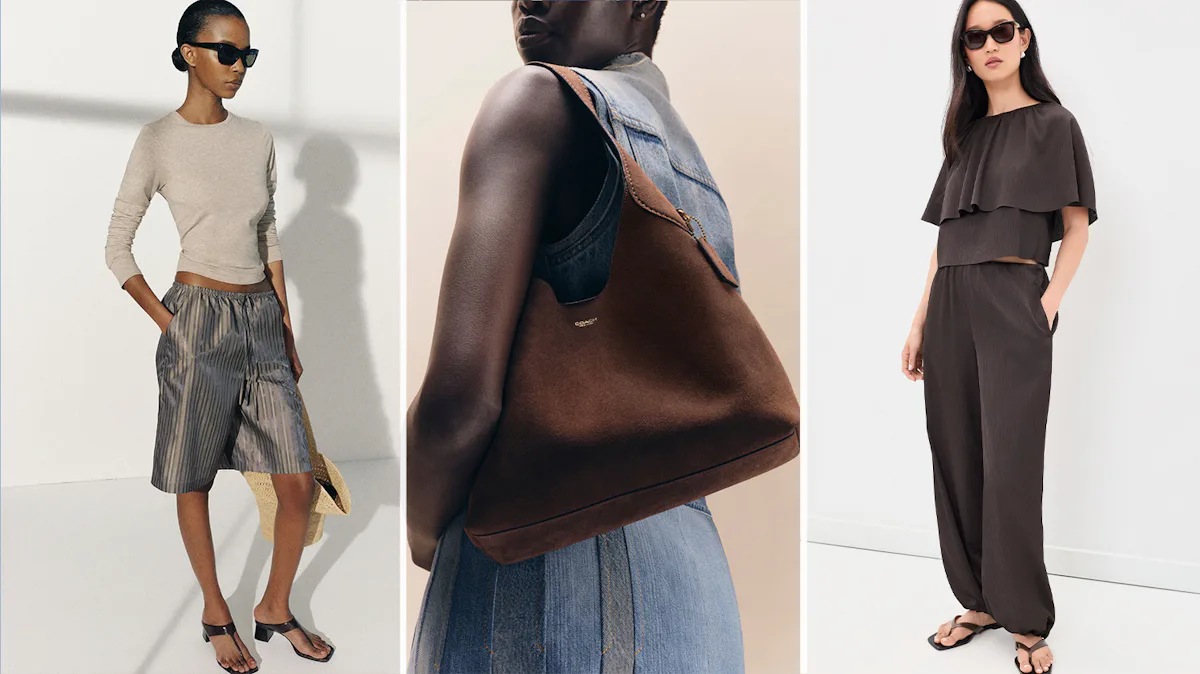
There is a particular quiet thrill in the moment a wardrobe stops performing and starts communicating. The article's premise, that our 9-to-5 uniform has become an obligation rather than an inspiration, lands with the weight of a familiar truth. We have all stood before a row of identical black trousers, feeling less like a modern muse and more like a placeholder. The suggestion that a roomy hobo tote or a nipped-waist blazer can inject joy back into the daily rhythm is not about frivolity. It is about intention. This is the same instinct that has J.Lo trading her signature bodysuit for tailored ease in Milan, a reminder that true power lies in ease, not in volume.
We are moving past the era of the uniform as a form of self-erasure. The old rules insisted that professionalism meant disappearing into the background. These editor picks suggest the opposite: that our most assured selves are the ones we bring into the conference room. A structured blazer that cinches at the waist does not hide; it defines. A luxe suede carryall does not merely carry our laptops; it carries our narrative from the morning commute to post-work drinks without demanding a costume change. This is the quiet-luxury mentality we have been circling, the same sensibility that has the quiet-luxury shade replacing the classic neutrals you own. It is not about adding more noise to the racket. It is about refining the signal until only the essential, and the essential self, remains.
The practical takeaway here is not to overhaul your entire closet, which would be chaotic and deeply un-luxe. It is to audit your pieces for their emotional resonance. Ask yourself if that button-down sparks anything beyond mild resignation. If the answer is no, consider what a single, beautifully constructed item might do for your daily presence. We would tell a reader that the joy is not in the acquisition but in the feeling of alignment. A single bag, like the one Katie Holmes finds quiet perfection in during Milan, can change the entire posture of an outfit. It is the difference between wearing clothes and inhabiting them.
The specific consequence to watch for is the shift from dressing for the role to dressing as the author of it. When you stop treating your workwear as a costume and start treating it as a canvas for your own assured taste, the mundane dissolves. The real luxury is not the suede or the silhouette; it is the confidence to walk into the room without apology, carrying everything you need in a bag that knows exactly where it is going.