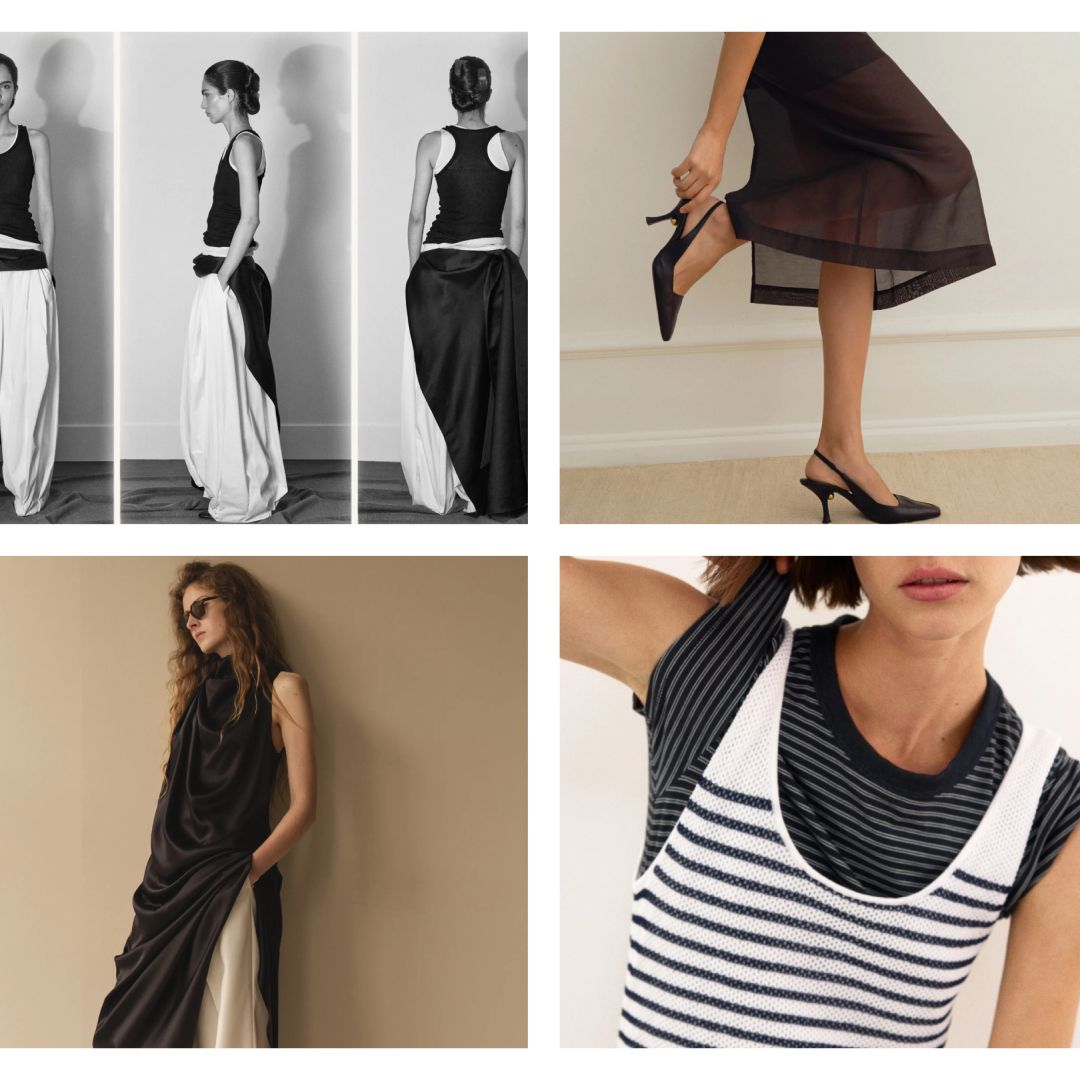
There is a quiet revolution happening in how we dress for warmth that never quite arrives the way we expect it to. Summer layering, once an afterthought reserved for unpredictable evenings, has become its own language — one that speaks to intention, texture, and the kind of self-knowledge that separates getting dressed from actually getting ready. When you look around at the broader cultural conversation right now, from Olivia Jade On The Launch Of Her Makeup Brand O.Piccola to the ongoing dialogue about ethical production sparked by conversations like What do people think about Teemill?, the through line is unmistakable: people are no longer content with surface-level choices. Every decision, from the product we put on our skin to the way we drape a scarf around our waist, carries meaning. And the question of how we layer in summer is no different. It reflects something deeper — a desire to curate rather than consume, to feel something rather than simply be seen.
The tricks themselves are deceptively simple. A silk scarf knotted at the hip transforms a linen dress into something architectural. A sheer blouse layered over a fitted tank creates dimension without weight. Stripes worn beneath an open cardigan give the eye somewhere to travel. But what strikes me most is not the technique — it is the philosophy underneath it. These are not tricks designed to impress. They are designed to deepen the relationship between the wearer and the wardrobe. When you tie a scarf into a belt, you are making a decision about proportion, about where the body ends and the garment begins. When you choose to let a sheer layer hint at what lies beneath, you are choosing mystery over declaration. There is an unmistakable sensuality in that restraint, a confidence that does not need to announce itself.
What makes this conversation particularly relevant right now is the shift it represents in who holds styling knowledge and how it is shared. For decades, the mechanics of layering — the interplay of weight, opacity, and proportion — lived inside ateliers and magazine editorial meetings. Now they are being democratically exchanged, tested in real time, and refined by women who dress not for a runway but for a Tuesday afternoon. That is not a dilution of expertise. It is an expansion of taste. And it mirrors something larger happening across fashion and beauty: the barriers between creator and consumer are dissolving. We see it in how people engage with their summer wardrobes, in the questions they ask each other about what to wear and why, and in the way brands are being built from personal conviction rather than corporate strategy. The question of What shorts are we wearing this summer? is not small — it is a collective negotiation between comfort, identity, and the desire to feel pulled together even in the heat.
If there is one thing I would want anyone to take from this layering conversation, it is this: the most powerful thing you can wear in summer is intention. Not trend, not volume, not the pressure to look effortless while trying very hard. Just the quiet, deliberate act of choosing one more layer — not because you need it for warmth, but because it makes the outfit yours. That distinction matters more than any trick ever could. And I believe the women who understand this, the ones building brands and wardrobes from the inside out, are the ones who will define how the next chapter of personal style is written.