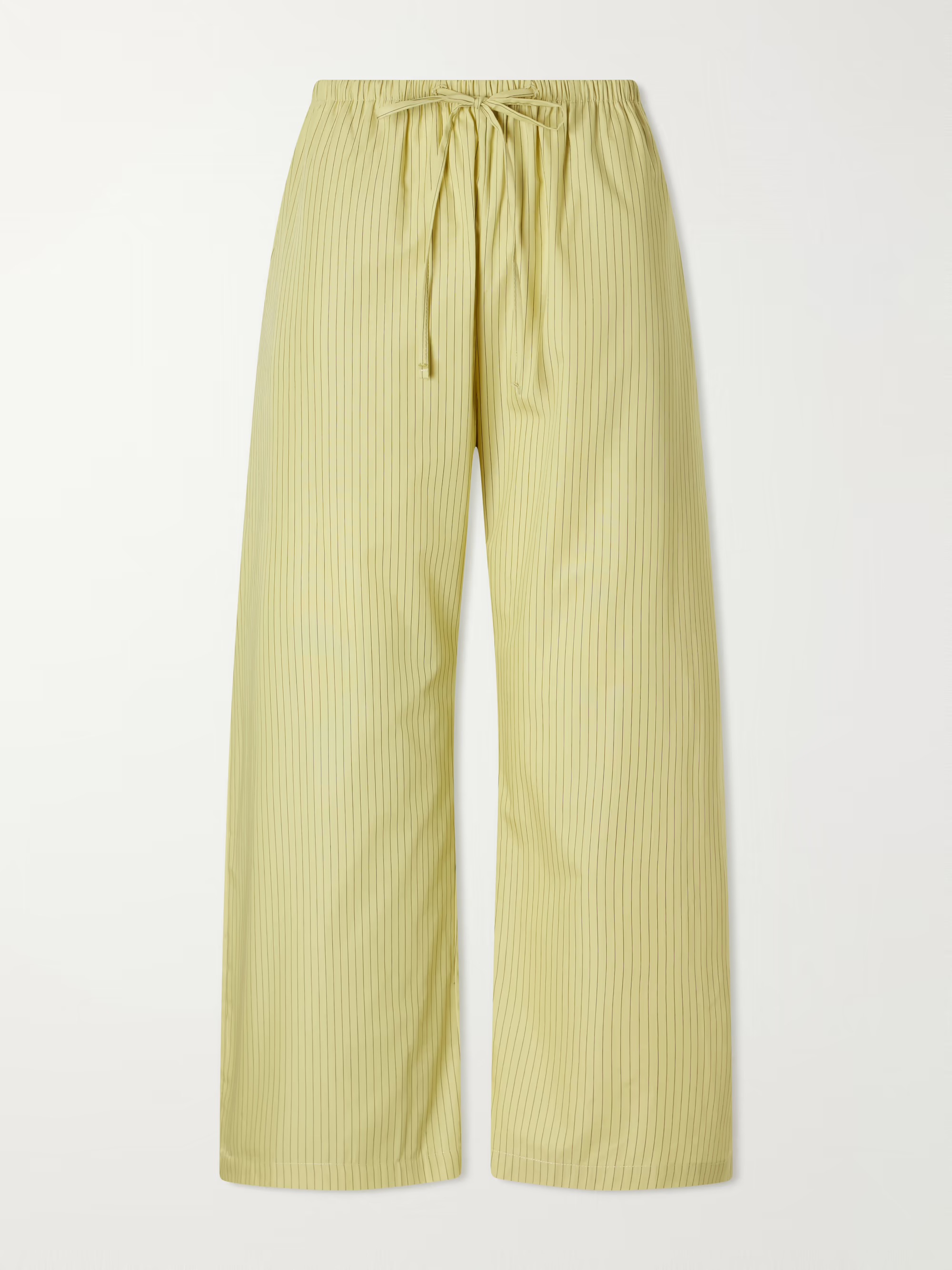
There is a particular kind of confidence that arrives with summer. It is not loud or declarative; it is the quiet assurance of knowing exactly what feels like you, even when that means stepping slightly outside your usual uniform. The piece on elevated play captures this tension beautifully, noting how a self-described minimalist becomes more experimental when the temperature rises. That idea, that playfulness can exist within restraint, is precisely where style becomes personal rather than performative. It is not about abandoning your aesthetic; it is about allowing it to breathe. This approach feels especially relevant when set against the pieces we have been watching, such as the quiet-luxury staples defining the season or the case for the quiet-luxury shade replacing classic neutrals. The through-line is intention.
What resonates most here is the emotional undercurrent beneath the surface of "print." We often treat pattern as a risk, something to be managed or balanced with a neutral shoe, a simple bag. But the article suggests something more tender: that a print can be an extension of mood, a form of self-expression that does not require explanation. The reference to a bright yellow tile printed dress is not about the garment itself; it is about the feeling it evokes. It is the difference between wearing something and embodying it. For our readers, this is a permission slip of sorts. It says you can remain a minimalist at your core, with all the calm and clarity that implies, while still allowing a piece of joy to enter your rotation. It is not a contradiction; it is a conversation between your baseline and your aspiration. That is a far more sustainable approach than a complete seasonal overhaul.
There is also a quiet rebellion in this perspective. The fashion world often pushes us toward either/or thinking: either you are a purist or you are a maximalist. But this narrative suggests that the most compelling personal style is neither. It is a considered blend, where the rules you set for yourself are less important than the confidence with which you wear them. This is where the piece feels most aligned with a modern sensibility. It is not about following a trend; it is about a personal evolution that happens to show up in your wardrobe. As seen with figures like J.Lo trading her signature bodysuit for tailored ease, there is a growing appetite for comfort and sophistication that does not compromise on character. The lesson is clear: play is not the opposite of polish; it is the refinement of it.
If we are to embrace this fully, the practical takeaway is simple. When you shop this summer, do not ask if an item is "you" based on past versions of yourself. Ask if it speaks to the version of you that is willing to experiment, just a little. That is the piece of advice we would offer to any reader standing in a fitting room, holding a printed dress and hesitating. Let the print be the anchor, and let your confidence do the rest. The result will not just be an outfit; it will be a statement of self-awareness. The detail to watch is how you feel when you wear it, not how it looks on a hanger. That is the quiet luxury of knowing yourself well enough to play.