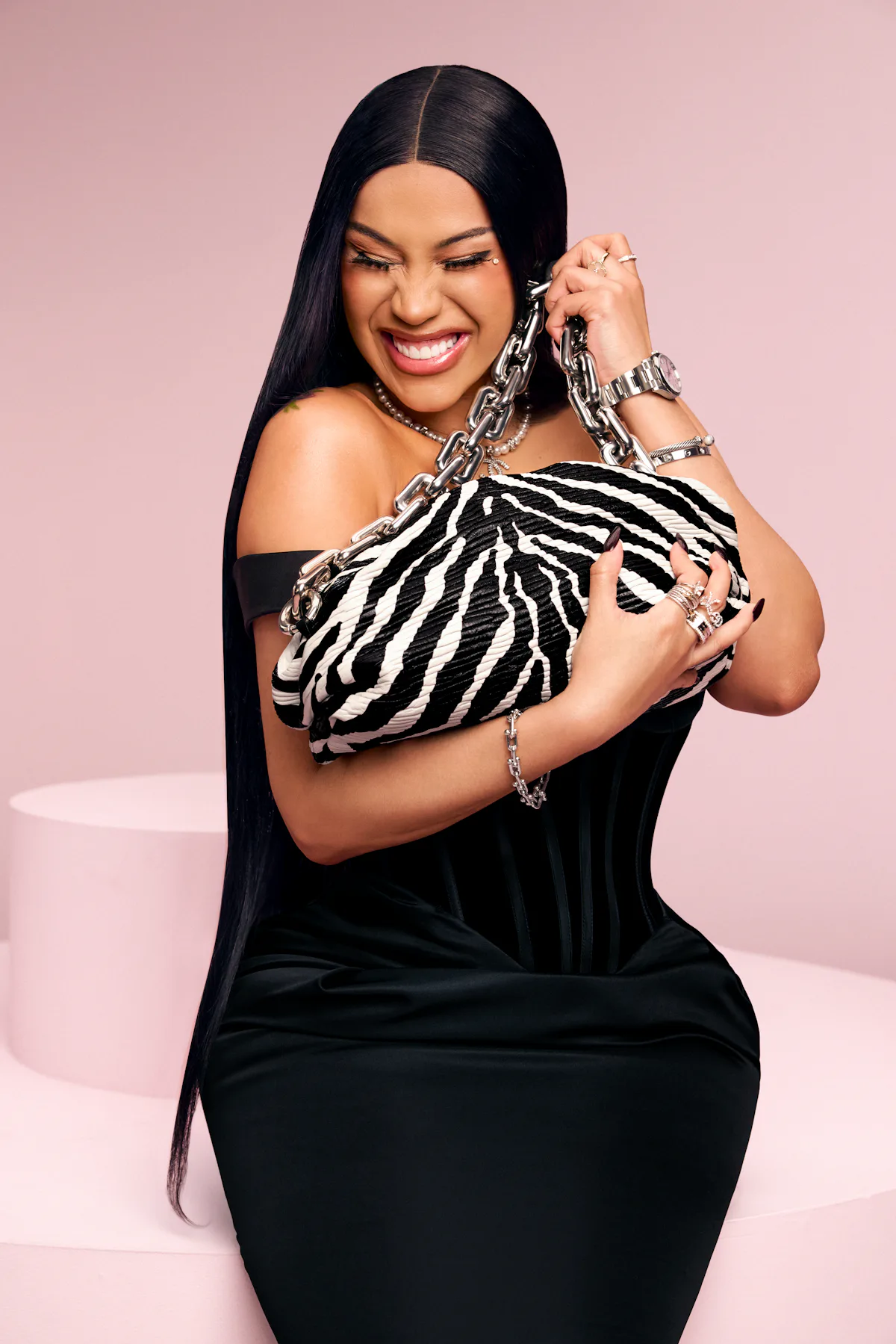
Fashionphile's recent announcement of Cardi B as its newest brand ambassador marks a significant evolution in the luxury resale market, capturing the essence of both modern celebrity culture and the burgeoning trend of sustainable fashion. This partnership follows the brand's successful collaborations with influential figures such as Martha Stewart, Nicole Richie, and Emma Roberts, each of whom has brought their unique flair to the Fashionphile ethos. As consumers increasingly seek authenticity and relatability in their fashion choices, the inclusion of a global icon like Cardi B is a strategic move that resonates with a broader, more diverse audience.
Cardi B’s presence in the Fashionphile sphere signifies a shift towards a more inclusive representation within the luxury segment. Unlike traditional luxury marketing that often emphasizes unattainable opulence, Cardi embodies an aspirational yet relatable persona. Her bold style choices and unapologetic self-expression reflect a contemporary understanding of femininity and empowerment, aligning seamlessly with Fashionphile's mission to provide high-end accessories in a sustainable way. As more individuals become aware of the impact of fast fashion, partnerships like this not only help to elevate the brand’s image but also foster a sense of community among consumers who value conscious consumption.
This collaboration invites us to reflect on the evolving role of celebrity endorsements in the fashion landscape. The power dynamics have shifted; consumers are no longer passive recipients of marketing messages but active participants seeking authenticity and connection. As seen in other recent developments, such as Calzedonia Named Hailey Bieber Its New Global Ambassador—And the Swimwear Collection Is Coming With Me Everywhere This Summer (See Exclusive Photos From the Campaign!), brands are utilizing cultural icons to bridge the gap between luxury and everyday accessibility. This trend suggests a growing acceptance of diverse narratives within fashion, where the emphasis is less on exclusivity and more on community and shared experiences.
Furthermore, Cardi B’s role as an ambassador for Fashionphile adds an intriguing layer to the conversation around luxury resale. It challenges the preconceived notions of who can be a luxury consumer and what that consumption should look like. The partnership is not merely about promoting exclusive accessories; it is about redefining luxury to include a variety of voices and styles that resonate with a wider audience. This idea aligns with the current fashion dialogue where Fashion People Are Loving the Color Brown Right Now—7 Ways to Style the Chic Color sheds light on how personal style transcends traditional boundaries, encouraging individuals to express their identities through fashion choices that feel authentic to them.
As we look ahead, it will be fascinating to observe how this partnership influences both Fashionphile's brand perception and the broader luxury resale market. Will we see more brands embracing a similarly inclusive approach to their ambassador selections? How will consumers respond to this shift in narrative? The implications of Cardi B’s role as a brand ambassador extend beyond mere marketing; they challenge the status quo and invite a new generation to engage with luxury fashion on their own terms. In an age where sustainable practices and authentic representation are becoming increasingly paramount, this development serves as a reminder that the future of fashion is as much about identity and community as it is about style.