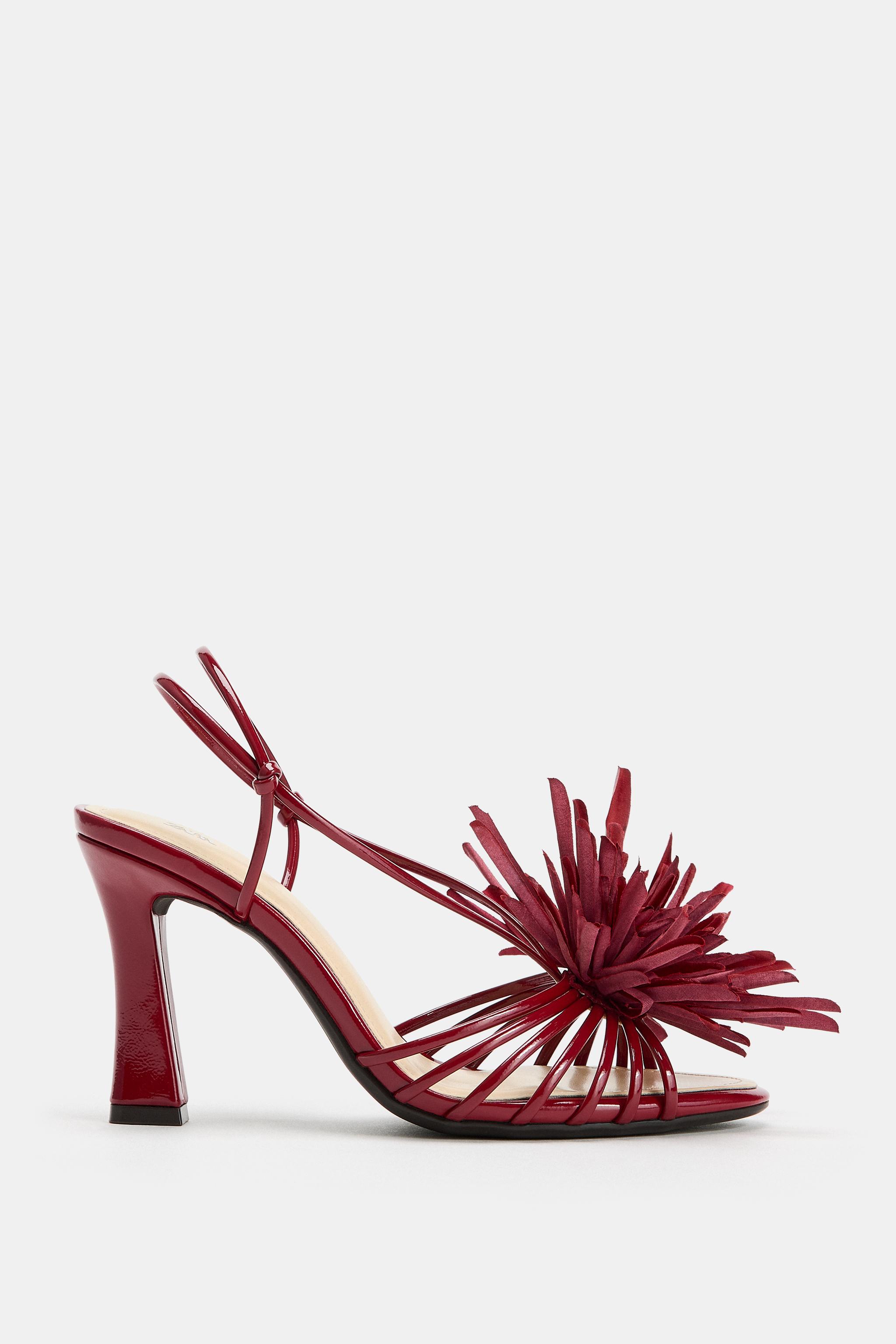
There is a particular kind of confidence that arrives with autumn. It is not the loud, sun-soaked energy of summer, but something quieter, more deliberate, a pulling inward that feels almost ceremonial. This is why the return of fringe and the whisper of flower-embellished heels for Fall 2026 resonates so deeply. It is not about decoration for the sake of it; it is about texture as a form of emotional expression. When printed shorts and pants begin to feel fresh again, we are not just updating a wardrobe. We are signaling a shift in how we want to inhabit our own skin. The season is asking us to feel the weight of our clothes, to let the movement of a fringe-trimmed knit carry a sense of intention into an ordinary Tuesday.
For our readers, this is less about a shopping list and more about a recalibration of perspective. We have watched the industry chase noise for years, and it is a relief to see a collective exhale toward pieces that demand presence rather than attention. When a jacket carries a little more personality, it is not a costume; it is a conversation starter with yourself. The practical takeaway here is restraint. You do not need a head-to-toe transformation. You need one piece that makes you pause, that invites a second glance in the mirror because it feels like you, but more so. This is the quiet luxury of knowing that a single, well-chosen detail, a fringe that sways as you walk, a petal caught on a heel, can ground you in the moment more effectively than any trend report. We would tell anyone asking that the secret is not in the volume of newness, but in the texture of your own self-awareness.
What feels distinctly modern about this direction is the softness it demands. There is no sharp tailoring here, no armor. Instead, the mood is one of self-connection and creative flow, a nod to the fact that our style is an internal landscape made visible. The whimsy of a flower on a shoe is not childish; it is a quiet rebellion against the overly serious. It is a reminder that femininity is not a performance for an audience, but a private language we speak with ourselves. This is the emotional bond that makes a piece feel worth keeping. We are not buying an object; we are buying a feeling of freedom, a small portal to a more poetic version of our daily routine. The designers are not shouting; they are whispering, and the message is clear: pay attention to how things make you feel, not just how they look.
The specific detail to watch as the season unfolds is how this translates beyond the runway and into the rhythm of a real life. Will the fringe survive a commute? Will the flower on the heel feel as intentional at 6 p.m. as it did at noon? The answer lies in how we choose to wear them. We should not be asking if a piece is "in," but rather, does it ask something of us? Does it require us to slow down, to move with more grace, to be more present? That is the only question that matters. The concrete consequence of this editorial direction is a wardrobe that is quieter, but infinitely more articulate. The takeaway is simple: let your clothes hold the emotion you are not ready to say out loud, and the season will feel less like a change in weather and more like a return to yourself.