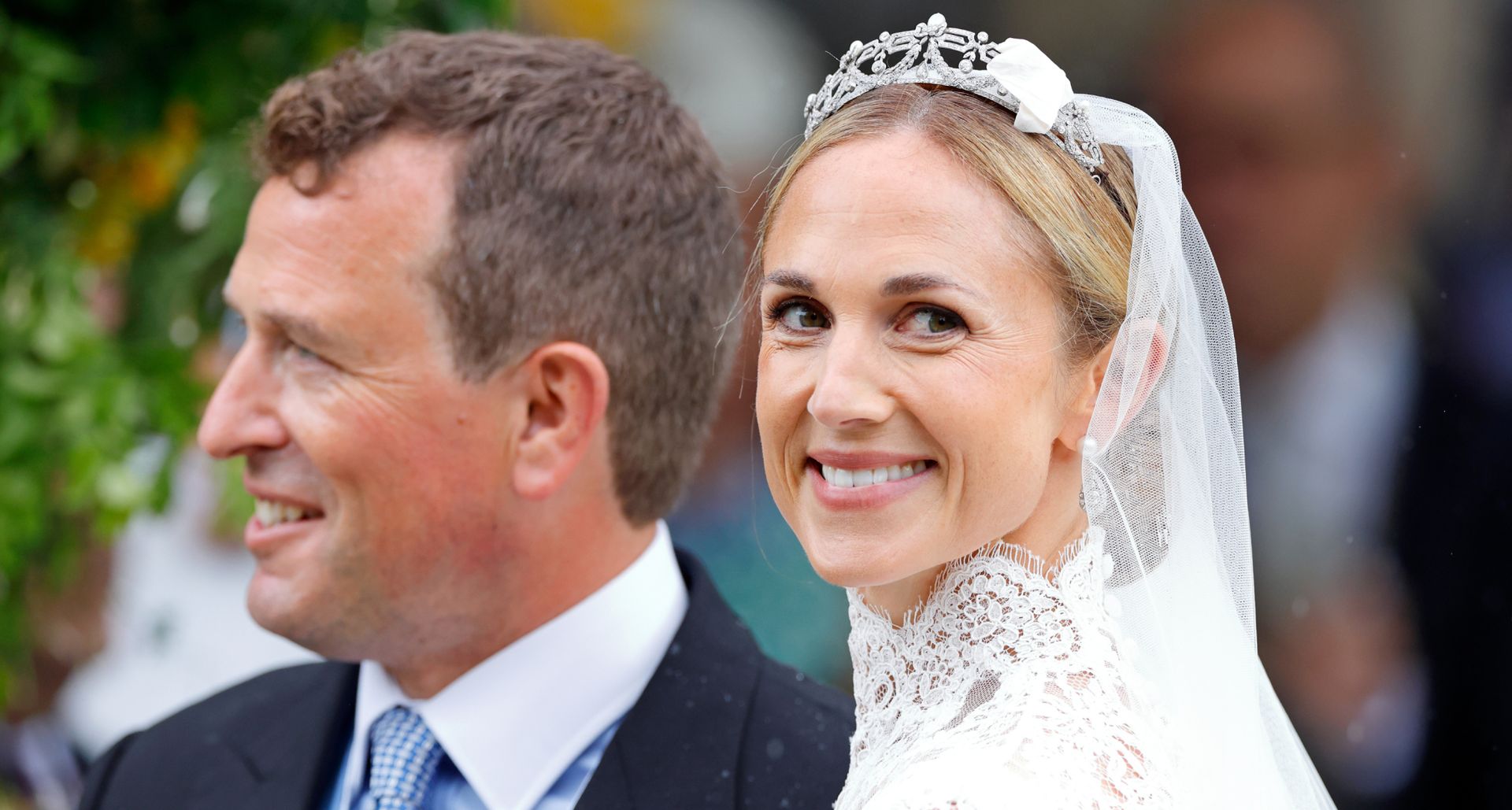
There is something quietly radical about a wedding dress that refuses to perform. Harriet Sperling's Emilia Wickstead gown, fitted, square-necked, wrapped in lace inspired by the wildflowers of Gloucestershire, did not clamour for attention. It simply existed, and in doing so, it reminded us that the most memorable bridal moments are often the most restrained. This is a lesson that extends well beyond royal weddings, and one that echoes the The Quiet Code: How the Best-Dressed Guests Are Setting the Tone we have been watching unfold across the season's most discerning gatherings.
What makes this story resonate is not the tiara, though the diamond and pearl piece borrowed from Pragnell was a lovely touch, but the intention behind every decision. Harriet, a former NHS paediatric nurse and a mother walking down the aisle for a second time, chose a designer known for architectural precision and a certain understated grace. Emilia Wickstead does not design for the spectacle; she designs for the woman. The result was a dress that felt both timeless and deeply personal, inspired by the 19th century yet entirely modern in its quiet confidence. Harriet admitted that the fit and cut were informed by the fact that it was a second wedding, and that awareness lent the gown a romantic softness rather than any sense of compromise. It was a dress that understood its context.
In a cultural moment where bridal fashion can too easily tip into performance, there is a particular elegance in choosing substance over shock. Harriet's reflection on the process, "She realized a dream for me", speaks to the kind of collaboration that produces something rare: a garment that feels like an extension of self rather than a costume. This is the same sensibility that makes a well-dressed guest stand out without trying, and it is why we continue to return to designers like Wickstead, who treat tailoring as a form of intimacy. Even Princess Kate, a longtime client, understands that Wickstead's power lies in what is left unsaid.
The practical takeaway here is for any woman considering her own bridal look: resist the urge to overcomplicate. A dress that honours your life, your landscape, and your history, whether that means local wildflowers or the reality of a second marriage, will always carry more weight than one designed for a headline. Harriet's daughter and stepdaughters held her train pristine through the rain, and that image, more than any royal protocol, is the detail worth remembering. It suggests that the real legacy of a wedding dress is not how it photographs, but how it allows the woman inside to move through her day with grace.