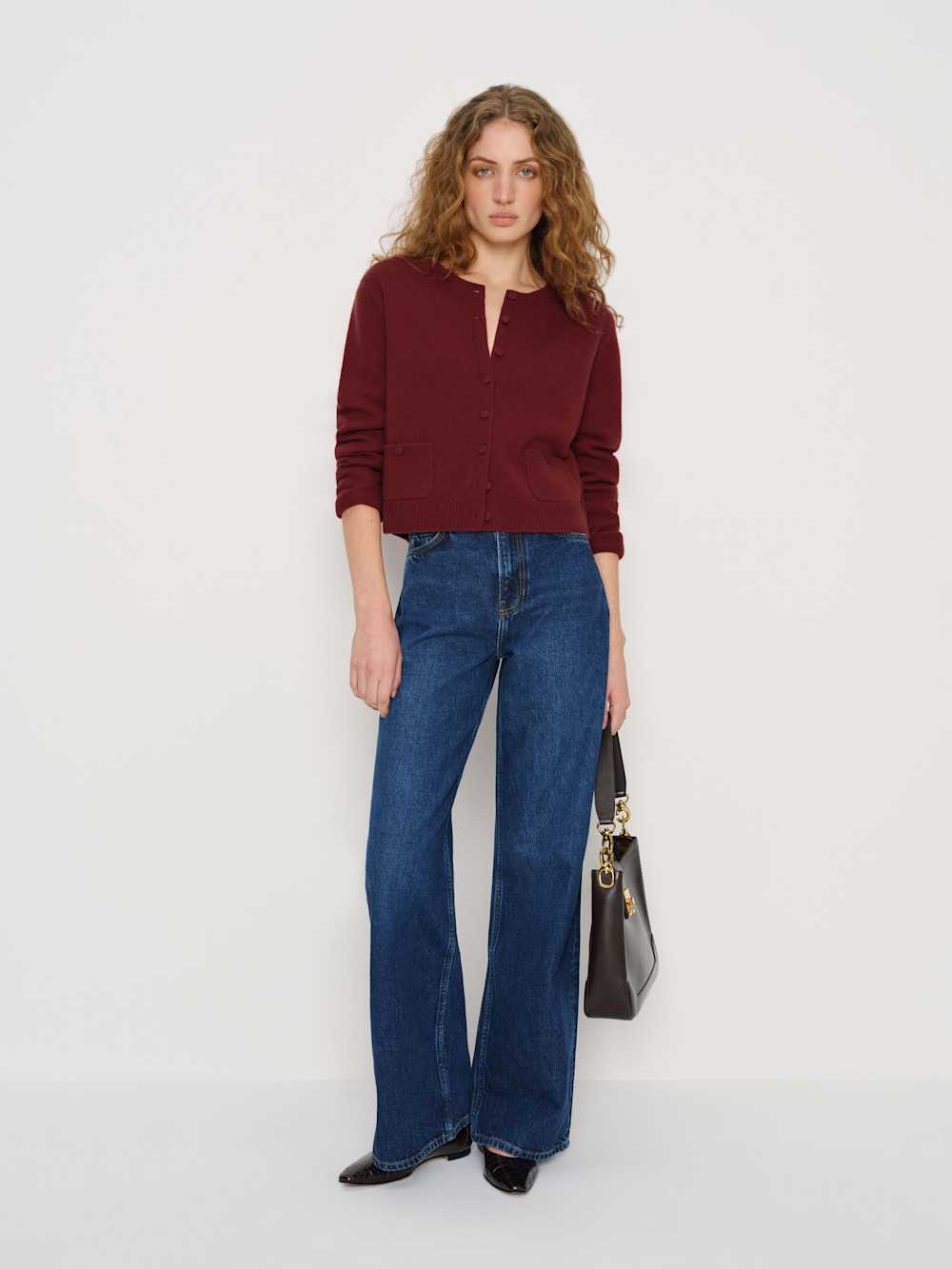
There is a particular kind of trust that forms when a wardrobe reveals itself slowly, piece by piece, and it seems Reformation has earned that quiet devotion. The idea that one brand can carry the weight of an entire aesthetic is not about laziness or lack of imagination; it is about certainty. When you find a designer who understands the architecture of your daily life, you stop shopping for clothes and start collecting a language. This is the feeling the article captures, and it is the same instinct that draws us toward the Quietly Exceptional Finds That Earned Their Devoted Following or the seasonal editing of The October Edit: The Quiet-Luxury Staples Defining the Season. We are not looking for more; we are looking for the right pieces that ask nothing of us except to be worn well.
What strikes me as most compelling about this reliance on a single house is the confidence it implies. It is a form of self-knowledge to admit that a particular designer simply *gets it*, whether that means the cut of a trouser or the weight of a silk slip. The article hints at a wardrobe built on "classic designs, trending details and quality fabrics," which is a delicate balance. Most of us err on one side, either clinging to the safe or chasing the fleeting. Reformation's hold on this reader's closet suggests a maturity that knows how to let a trend pass through without letting it take over. It is the same energy as the Elevated Footwear: Defining Fall's Quietly Stylish Sneaker Selection, where the choice is not about volume but about the precise, understated rightness of the thing.
For our readers, the practical takeaway is not to go out and buy the entire collection. It is to pay attention to the pieces you reach for on repeat, the ones that make you feel like yourself without a second thought. That is the quiet luxury we talk about: not a logo or a price tag, but a sense of alignment. If you asked me about building a capsule wardrobe, I would tell you to stop looking at what is new and start noticing what you already own that you never want to take off. That is your clue. That is the thread to pull.
The one specific detail worth watching here is the idea of the "enduring core piece." In a culture that pushes constant renewal, the most radical act might be to admit that your style is not a constant reinvention but a slow refinement. The question is not what to add next, but what you are finally ready to let go of. That is where the real editing begins.