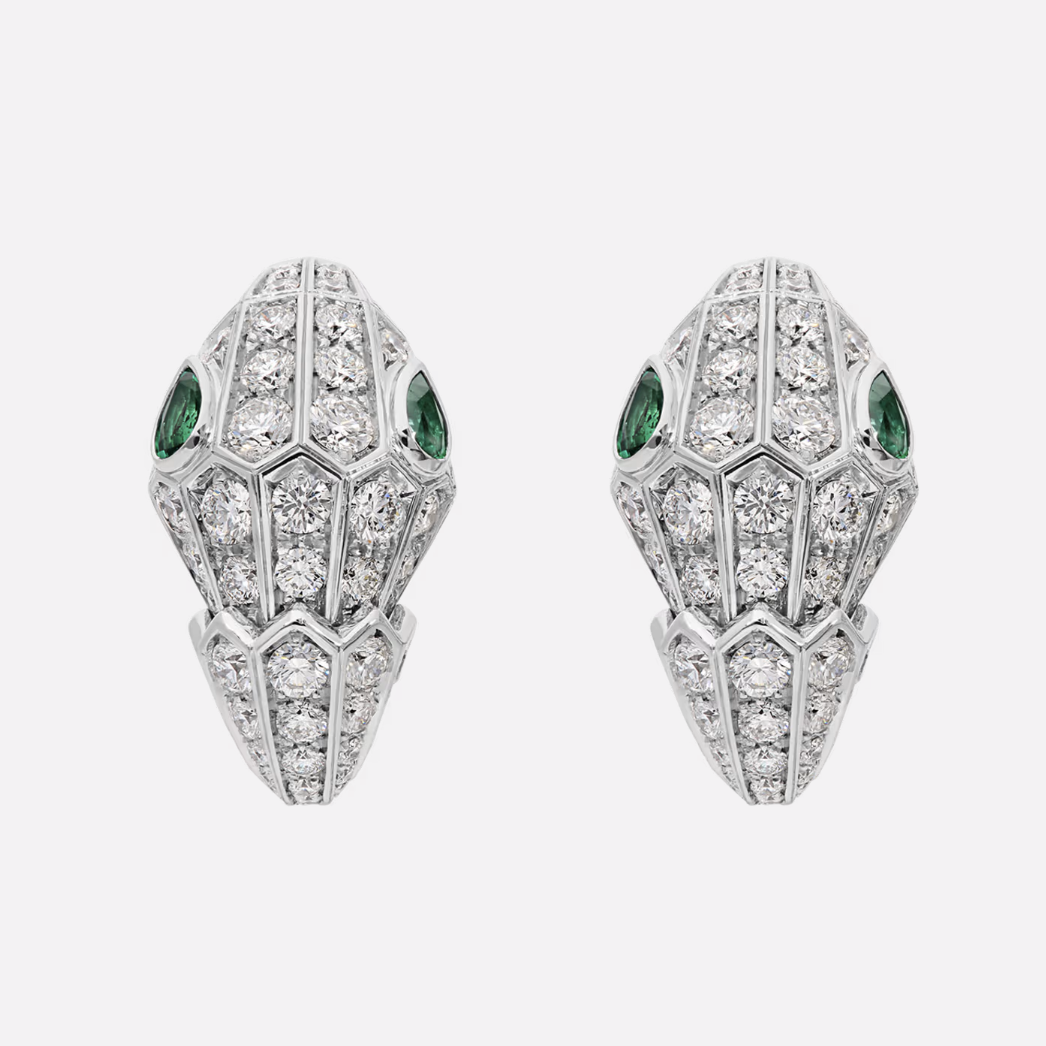
There is a particular kind of woman who understands that glamour is not about the volume of the dress, but the weight of her presence. Dua Lipa, recently married and entirely in her element, reminds us of this on the latest red carpet. She has traded the expected post-wedding uniform of delicate ivory for something far more compelling: a moody, sensual edge that feels less like a performance and more like a quiet declaration of self. It is a masterclass in evening alchemy, where the goal is not to be noticed, but to be remembered for how you made the room feel your arrival.
This approach to dressing is a deliberate rejection of the obvious. It is the same instinct that has been rippling through fashion lately, a shift we have been tracking closely. Consider how J.Lo trades her signature bodysuit for tailored ease in Milan, proving that confidence can be just as potent in a sharp shoulder as it is in a plunging neckline. And then there is the quiet authority of Katie Holmes's Milan Look Finds Quiet Perfection in a Single Bag, a reminder that sometimes a single, impeccable accessory carries more weight than a dozen trends. These are not moments of excess; they are studies in restraint. The lesson is consistent: true power is held, not announced.
For our readers, the takeaway is not to replicate a celebrity look, but to absorb a philosophy. The question is no longer "what should I wear tonight?" but rather "what do I want my presence to say?" The practical shift is in the details. It is in choosing a fabric that holds the light differently, a cut that moves with intention, and a palette that speaks to your inner mood rather than the occasion's expectations. We would tell you to look at your own wardrobe with a curator's eye. Edit out the noise. What remains should feel like a reflection of your current state of mind, not a costume for a role you feel pressured to play. This is how you raise the stakes on your own date night, not by adding more, but by committing fully to the feeling you wish to cultivate.
The most compelling detail to watch is how this sensibility continues to evolve off the red carpet and into our daily lives. We are moving away from the idea of "dressing up" as a separate, performative act. Instead, the goal is to infuse every evening, whether it is a candlelit dinner or a quiet drink at the bar, with the same deliberate, self-assured energy. That is the real alchemy. It is not about the clothes at all, but about the woman wearing them, and the quiet confidence she has chosen to inhabit. The specific consequence of this shift is that our choices become more personal, more introspective. We are no longer dressing for the room; we are dressing for the version of ourselves we want to meet at the end of the night. That is a standard worth raising.