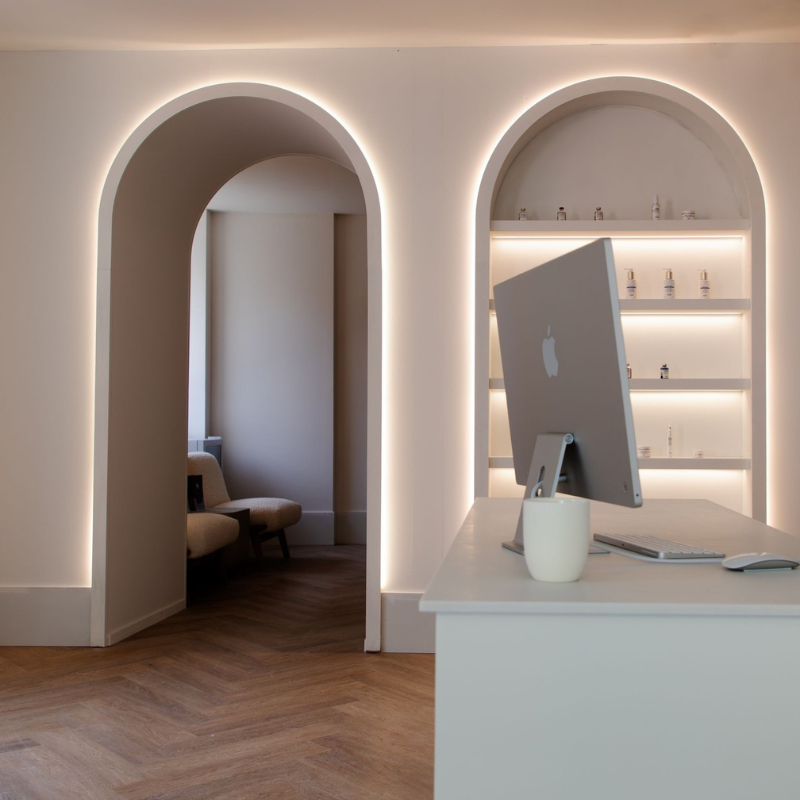
There is something quietly subversive about the way aesthetics clinics are beginning to borrow the language of a monthly blowdry subscription. For years, injectables felt like punctuations in a longer personal narrative, moments of deliberate pause and reset. Now, the model is shifting toward something more continuous, a standing appointment with one's own reflection. It is a change that speaks to a deeper cultural comfort with maintenance as a ritual rather than a remedy, and it is worth paying attention to not because it is loud, but because it is so very quiet. This evolution feels less like a trend and more like a reflection of how we now approach the rest of our lives, with a certain embrace of the shift that values consistency over grand gestures.
We have long understood that style is not a single outfit but a series of considered choices, a philosophy that extends naturally to our hydration rituals and, increasingly, to our skin. The subscription model strips away the pretense of a special occasion, normalizing the idea that maintaining a look is simply part of a routine, like the harmonies of style where a sound and a wardrobe naturally interweave. What is interesting here is the shift in psychology. A one-off treatment is a decision; a subscription is an identity. It moves the conversation from "should I?" to "when is my next appointment?" and in doing so, it asks us to consider whether we are ready to accept that our aesthetic selves require not moments of upkeep, but a continuous, ongoing dialogue.
From a practical standpoint, this is where our take becomes a little more pointed. The appeal is obvious: predictability, potential cost savings, and a certain peace of mind that comes from knowing your aesthetician understands your face as an evolving landscape, not a blank canvas. But we would gently caution against mistaking convenience for necessity. The most refined version of this approach is not about booking more, but about planning better. If a reader came to us asking whether this model is right for them, we would say this: let the subscription serve your intentions, not the other way around. It is a tool for consistency, not a mandate for excess. The true luxury is not in the frequency of the appointments, but in the confidence of walking in with a clear vision and walking out with a lighter sense of self.
What we are watching is the final acceptance of aesthetics into the fold of everyday self-care, a place once reserved for serums and sleep. The open question, then, is not whether this model will last, but whether it will encourage a more thoughtful, less impulsive relationship with our own image. The detail to watch is subtle: whether clinics begin to bundle in complementary services or shift from a fixed plan to a more flexible credit system. If they do, the conversation will move from *how often* to *how well*, and that is a future we can get behind. For now, we are simply observing how a payment plan can quietly change the way we see ourselves, one month at a time.