Exclusive: In a “Wonderful Twist of History,” Prince William Will Be the First British Monarch With American Ancestry, Says Royal Author
Our take
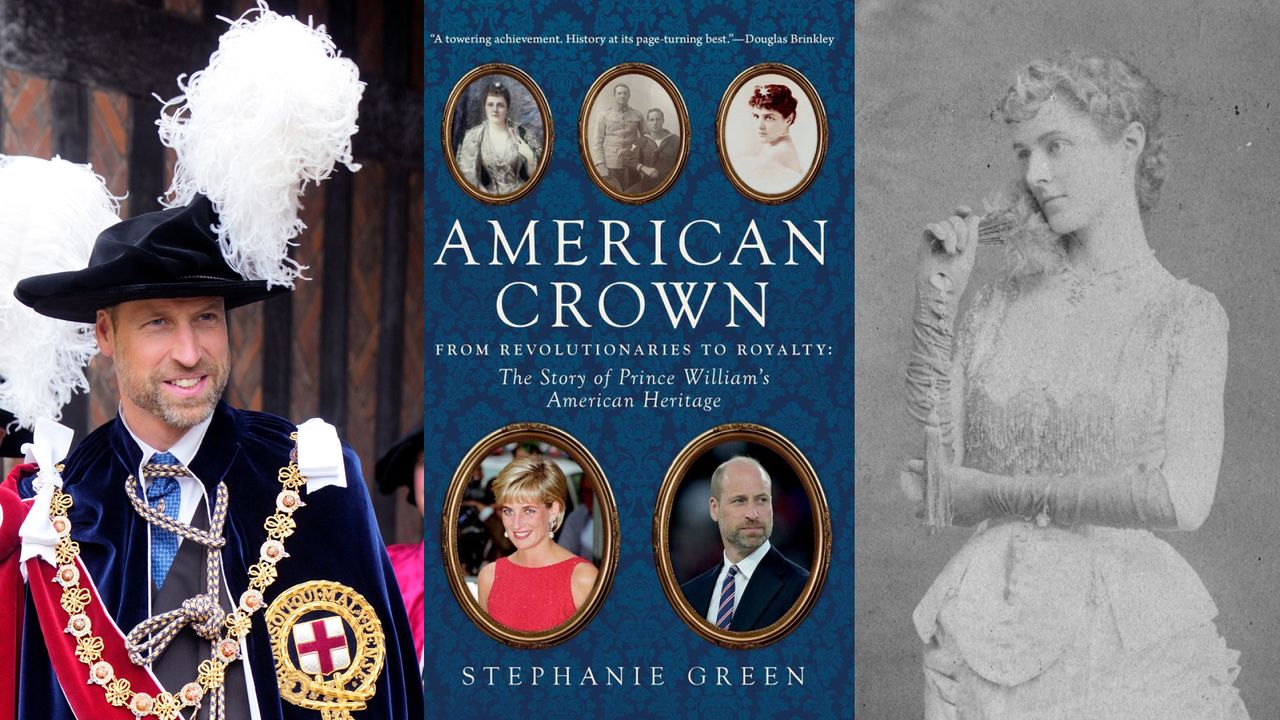
The revelation that Prince William will be the first British monarch with American ancestry, thanks to tracing Princess Diana's lineage, feels like a wonderfully understated shift in the narrative surrounding the Royal Family. Stephanie Green's research, as detailed in *American Crown*, highlights a connection previously less emphasized, and it arrives at a particularly interesting moment. The monarchy’s relationship with the United States has always been complex, a blend of admiration and cautious distance. Meghan Markle’s own American heritage, of course, brought this dynamic into sharper focus, and her experiences navigating royal life – as explored in Meghan Markle Felt Uncomfortable Moving to Montecito Yoga Class – underscored the cultural nuances at play. This new discovery adds another layer to that story, suggesting a deeper, more enduring link than we might have previously acknowledged. It’s a subtle but significant reframing of the Royal Family’s identity, one that could have far-reaching implications for their public perception both domestically and internationally.
The timing of this news is also noteworthy, occurring amidst ongoing scrutiny of the monarchy's finances and relevance. The recent news regarding the considerable expense of maintaining Royal Lodge, formerly Prince Andrew's residence, Ex-Prince Andrew's Former Home, Royal Lodge, Is Going to Cost the Crown Estate "A Lot of Money and Time" After No Royals Want to Live There further fuels conversations about the cost of tradition and the need for modernization. Highlighting a connection to the United States, a nation often associated with innovation and a more pragmatic approach to leadership, could be interpreted as a conscious effort to signal a willingness to evolve. It subtly counters criticisms of the monarchy as being out of touch or overly reliant on antiquated traditions. The fact that this connection is rooted in Diana’s lineage is particularly poignant, given her own enduring popularity and her role in modernizing the Royal Family’s image. It’s a quiet reminder of her influence, even years after her passing.
Beyond the immediate impact on public perception, this revelation speaks to a broader trend of re-examining historical narratives and uncovering hidden connections. Genealogy has become increasingly accessible and popular, allowing individuals to explore their own family histories and, in turn, gain a deeper understanding of their identities. This trend extends to national identities as well; as globalization continues to blur geographical boundaries, it becomes increasingly clear that few cultures exist in isolation. The Royal Family, as a symbol of British heritage, is not immune to this shift. The American connection, while seemingly minor, challenges the notion of a purely European lineage and suggests a more fluid, interconnected history. This also serves as a counterpoint to the recent, somber events in Norway, where the nation mourns the loss of King Harald while Queen Mette-Marit navigates Norway's New Queen Is Forced to Miss Husband King Haakon's Swearing-In Ceremony After Doctor Confirms "Complications" From Lung Transplant, illustrating the fragility of even deeply entrenched institutions.
Ultimately, the discovery of Prince William's American ancestry is more than just a genealogical curiosity; it’s a subtle but powerful symbol of change and interconnectedness. It invites us to reconsider our understanding of both the Royal Family and the broader narratives of national identity. It’s a reminder that history is rarely straightforward, and that even the most seemingly immutable institutions are shaped by a complex web of influences. As the monarchy continues to navigate the challenges of the 21st century, will this newfound connection to the United States play a more significant role in their evolution, or will it remain a fascinating footnote in the annals of royal history?
Meghan Markle might be the most famous royal with American roots, but as the Sussexes settle into their new life back in Britain, there’s another member of the Royal Family who has American blood. Stephanie Green, author of American Crown, tells Marie Claire that Prince William will be the first British monarch with American ancestry—and he could even become an honorary U.S. citizen one day.
Green, who is active with the Daughters of the American Revolution, says that she was surprised to learn how Princess Diana “could have been a member” of the organization due to one of her patriot ancestors. The discovery sent Green down a rabbit hole of “sleuthing and discovering,” and the author found herself amazed with the story of Diana’s American ancestors, including her great-grandmother, Frances “Fanny” Burke Roche.
“She was one of the most celebrated beauties of the Gilded Age,” Green says. “She was born in New York in 1857 and I don't know if you watch the show The Gilded Age, but she is right out of that show.”
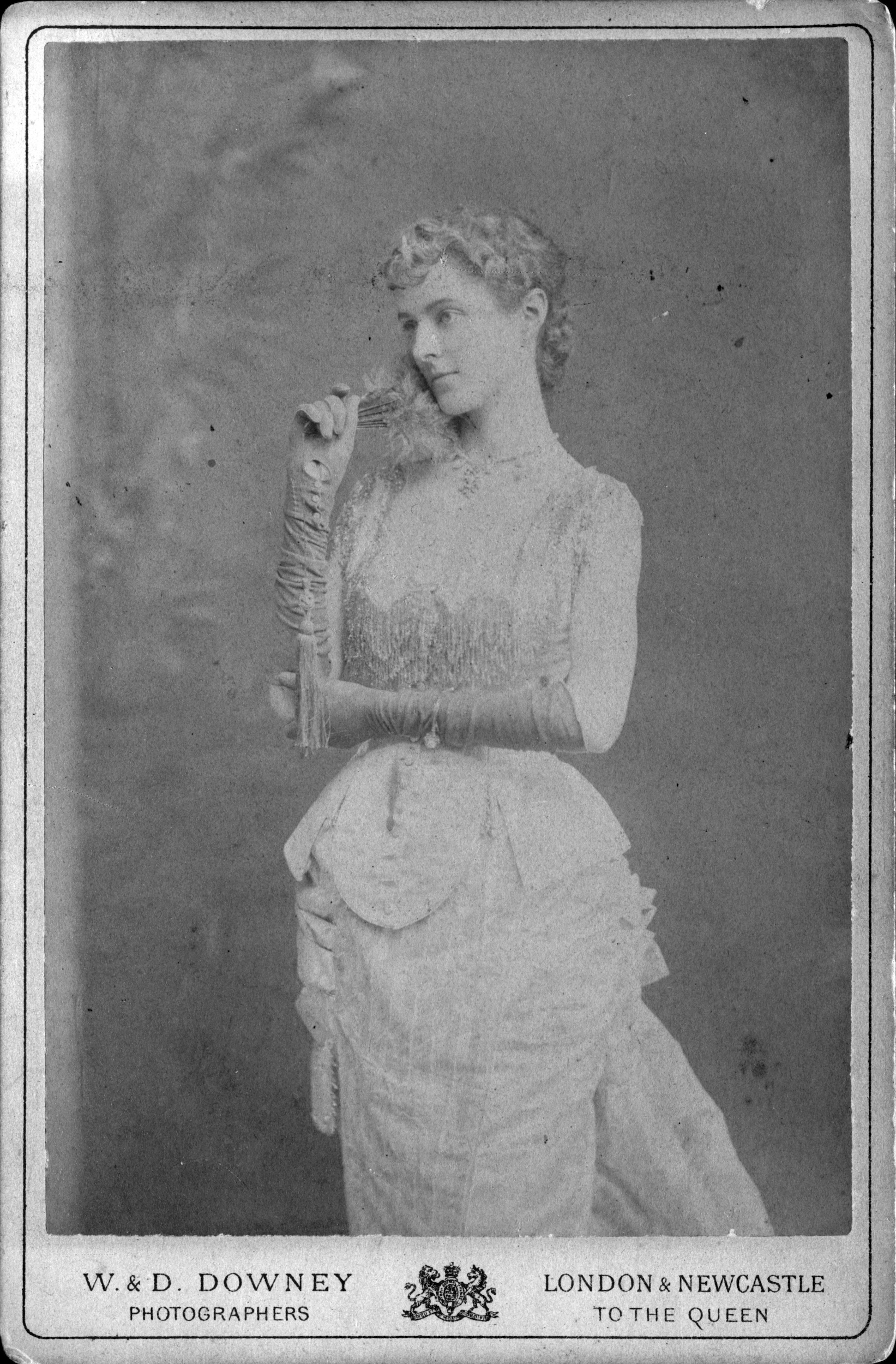
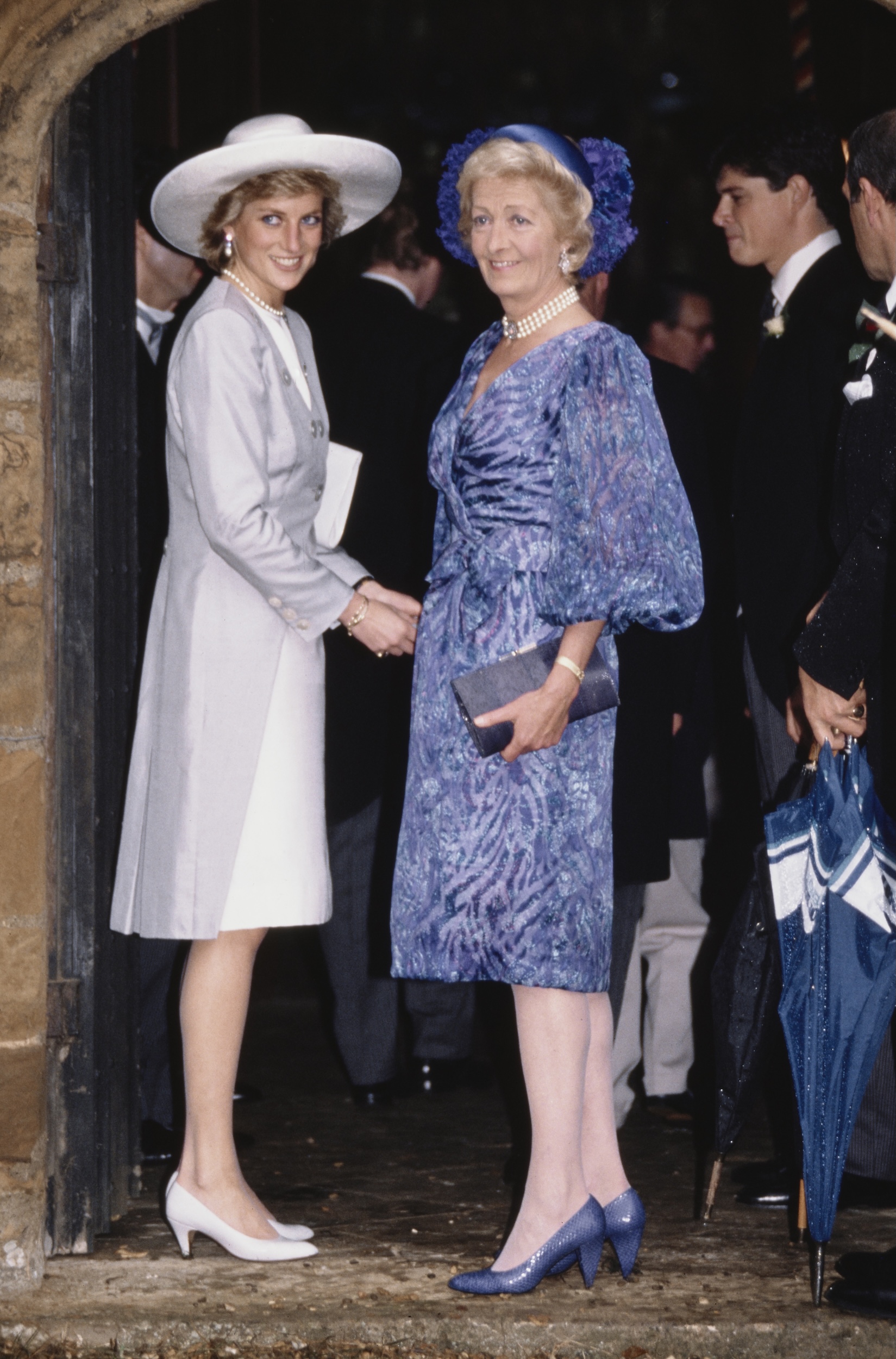
Much like Gladys Russell on the HBO period drama, Fanny Burke Roche married into the aristocracy, although her relationship with James Burke Roche, the son of an Irish lord, ended in divorce, as did her second marriage. Fanny died in 1947, and her granddaughter, Frances Shand Kydd, would give birth to the future Princess Diana in 1961.
Green says that she drew multiple parallels between Fanny’s life and Diana’s. The late princess's cousin, Lord Formoy, let Green borrow Fanny's diaries, and the author said the more she read about Diana's great-grandmother, the more she "realized how much she and Diana were alike."
"Diana, as you know, suffered from bulimia, from depression. So did Fanny. She's writing in her diary and she's covering every little margin of the diary page with just spilling her guts out about how unhappy she is, how trapped she is in these marriages that didn't work out, how trapped she is by her father," Green shares.
"So as I say in the book, despite all of their beauty, their clothes, their fabulous homes, their jewelry, these two women are just proof that you can be miserable and still have all of these things."
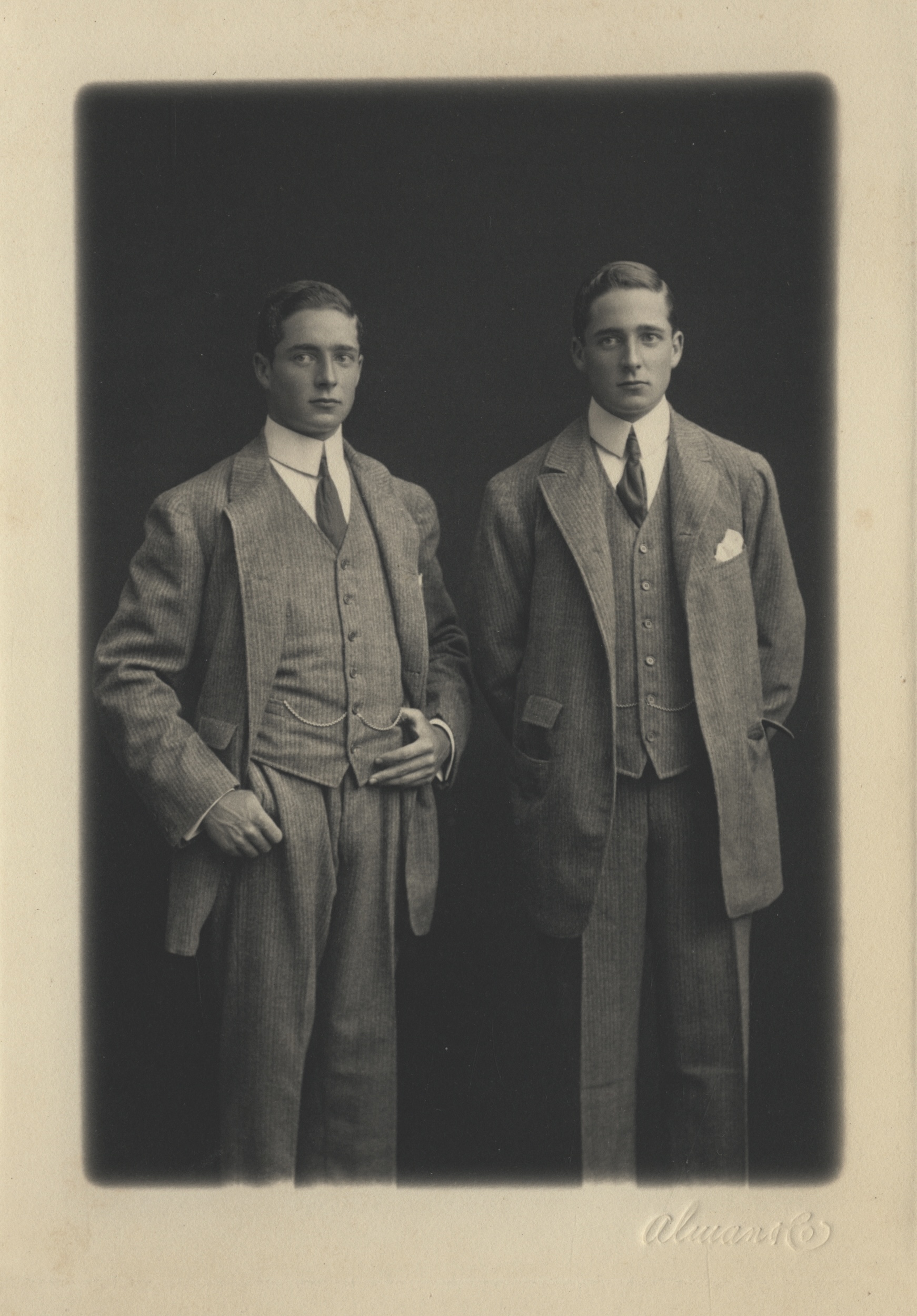
Like the late Princess of Wales, Diana’s great-grandmother also was the mother of two sons, and she says that twin brothers Maurice and Francis had “so much in common with Harry and William.”
“They both had glamorous mothers,” the author shares. “They both were the product of divorce. They both were subject to media speculation, and they both served their country in the military. They had transatlantic separations for a lot of their lives, but yet they remained very close brothers and they were always there to support each other.”
Green adds it makes her “very sad” to think about the comparisons between the two sets of brothers and see how Harry and William’s “relationship has deteriorated.”
As for Harry and Meghan's recent move back to the U.K., Green calls it "another twist to William's American story."
"The book is really about William because he's going to be King one day," she says, adding there's an "irony in having a King with all of this American blood, but having a brother whose wife is American who's going back and forth across the pond."
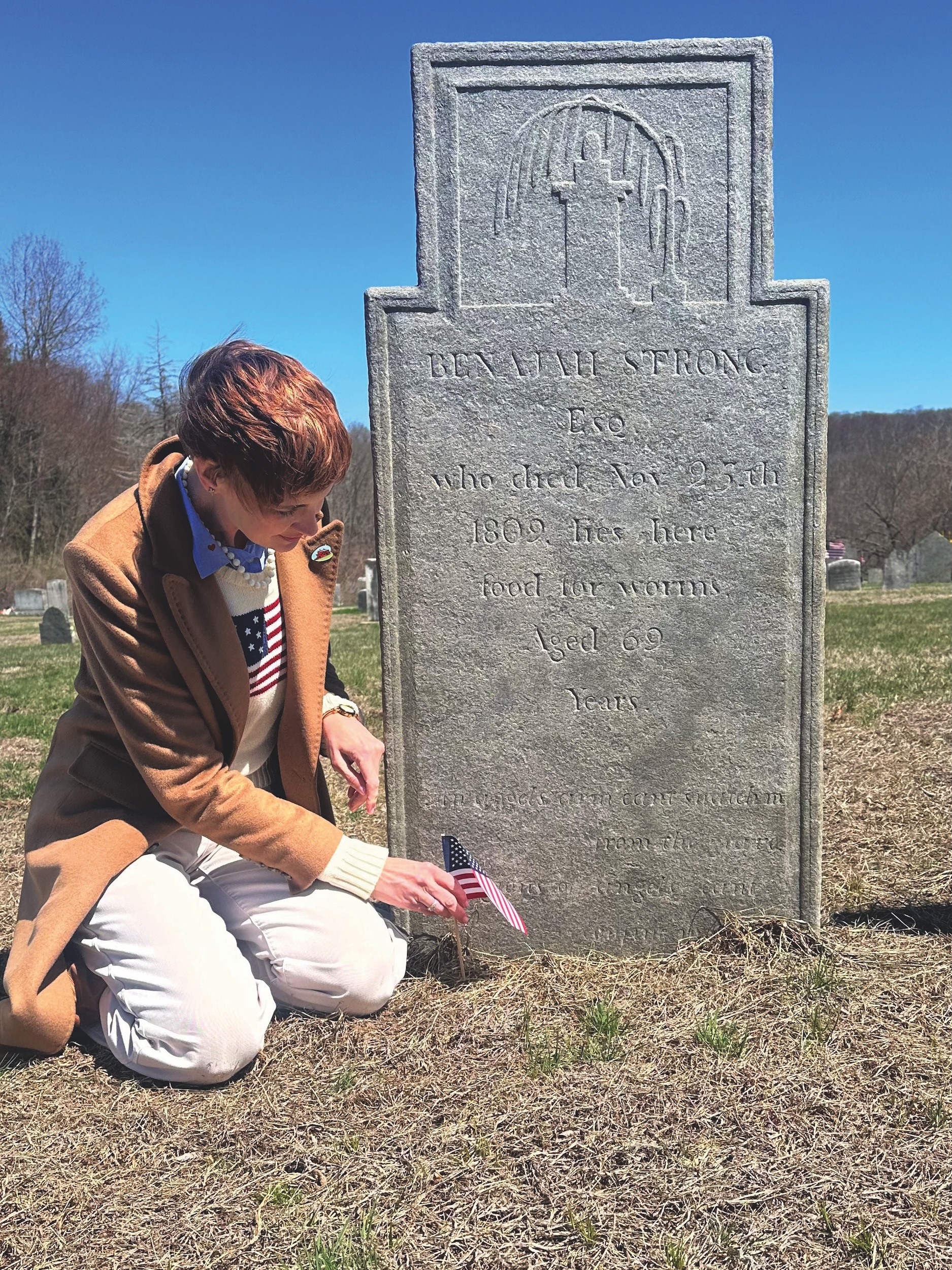
Diana’s American family ties don’t stop with the Gilded Age. Green says that the future King William’s family can be traced all the way back to the American revolution with his patriot ancestor, Benajah Strong, who was the uncle of famed spy and American martyr Nathan Hale.
Green visited Strong’s grave in Connecticut, which reads “food for worms,” and she said it struck her how ironic it was that his ancestor will become the future King.
“I have a chapter called ‘Food for Worms,’” she tells Marie Claire. “So you think, okay, this is William’s six-times great-grandfather who risked his life and his fortune to fight in the American Revolution to get rid of a King. And then in 2026, his sixth-time great-grandson is going to be King of England and he's going to be buried at Windsor Castle in this huge, ornate tomb.”
When asked what she'd like the U.S. public to know about Prince William's American connections, Green says she'd like to stress "How much closer we are than we think," adding, "And I'd like the British people to know that their future monarch is much closer to our country than we think."
"Having a royal family is within our DNA," she adds. "And so my hope is that someday Prince William will receive honorary American citizenship like Winston Churchill did. I just think it's a wonderful twist of history and I think it shows that families and countries are much closer than we than we think—and that story is still unfolding."
Read on the original site
Open the publisher's page for the full experience