Exclusive: Princess Diana's Former Bodyguard Says She "Became Frustrated" and "Didn't Always Welcome" Protection Despite Her Role
Our take

The recent revelations from Ken Wharfe, Princess Diana’s former bodyguard, offer a poignant, and perhaps unsurprising, counterpoint to the often-romanticized narrative surrounding the late Princess of Wales. His assertion that Diana sometimes resisted protection, becoming “frustrated” with the constant vigilance, humanizes her in a way that transcends the iconic imagery we’ve come to associate with her. It’s a reminder that even figures of immense public stature are, at their core, individuals navigating complex emotions and desires, and that the constraints of royal duty – and the accompanying security measures – could be a source of genuine discomfort. This perspective aligns with previous glimpses behind the curtain of royal life, such as the insights shared by Queen Elizabeth's former footman recalling " Silliness at All Levels", revealing a more human and less formal side to the monarchy than often portrayed. The willingness of former staff to share these anecdotes underscores a growing desire for transparency and a move away from the traditionally impenetrable walls surrounding the royal family.
Wharfe’s recollections, particularly his warning to Diana against pursuing a relationship with Dodi Al-Fayed, add another layer of complexity. While the security concerns were undoubtedly real – the paparazzi’s relentless pursuit of Diana was a well-documented danger – it’s clear that his warnings were met with resistance. This speaks to a deeper conflict within Diana: a yearning for freedom and autonomy, fiercely battling against the expectations and restrictions imposed upon her by her royal role. Consider, too, the recent article detailing how a Former Royal Butler describes the delicate balance of respecting royal protocol while also acknowledging individual personalities, a dynamic Diana clearly navigated with considerable tension. The fact that a trusted protector felt compelled to intervene suggests the gravity of the situation and the potential consequences Diana was willing to risk in pursuit of personal happiness. It's a tragic illustration of the limitations placed upon her, even as she attempted to redefine her public image.
The enduring fascination with Princess Diana, evident in the continued engagement with articles like Fans Can’t Get Over How Much Prince George Resembles “Shy Di”, speaks to her unique ability to connect with the public on an emotional level. Wharfe's account doesn't diminish that connection; rather, it deepens it. By revealing the vulnerabilities and frustrations behind the carefully constructed public persona, it invites a more nuanced understanding of her struggles. It underscores the inherent loneliness of a life lived under constant scrutiny and the difficult choices she faced in balancing personal desires with her public responsibilities. The revelation that she didn’t always welcome the protection afforded her challenges the simplistic narrative of a victim constantly besieged and highlights the agency she possessed, even within a restrictive environment.
Ultimately, Ken Wharfe's perspective offers a valuable lesson: even those who appear to be living lives of privilege and adoration grapple with complex human emotions and desires. The willingness of individuals like Wharfe to share these intimate details marks a subtle but significant shift in how the public perceives the royal family, moving towards a greater appreciation for their humanity. The question remains: will this continued unveiling of the “behind the scenes” reality reshape the public’s expectations of the monarchy, fostering a more empathetic and understanding perspective, or will it simply fuel further speculation and a continued fascination with their personal lives?
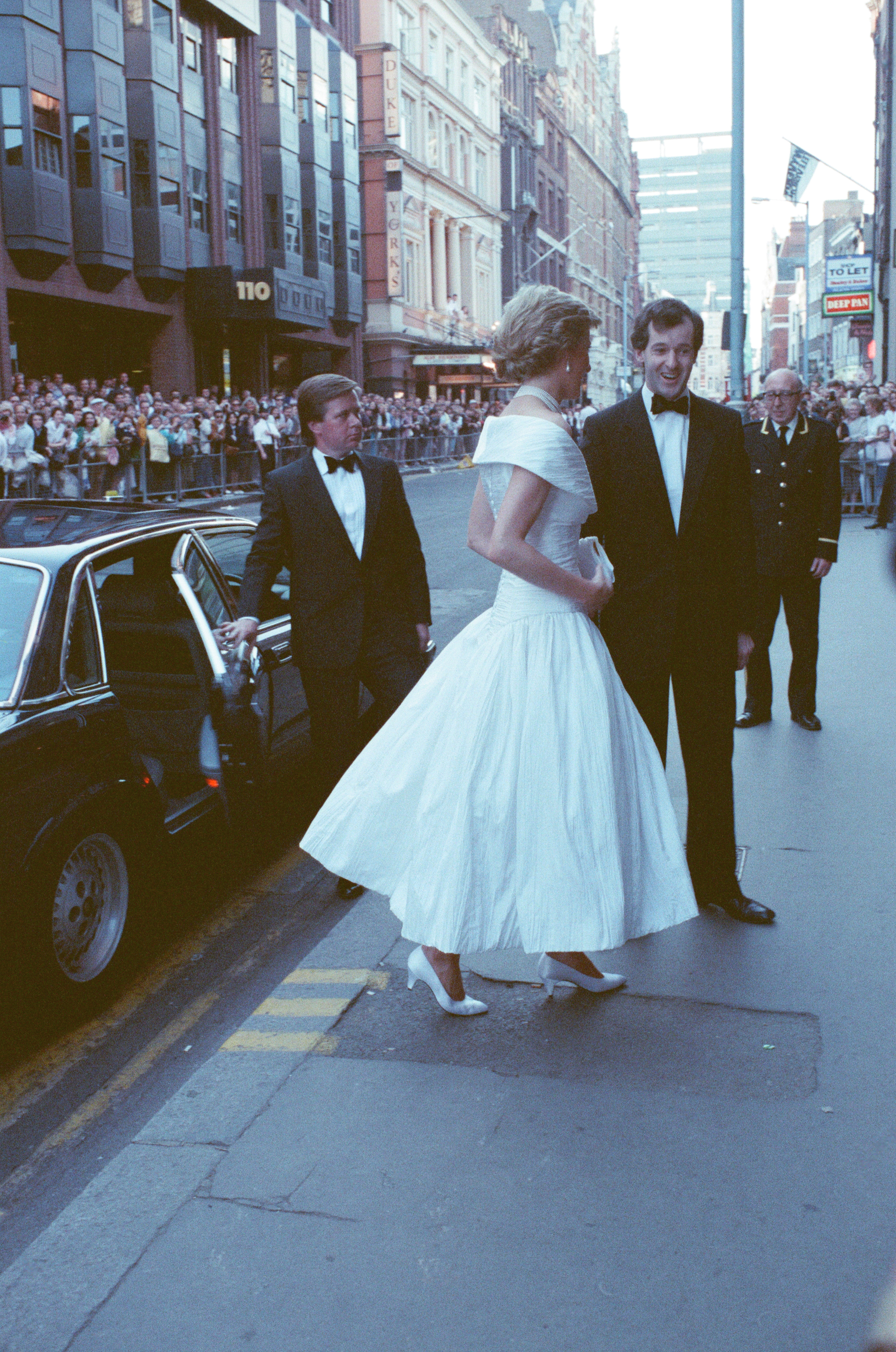
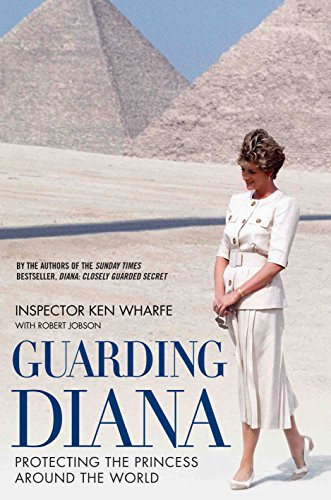
Ken Wharfe was responsible for guarding Princess Diana’s life from 1988 to 1993, and he says that one of the toughest parts of being a royal protection officer was that the late royal “didn’t always welcome” his presence.
Speaking to Marie Claire on behalf of Casino.org, Wharfe—who is now retired from the Metropolitan Police—admits that it’s “impossible to provide 100 percent security for anybody.” However, he stresses that as a bodyguard, “You can only protect someone if they're prepared to accept that protection.”
“That wasn't always easy because, like all of us, Diana was an individual who didn't always welcome it,” he shares. “I could clearly see there were times when she became frustrated with the protection because, in part, it was an invasion of her privacy.”



Wharfe, who also served as a personal protection officer to the Duke of Kent before his retirement from the police force, shares that Diana isn’t the first person to struggle with the invasiveness of having a bodyguard.
“People do occasionally push back against that, and you learn to live with it,” he says. “Whenever there was an opportunity to discuss those frustrations, she understood the necessity of protection in her particular case and accepted it throughout her very short life.”
He shares that part of the way he provided an effective protection program was that Princess Diana would give him “a detailed program of what she was doing, both publicly and privately.”
“With that information, she allowed me and my team to maintain regular contact with the friends she was seeing so we could make sure the protection we provided was the very best it could be,” he says. “I think that approach proved itself time and time again.”
Wharfe—who was made a Member of the Victorian Order by Queen Elizabeth after Diana's 1997 death—shares that he believes a breakdown in security eventually led to her tragic demise.
“The one occasion where that continuity disappeared was when she gave up her security in December 1993, which ultimately led to the appalling accident in Paris in 1997,” Wharfe shares. “She was then relying on security which, in my view, was unprofessional and lacked the level of planning, coordination and communication that would have provided the best possible protection. Sadly, it simply wasn't there.”
Read on the original site
Open the publisher's page for the full experience