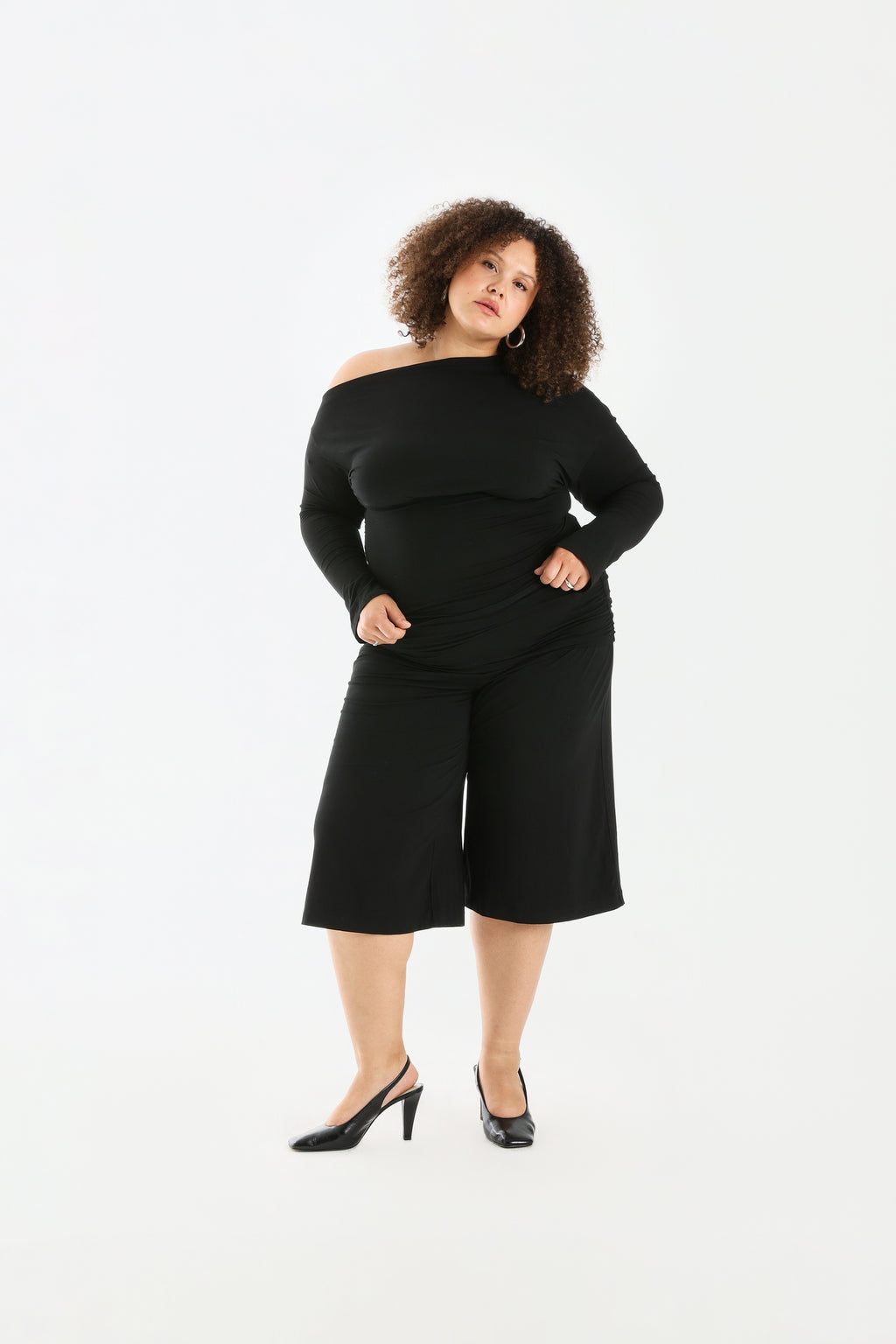
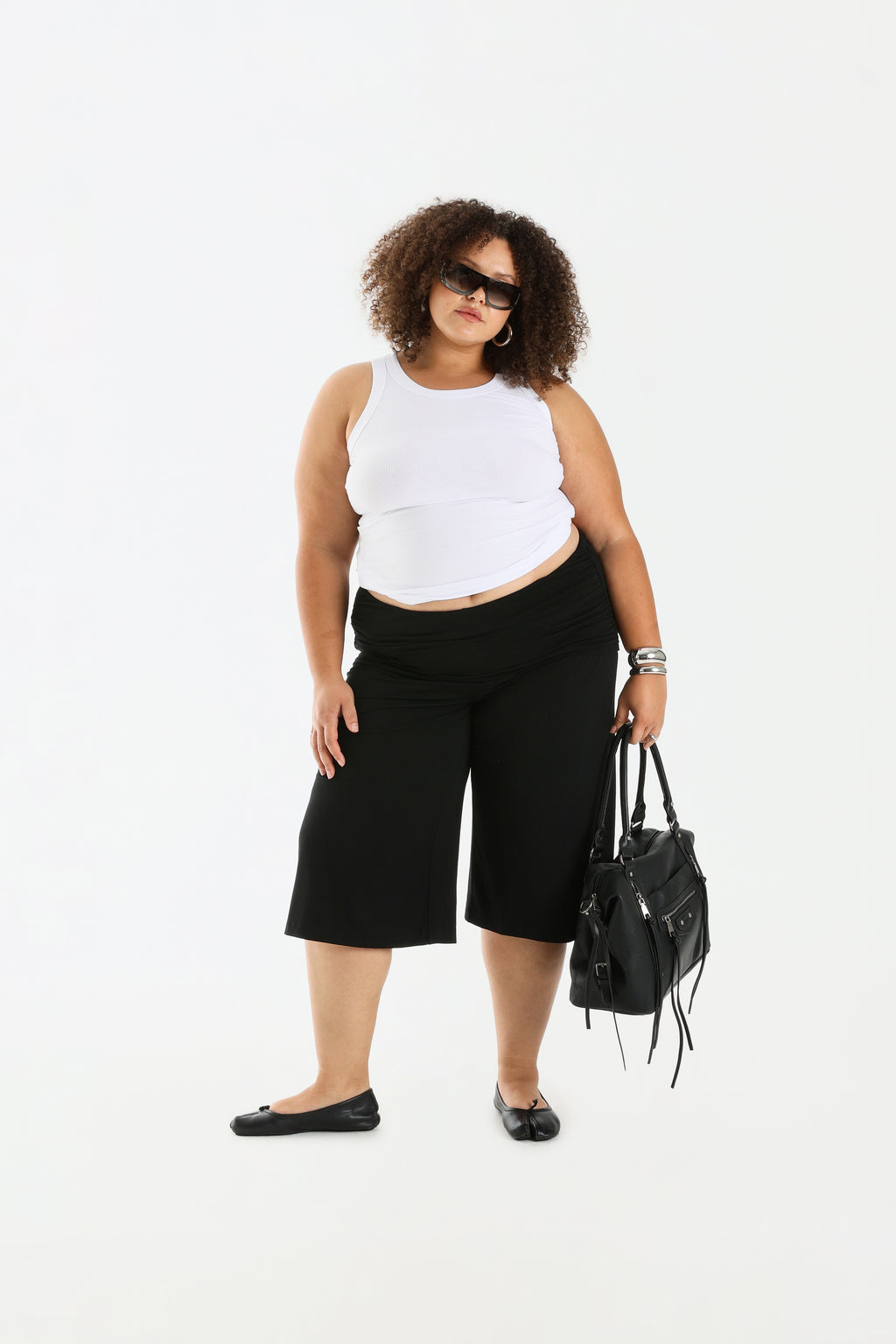
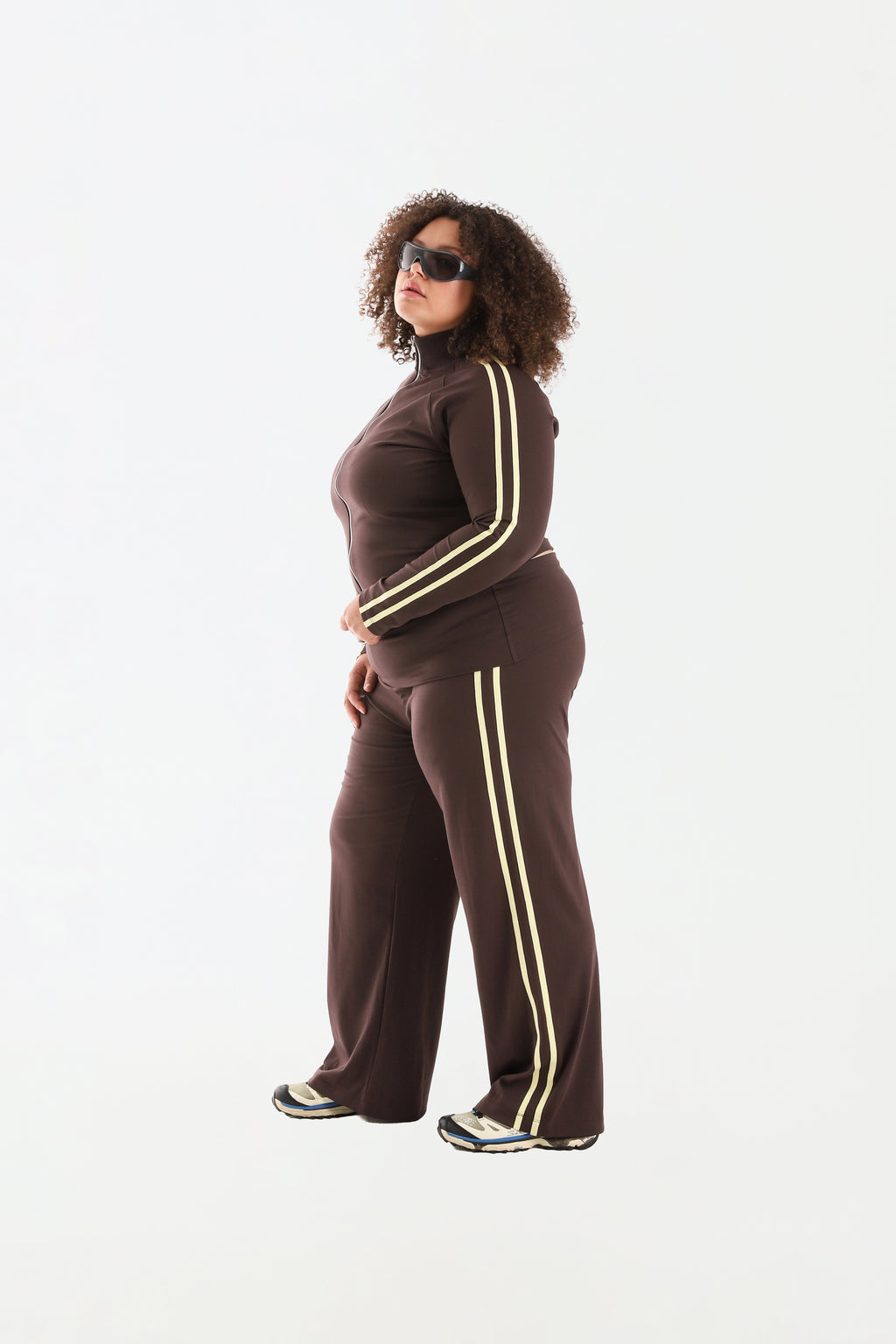
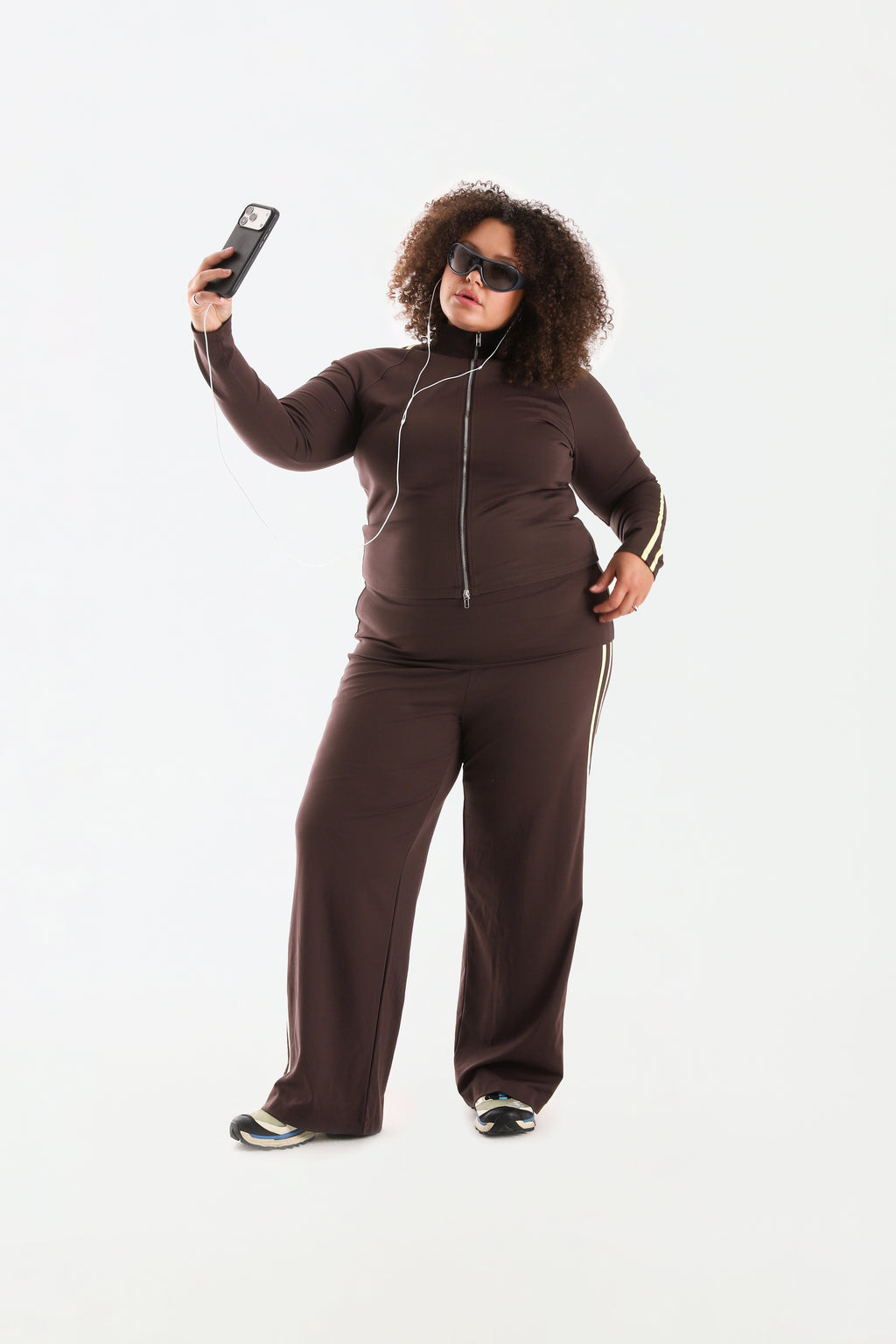
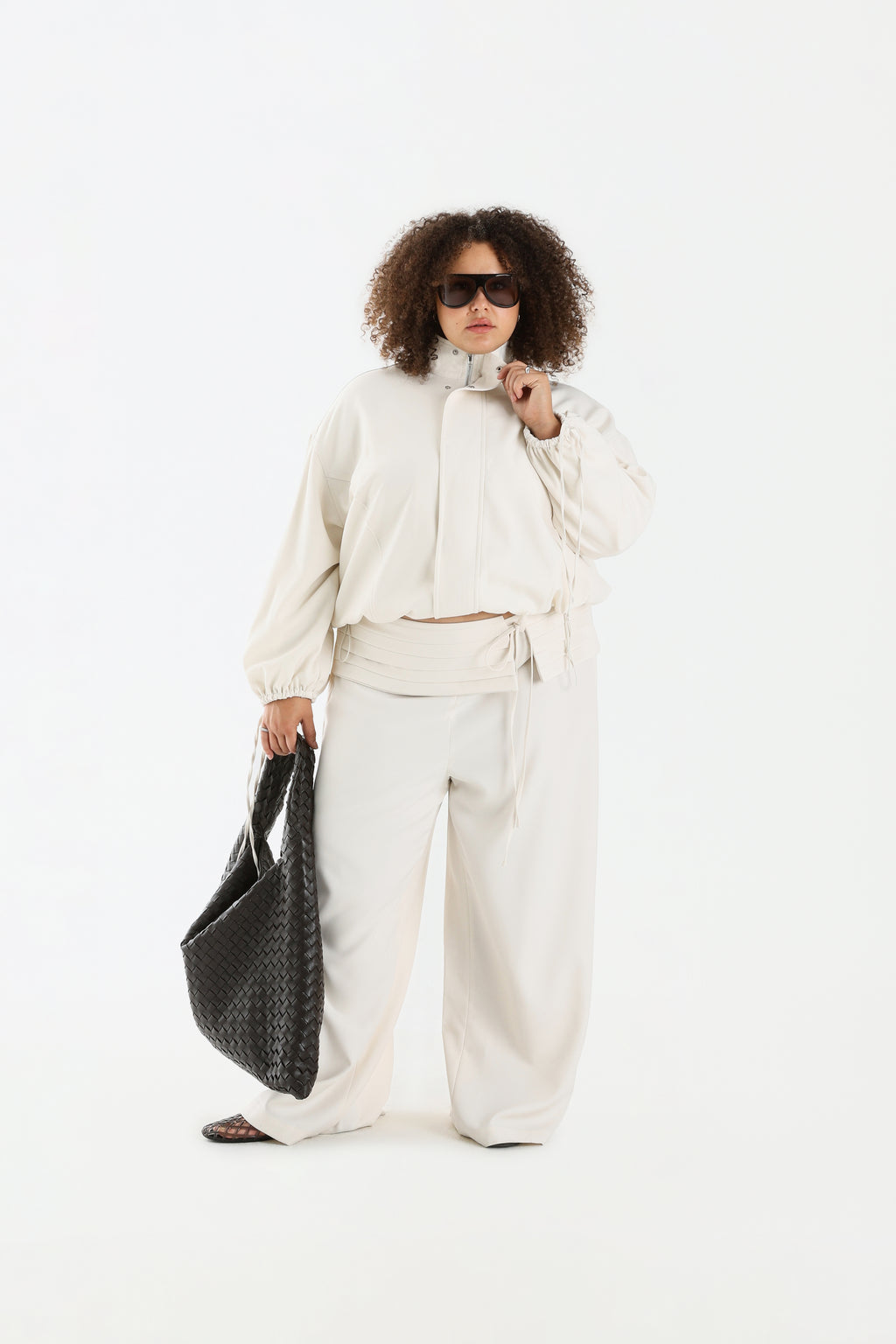
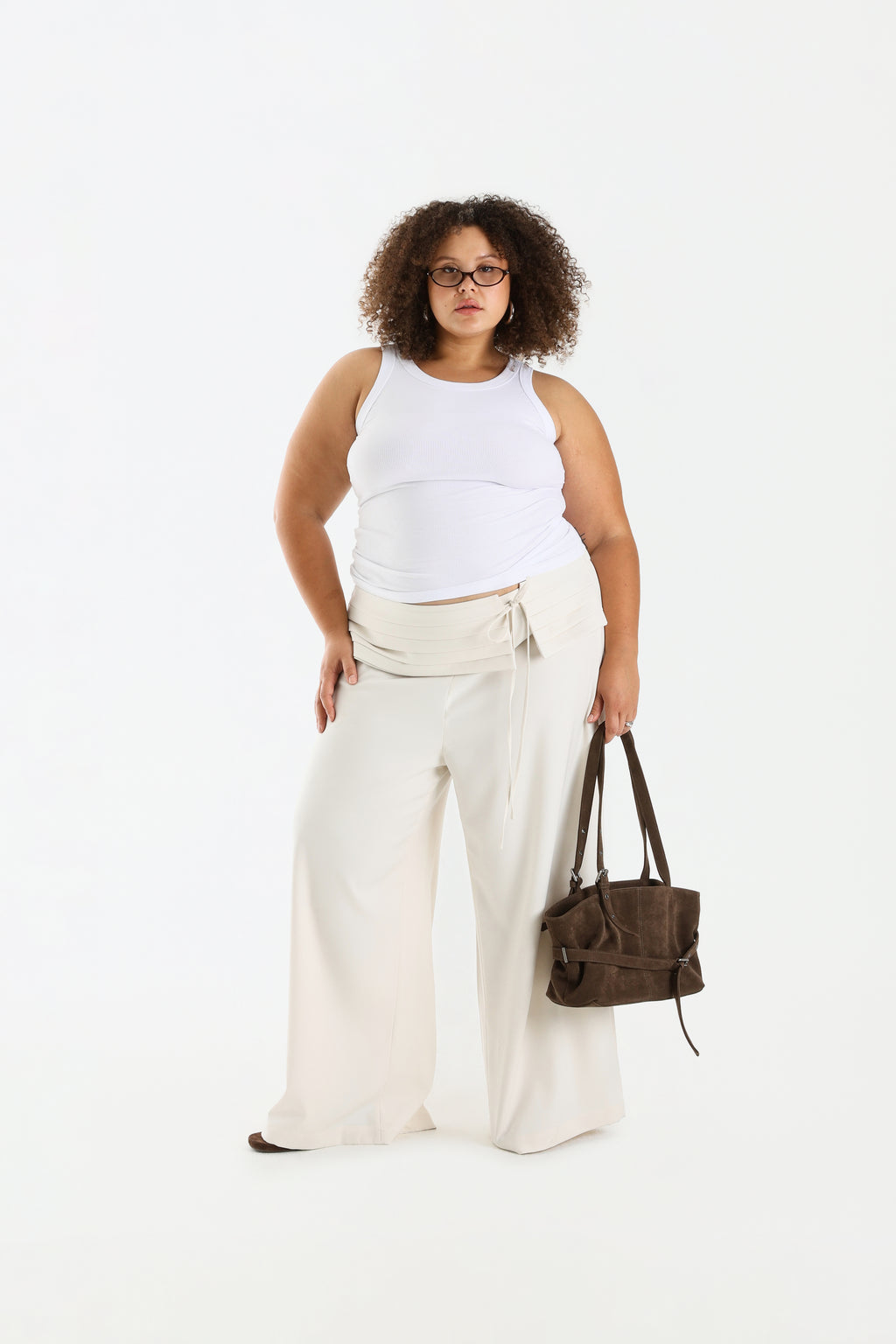
The recent spotlight on elevated plus-size fashion, as seen in articles like The Row's Coveted Bag: A Considered Review of Quiet Luxury's It Item, signals a crucial evolution within the luxury landscape. For too long, inclusivity has been treated as an afterthought, a trend to be chased rather than a foundational principle. This shift towards readily accessible, on-trend pieces in sizes 10 to 30 isn’t merely about expanding size ranges; it's about acknowledging a significant demographic’s desire for sophisticated style without compromise. It’s a recognition that luxury isn’t defined by exclusivity, but by quality, craftsmanship, and a sense of personal expression – principles that resonate across all body types. The inclusion of these pieces demonstrates a growing understanding that style isn't a one-size-fits-all equation, and that true elegance lies in celebrating individual forms. This move reflects a broader cultural conversation around body positivity and representation, finally translating into tangible offerings within the high-fashion sphere.
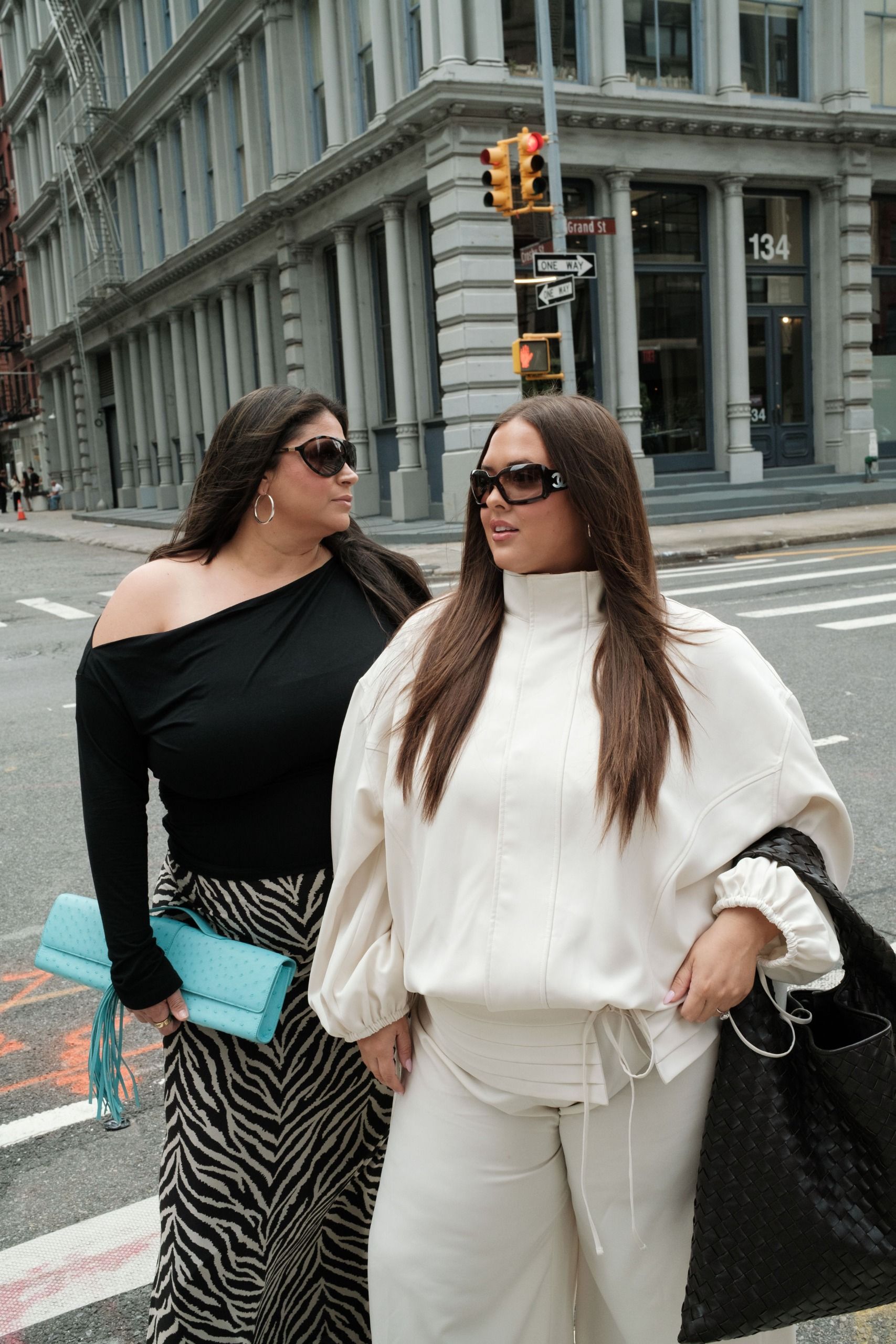
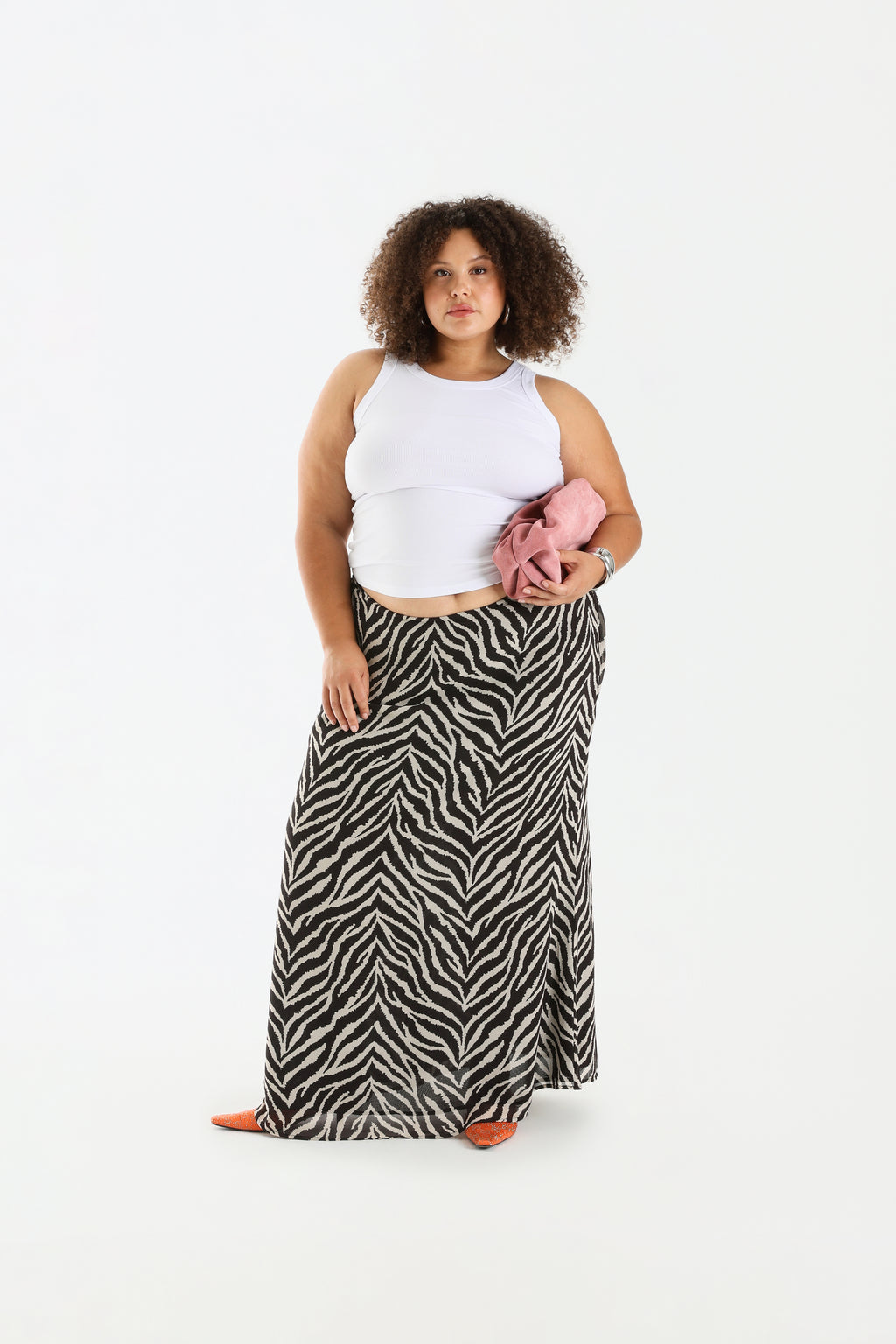
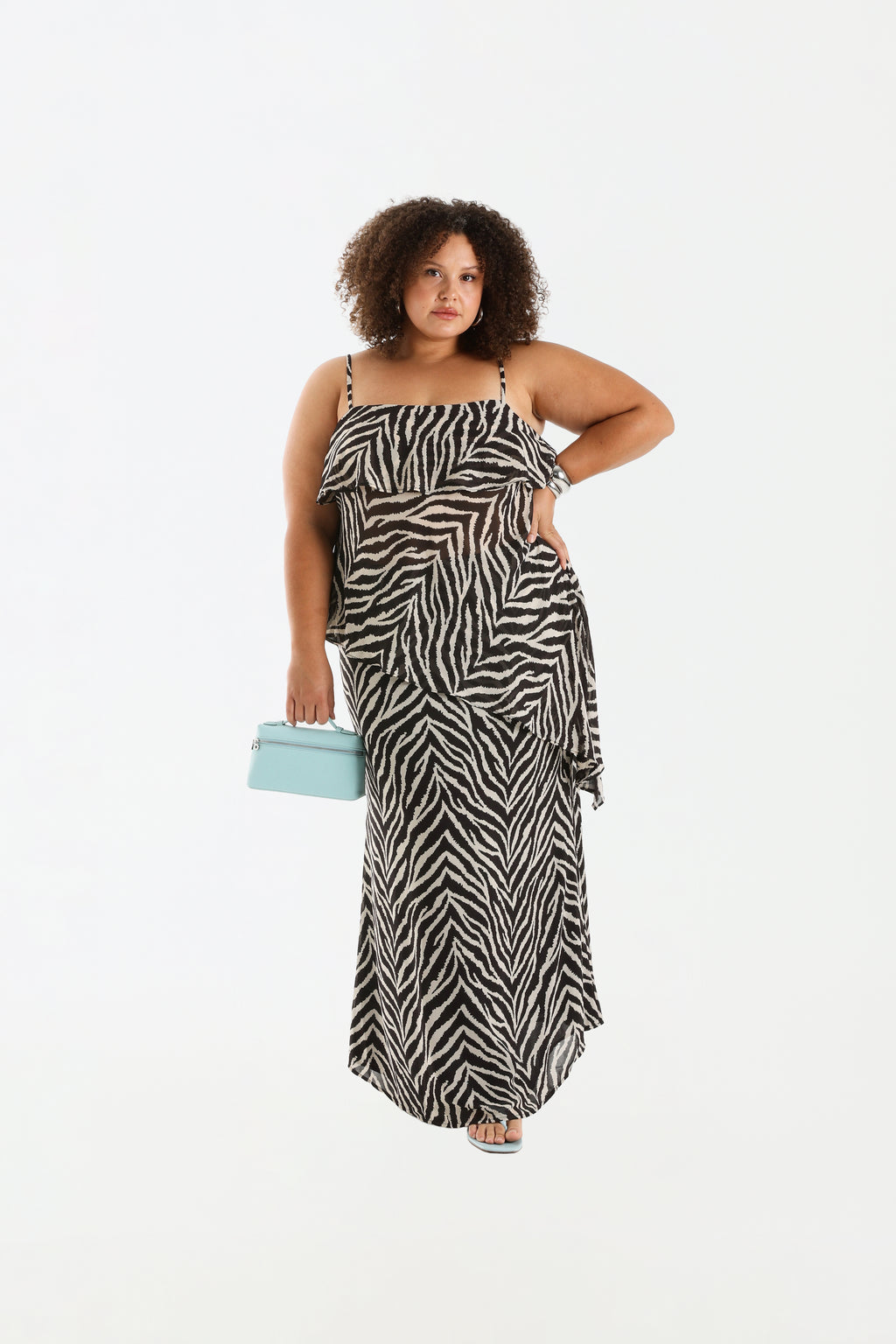
The article’s emphasis on “effortlessly chic” is particularly noteworthy. It aligns perfectly with the ethos of quiet luxury, a sensibility we’ve explored extensively, as exemplified by Marni’s Quiet Confidence Redefines Modern Dressing. Quiet luxury isn’t about ostentatious displays of wealth; it’s about understated elegance, timeless silhouettes, and impeccable tailoring. Applying this aesthetic to plus-size fashion is a powerful statement—it communicates that inclusivity doesn’t necessitate sacrificing sophistication. The zebra print skirt paired with a black shirt and aqua clutch, as showcased in the article’s imagery, embodies this perfectly – a playful yet refined combination that avoids any sense of forced trendiness. It’s about curating a personal style, not following fleeting fads, and this resonates deeply with the values of a discerning consumer. The availability of these pieces in a wider range of sizes democratizes the concept of effortless style, making it attainable for a broader audience.
The impact of figures like Kate Moss, who recently revitalized a 2000s boot, further reinforces this trend, as detailed in Kate Moss Revives a 2000s Boot, Defining Quiet Cool for Today. Her ability to redefine “cool” through seemingly simple choices highlights the power of individual style, regardless of size or shape. This influence demonstrates that style is about confidence and self-assuredness, not adhering to arbitrary beauty standards. The shift in focus away from restrictive sizing and towards celebrating individual aesthetics is a welcome evolution, and one that acknowledges the diverse perspectives and preferences of modern consumers. It suggests a move away from the outdated notion that luxury fashion must be exclusive and towards a more inclusive and representative vision of style.
Ultimately, this development signifies a crucial turning point in the fashion industry. The increased availability of elevated plus-size options is not just a trend; it's a reflection of a growing demand for inclusivity and a deeper understanding of what constitutes true luxury. It’s a testament to the power of consumer voice and a call for brands to prioritize representation and accessibility. The question now is: will this momentum continue, and will we see a genuine commitment to inclusivity across all facets of the luxury fashion ecosystem, or will it remain a superficial response to a fleeting cultural moment? The answer will likely determine whether this shift represents a lasting transformation or a temporary adjustment in the industry’s approach to inclusivity.