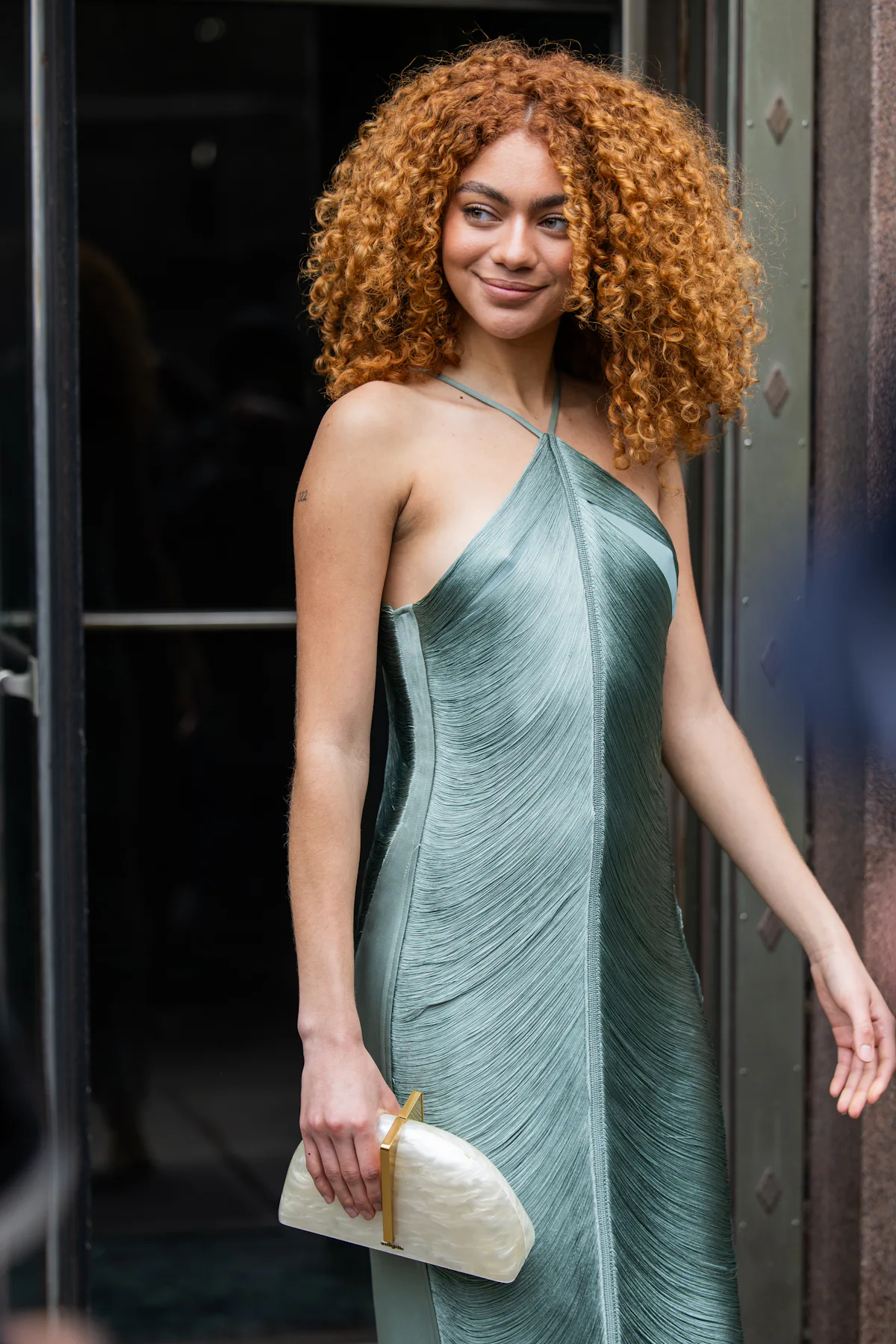
A few months ago, when The Zoe Report first noticed red hair appearing across every shade and undertone, it was not a fleeting trend but a quiet consensus. That rare moment when blondes, brunettes, and redheads all seem to agree on one thing deserves reflection. After all, we have written before about the elegant restraint of celebrity pixie cuts and the quiet luxury of salon color maintenance, and this guide to finding your perfect red feels like the natural next chapter in that conversation. The shift is not about chasing a viral shade. It is about understanding, with precision, which hue belongs to you.
The article's premise, that red is for everyone, if you know where to look, aligns with a deeper truth about style. True confidence does not come from following a trend blindly. It comes from the slow, deliberate process of discovering what works. The guide walks through hair color and undertones not as rigid rules but as a framework, a gentle architecture for self-expression. That approach mirrors the philosophy we often return to: luxury is implied, not shouted. A red that complements your skin's natural warmth or your hair's cool base is not dramatic for the sake of drama. It is radiant because it feels inevitable, as though it was always waiting for you to notice.
What strikes us most is the editorial restraint. The guide does not promise a universal shade that will "change your life." Instead, it offers a mirror. It asks you to look at your own features with fresh eyes, to consider the difference between a color that catches attention and one that captures your essence. One clear takeaway a reader could quote: "The right red does not compete with you, it completes you." That is the kind of wisdom we want to carry into every decision, whether it is a haircut, a lipstick, or a quiet Sunday afternoon.
In practical terms, this means the next time you sit in a colorist's chair, you arrive not with a screenshot of a stranger but with clarity. You know whether your skin leans warm or cool. You understand that your natural hair base, be it ash blonde or deep chestnut, will anchor the pigment in a specific way. That knowledge is power, but it is a soft power. It does not demand; it simply knows. The conversation around personal style has long been haunted by the idea of "what works for everyone," and we are grateful to see it replaced with something more intimate. If there is a detail to watch, it is this: the most compelling reds are not the ones that scream arrival but the ones that suggest you were already there, quietly, all along.