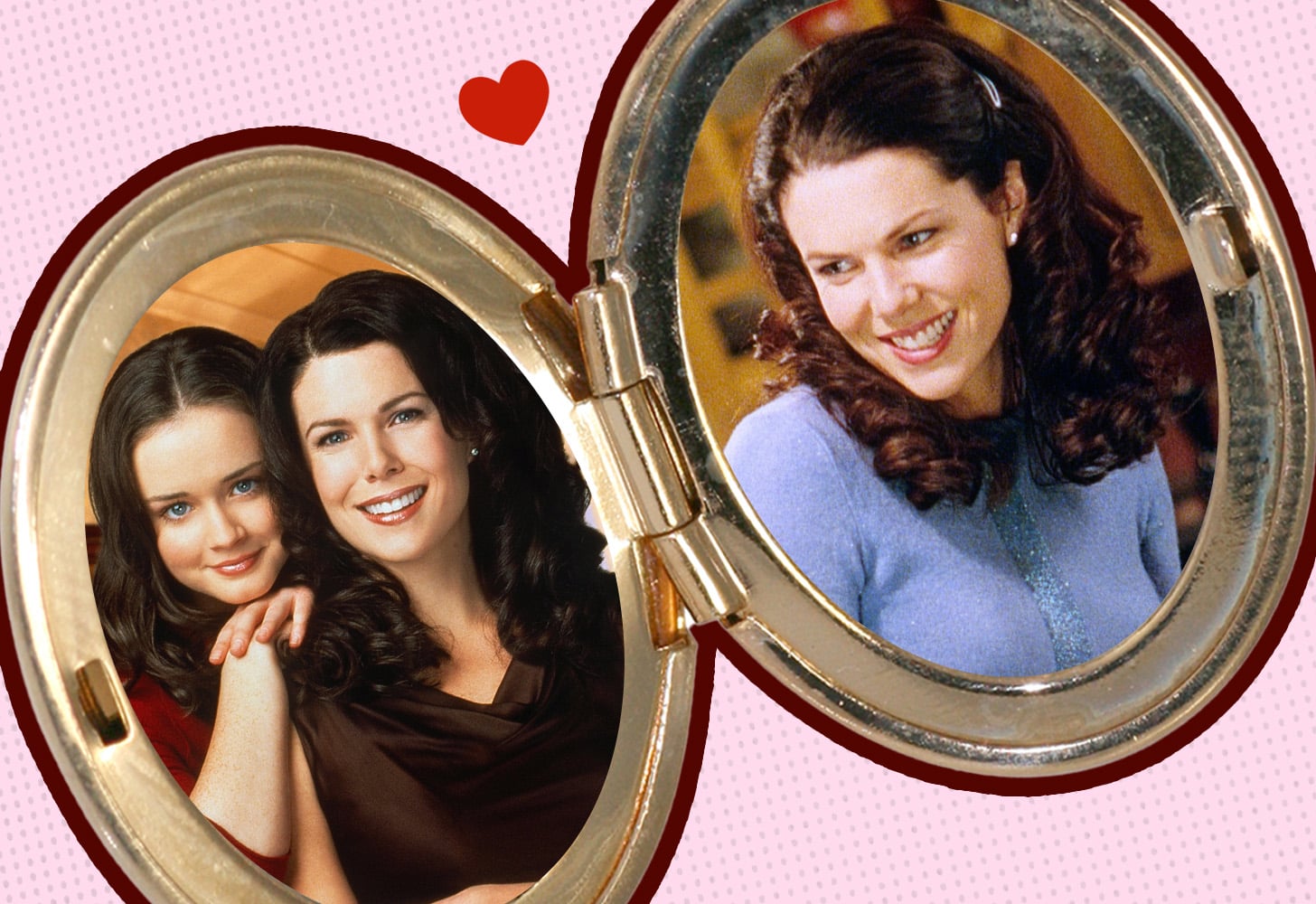
When "Gilmore Girls" debuted on The WB in 2000, teen girls everywhere adored the quietly confident teenage character of Rory. Played by Alexis Bledel, she had the kind of life that adolescents dream of: a picture-perfect New England town, a mother who was also a best friend, and a wardrobe that somehow made plaid skirts and knee-high boots feel like armor. But what truly set Rory apart was not her academic achievements or her romantic entanglements. It was the way she carried herself. She did not perform confidence for the room; she simply existed in her own certainty, and that restraint read as aspirational. In an era of pop-star chaos and reality-TV meltdowns, Rory offered a different kind of fantasy: the quiet power of a girl who knows herself, even when she is still figuring out who that is.
That is the version of confidence we keep circling back to in our own stories, from the Quiet Confidence: The Most Elegant Celebrity Pixie Cuts to the Elevated Fall Style: Subtle Shifts for Lasting Impact. We are drawn to the idea that presence is not about volume. Rory never had to announce her worth; she wore it in the way she walked into a room, the way she spoke in complete sentences, the way she held a book like it was a lifeline. That is the lesson that lingers for a generation of women who grew up internalizing her calm authority. It is not about being the loudest voice in the room, but about being the most grounded in your own. And that is a far more sustainable kind of confidence than anything that requires external validation.
What strikes me most about Rory's enduring influence is how it has aged into something more nuanced than simple nostalgia. The girls who watched her are now women building careers, navigating relationships, and curating lives that feel intentional. We look back at her not because she was perfect, but because she made self-assurance look like a quiet act of rebellion. She was never trying to be the smartest girl in the room, yet she was. She was never performing femininity, yet she embodied a soft, unapologetic power that felt entirely her own. In a world that often tells women to shrink, Rory's legacy is the permission to take up space without making a spectacle of it. That is a lesson in Short nails, elevated style: Fall's manicure mood too: polish is not about shouting for attention, but about the details you choose to refine.
If you ask us, the takeaway is not to imitate Rory, but to channel the energy she represents. Confidence, real confidence, is not a performance. It is a quiet knowing that you are enough, exactly as you are, even on the days you are still figuring out the details. The specific consequence of her influence is that a generation of women now understands that true style, in fashion and in life, is not about following the loudest trend. It is about the subtle shifts that feel like coming home to yourself. And that is the one thing we would tell anyone still searching for it: stop looking for confidence in the mirror of someone else's life. Look inward, find the version of you that needs no applause, and let her lead. That is the quietest, most radical act of self-expression there is.