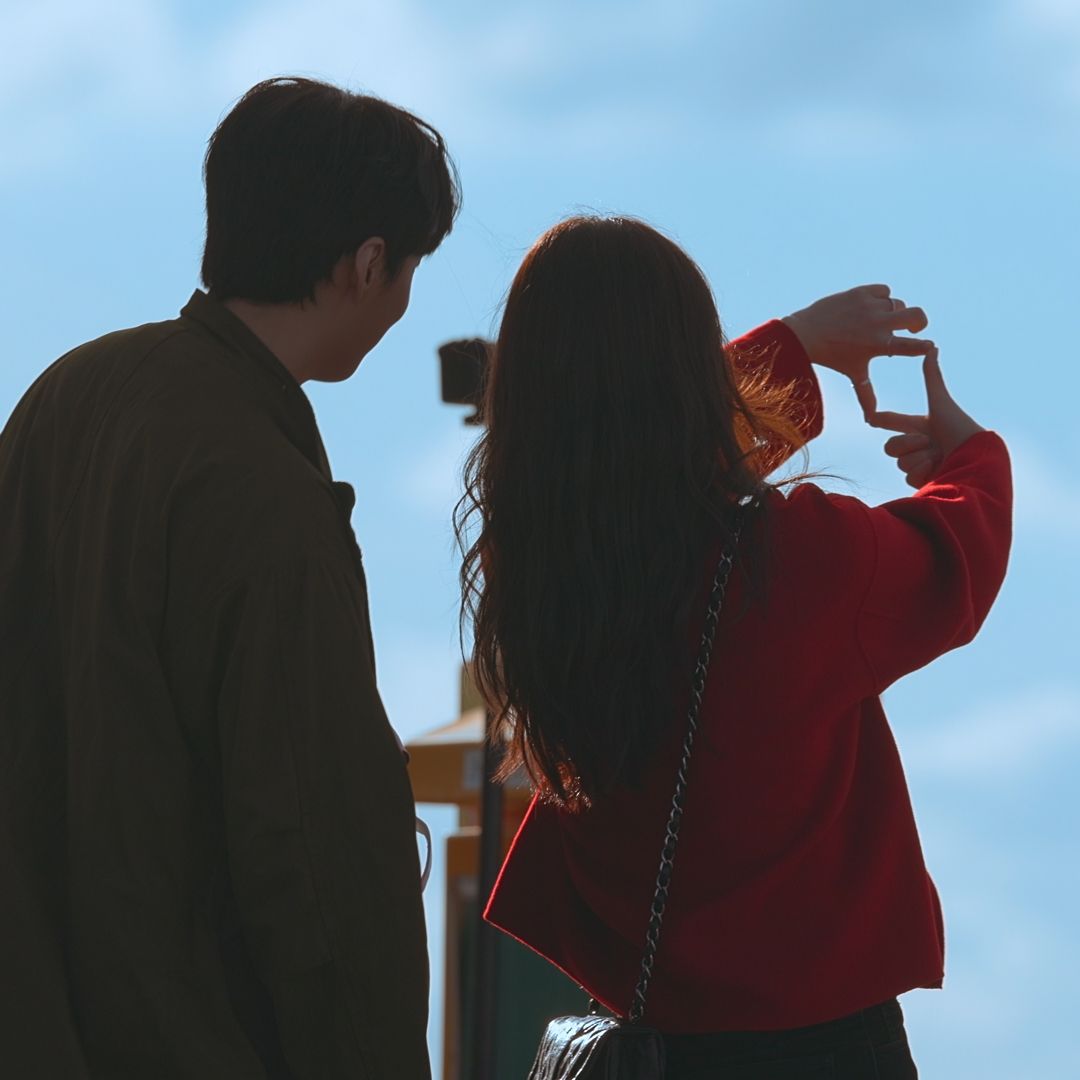
The resurgence of *Better Late Than Single* on Netflix signals a quiet but significant shift within the reality dating show genre. While the market remains saturated with aggressive competition and manufactured drama—think the chaotic energy of *Love is Blind* or the performative declarations of *Too Hot to Handle*—this Korean series offers a refreshing antidote. It’s a show that prioritizes genuine connection and emotional vulnerability over manufactured conflict, and that's proving increasingly appealing to audiences craving authenticity. The show’s success aligns with a broader cultural trend toward mindful consumption and a rejection of excessive spectacle, as discussed in The July Fashion News Making Major Waves, where a similar desire for understated elegance and intentionality is evident. Furthermore, the focus on personal growth and self-discovery, rather than solely on finding a romantic partner, echoes a larger conversation around self-love and prioritizing individual well-being—a sentiment increasingly championed in beauty and wellness spaces, as highlighted in Sensitive Skin? These Retinol Alternatives Deliver on Glow, Minus the Irritation.
What truly sets *Better Late Than Single* apart isn’t just its heartwarming premise—single women in their 30s and 40s embarking on a journey of self-discovery and potential romance—but also the gentle, observational style of its production. It avoids the manipulative editing and contrived scenarios that often plague the genre. Instead, it presents a nuanced portrayal of the complexities of dating and relationships in modern Korean society, often touching upon societal pressures and expectations surrounding marriage. The cast members are presented as fully realized individuals, with their own hopes, fears, and insecurities, making them relatable and deeply engaging. The show’s emphasis on introspection and personal growth cultivates an emotional connection with the audience, inviting viewers to reflect on their own journeys and perspectives on love and relationships. It's a far cry from the often-superficial and strategically-edited narratives dominating much of the reality television landscape.
The broader significance of *Better Late Than Single* extends beyond its immediate popularity. It demonstrates a growing appetite for reality television that prioritizes emotional intelligence and genuine human connection. This is particularly relevant in a cultural climate where authenticity and vulnerability are increasingly valued. The show's success also contributes to the growing global recognition of Korean entertainment, showcasing the country’s nuanced storytelling and compelling characters. Moreover, it subtly challenges conventional narratives surrounding aging and romantic prospects for women, presenting a refreshing and empowering perspective on finding love and fulfillment later in life. This resonates powerfully with a generation of women redefining traditional timelines and prioritizing self-discovery. The show's quiet confidence and understated elegance—qualities that feel deeply aligned with a sense of calm luxury—mirror the broader cultural shift toward valuing substance over superficiality, a concept explored extensively in Prince Harry Gives a Speech About Embracing an "Unconquered Spirit" as His Privacy Case Against the Daily Mail is Dismissed in Court, where authenticity and resilience are celebrated.
Looking ahead, it will be fascinating to observe whether the success of *Better Late Than Single* inspires other reality dating shows to adopt a more nuanced and emotionally intelligent approach. Will we see a decline in manufactured drama and a rise in shows that prioritize genuine connection and personal growth? Or will the allure of sensationalism continue to dominate the genre? One thing is increasingly clear: audiences are craving more than just fleeting entertainment; they're seeking authentic stories that resonate with their own experiences and inspire them to embrace vulnerability and self-discovery, and shows like this are leading the way.