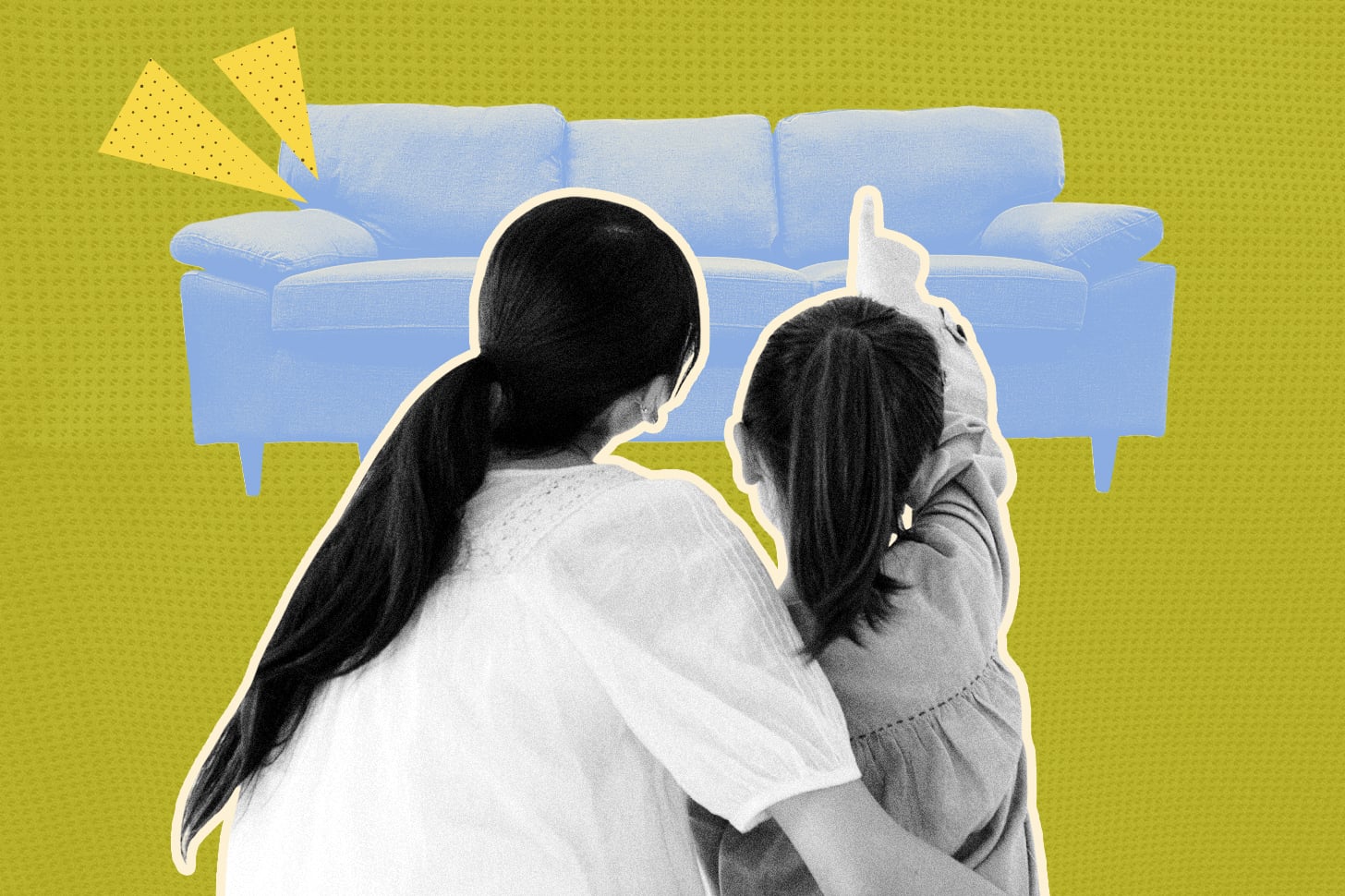
There is a particular stillness that settles over a home when a child is absorbed in a screen. It is not peace; it is a quiet absence, a withdrawal into a world we cannot enter. The recent piece on reclaiming the family home speaks to this modern habit of retreat, where personalized spaces and digital havens have made it almost too easy for young ones to disappear into their own rooms, iPads in hand, long before they have learned to sit with their own thoughts. We read this and felt a familiar pull, the same pull we feel when we step out of our own routines and remember what presence actually costs. It is not about shaming the convenience; it is about noticing what we have quietly traded away.
This idea of emerging from a private cocoon is not foreign to us, especially in our culture of curated interiors and inward focus. We recently reflected on the slow climb out of a heavy season in Emerging from stillness: finding light after months of quiet, where the act of simply stepping into the sun again felt like a radical choice. There is a parallel here for the family home. A child who is constantly entertained is not learning to be alone with themselves; they are learning to avoid the silence. The article's point is not to rip the tablet away in a dramatic gesture, but to renegotiate the space. It is about designing a living room that invites a mother and daughter to point at a blue couch together, to sit, to talk, to be in the same frame of reference. That is not nostalgia; that is intentional architecture.
What strikes us is how this connects to the broader theme of finding strength in the unglamorous, unshared moments. We think of Mariana Khalil's ascent in From Grief to Glory: Mariana Khalil's Unprecedented Ascent in 'Physical 100', where her power came not from a single dramatic victory, but from the quiet, repetitive work of showing up when no one was watching. Reclaiming the family home is the same discipline. It is not about a perfect screen-free schedule or a Pinterest-worthy reading nook. It is about the unglamorous decision to sit on the floor and build blocks, to let the Wi-Fi drop, to allow a child to feel the faint boredom that precedes creativity. The takeaway we would offer a reader who asks is this: you do not need to dismantle your entire digital life, but you must reclaim the physical center of your home as a place of shared attention. Start with one meal, one hour, one evening where the devices are not just put away, but visibly out of reach.
The real question the article leaves us with is not how to police screen time, but what we are actually offering in its place. A home that is a sanctuary requires our presence, not just our aesthetic. It is a small, daily choice to be the more interesting thing in the room. And if we are honest, the silence of a child lost in a screen is a luxury we can no longer afford. We would rather have the noise of a shared life, the sound of a voice asking, "What should we build together?" That is the connection worth designing for.