Lauren Murawski’s journey, detailed in her recent piece about healing from Celiac and Crohn's disease, resonates deeply within a cultural moment increasingly focused on the intricate connection between food, well-being, and identity. Her experience—a freshman grappling with debilitating digestive issues that transformed every meal into a potential crisis—highlights a growing awareness of the complexities of autoimmune conditions and the power of individualized healing. It’s a narrative that parallels the rising trend of seeking personalized nutritional guidance, as exemplified by the emergence of Are Couples' Dietitians the New Marriage Therapists?, where dietary choices become a shared language and point of negotiation within intimate relationships. Moreover, the emphasis on finding joy and nourishment, even amidst restrictions, echoes the playful exploration of convenience and pleasure found in articles like Please Let Me Have My Lazy Girl Protein, demonstrating the desire to reconcile health goals with an appreciation for simple, accessible food.
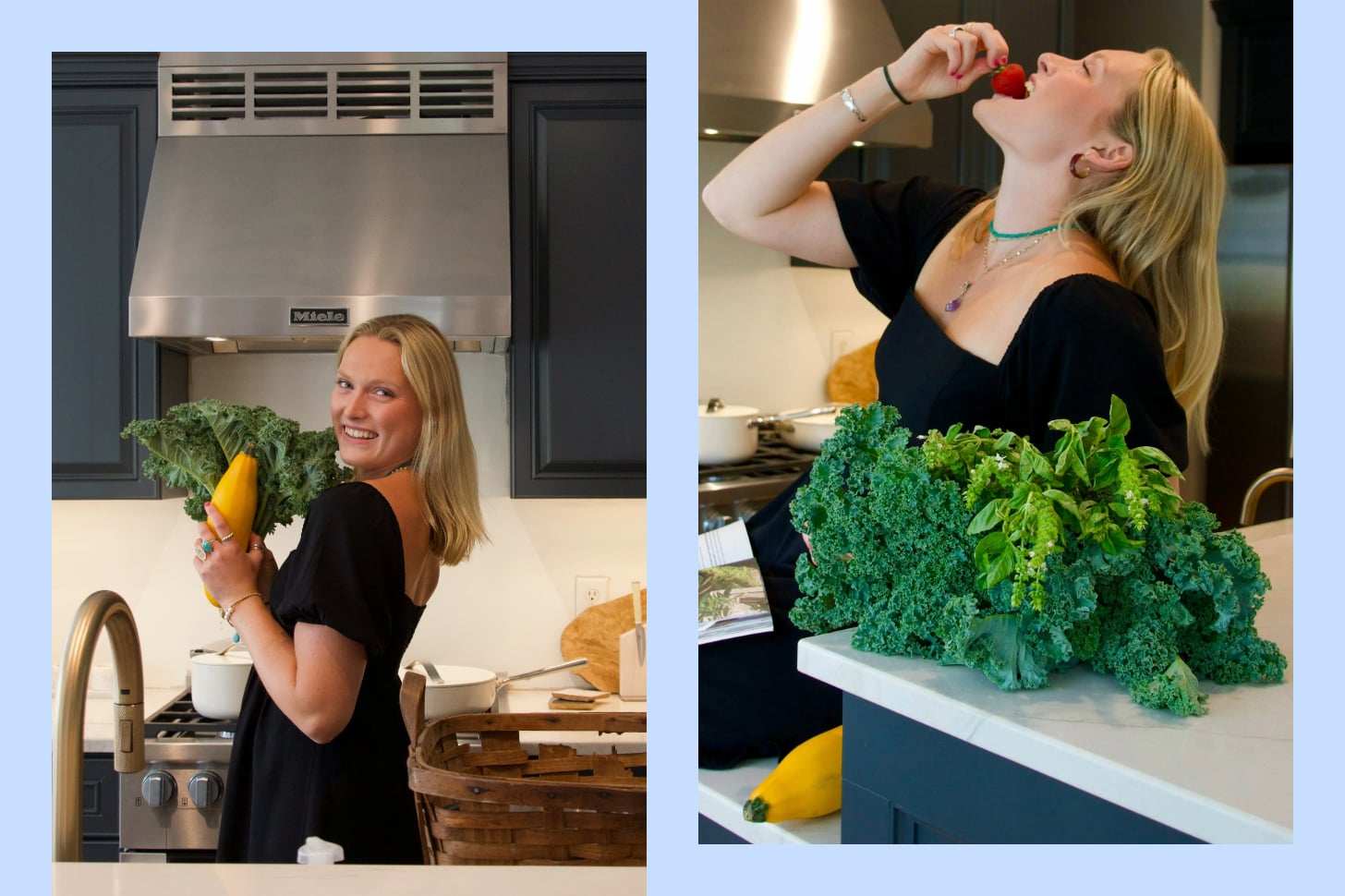
Murawski’s approach—a multifaceted one involving elimination diets, gut-healing protocols, and a re-evaluation of her relationship with food—reflects a shift away from one-size-fits-all wellness advice. The conventional narrative often prioritizes restriction and deprivation, potentially leading to feelings of isolation and failure. Her story, however, emphasizes the importance of listening to one's body, experimenting with different approaches, and ultimately finding a sustainable and nourishing way of eating. The intentionality behind her healing process speaks to a broader cultural desire for agency and control over one’s health, moving beyond passive adherence to prescribed diets and embracing a more active, investigative role. It acknowledges that healing isn’t a linear path; it's a process of continuous learning and adaptation, demanding patience and self-compassion. The visual element accompanying the story – a calming image of fresh produce – reinforces this sense of groundedness and connection to natural, whole foods, a visual cue that aligns with the aesthetic of intentional living.
The broader significance of Murawski’s experience extends beyond those directly navigating Celiac or Crohn’s. It taps into a wider conversation about the impact of the modern diet on overall health. The rise in autoimmune diseases has prompted many to question the role of processed foods, environmental toxins, and chronic stress in disrupting the delicate balance of the gut microbiome. While not everyone will adopt the same specific interventions, Murawski's story offers a powerful model for anyone seeking to optimize their well-being through mindful nutrition and lifestyle adjustments. The article also subtly nods to the societal pressures surrounding food and body image, reminding us that true wellness isn't about conforming to external standards, but about cultivating a deep sense of self-acceptance and nourishing our bodies with kindness. It’s a perspective that complements the celebration of female friendship and self-discovery found in pieces like Popsugar Pulse's "Elle" Cover Is For the Girls, highlighting the importance of support systems and celebrating individuality.
Looking ahead, the increasing visibility of personal narratives like Murawski’s suggests a continued evolution in the wellness space. We can anticipate a greater emphasis on personalized nutrition, functional medicine, and a more holistic understanding of the mind-body connection. The challenge will be to ensure that this growing awareness translates into accessible and equitable resources for all, moving beyond the often-exclusive language of luxury wellness and fostering a culture of genuine support and empowerment. One key question to watch is how technology, particularly advancements in gut microbiome testing and personalized nutrition apps, will further shape the landscape of self-healing and preventative care, and whether these tools can truly democratize access to individualized well-being.