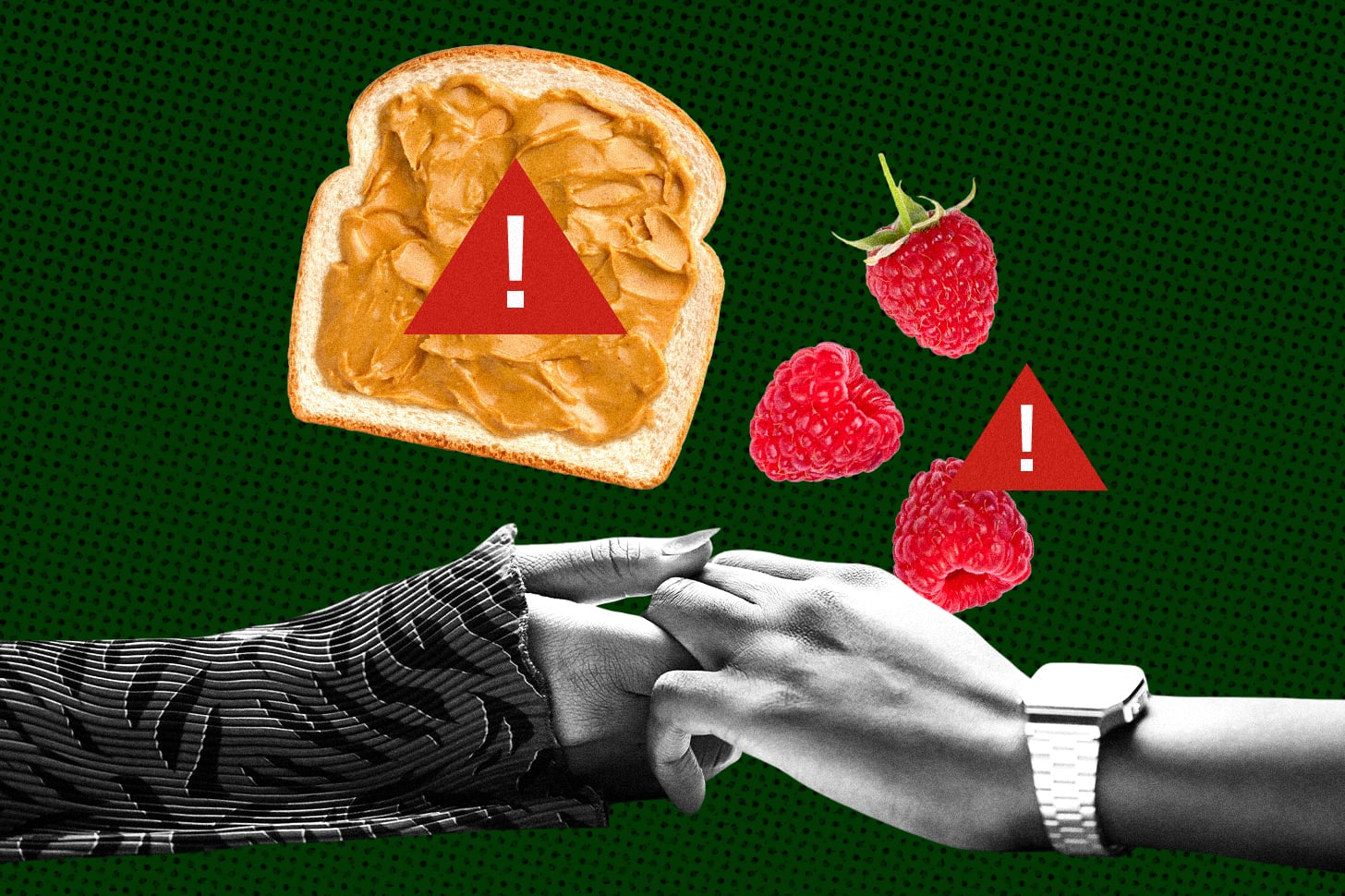
The rise of “couples’ dietitians” as a relational support system speaks volumes about our current cultural landscape, one increasingly interwoven with wellness anxieties and the pursuit of optimized living. The article’s focus on Jen Ziel's experience, navigating a vegetarian lifestyle alongside a meat-eater, highlights a surprisingly common tension point in modern relationships: differing dietary choices. It’s no longer simply about personal preference; food has become laden with ethical considerations, health concerns, and even political alignments. This is amplified by the broader societal conversation surrounding food, weight, and body image, a conversation currently dominated by the influence of GLP-1 medications – as explored in Let’s Discuss GLP-1 "Nonnegotiables". The emergence of a professional to mediate these discussions underscores a growing need for external guidance in navigating these complexities, suggesting that traditional relationship therapy may not always adequately address the deeply personal and often emotionally charged nature of food-related disagreements.
The demand for couples’ dietitians isn't merely about resolving mealtime conflicts; it's about addressing the underlying anxieties and power dynamics that these conflicts expose. Food choices can be powerfully symbolic, representing values, autonomy, and even a sense of control. A partner's insistence on a specific diet, or conversely, a refusal to accommodate another's needs, can easily escalate into a battleground for deeper relational issues. The modern obsession with “optimizing” health – often fueled by social media trends and a relentless pursuit of peak performance – can further exacerbate these tensions. Consider the current debate around healthy sun exposure, where conflicting information creates confusion and anxiety, mirroring the broader challenges in navigating wellness advice The Healthy Sun Exposure Debate Is Here—What's Hype, What's Dangerous, and What's Actually True. The willingness to invest in a specialist to navigate these nuances suggests a shift in how we approach relationship maintenance—moving beyond emotional processing towards a more holistic, lifestyle-integrated model of support. It also speaks to a desire for practical solutions; therapy can help unpack feelings, but a dietitian can offer tangible strategies for compromise and co-creation of a shared, sustainable eating pattern.
This trend aligns with a wider movement towards specialized wellness practitioners catering to niche needs. We're seeing a proliferation of professionals focusing on sleep, stress management, and gut health, each promising to unlock a new level of wellbeing. The fact that couples are now seeking joint nutritional guidance highlights the recognition that individual wellness isn't possible in isolation – it’s inextricably linked to the health of our relationships. The focus on food, in particular, is insightful. It’s a daily ritual, a source of pleasure and connection, but also a potential trigger for conflict. It's a powerful lens through which to examine relational dynamics, reflecting not just nutritional preferences but also communication styles, boundaries, and shared values. Indeed, for some, the simple act of enjoying a protein snack without judgment, as discussed in Please Let Me Have My Lazy Girl Protein, can be a significant expression of individual autonomy and relational acceptance.
Ultimately, the rise of couples’ dietitians is a fascinating indicator of our evolving relationship with food and with each other. It’s a sign that we’re increasingly willing to seek professional guidance not just to mend broken connections, but to proactively cultivate healthier, more sustainable partnerships. Looking ahead, will we see a further specialization of relational support, with practitioners emerging to mediate disagreements around exercise, sleep schedules, or even leisure activities? And perhaps more importantly, will this trend lead to a broader cultural reckoning with the unrealistic expectations we place on ourselves and our partners in the pursuit of optimal wellbeing?