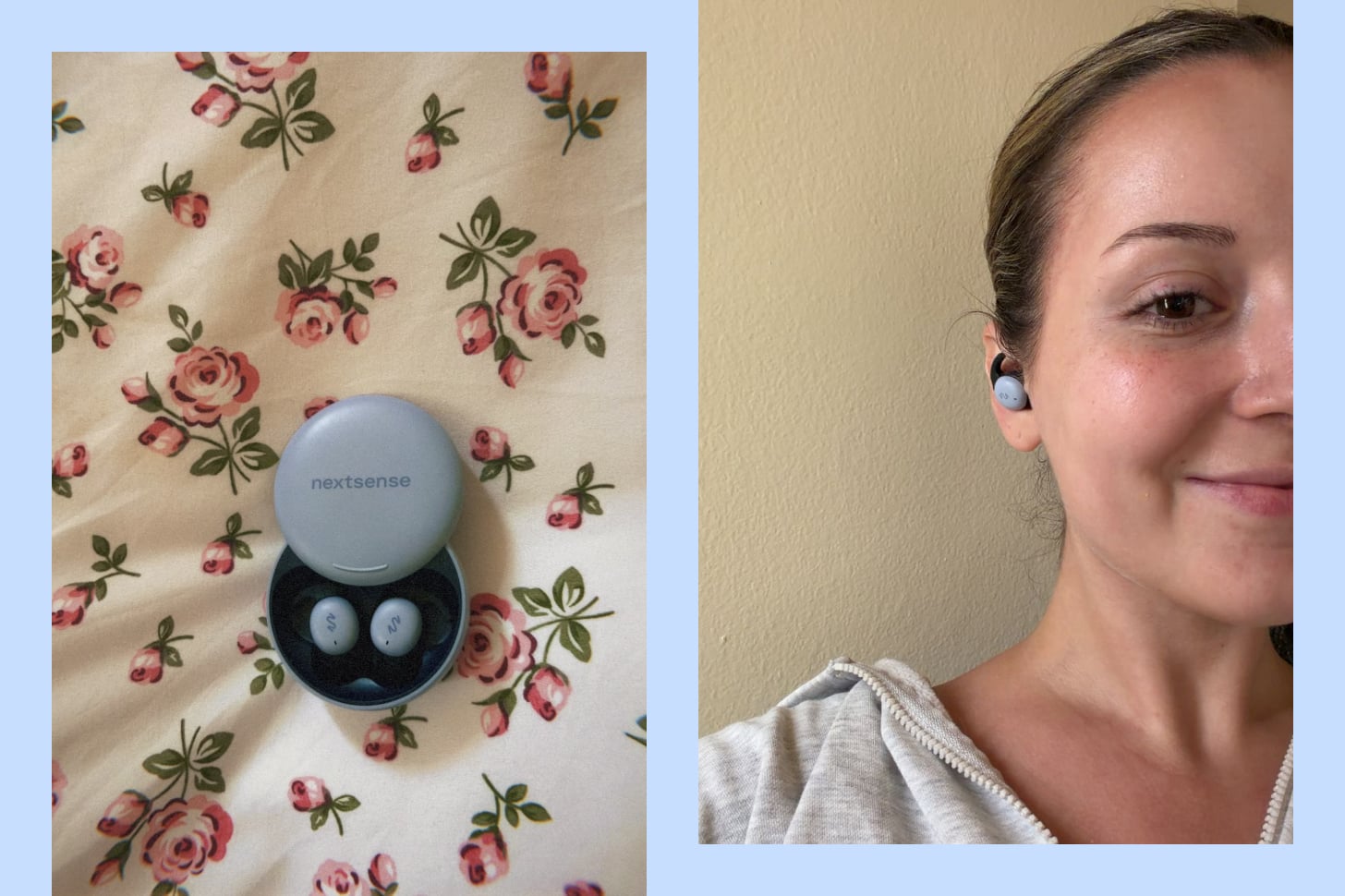
There is a particular kind of quiet that settles over a home when the world goes still, and for Chiara Bransi, that stillness is non-negotiable. The article in question, "Finding Stillness: Exploring Brain-Adaptive Tech for Deeper Sleep," opens with a declaration that feels almost like a mantra: "I don't play about my sleep." It is a statement of quiet authority, one that immediately resonated with our own philosophy. The piece explores the emergence of brain-adaptive technology, specifically the Nextsense Smartbuds, as a tool not for forcing slumber, but for meeting the mind where it is. This is not about loud, aggressive biohacking; it is about an intentional, almost poetic surrender to the body's natural rhythms. We see this as a natural extension of the broader conversation around self-care, one that aligns beautifully with the principles we explore in our own editorial lens.
This approach to rest feels less like a technological fix and more like a form of self-reclamation. It is the same quiet confidence we admire in the Unlock Confidence: The Subtle Power of Scent, where the right fragrance is less about changing who you are and more about reconnecting with the version of yourself you already know. Just as a specific note can ground us in a feeling of power, adaptive sleep tech promises to guide us back to a state of presence. The device, as described, learns and responds, creating a feedback loop that quiets the internal chatter. It is a deeply feminine form of power; it is not about dominating the environment, but about harmonizing with it. For our readers, this signals a shift away from performative busyness and toward a curated inner world, a theme we touched on in our Intentional Rituals: A Quiet Approach to Fall Wellness, where the act of preparation becomes its own reward.
Our honest take is that this is more than a review of a gadget; it is a cultural signal. The fact that we are turning to brain-adaptive technology suggests a collective exhaustion, a desire to outsource the burden of constant decision-making, even while we sleep. However, the true luxury here is not the device itself, but the permission it grants to prioritize rest without apology. It is a practical acknowledgment that our external radiance, much like the Reveal Your Radiance: Simple Makeup Adjustments for a Rested Look suggests, is intrinsically linked to our internal state. The article implies that we are not just looking for more hours of sleep, but for a deeper quality of being. The specific takeaway we would offer a reader is this: the goal is not to chase the perfect night, but to trust the process of attuning to your own mind.
What we would tell a reader who asks about this is to consider what "stillness" means to them beyond the absence of noise. The article encourages us to view this technology as a gentle guide, not a miracle cure. The real question moving forward is not whether these devices work, but whether we are willing to let go of the hustle that keeps us wired long after the lights are off. The most compelling detail to watch is how this technology evolves to become less of an accessory and more of a silent partner in our daily pursuit of calm. The concrete point we are left with is simple: the most radical thing we can do for our confidence and our composure is to treat our rest as a serious, intentional practice, and if a clever piece of tech helps us get there, then we are all the more luminous for it.