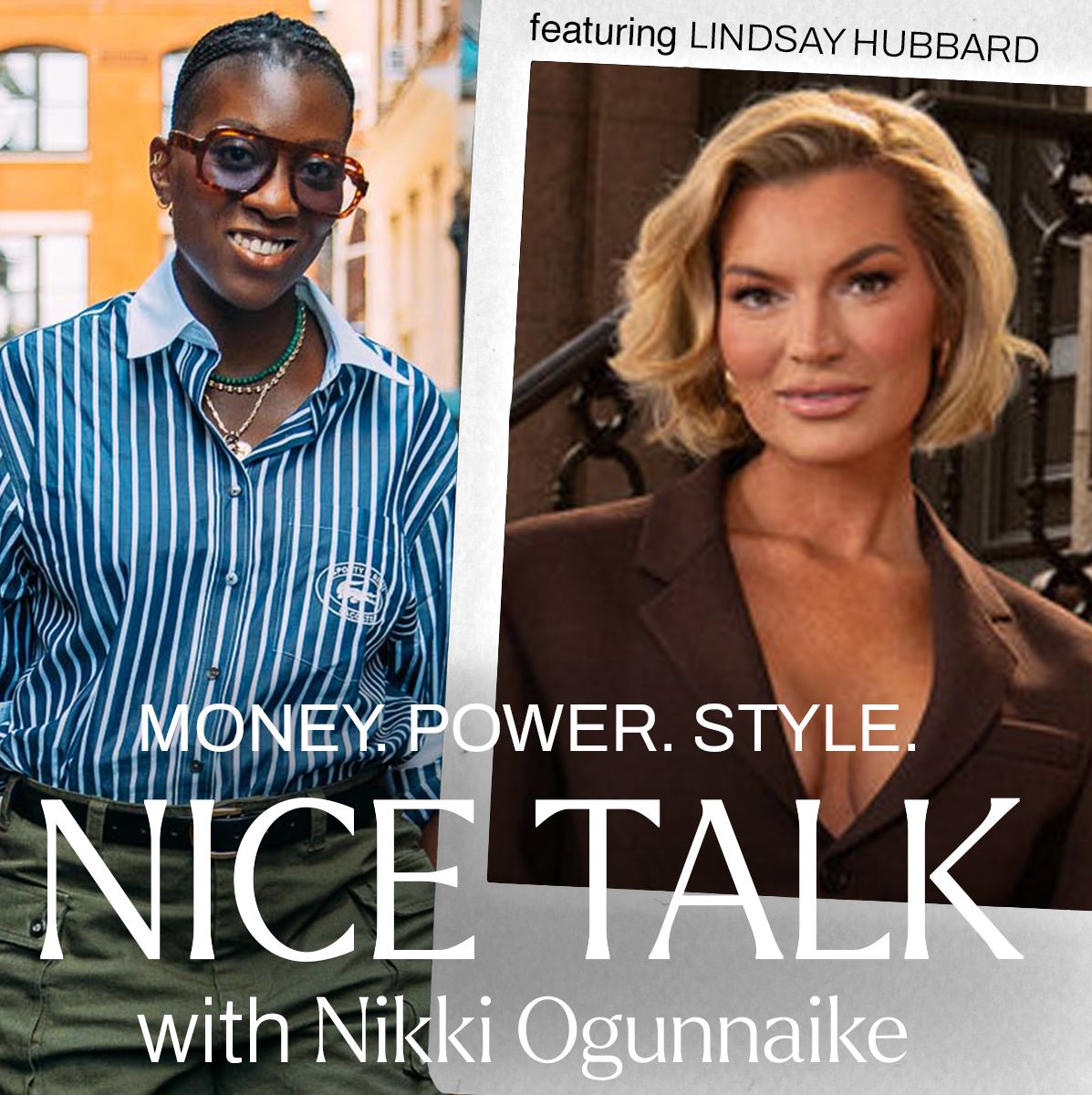
There is a particular kind of power that comes from simply showing up, and Lindsay Hubbard has built a career on it. For ten seasons, she has turned the mundane realities of friendship and heartbreak into a compelling narrative, not through grand gestures, but through a persistent, unshakeable presence. Her boldness is not a performance for the cameras; it is the engine of her work ethic. In a culture that often confuses loudness with confidence, Hubbard reminds us that the quietest form of strength is the decision to remain visible through every messy, unpolished moment. She does not need to explain herself; she simply continues to move, and we watch because her consistency feels like a promise.
This idea of self-assured living is rarely about the absence of doubt, but rather the refusal to let it lead. Hubbard's journey, including the public navigation of a friendship breakup and the fallout from a scandal, points to a truth we often resist: authenticity is not a destination, but a daily discipline. It is the choice to walk into a room with your history written on your sleeve, unbothered by who might look away. This resonates on a practical level for anyone who has ever felt destabilized by change. The takeaway is not to emulate her circumstances, but to adopt her posture. As we see her weather the storm of public opinion, we are reminded that our own private resets are possible. It is a lesson in endurance that feels increasingly rare, a quiet rebellion against the pressure to be small. We see this same thread of resilience in the stories we follow, whether it is the lingering hope of a monarch or the quiet determination of an athlete rising from grief, as seen in A Lingering Wish: Exploring King Charles’ Enduring Hope and From Grief to Glory: Mariana Khalil's Unprecedented Ascent in 'Physical 100'.
What is most compelling about Hubbard's current chapter is not the drama itself, but the calm authority with which she moves through it. She does not beg for sympathy or demand validation; she simply offers her perspective and lets it sit in the air. That is the hallmark of a woman who is comfortable in her own skin, a quality that cannot be faked or manufactured. For our readers, the practical takeaway is this: self-assurance is not about having all the answers, but about being so in tune with your own narrative that you become immune to the noise. She demonstrates that you can be the author of your own story without needing to control the narrative. The real question we should be asking ourselves is not how to avoid the scanda, but how to walk through it with the same grounded poise. Watch how she handles the next episode; her ability to hold her center will tell you more than any confessional ever could.