Florence Pugh on Method Perfuming and the Scent That's Become Her "Invisible DNA"
Our take
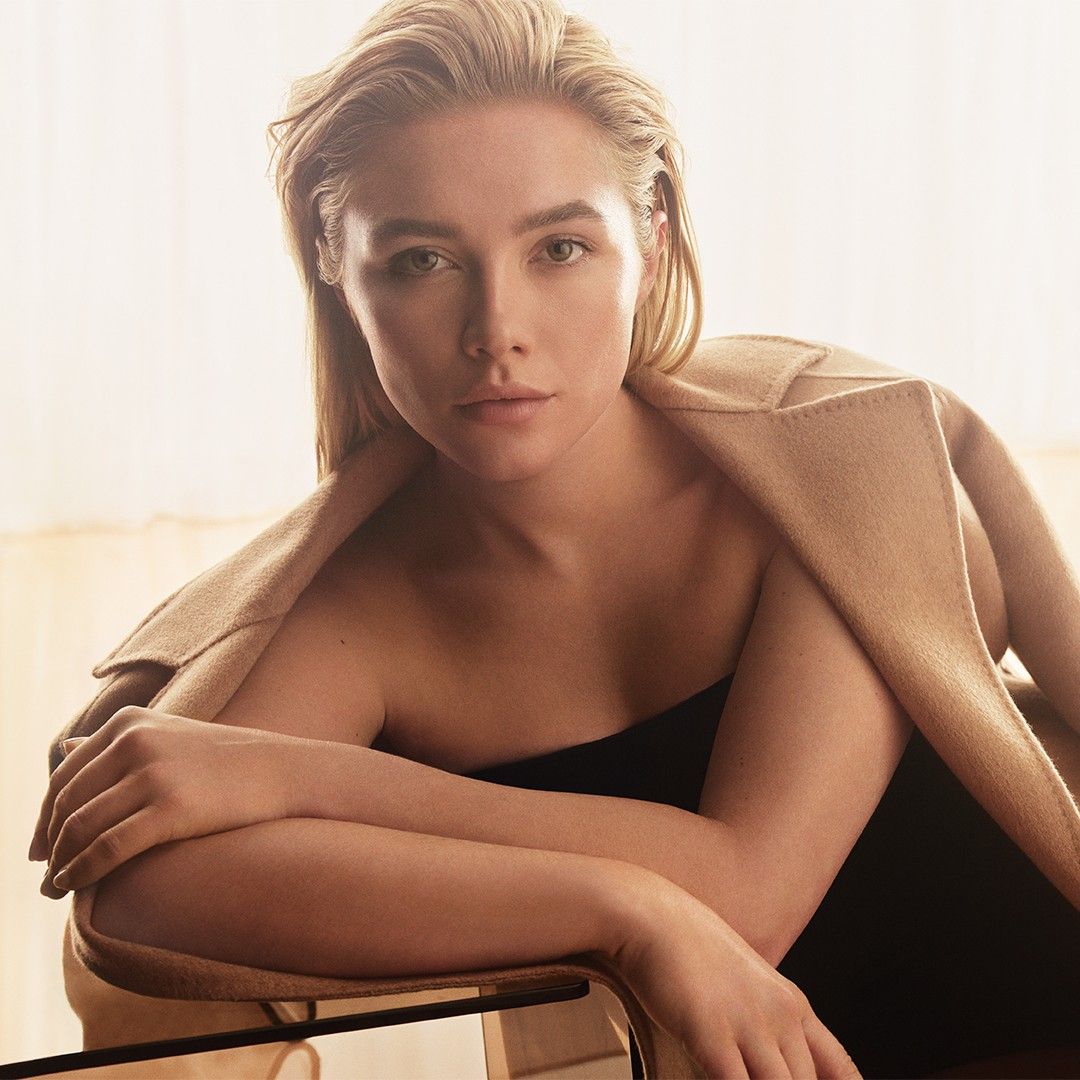
Florence Pugh’s exploration of scent as a character-building tool, detailed in her recent interview, resonates deeply with the current cultural shift towards holistic self-expression and a more nuanced understanding of personal identity. The concept of "method perfuming," as she terms it, elevates fragrance beyond a simple aesthetic choice and positions it as a vital component of embodying a role, mirroring the meticulous dedication actors bring to all other facets of their craft. This approach aligns perfectly with the quiet luxury ethos we champion—a focus on intentionality and detail that speaks volumes without the need for ostentation. It subtly echoes the mindful curation of a wardrobe, as exemplified by Hailey Bieber's embrace of a foundational piece Not a Sweater—Hailey Bieber's Favorite Pre-Fall Wardrobe Basic Makes Leggings Look the Coolest, demonstrating that understated elegance often derives from thoughtfully selected essentials. Similarly, the sophisticated autumnal palettes favored by Parisian women In Paris, Every Elegant French Woman's Autumn Wardrobe Includes a Staple From This Chic Brand further underscore this appreciation for refined, considered choices.
Pugh’s willingness to articulate the unexpected appeal of even seemingly unconventional scents—like the “yeasty whiff” of her dog’s feet—is particularly striking. It’s a rejection of prescriptive notions of what is “beautiful” or “desirable” and a celebration of the sensory richness of lived experience. This aligns with our brand’s emphasis on embracing authenticity and finding power in vulnerability. It’s not about chasing a manufactured ideal but about finding resonance in the imperfect, the familiar, and the deeply personal. The act of imbuing a scent with meaning, and then using that scent to inhabit a different persona, is a powerful demonstration of the transformative potential of fragrance—a potential that extends far beyond the realm of performance. It speaks to the broader human desire to explore different facets of ourselves and to connect with others on a deeper, more visceral level. The way she describes it, scent becomes an “invisible DNA,” a subtle yet pervasive marker of identity and experience.
The rise of this concept—method perfuming—is indicative of a larger trend in the beauty and wellness industries. Consumers are increasingly seeking experiences that are personalized, meaningful, and emotionally resonant. They’re moving away from generic, mass-market products and towards bespoke formulations, artisan brands, and scents that tell a story. This shift is also fueled by a growing awareness of the power of scent to influence mood, memory, and even behavior. Fragrance is no longer simply about smelling nice; it's about crafting a sensory landscape that supports our well-being and reflects our individual narratives. It’s a move away from the performative aspects of luxury – the blatant displays of wealth – and towards a more introspective understanding of what truly elevates the everyday. We’ve observed this in the increasing popularity of minimalist aesthetics and the conscious rejection of fast fashion, reflecting a desire for enduring quality and intentionality over fleeting trends. Even the subtle details of an elegant autumn wardrobe How to Spot an Elegant It Girl in Autumn 2026—These Timeless Jeans and This Trending Shoe demonstrate a commitment to a curated and considered personal style.
Ultimately, Florence Pugh’s approach to fragrance offers a compelling glimpse into the future of scent—a future where it’s not just a finishing touch but an integral part of the self. As fragrance houses increasingly explore novel ingredients, innovative technologies, and personalized scent profiles, how will the concept of "method perfuming" evolve beyond the realm of actors and into the broader cultural landscape? Will we see a rise in bespoke scent consultations that delve into our personal histories and aspirations, helping us to craft fragrances that truly embody who we are? The intersection of scent, identity, and performance is ripe with potential, and we’ll be watching closely to see where this captivating exploration leads.
On a cloudless spring afternoon in a terraced suite at Six Senses Rome, Florence Pugh sits on a bouclé sofa discussing the yeasty whiff of her dog's feet. "It's not a nice smell, but it's an amazing smell," she says, breaking into that famous gravelly laugh. I'm catching the award-winning actress on her fourth hour of back-to-back press interviews, yet she appears freshly polished in a white button-down and black mesh skirt, her bob slicked back, her complexion lit gold as if she's made a deal with the sun. Pugh has roughly 50 minutes before she needs to head back to the glam chair to reset for tonight's dinner, and if it weren't for the smattering of publicists in the corner, ready to swoop in, I'd assume she had nothing but time to rattle off her comfort scents. To round out the list: self-tanner, the park at 4 p.m., garlic and onion sizzling on the stove, and, as of a few months ago, Max Mara's Le Parfum.
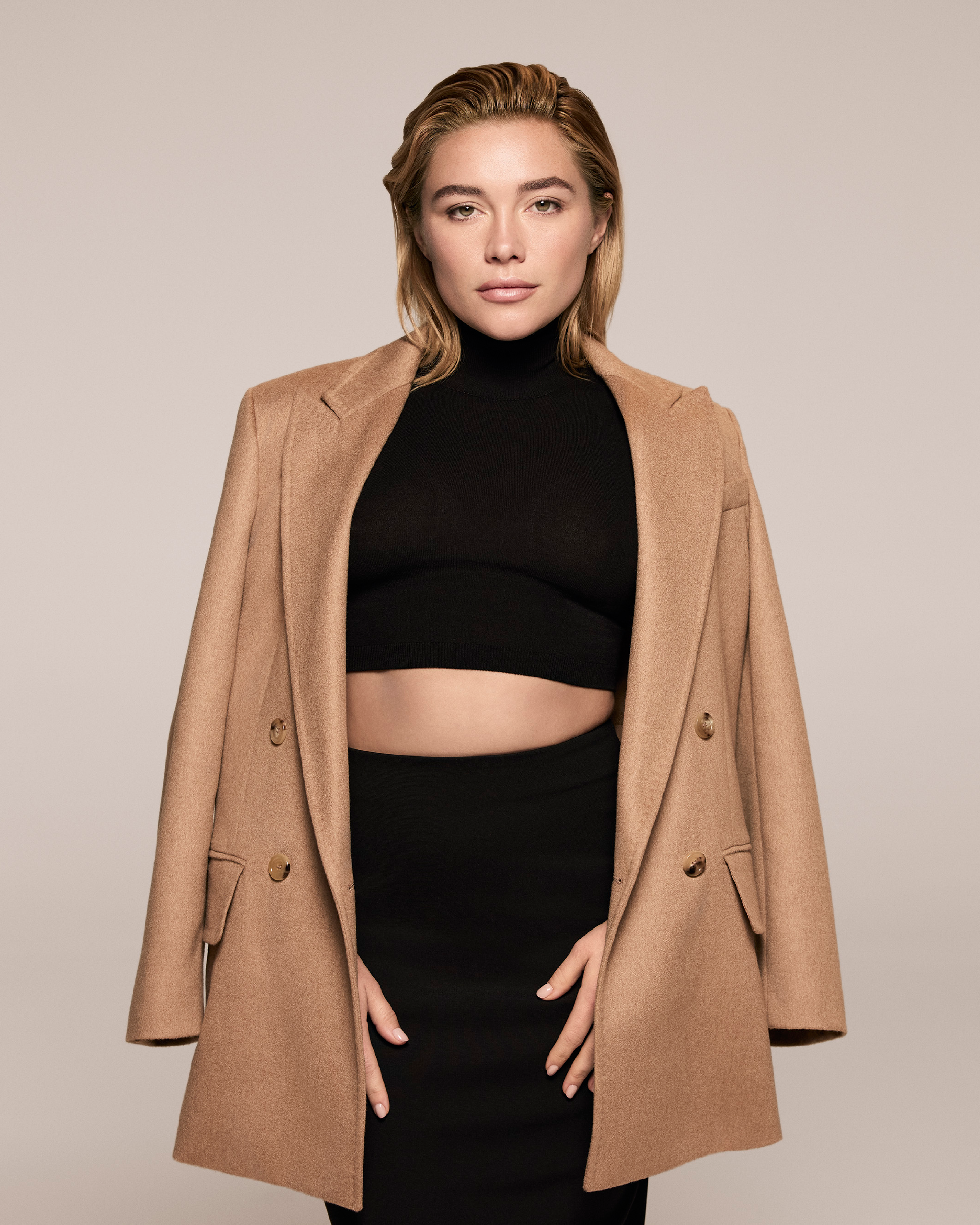
Pugh, with a "very sensitive nose" and a penchant for rich, "feminine" aromas, has long considered herself a fragrancehead. "I've grown up with perfume my whole life. I remember watching my mom apply her perfume, really studying where she put it," she says. "She would let me have some on my wrist when we'd go out for dinners, and I would just be so excited." Today, perfume remains an integral part of her daily regimen, personally and professionally. "Every character of mine has a different perfume. I find it really important to locate who that woman is and what she smells like," she says. "Perfume will be the last thing that I apply [before] I go on set. I get myself into costume, I put my scent on, and it's the final piece that builds that person for me."
Some bottles stem from local boutiques in far-flung destinations, while others are mainstream players she stumbles upon in duty-free. ("Sometimes, I'm like, 'Oh, wow! That was it!'") Yet she approaches each aroma with meticulous research based on what raw materials her character would have access to in that particular moment in time. Method perfuming, if you will. It's not like Amy March could easily head over to her local Ulta. "My mom actually made me a perfume for Little Women. She built a perfume based around Amy's lifestyle and what she would have been able to trade with or buy—minerals that she would have been painting with," Pugh recounts. "It was really sophisticated, floral, and beautiful. It made me love Amy even more."
With East of Eden, the highly anticipated adaptation of John Steinbeck's 1952 novel, premiering on Netflix this fall, I have to ask: Does Le Parfum fit into any of her roles? For now, the jury's still out. "I'm really excited to figure [it] out. Who is that lady?" Pugh muses. "It might take a while. It's an incredibly unique and bold scent that I don't want to just put on anyone—other than myself."
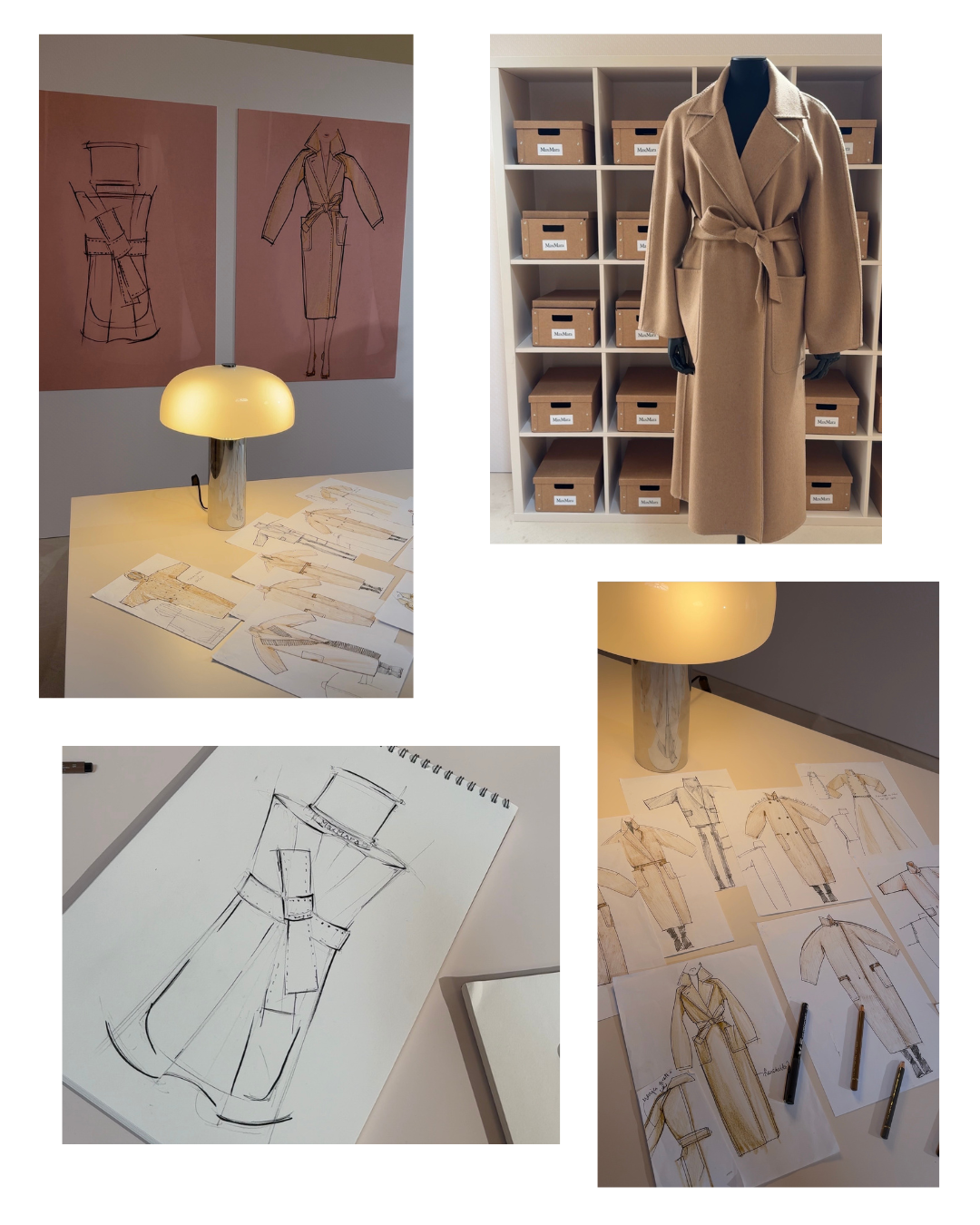
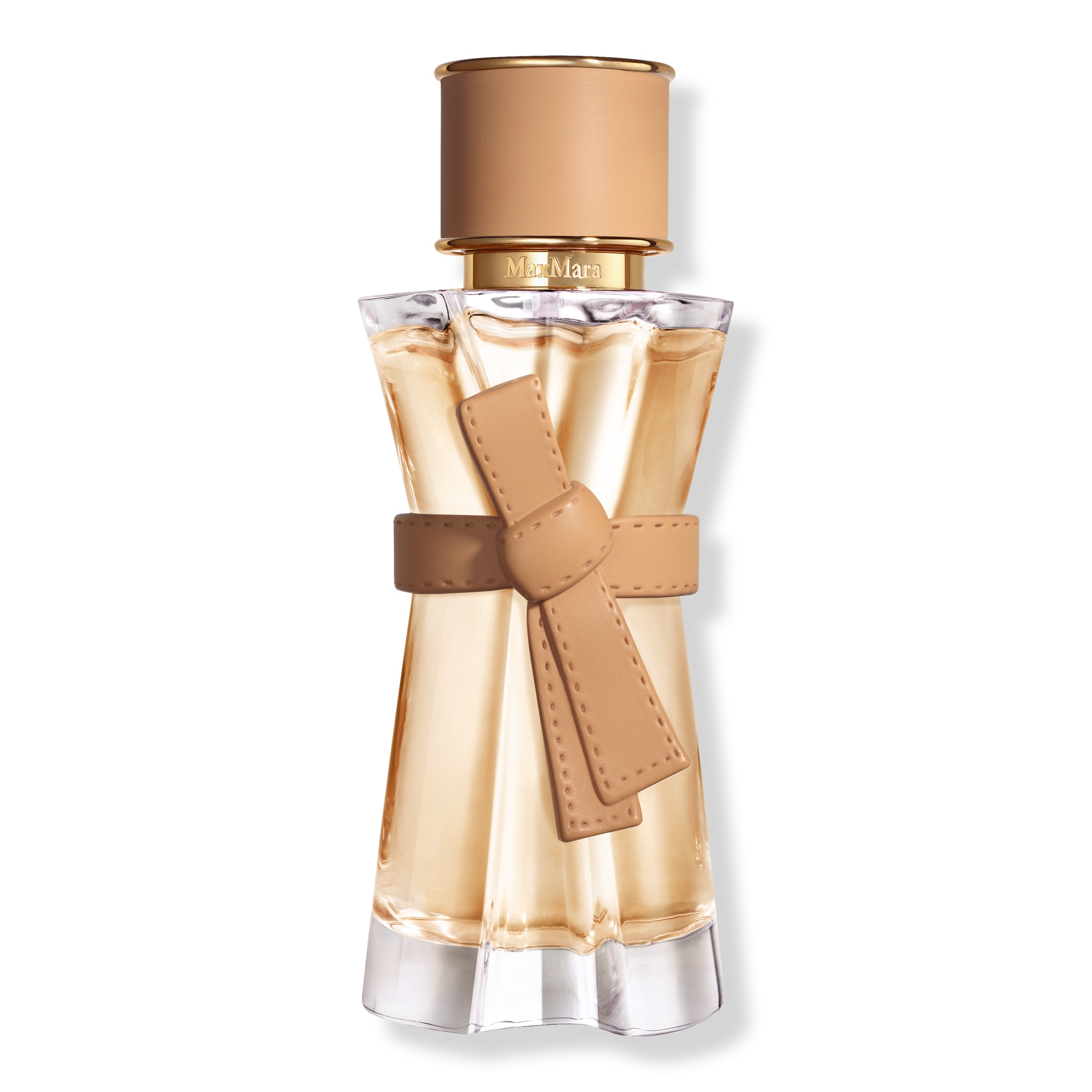
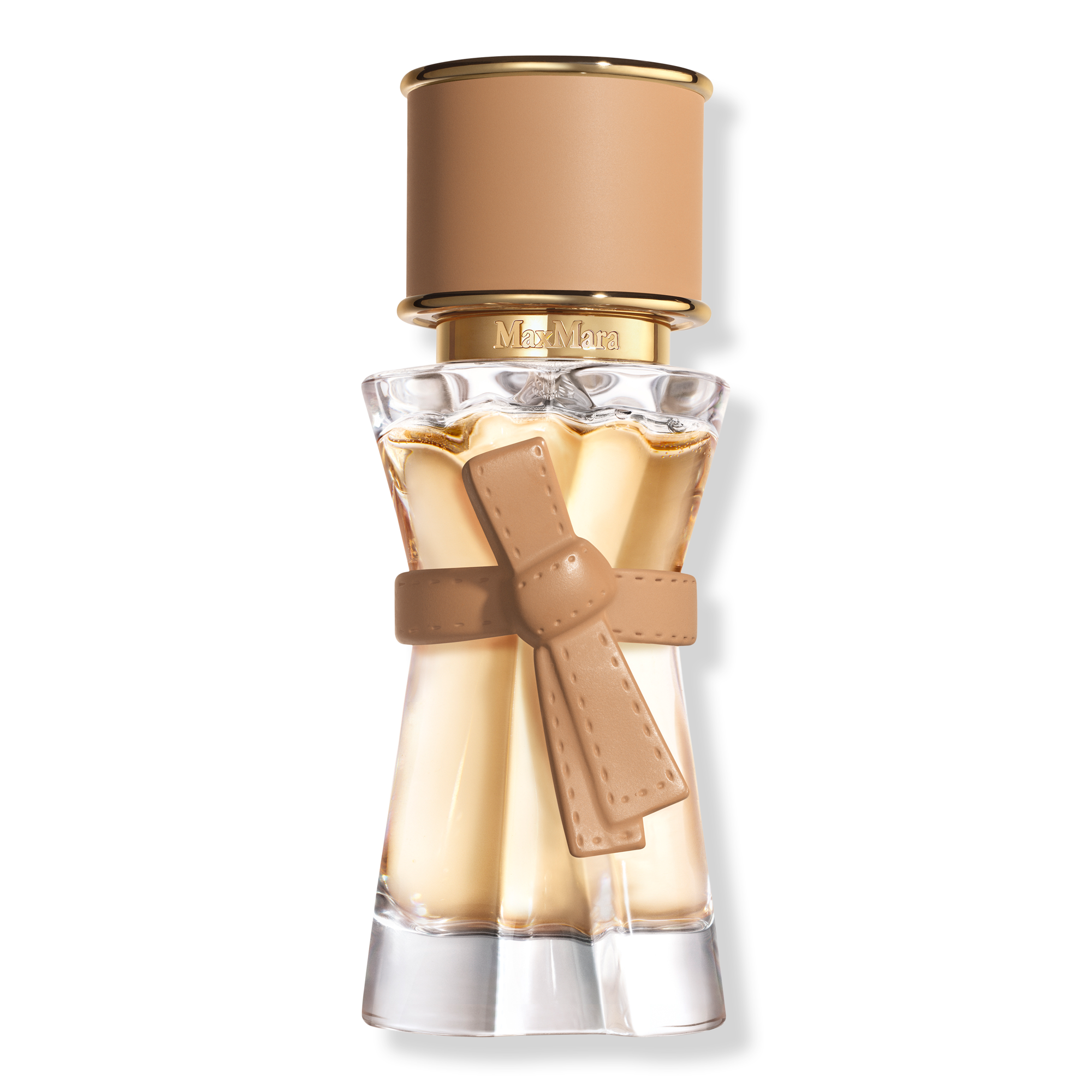
Le Parfum draws inspiration from Max Mara's iconic 101801 coat, down to the bottle's lacquered belt and gold button cap. The juice inside is just as textured, enveloping the wearer in a cloak of musky sandalwood, cedarwood, tuberose, benzoin, and a velvety blue vanilla sourced from Réunion Island. It functions like a second skin, one with an intentional mix of traditionally masculine (woods) and feminine (tuberose) facets, just like how the original 1981 Max Mara garment was initially inspired by menswear. "It took us months to find the right balance," perfumer Fabrice Pellegrin tells me during an exclusive brand presentation. The painstaking process paid off: According to Pugh, who had eyes on the production from soup to nuts, the fragrance "actually smells like cashmere."
Despite its softer dry-down, though, Le Parfum is a scent that lingers—on your skin and on your clothing—to the point where it becomes an extension of your personality. For Pugh, that's precisely what makes a fragrance so captivating. "It's an invisible DNA," she shares. "Whether I'm working on set, on a press tour, [or] at home, it is part of my identity."
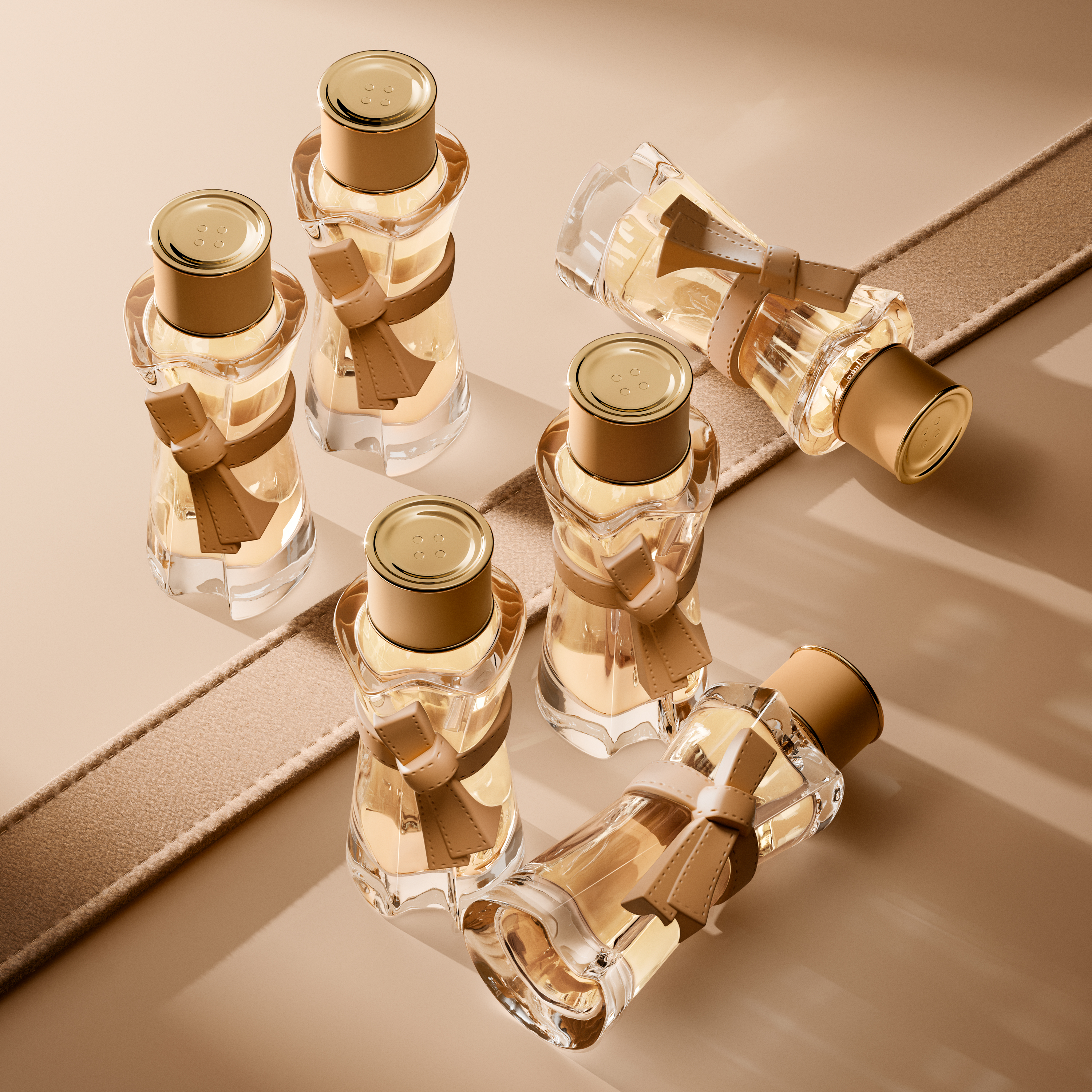
For a magnetic fragrance, a magnetic individual like Pugh makes a lot of sense to front the campaign. She holds court with her disarming grin and sharp wit—the kind of presence that makes the room exhale, leaving everyone unaware of the ticking clock. When my cohort of editors wrap up our interviews and say our goodbyes, a faint trace of Le Parfum follows me out the door, to the airport, and to my closet, where it clings to my blazer to this day. Every time I give my own bottle a spritz, I flash back to Pugh—her silhouette framed by buttery rays, her quick "You all look beautiful!" as we file out of her hotel suite. An invisible thread connecting me to that sun-dappled spring afternoon. I think she'd like that.
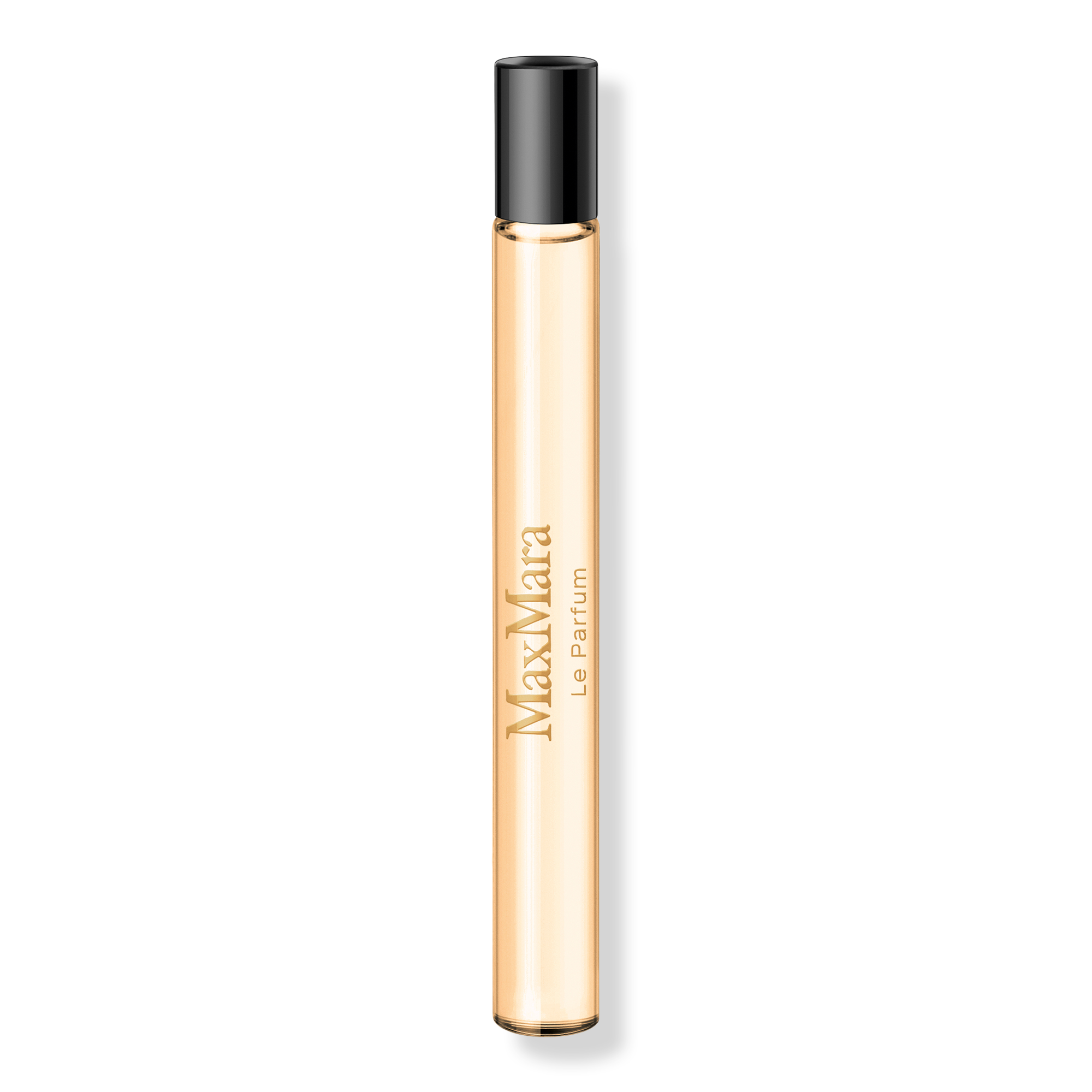
Shop Max Mara Le Parfum
Read on the original site
Open the publisher's page for the full experience