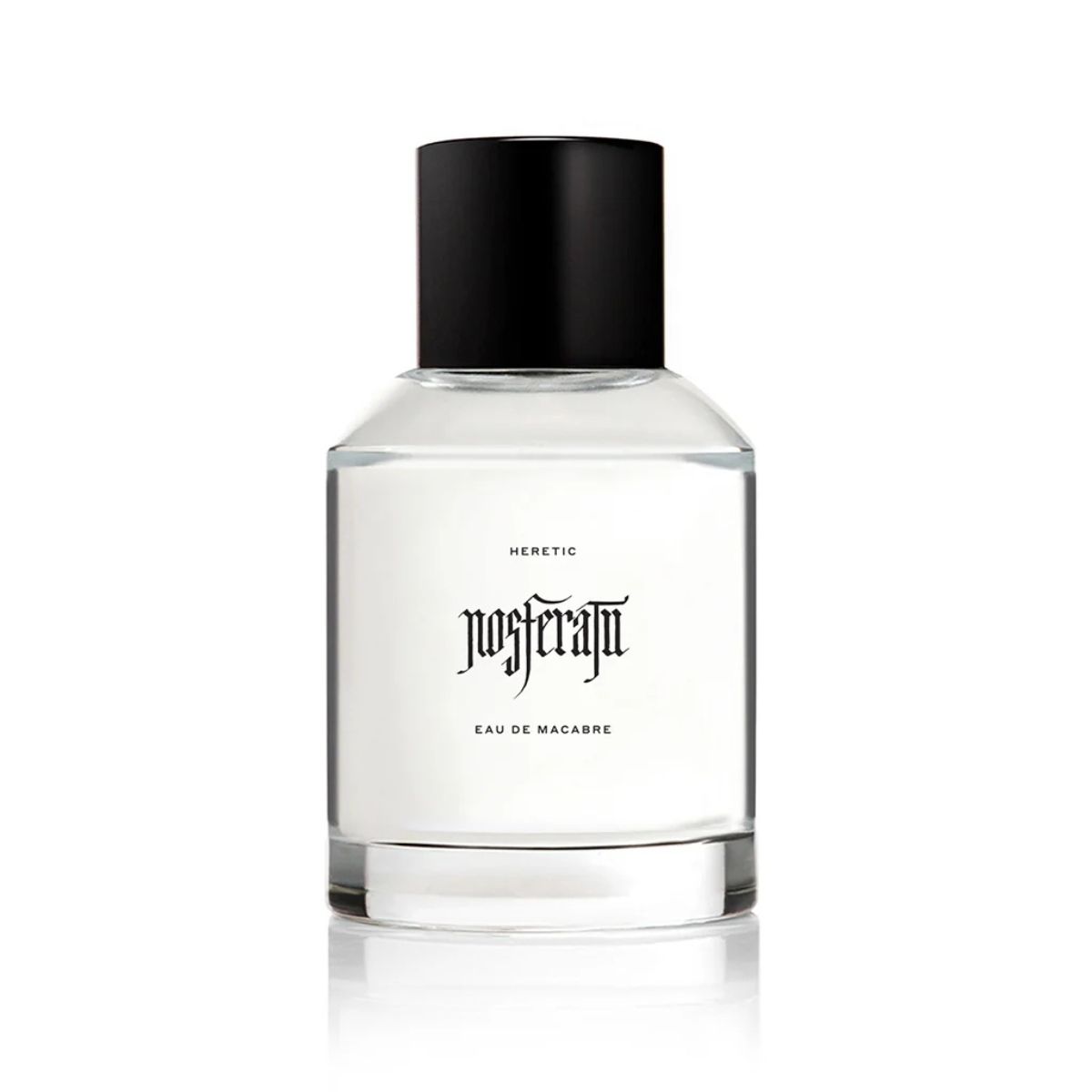
The scent of a generation is no longer a signature; it is a wardrobe. And we believe this shift is less about consumer frivolity and more about a quiet, profound redefinition of what luxury means when the old milestones, a home, a car, a stable career, feel like a distant inheritance. Gen Z has not abandoned ambition. They have simply relocated it from the tangible to the atmospheric, choosing to invest in the feeling of a life rather than the proof of one. This is not reckless spending; it is intentional curation of identity, and it changes everything about how we should think about value.
What we are witnessing is a democratization of the sensorial. As explored in The Quiet Evolution of Perfume, Where Scent Meets Intention, fragrance has moved from a special-occasion marker of status to a daily tool for self-composition. The young woman layering a $300 oud over a scented body oil is not showing off; she is building a mood, a persona, a moment of control in a world that offers her very little of it. The vocabulary has shifted from "I want to smell sweet" to "I want to smell like rich vanilla ice cream on a sexy date night", a hyper-specific emotional target that no single bottle can hit alone. This is not consumption for consumption's sake. It is the search for a feeling that is entirely one's own, and it demands a new kind of literacy from the industry.
The practical consequence for anyone paying attention is this: the old gatekeeping is over. FragranceTok, smellmaxxing, and the rise of scent stacking have torn down the velvet rope that once separated the initiated from the curious. As noted in The Alchemist of Scent: Jérôme Epinette Knows What You Want to Wear, the master perfumer's talent lies in anticipating desire, but this generation is teaching itself to articulate that desire before the industry can define it for them. They are not waiting to be told what is special. They are building entire subcultures, from the teenage boys treating niche fragrance as a hype-driven collectible to the nonbinary individuals using scent to softly negotiate masculinity and femininity, that treat perfume not as a finishing touch, but as a primary text. The bottle is no longer the point. The identity you step into when you wear it is the point.
This leaves us with a specific question worth watching: how will the houses that built their reputations on exclusivity respond to a generation that knows more about orris root than their parents knew about their own mortgage rates? The answer may lie in the quiet detail that Aymar de Chergé of Parfums de Marly offers, that having a smaller luxury budget does not mean having less appreciation for luxury. It means being more selective. And if Gen Z is selecting scent over square footage, the industry's job is no longer to sell a product. It is to sell a world worth smelling like, one layer at a time.