The eye cream sceptic has finally converted, and her confession is quietly relatable. For years, the logic seemed thin: why pay a premium for a smaller pot of ingredients that largely mirror what we already spread across our entire face? But the skin around our eyes is not the same as the rest of our complexion, and pretending otherwise is a recipe for redness, stinging, and regret. The real editorial take here is that sensitivity around the eyes is not a limitation to work around; it is an invitation to be more intentional with what we choose to apply. As consultant dermatologist Dr Zainab Laftah confirms, this area is thinner, more reactive, and often betrayed by face creams that are simply too heavy or too active. The solution is not to abandon the category, but to find a formula that respects the fragility of the tissue it sits on.
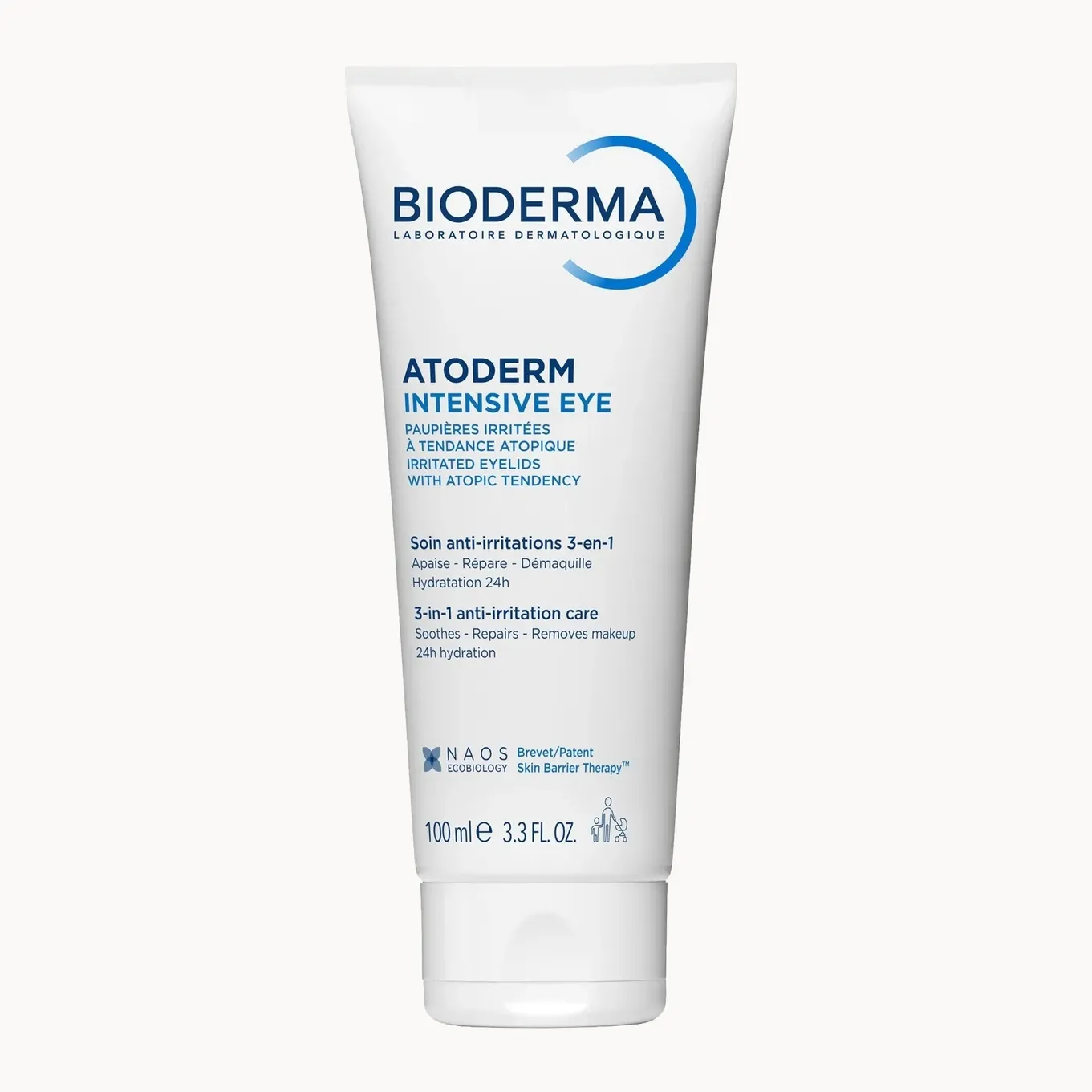
This shift in perspective aligns with a broader philosophy we return to often: luxury is not about more, but about better. In The serum that smooths, calms, and refines: no excess needed, we explored how a single, well-chosen product can replace a cluttered shelf of half-measures. The same restraint applies here. The best eye creams for sensitive eyes are not the ones with the longest ingredient lists or the most dramatic claims. They are the ones that prioritise barrier support, hydration, and a complete absence of fragrance. Dr Laftah recommends glycerin, hyaluronic acid, and ceramides, ingredients that do not shout for attention but quietly restore. The Bioderma Atoderm Intensive Eye Cream, for instance, is so gentle it is safe for newborns, yet it contains a patented complex that limits bacterial adhesion and delivers 24-hour hydration. That is the kind of quiet efficacy that earns a permanent spot in a routine.
What makes this story worth pausing over is the nuance it brings to the active-ingredient conversation. Many of us have been trained to believe that results require retinols, acids, or high-strength vitamin C. But around the eyes, those same ingredients can cause dryness, stinging, and irritation. The Medik8 Crystal Retinal Ceramide Eye cream proves that actives are not off-limits, but they must be introduced with care and formulated specifically for this delicate zone. This is not about avoiding progress; it is about pacing it. The same principle applies to the broader beauty conversation we touched on in The honest truth about wrinkle fillers from trusted dermatologists, where precision and professional guidance matter far more than bold promises. For the sensitive-eyed reader, the takeaway is concrete: look for fragrance-free packaging, avoid high-strength actives until the skin is calm, and never assume that a face cream can do double duty. The best eye cream is the one that disappears into your routine without a single moment of discomfort. That is the standard worth holding.