From Pendant Necklaces to Cocktail Watches, These Are the Jewellery Trends Defining Luxury in 2026
Our take
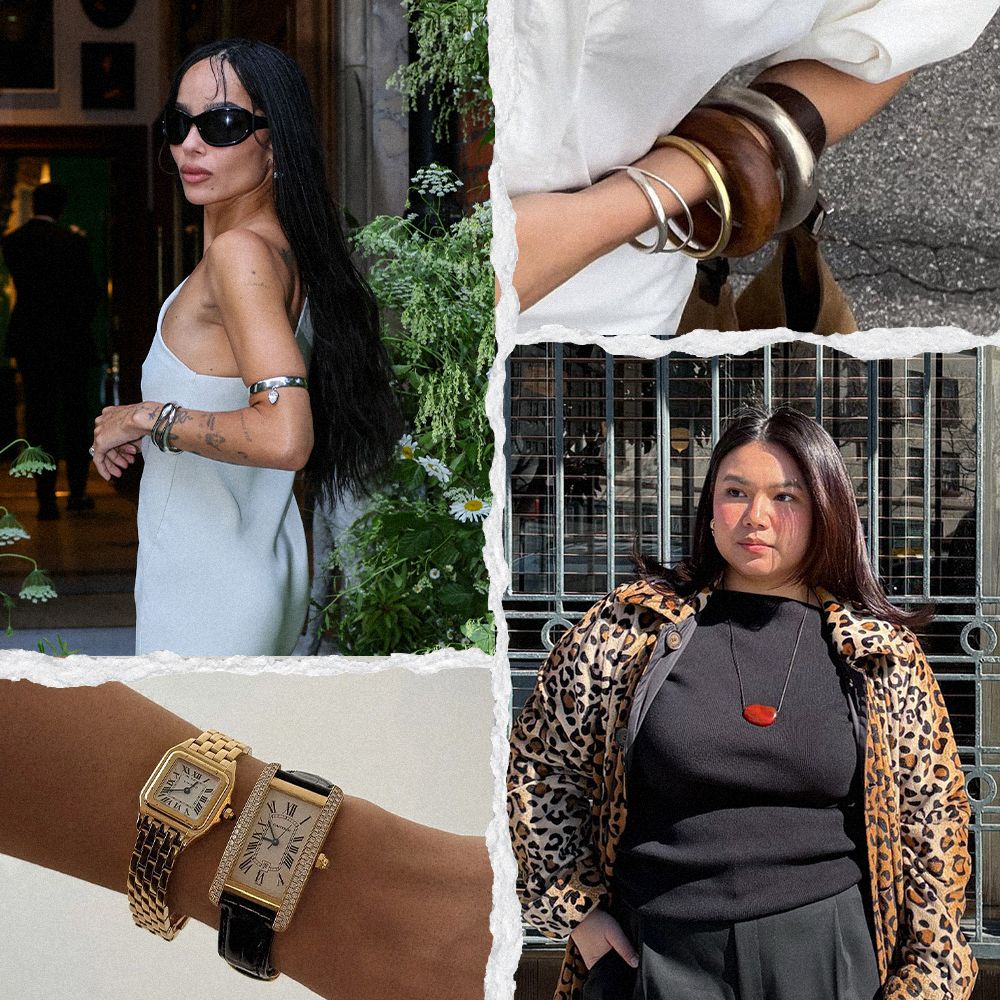
The conversation around luxury jewellery is shifting, and this piece on emerging trends for 2026 confirms it. It’s no longer solely about showcasing wealth, but about expressing a deeply personal narrative through adornment. The article’s focus on pieces ranging from understated pendants to statement cocktail watches underscores this evolution – a move away from overt displays of opulence toward curated collections that reflect individual style and sensibility. We've seen this sentiment mirrored in broader fashion trends, exemplified by how luxury brands dominated the scene at Lollapalooza [Lollapalooza's Best Fashion Was Led By Luxury Brands], demonstrating a blurring of lines between high fashion and individual expression. Furthermore, the enduring fascination with engagement rings, as noted in the article, continues to highlight the deeply symbolic power of jewellery, extending beyond mere aesthetics to represent significant life milestones – a sentiment reinforced by recent celebrity sightings sparking marriage rumours [Gigi Hadid & Bradley Cooper Sport Possible Wedding Rings In Paris]. The shift isn’t about abandoning luxury; it’s about redefining it on more intimate, meaningful terms.
This movement aligns perfectly with the current cultural landscape. We’re witnessing a collective desire for authenticity and a rejection of performative displays. The "magpie" approach—collecting glittering tchotchkes—while still present, is increasingly being balanced by a preference for fewer, more considered pieces that resonate with personal values and aesthetic sensibilities. The article’s mention of sculptural bangles and subtle studs speaks to this desire for understated elegance, a quiet confidence that doesn't need to shout for attention. This echoes the broader fashion landscape, where the move away from ubiquitous white dresses towards bolder, more expressive choices [The Fashion Crowd Has Officially Moved on From White Dresses—They're Wearing This Trend Instead] reflects a similar yearning for individuality. The emphasis on discernment and fine taste, as the article rightly points out, positions jewellery as a form of self-expression rather than a simple status symbol. It's about choosing pieces that tell a story, that connect to a deeper sense of self.
The implications for the luxury jewellery market are significant. Brands that understand and cater to this evolving consumer mindset will thrive. This means moving beyond traditional marketing strategies that focus solely on price and prestige. Instead, they need to cultivate a sense of connection and community, highlighting the craftsmanship, heritage, and emotional value of their pieces. Storytelling will become even more crucial – showcasing the inspiration behind designs, the ethical sourcing of materials, and the artisans who bring these creations to life. The rise of personalized jewellery, bespoke designs, and vintage finds further underscores this desire for uniqueness and individuality. Luxury is increasingly about exclusivity, but not in the sense of unattainable price points; it's about exclusivity of feeling, of connection, of a personal narrative woven into each piece.
Looking ahead, the lines between fine jewellery and contemporary design will continue to blur. We can anticipate a greater emphasis on sustainable materials, innovative technologies, and collaborations with artists and designers from diverse backgrounds. The role of digital platforms in shaping jewellery trends will also intensify, with virtual try-on experiences and personalized recommendations becoming increasingly commonplace. Ultimately, the question becomes: how will the luxury jewellery industry continue to evolve to meet the demands of a consumer base that prioritizes self-expression, authenticity, and emotional connection over mere material wealth? The answers will undoubtedly be found in the quiet spaces between the sparkle and shine, in the stories each piece tells about the wearer.
Those who wear jewellery every day know that the very act of ornamenting themselves with these scintillating pieces is evidence of their discernment and fine taste. Irrespective of whether you’re a perennial minimalist punctuating your ensembles with subtle studs and a sculptural bangle, exclusively wear an engagement ring or go the way of the magpie with glittering tchotchkes like brooches, tassel earrings, chunky beads and mammoth ring stacks, wearing jewellery every day is a testament to your investment, both in the finer things in life and in yourself.
This is reflected throughout fashion’s capitals in the cosmopolitan women who undertake this daily ritual and wear jewellery well. In London, Mayfair, ever a thoroughfare for refinement, showcases exceptional diamond masterpieces and heirloom-esque creations hidden behind Jessica McCormack’s 19th-century Carlos Place townhouse or Graff’s Georgian-era flagship on New Bond Street. In Paris, the palatial Place Vendôme unfurls as an institution for heritage and craftspersonship, serving as the headquarters for some of the most refined jewellery brands including Boucheron, Chaumet, Repossi, Van Cleef & Arpels and Cartier. New York's 5th Avenue, meanwhile, is a pinnacle of the modern-day luxury jewellery experience, from Tiffany & Co.’s iconic The Landmark boutique, whilst downtown in Lower Manhattan, contemporary brand Agmes emerges as captivating as the sculptural pieces it creates.
All this to say, there are a lot of agenda-setting brands to note and pieces to covet. Though wearing jewellery should be dictated by your own style philosophy, it always pays to keep in the know. To make this pursuit a little easier, Who What Wear UK has compiled a comprehensive guide to the movements and styles making the biggest impact this year. This season alone, jewellery has stretched the full gamut of the imagination, from Matthieu Blazy converting childhood fairytales into rigid necklaces for Chanel to Johnathan Anderson translating the Indian crafts of chintz and gemstone carving into French savoir-faire. Hermès has also just unveiled its largest high-jewellery collection to date, featuring ‘90s equestrian-inspired pieces that recall the origins of the French maison.
From the upper echelons of high jewellery to the wearable trends trickling down to more accessible brands like Pandora and Monica Vinader, read on for the state of luxury jewellery in 2026.
The 4 Leading Luxury Jewellery Trends of 2026
1. Torque Chokers
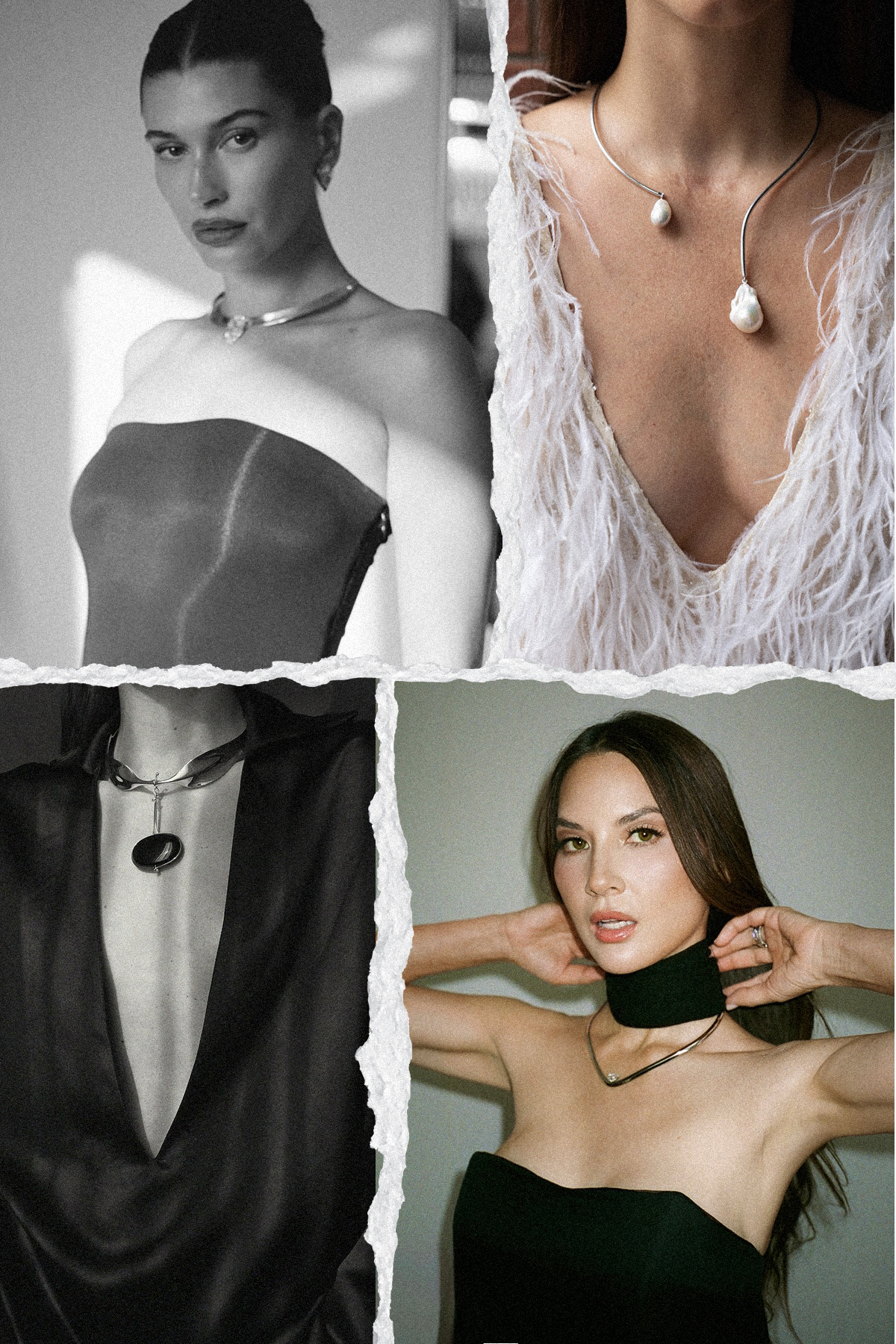
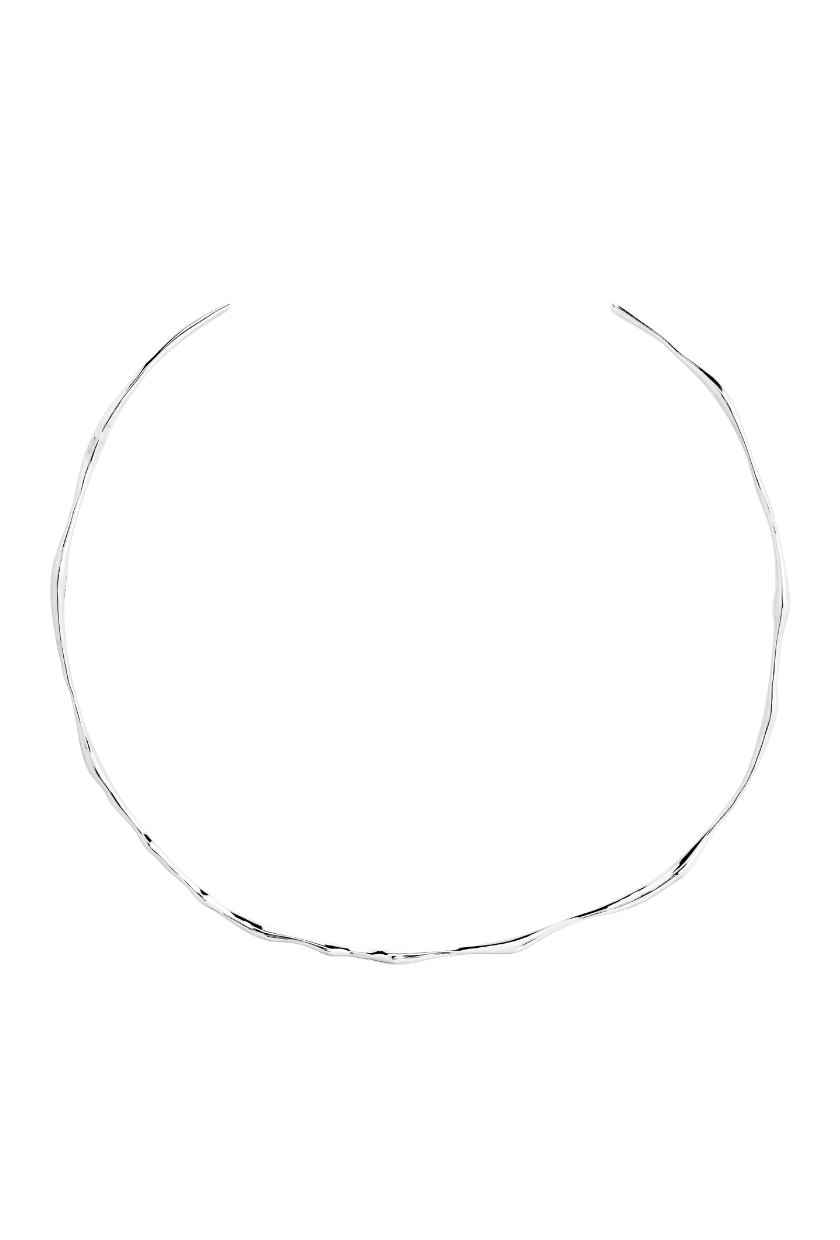
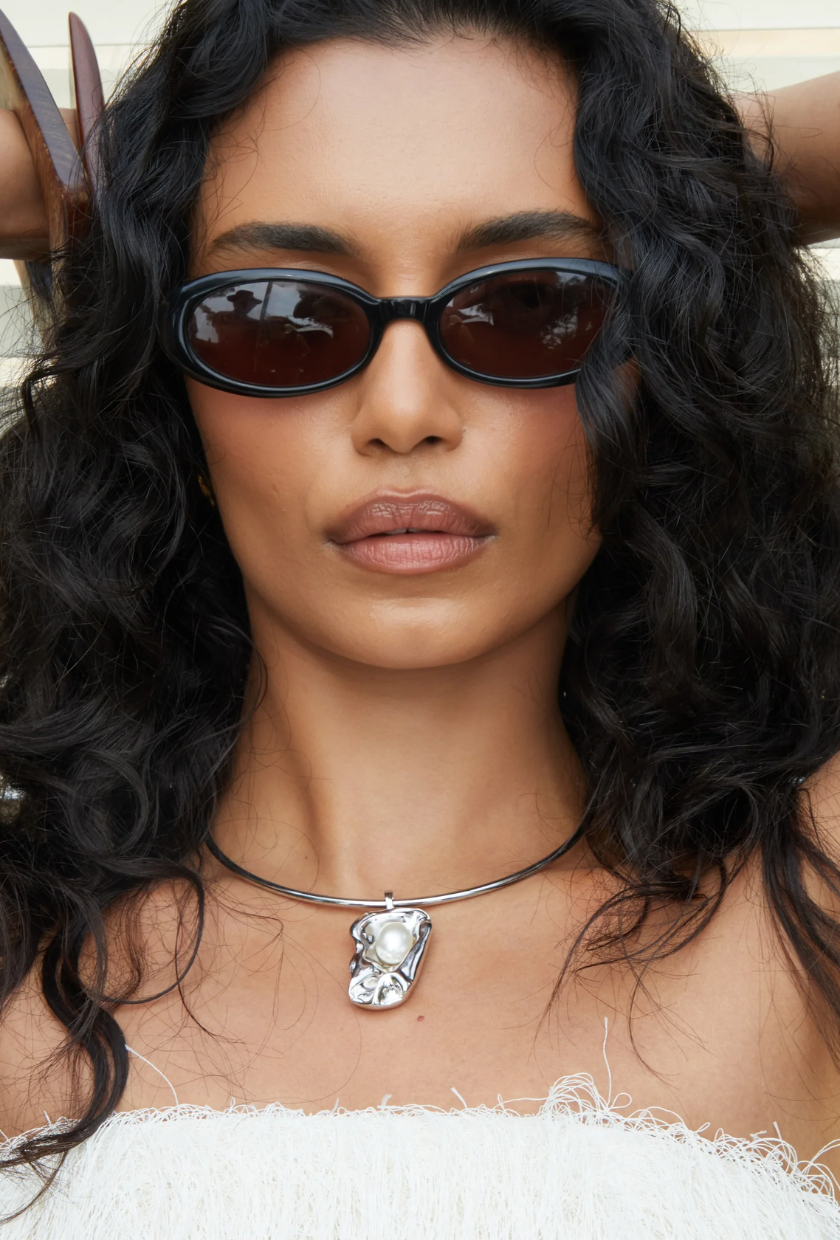
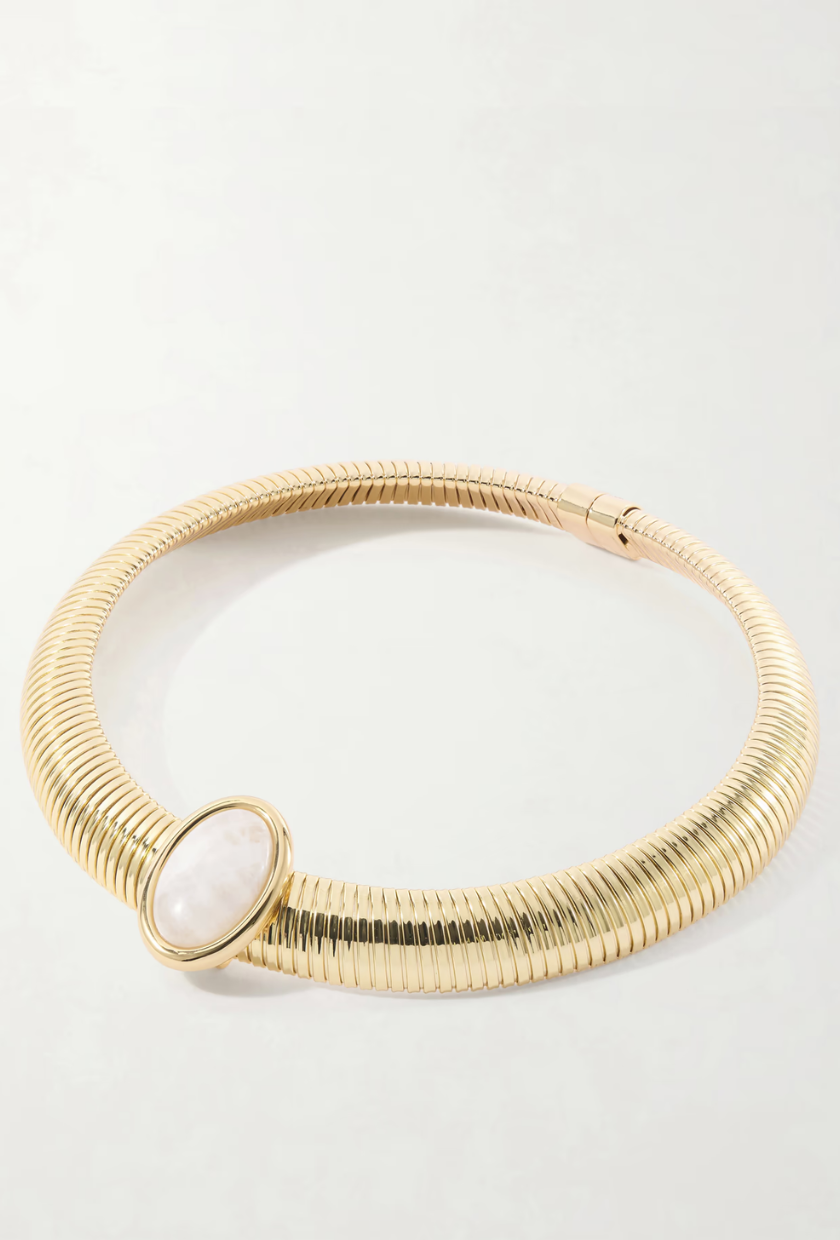
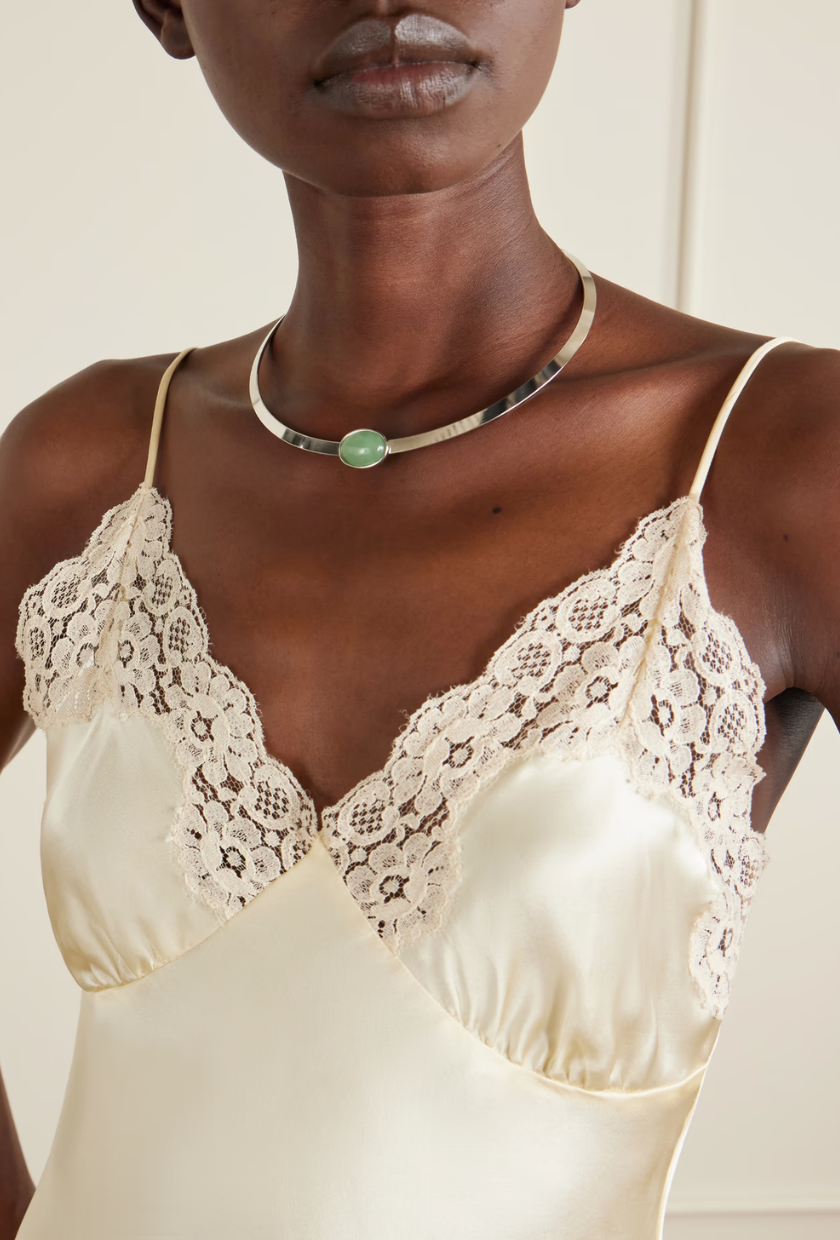
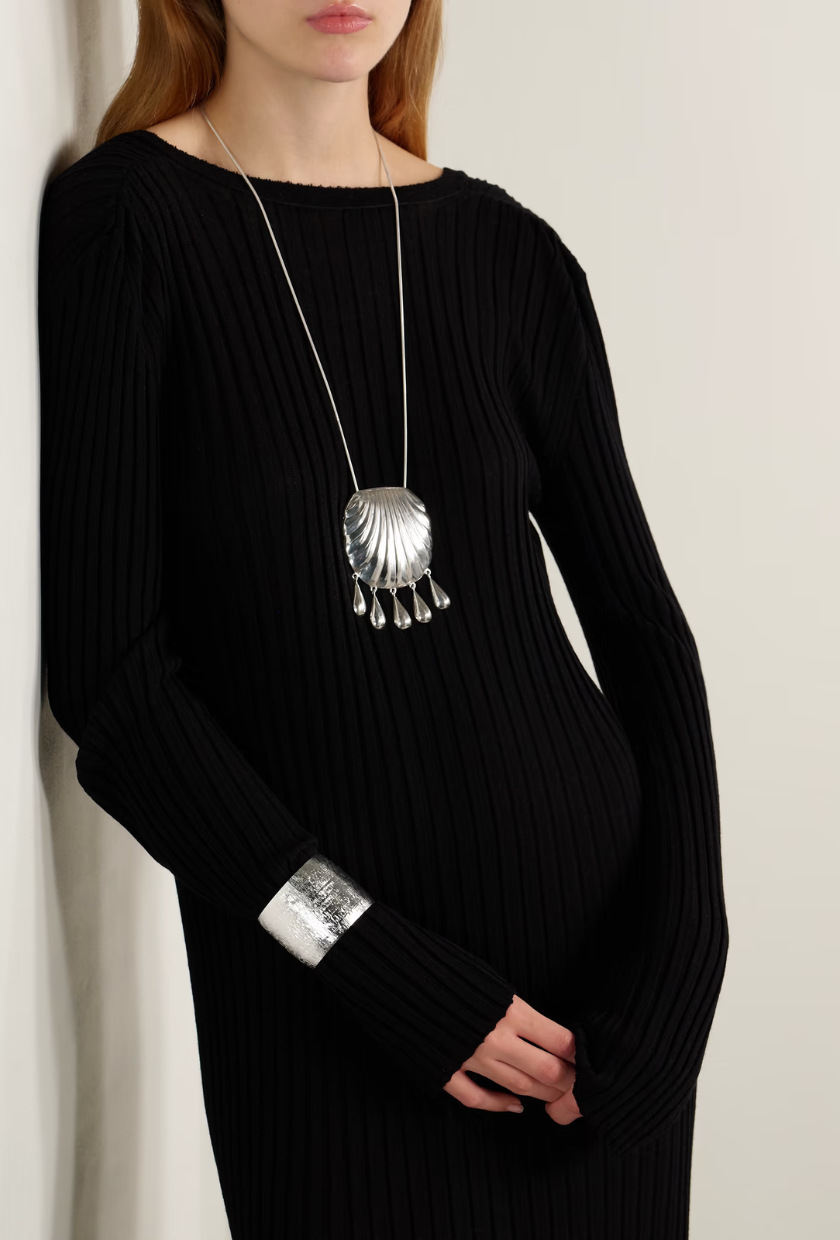
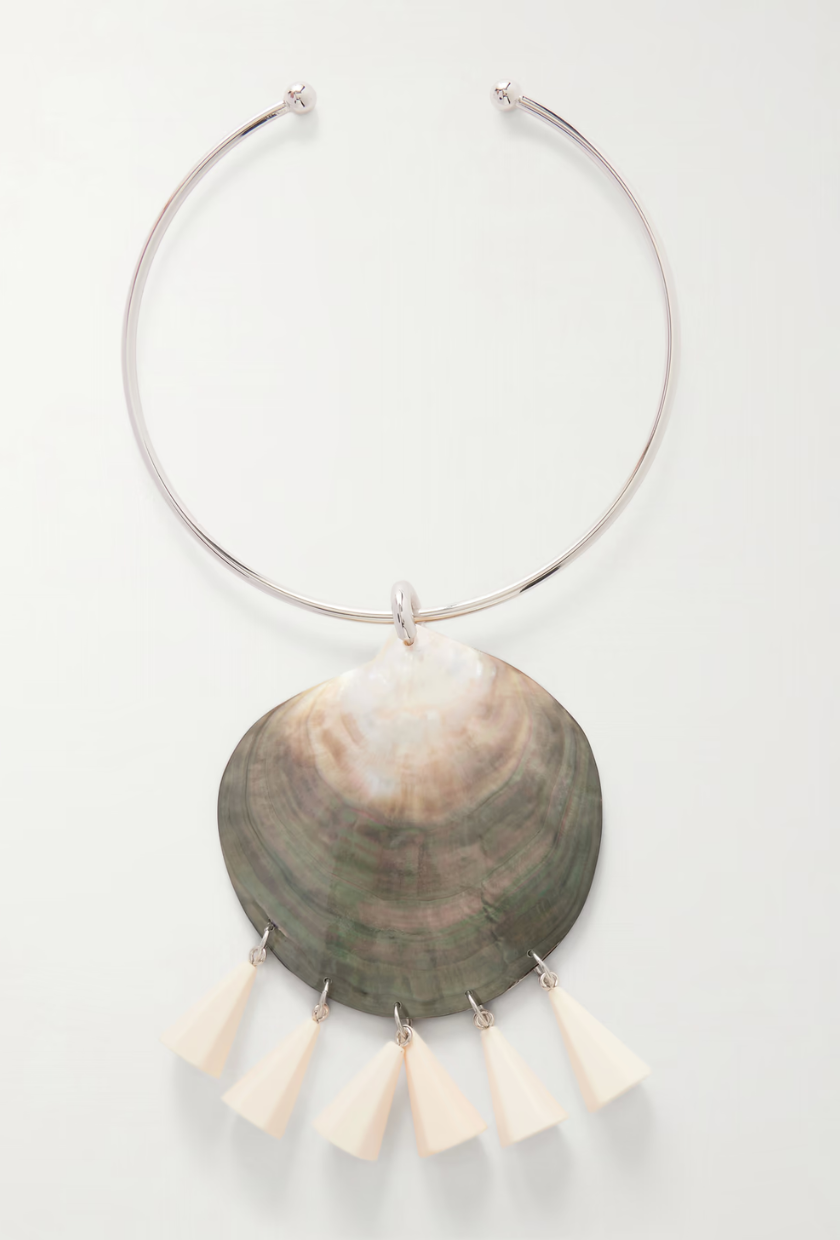
Style Notes: Let’s torque about it. Eschewing the restrained shapes that usually cling to the décolletage, torque necklaces have quickly become one of the most defining silhouettes, ushering in an era of bold, sleek shapes that rest proudly on the clavicle. A trend with noble origins, torque necklaces date back to the Bronze Age and have been depicted on ancient warriors and goddesses in Celtic, Roman and Viking mythology, though you need not worry about pairing yours with gladiator sandals or a draped toga à la Zendaya as Athena in Christopher Nolan's The Odyssey.
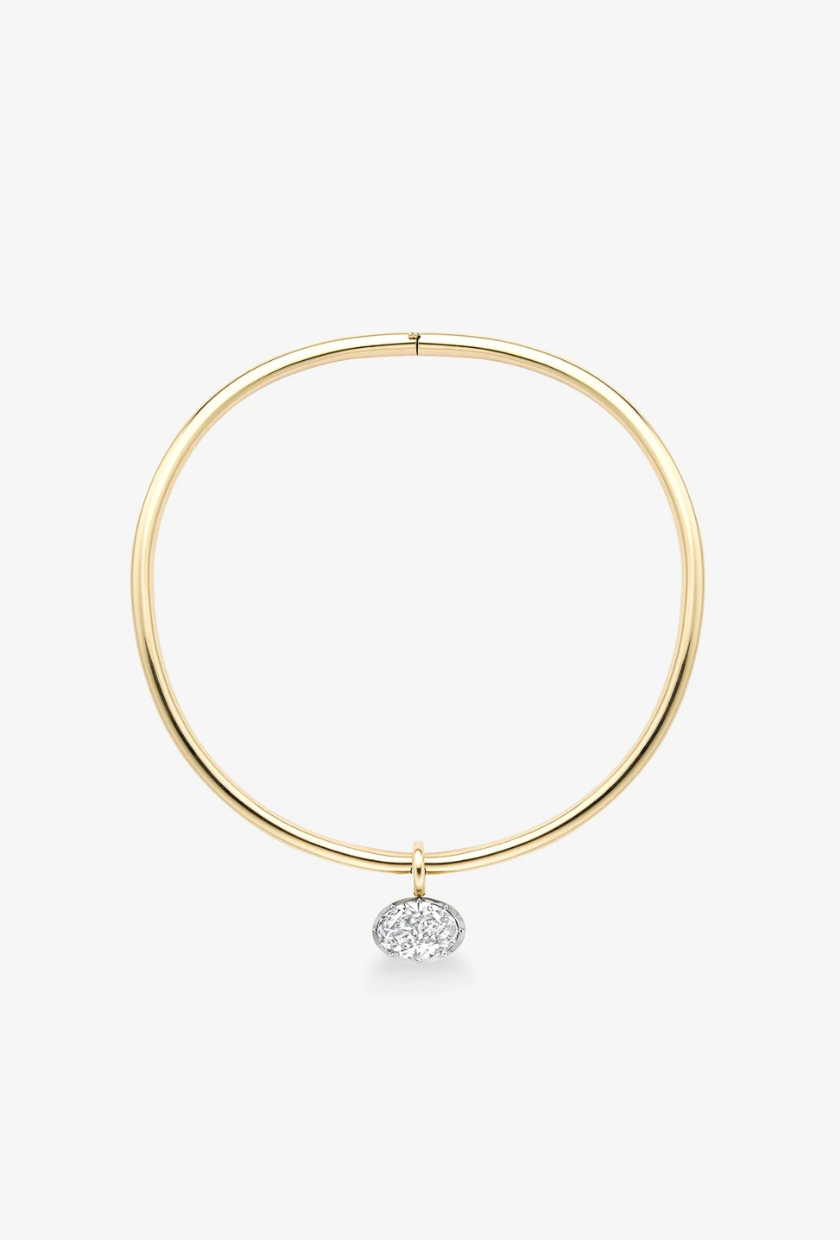
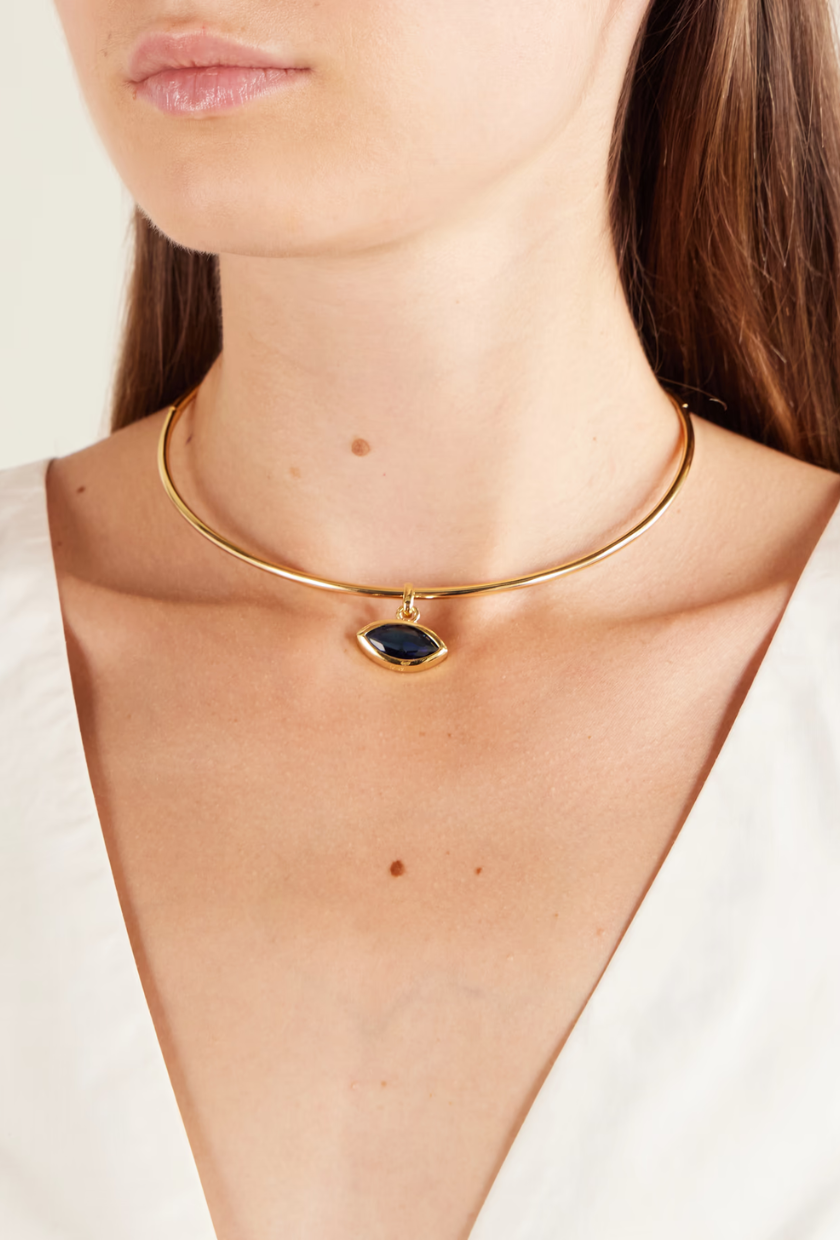
This year, the style is certainly more contemporary and minimal. Defined by a clean band that sits above the collarbone, the understated yet graphic shape is contrasted by a statement pendant accent, either in the form of an oversized diamond or dropped stone. Hailey Bieber showcased a custom style by Lorraine Schwartz at the Grammys, whilst Olivia Munn wore an Erede version during an appearance on The Tonight Show Starring Jimmy Fallon. Contemporary brands like Jessica McCormack, Lié Studios, Georg Jensen and Pilgrim often feature this design in their works, as do established high-jewellery names such as Pomello and Repossi. Torque necklaces were also given the stamp of approval on the runways, appearing in the recent collections of Gucci, Schiaparelli and Acne. With Homeric proportions, this style brings an epic edge to everyday attire.
Shop the Trend:
2. Arm Cuffs
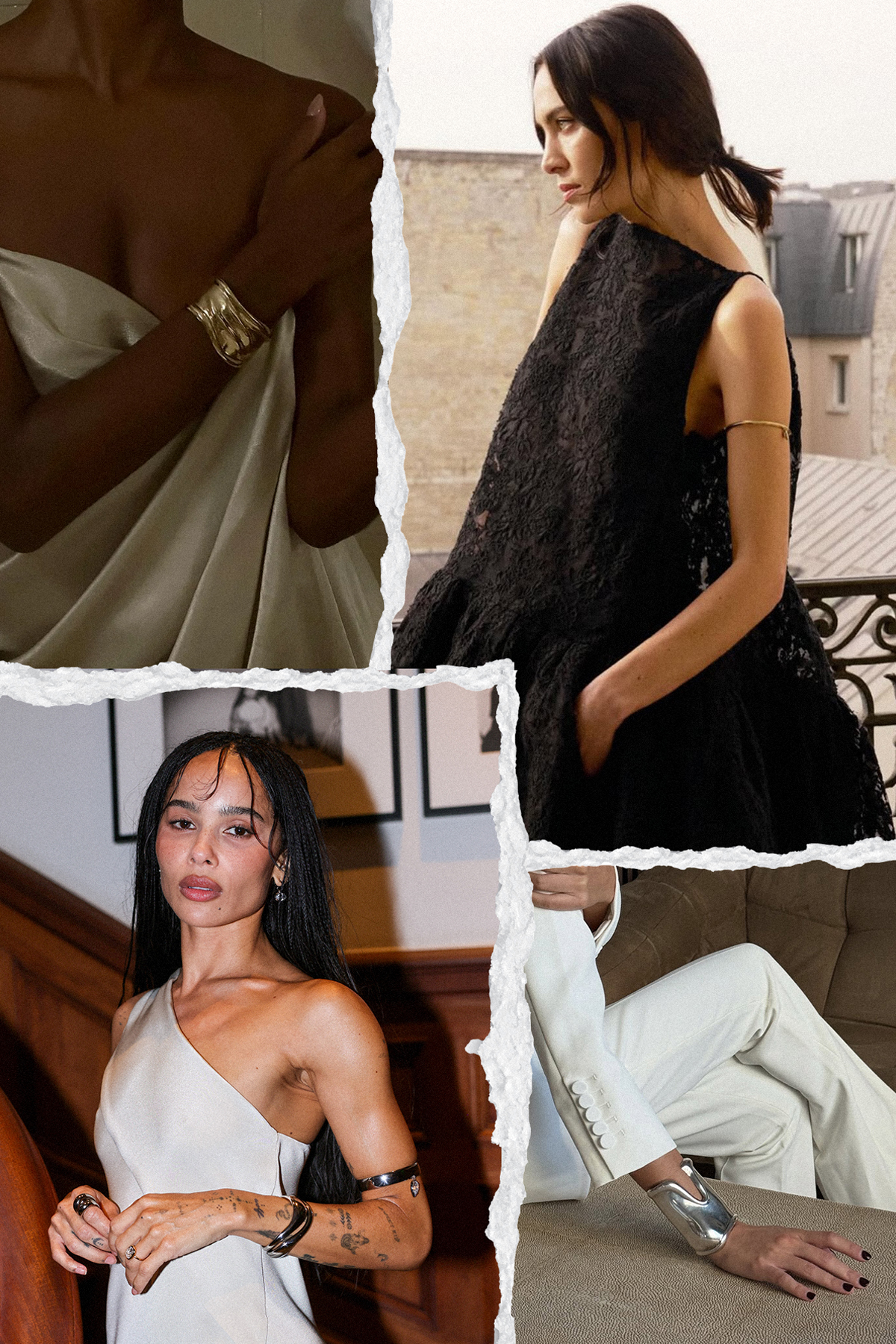
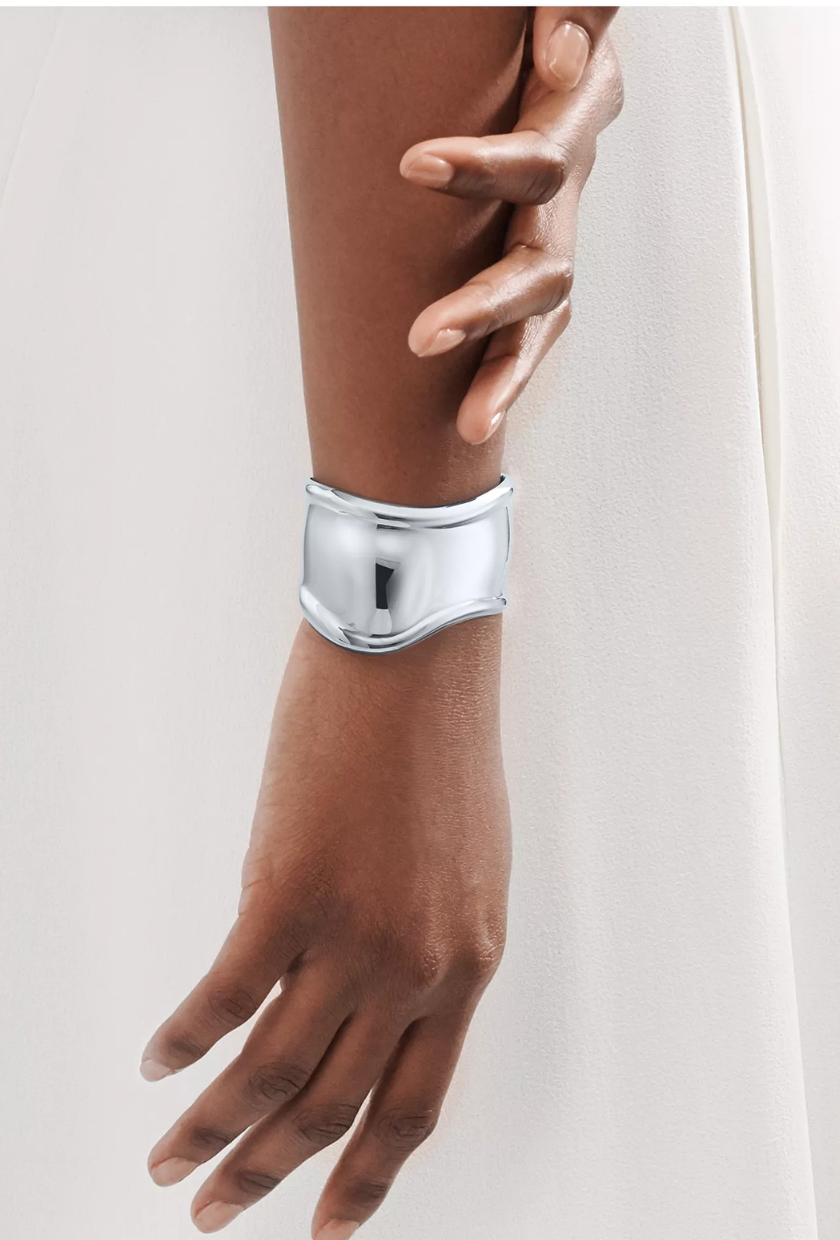
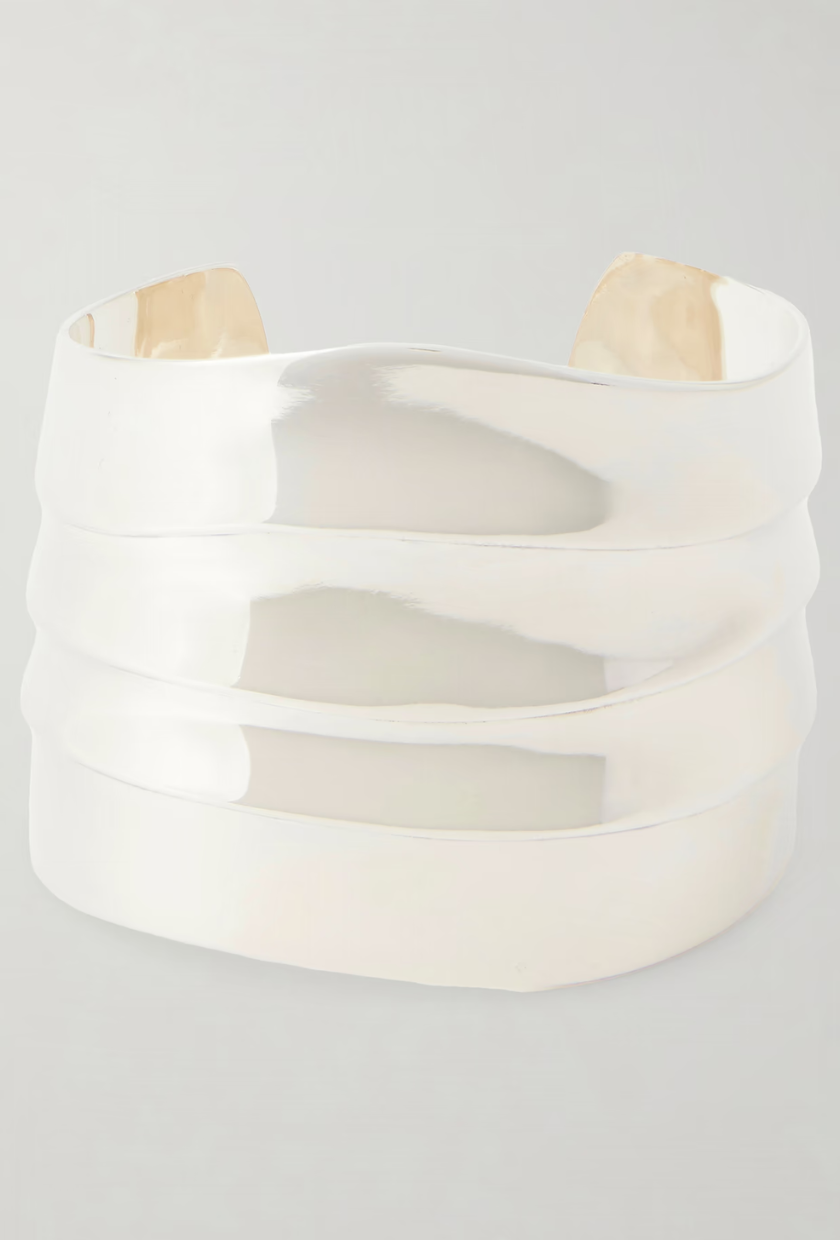
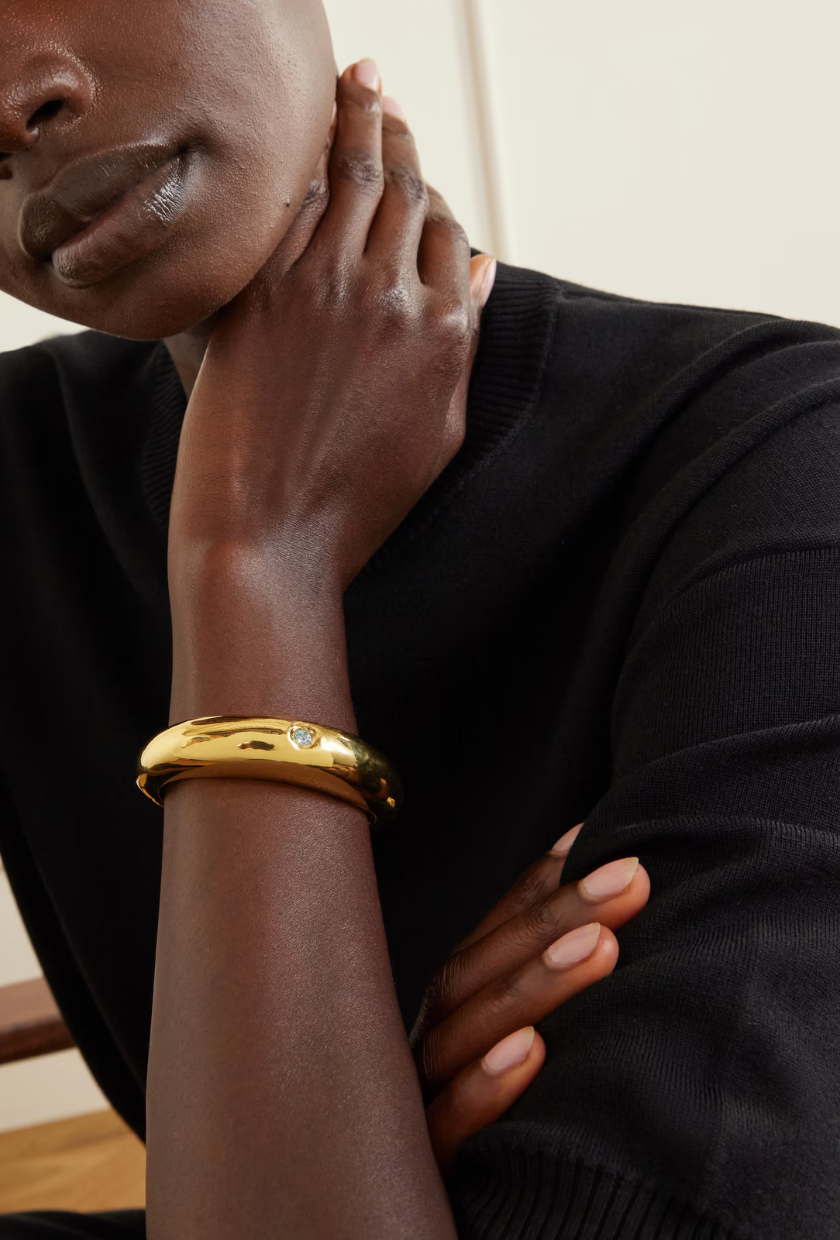
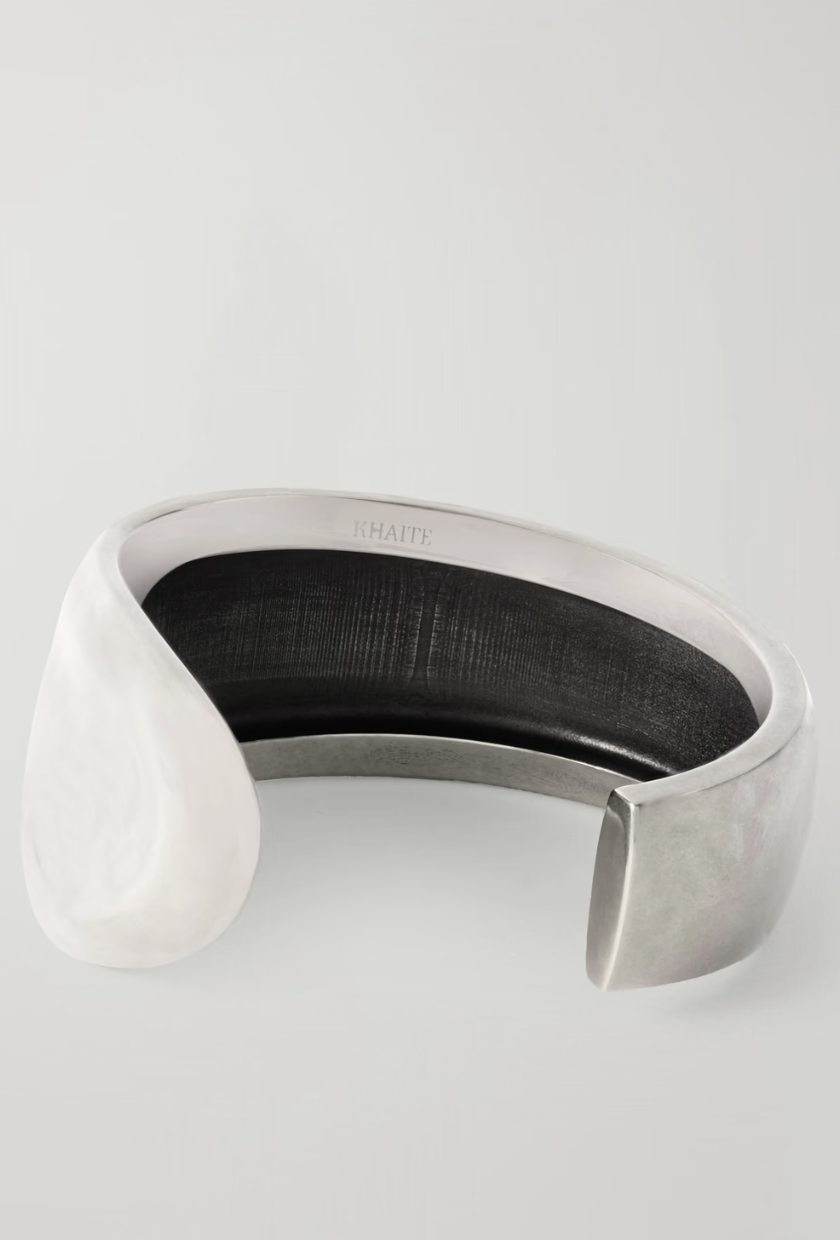
Style Notes: Anatomy has always played a crucial role in the creation of memorable jewellery pieces, and not just because of the way these shapes reside at the end of an arm or are slid onto a finger. In 1970, this intersection between the body and refined bijoux became cemented in history when Elsa Peretti, the revered and revolutionary Italian jewellery designer who brought a surrealist lens to heritage house Tiffany & Co., created the Bone Cuff. Inspired by childhood visits to a Capuchin crypt in Rome and her passion for the organic architecture of Antoni Gaudí, the piece was designed to mimic the "joinery" of the wrist. Now, five decades after its debut, it’s gaining new traction. From resurrecting her home in Catalonia’s Sant Martí Vell to expanding some of her iconic collections, Tiffany & Co. has cemented the arm cuff as a chic accessory mainstay.
Now, the cuff is slowly creeping its way up the arm, with the most prolific tastemakers wearing it closer to their shoulders. Indeed, the "bicep bracelets" of the '90s are back. Zoë Kravitz’s arm cuff from Jessica McCormack’s recent Summer Solstice party, which included a pop-up pub in Mount Street Gardens, was one of the more notable examples of the trend. She’s also worn it to another of the brand’s events on the eve of New York Fashion Week, pairing a slinky Saint Laurent LBD with a multi-jewelled bangle that rested just above her elbow. Elsewhere, in Paris, Alexa Chung wore one to attend Givenchy’s autumn/winter 2026 show, dubbing it "upper arm shim sham". And in an era where the body is constantly modified, why not make this unexpected place an altar for your finest pieces?
Shop the Trend:
3. Bare Necessities
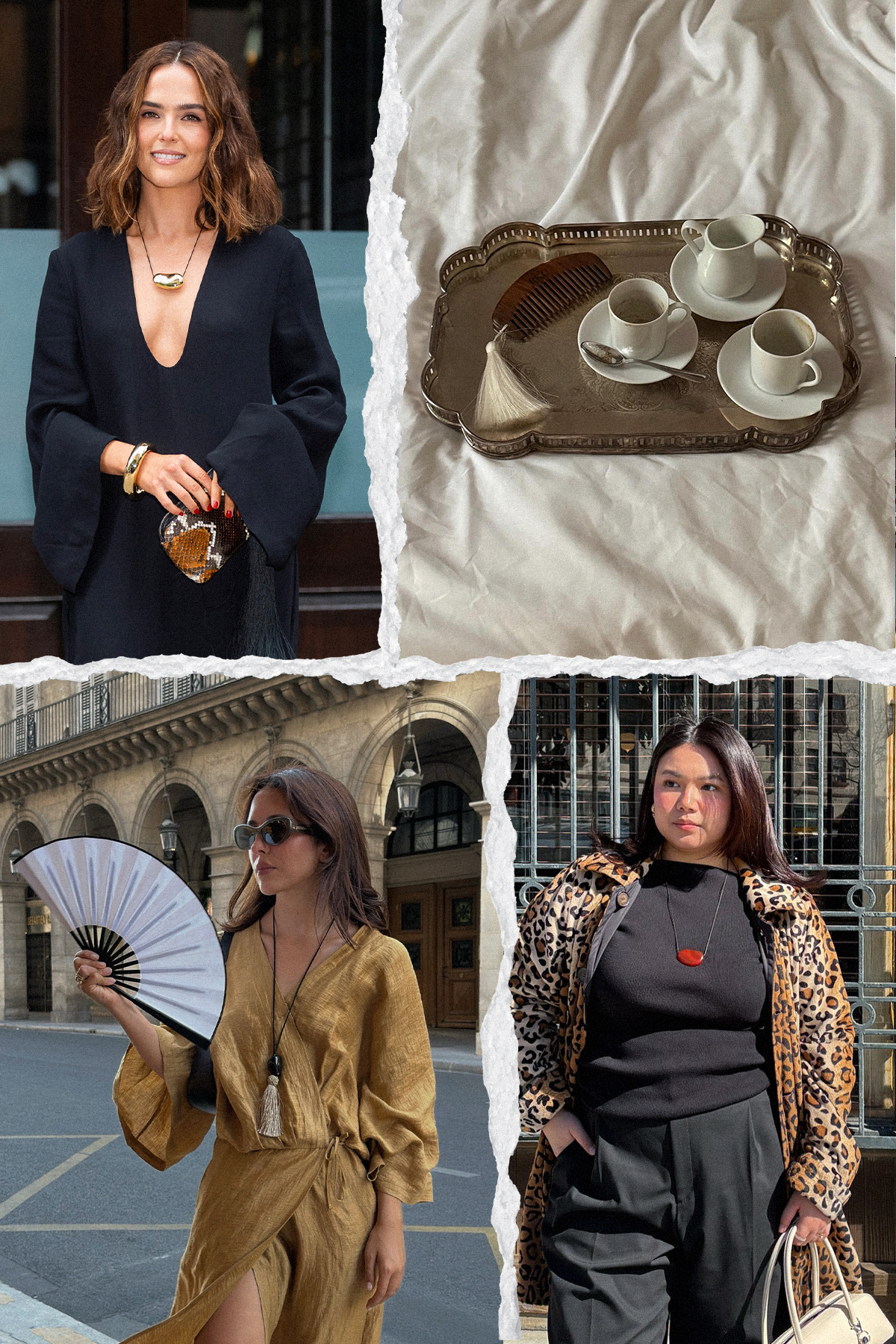
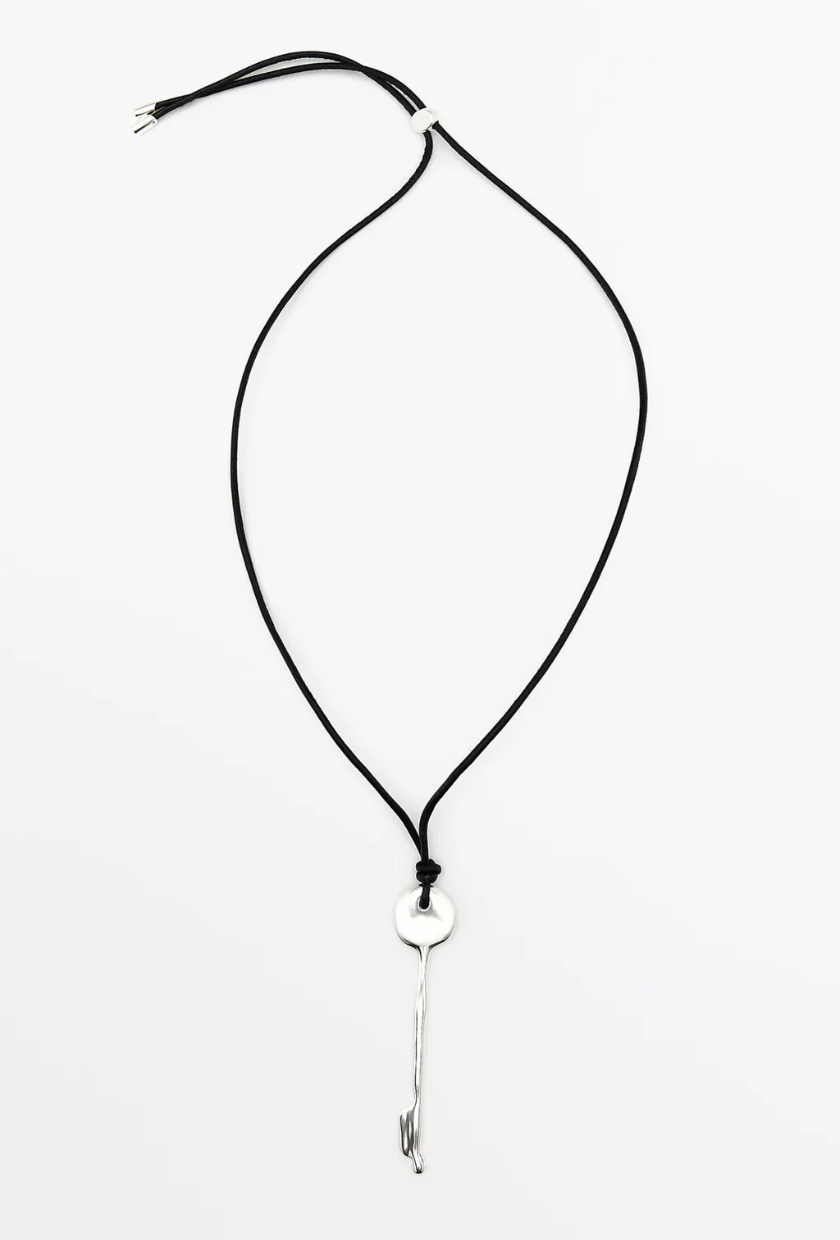
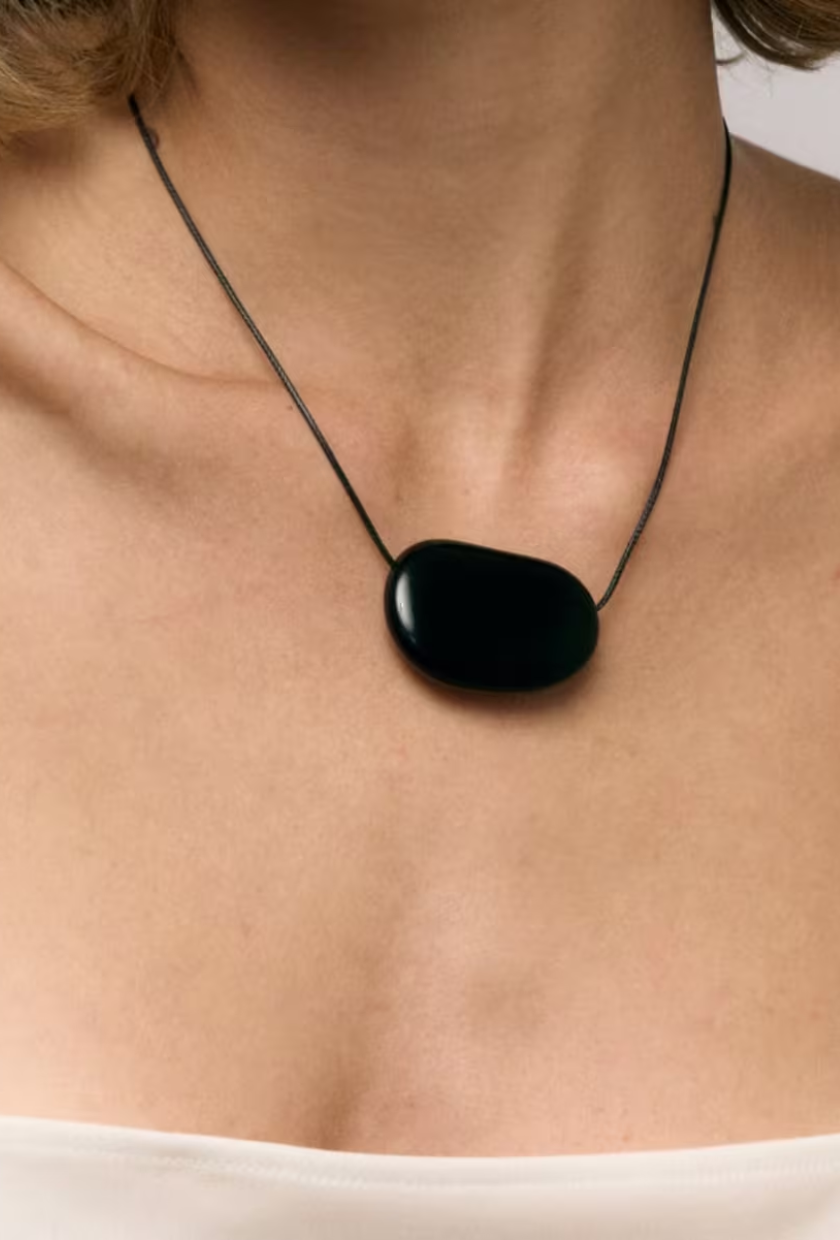
Style Notes: In the ever-changing and often fickle world of fashion, we cannot forget the joy of dressing up and bringing glamour into the everyday. This year, this mode is extending to jewellery, with the mundane serving as a source of inspiration. With this trend, a humble bean becomes a talisman, a comb becomes an objet d'art and stone motifs become romanticised. It's a way of revering quotidian rituals and arguing that when putting on a necklace or a pair of earrings every morning, why not reach for something decisively conventional (albeit still chic)?
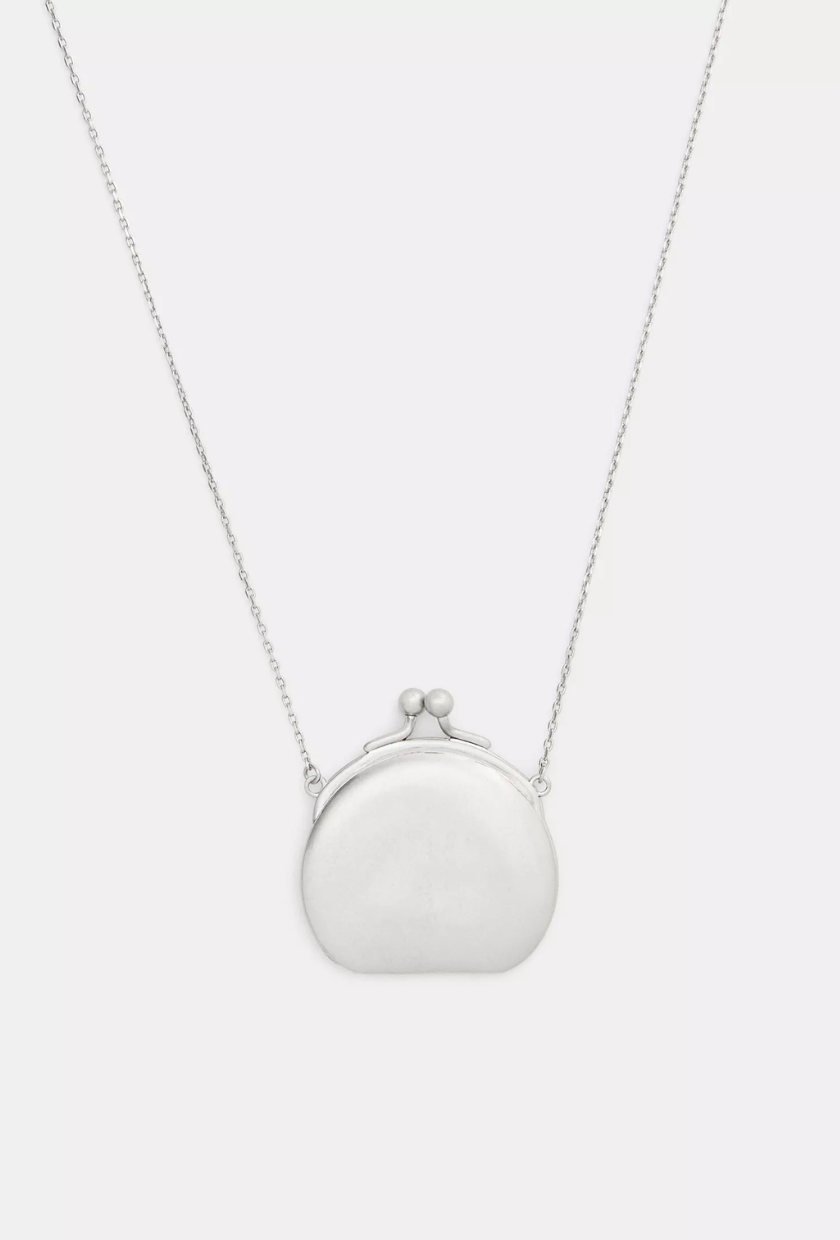
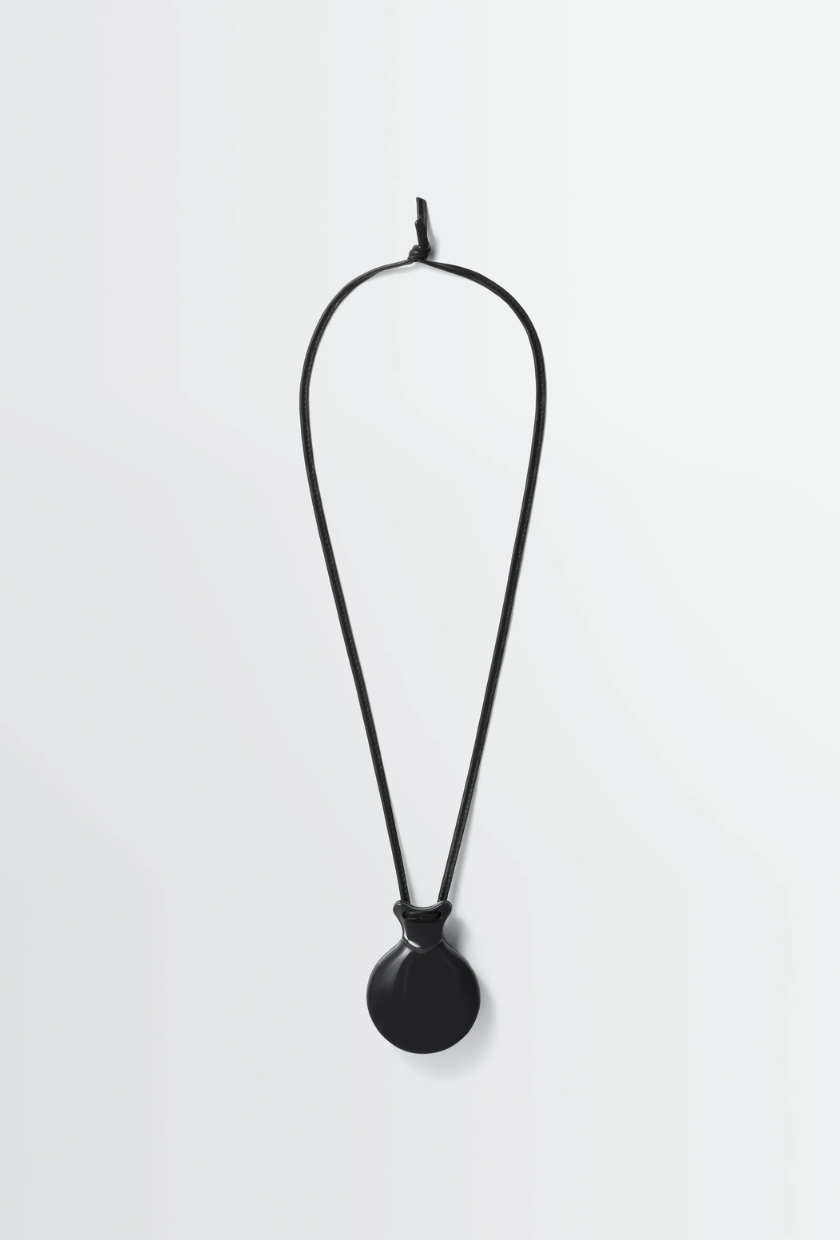
This last sentiment has been ricocheting through the jewellery realm, whether it be in Alighieri's Catch of the Day pendant, which transformed tinned fish into a gilded summer souvenir, or the Tiffany & Co. Bean necklace—another of Elsa Peretti’s signatures—that elevates a humble legume into something romantic and poetic. There’s no shortage of jewellery pieces that create beauty out of the ordinary, and they are not the banal fixtures you might think them to be. Though arguably a study in quiet adornment, these pieces act as a soft rebellion against jewellery exclusively made to be oogled in awe. Though storing the bare necessities like a wallet, keys, comb or even a pouch around your neck might seem excessive, it's an extension of the trend that established designers like Tory Burch and St. Agni are backing, too.
Shop the Trend:
4. Cocktail Watches
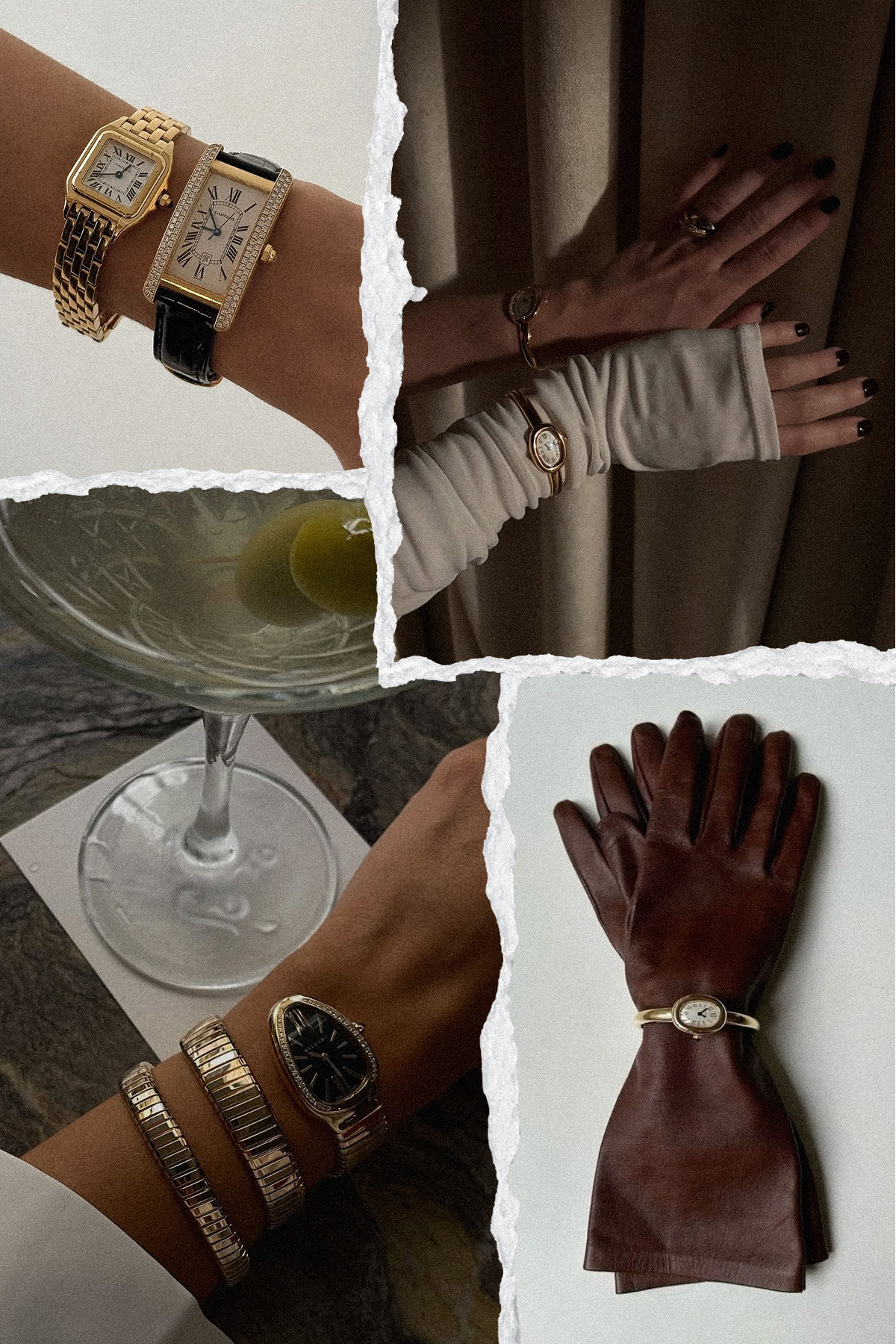
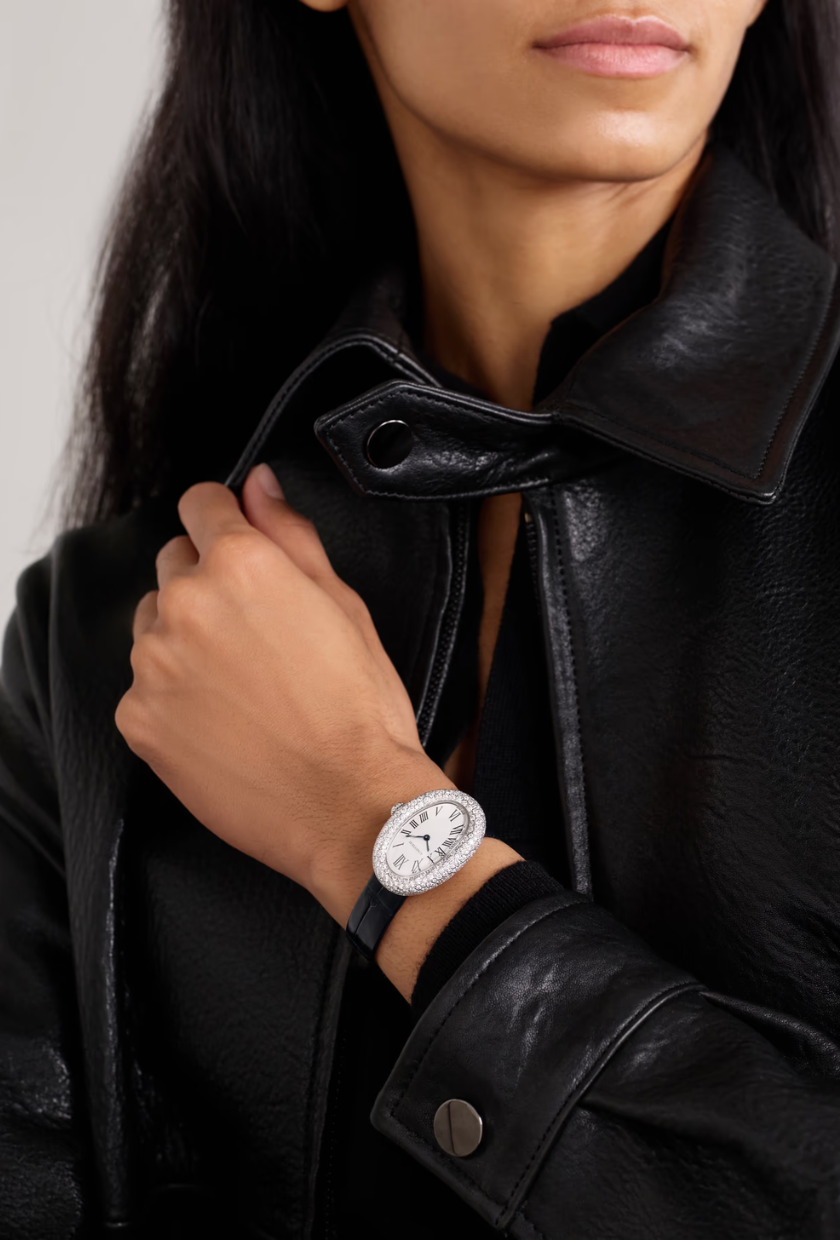
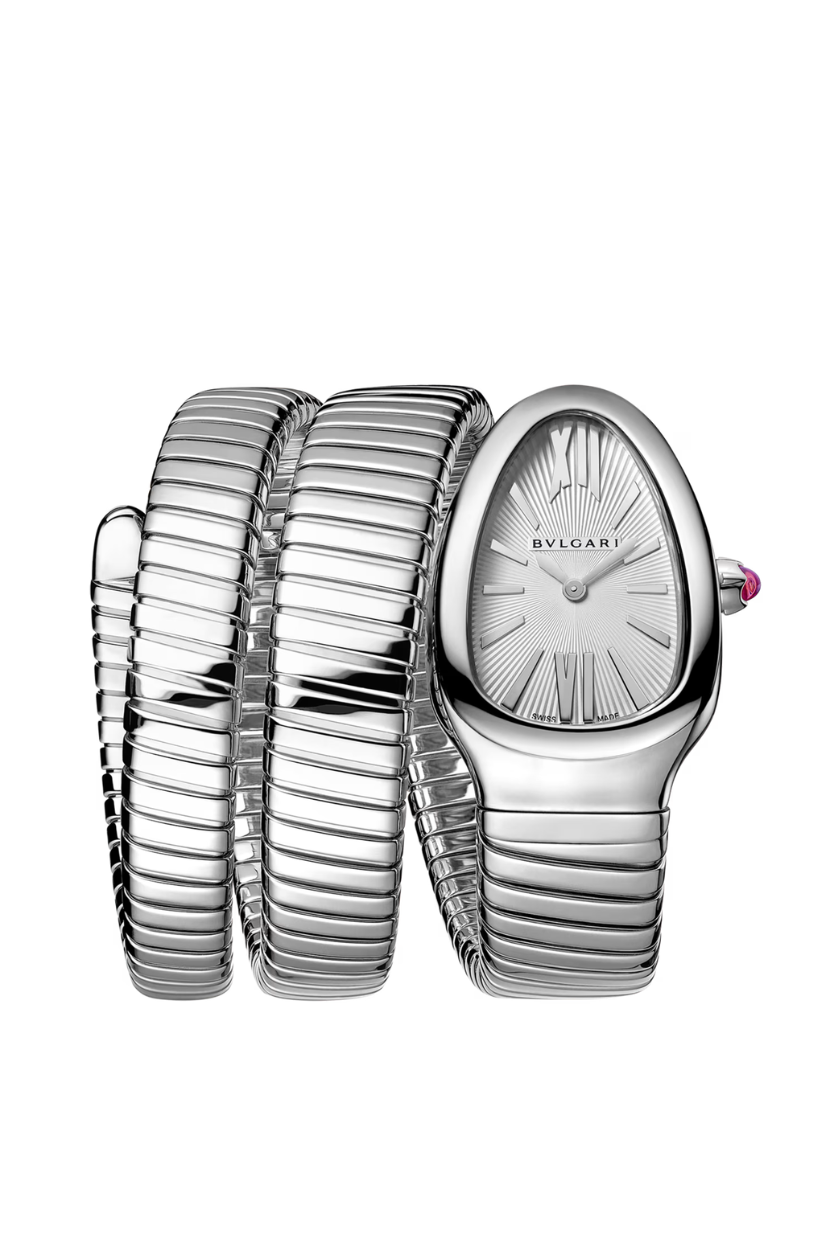
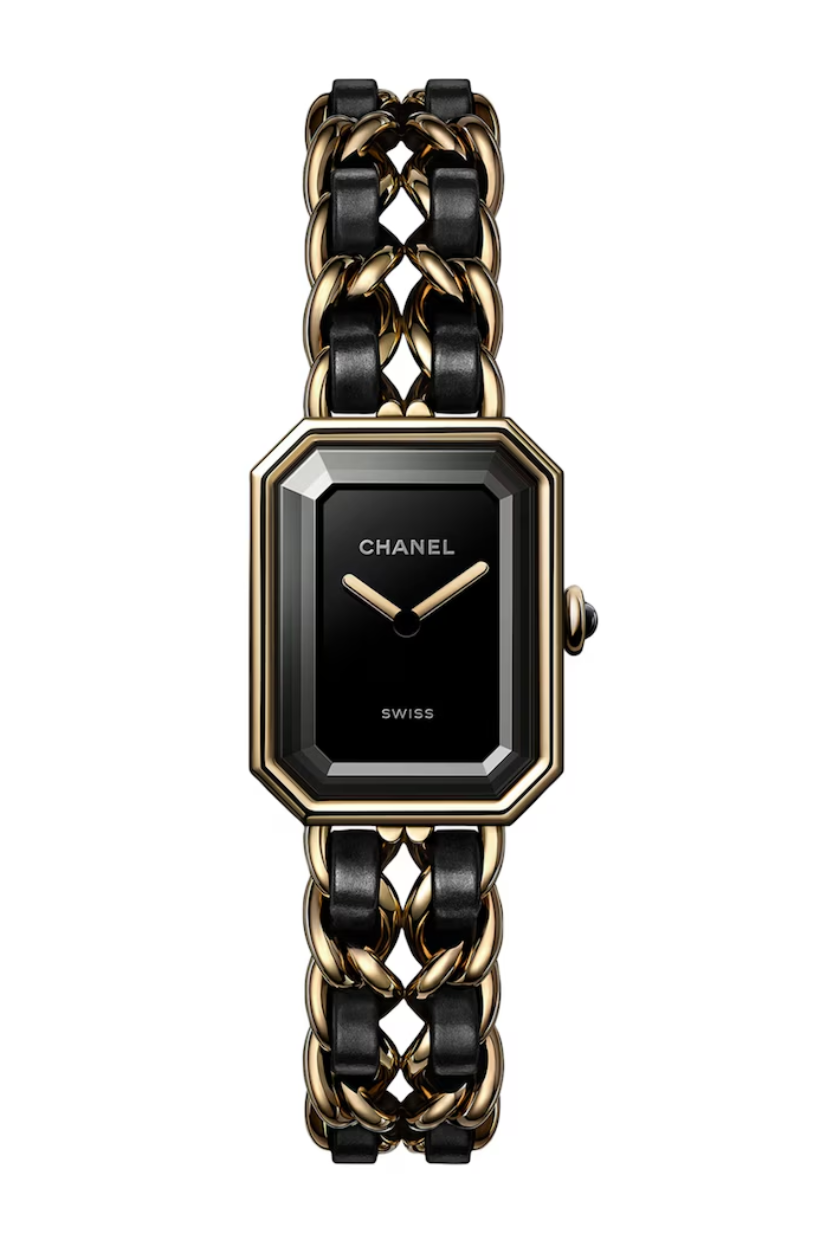
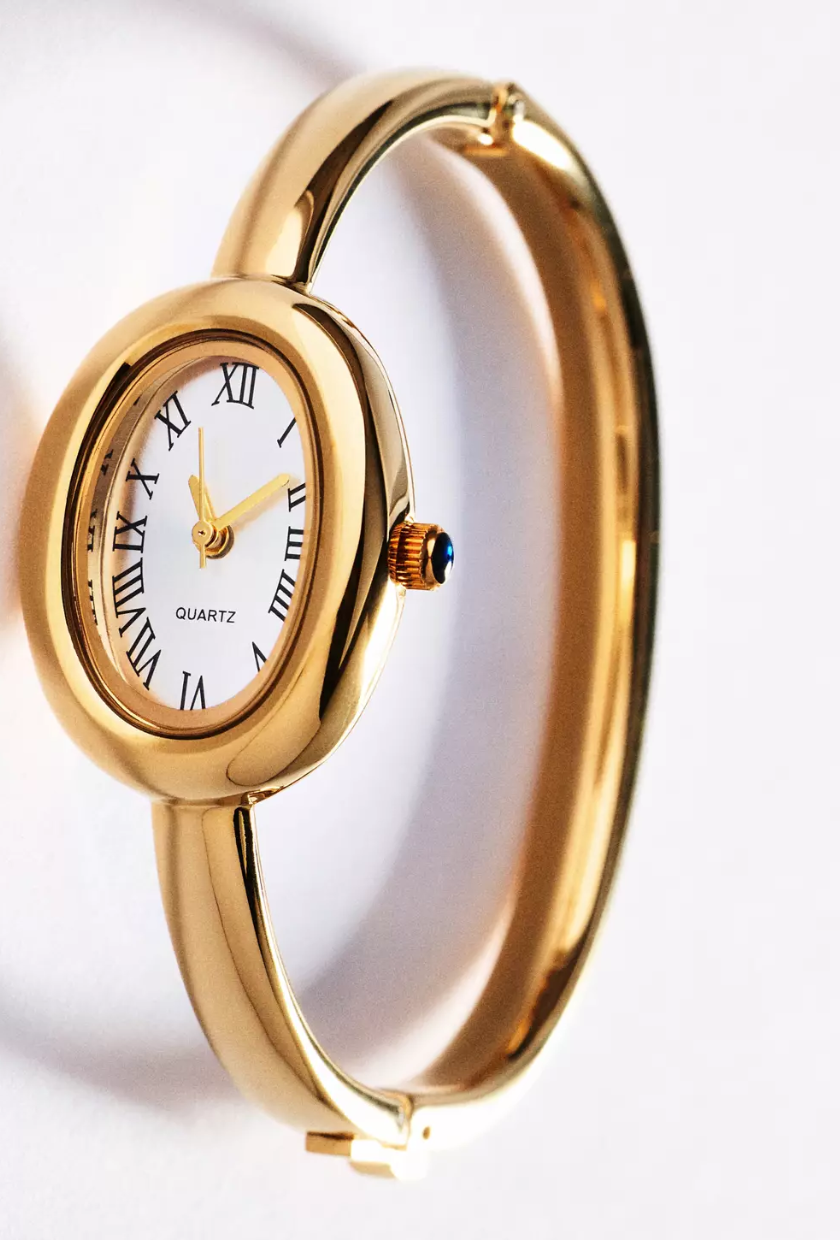
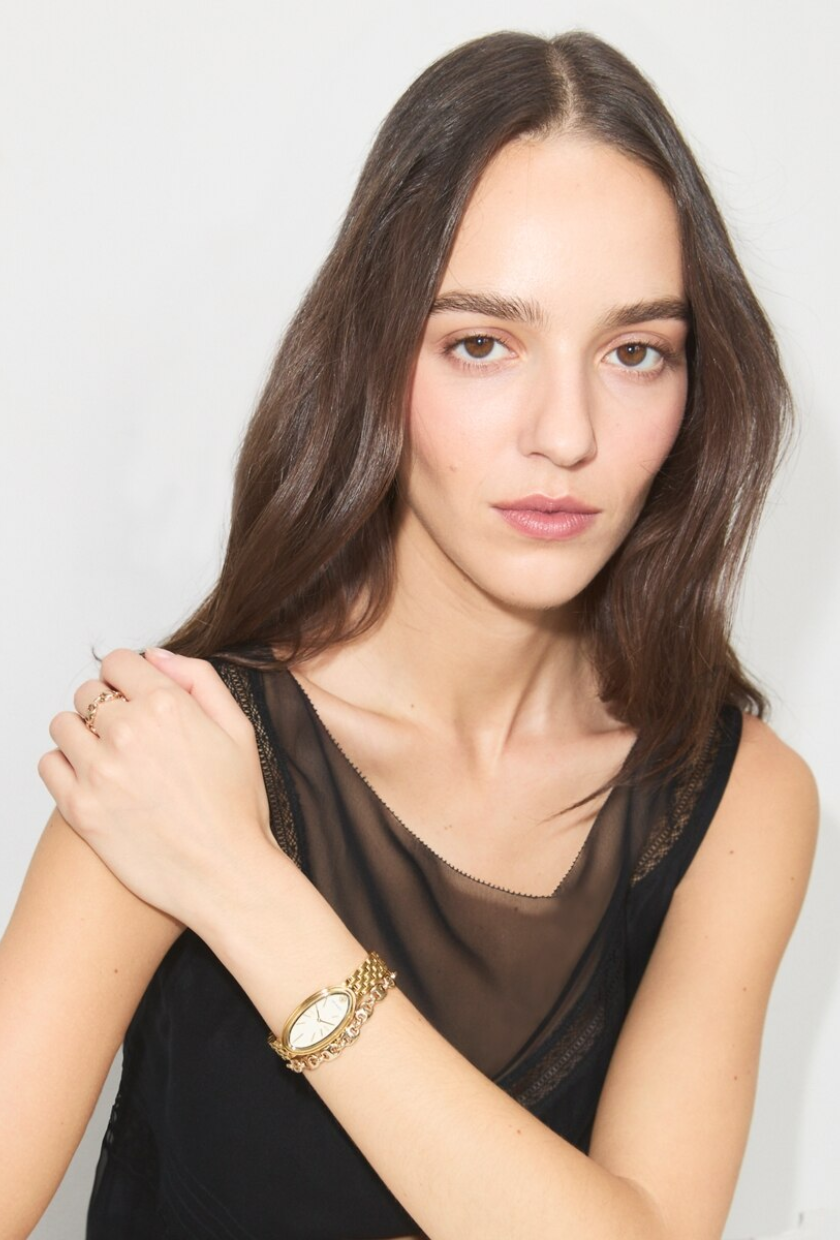
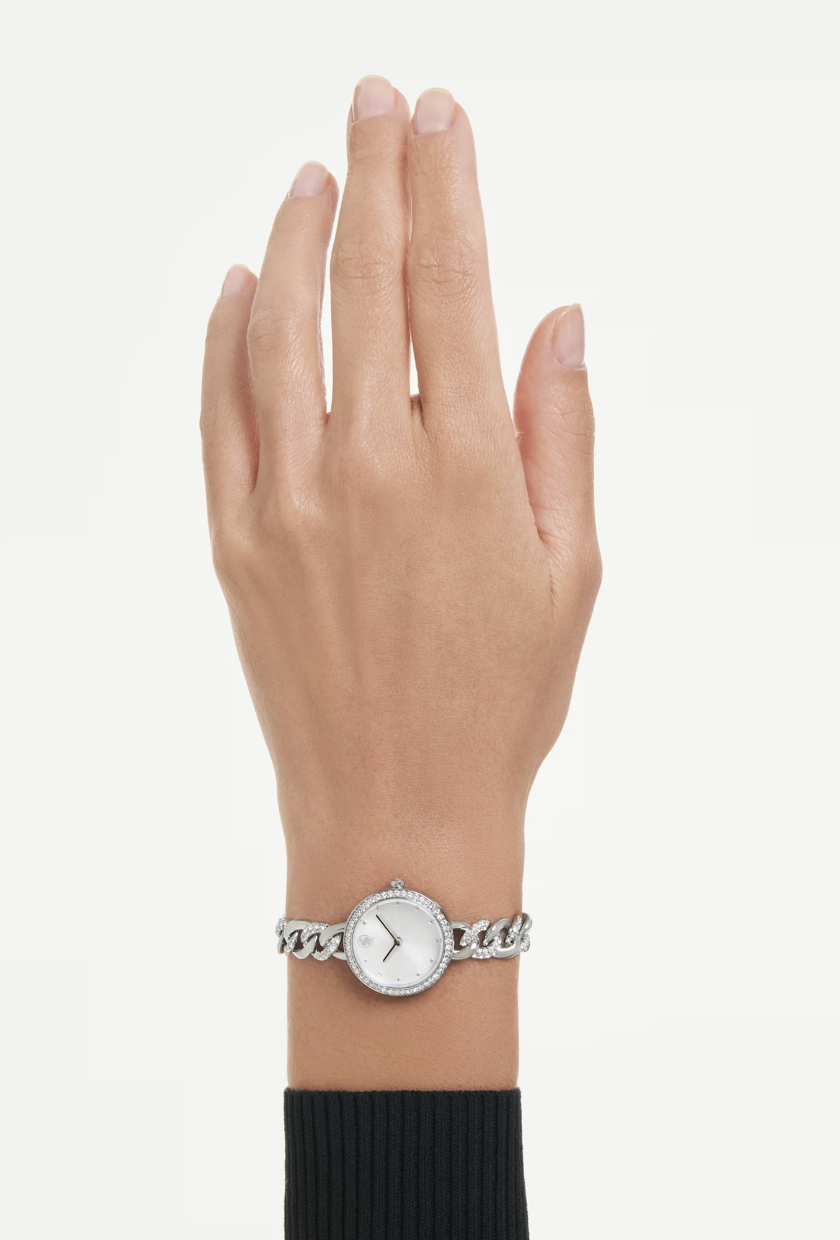
Style Notes: Jewellery and timepieces have always performed disparate roles, but the rise of the cocktail watch has seen the categories converge in an incredibly sophisticated way. Another trend that bridges the gap between functionality and fashion, you can wear these styles to a black-tie dinner or cocktail soirée without having to stack your wrist with multiple pieces. Plus, the dainty and elegant facades offer a softer and subversive look for daytime wear. This year, major houses like Cartier and Chanel are making a bigger push towards their cocktail watches, especially with the Bangioire and Première Galon, respectively.
To evoke the spirit of Carrie Bradshaw, who once wrote "a Prada dress should always be worn with an investment banker", those who invest in the cocktail watch trend know that this is the ideal accoutrement to an extra-dirty martini, one hopefully ordered at Dukes Bar, on nights when the time is the last thing you want to keep track of.
Shop the Trend:
Read on the original site
Open the publisher's page for the full experience