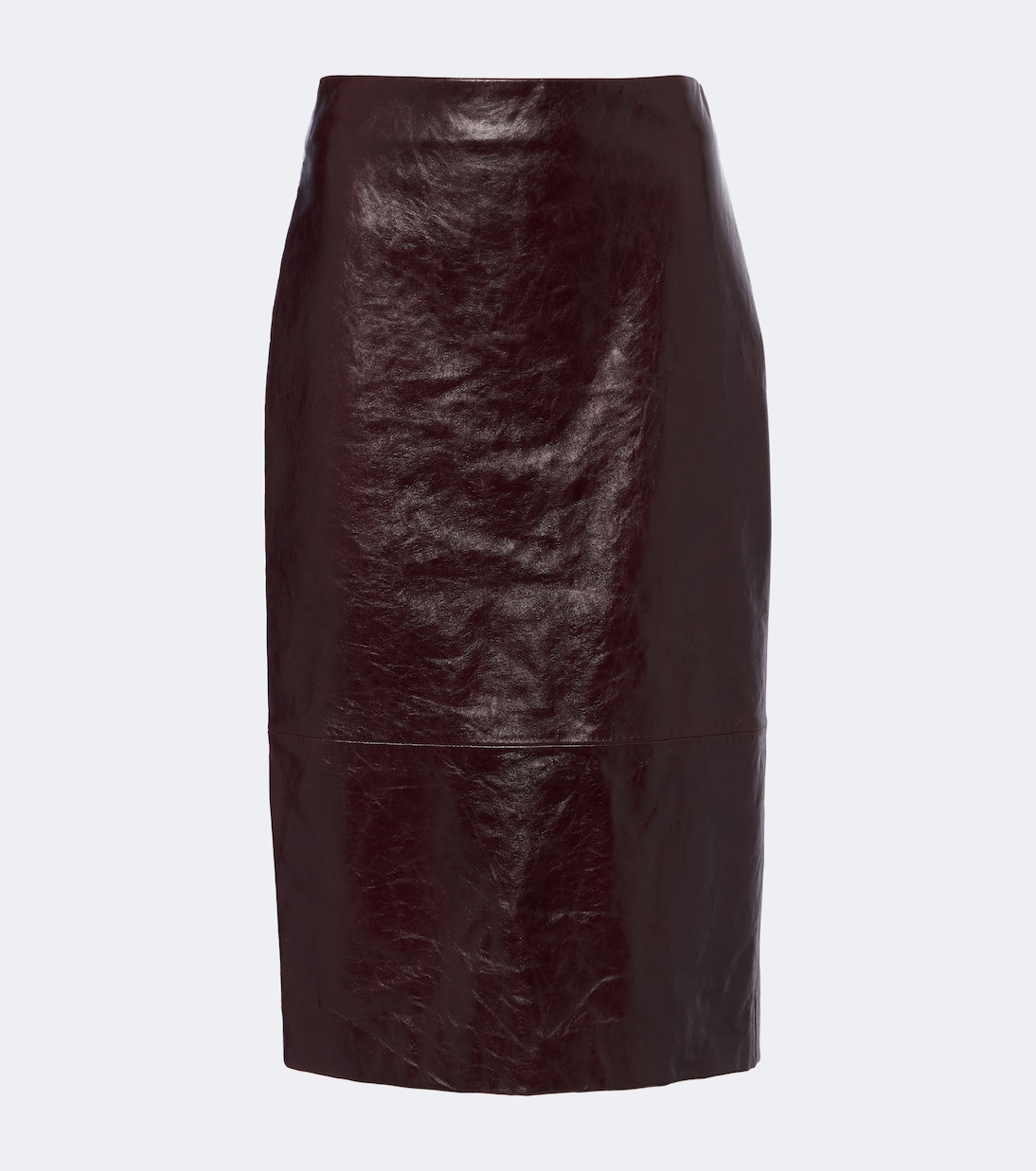
There is something quietly radical about watching Gen Z reclaim the trends we once dismissed as hopelessly dated, and doing so with the kind of effortless conviction that makes you wonder why you ever doubted them. This is not a revival born of irony or nostalgia for its own sake; it is a generation that has never worn these pieces before, so they approach pencil skirts, capris, and peplum with the same fresh curiosity they might bring to a vintage find from an aunt's closet. What we are witnessing is not a trend cycle spinning backward, but a deliberate act of curation, a refusal to let the fashion calendar dictate what feels worth wearing. For our readers, this means the rules you thought were settled are now open for reinterpretation, and the result is a wardrobe that feels more personal, more intentional, and far more interesting.
The pieces emerging from this revival carry a specific energy: the pencil skirt no longer signals a fluorescent-lit conference room but a downtown morning that stretches into a long lunch, styled with slouchy knits and ballet flats. The fur-trim coat, once reserved for formal winter occasions, now reads as everyday luxury, the kind of piece you waitlist for at Carelli or Charlotte Simone because it feels less like outerwear and more like an extension of your own quiet confidence. This is where our recent conversation about An Elevated Edit of Accessories to Carry Through the Season feels particularly relevant: the accessories that carry a look forward are often the ones that ground a throwback piece in the present. A satin balloon pant with art-school ease, a tweed jacket that looks borrowed from a great aunt, a military jacket with just enough marching-band drama, each of these finds its footing not in the decade it came from, but in the way it is worn today, without apology and without over-explanation.
What makes this moment feel different from previous revivals is the emotional weight behind it. There is no baggage attached to these pieces for the women wearing them now; they did not live through the first wave of capris or peplum, so they are free to style them with the same unselfconscious pleasure they might bring to a thrifted find from eBay or The Real Real. This is a generation that understands the value of archive shopping not as a trend but as a philosophy, why buy new when your aunt's 2003 wardrobe, or a carefully sourced secondhand piece, carries the kind of story that retail cannot replicate? It aligns beautifully with the sentiment we explored in My Mother's Winter Wardrobe Became My Holiday Wish List, where the most coveted pieces are often the ones with a history, a hand-me-down quality that feels like an inheritance rather than a purchase. The plaid skirts and flannel shirts now showing up on feeds are not trying to be new; they are trying to feel lived-in, like a fall weekend in the city that asks for nothing more than a hot cider and a long walk.
The specific takeaway here is that the most compelling trend of 2027 is not a silhouette or a fabric, but an attitude of permission. Gen Z has given us license to revisit the pieces we thought we had outgrown, the capri pant, the peplum top, the military jacket, and to wear them not as a joke or a costume, but as a sincere expression of personal style. The question this leaves us with is not whether you will try these trends, but which version of yourself you will meet when you do. The answer, I suspect, will be someone who already knew what she wanted to wear all along.