Grace Kelly "Understood Quiet Luxury" Before the Term Was Invented, Says Jewelry Expert
Our take
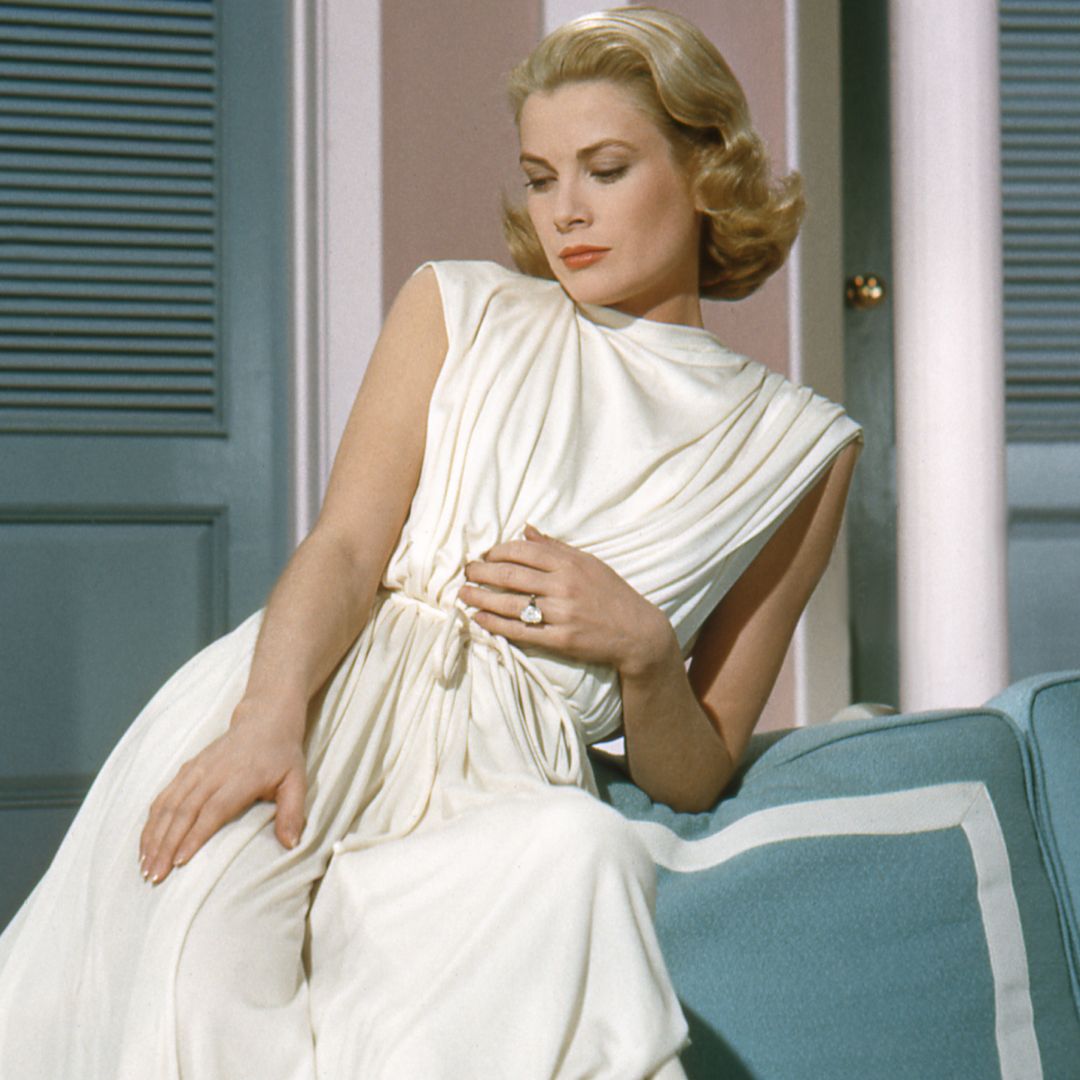
The resurgence of "quiet luxury" as a defining aesthetic trend isn’t entirely new; it’s a cyclical return to a sensibility that’s always existed, albeit often overshadowed by louder, more ostentatious displays of wealth. The recent Marie Claire piece highlighting Grace Kelly’s mastery of this understated elegance perfectly encapsulates why the concept resonates so powerfully today. Kelly, long before the term gained traction on TikTok and Instagram, understood the power of a considered eye – prioritizing timelessness, quality, and subtle sophistication over fleeting trends and obvious branding. Her approach to jewelry, as the article details, wasn't about showcasing the most extravagant pieces, but about selecting items that complemented her inherent grace and elevated her overall presence. This aligns beautifully with the current cultural shift away from conspicuous consumption and towards a more mindful, intentional approach to style, a movement we've also observed in the subtle, yet impactful beauty trends showcased at the recent Emmys, as seen in The Best 2026 Emmys Beauty Looks Are a Lesson in Fall Trends. The enduring fascination with Kelly’s style underscores a deeper longing for authenticity and a rejection of the performative aspects of modern celebrity culture.
What's particularly compelling about the Kelly example is how it connects to a broader cultural conversation about legacy and enduring style. While the Emmys red carpet often provides a platform for showcasing high-end designer pieces – Selena Gomez’s six-figure Tiffany & Co. jewelry being a striking example Selena Gomez's Six-Figure Tiffany & Co. Jewelry Shines as Brightly as Her 2026 Emmys Red Carpet Dress – the true power lies in the pieces that transcend trends and become synonymous with a specific aesthetic. Kelly’s jewels, like her wardrobe, weren’t about logos or immediate recognition; they were about an inherent sense of refinement and a quiet confidence that stemmed from knowing exactly what suited her. This contrasts sharply with the current trend of constantly chasing the "it" item, often fueled by social media and the pressure to keep up with fleeting trends. The return to Kelly’s understated elegance signals a desire for something more lasting, something that speaks to a deeper sense of personal style rather than external validation. We’ve also seen this appreciation for lineage and family influence play out with Meryl Streep’s daughters making their mark on the red carpet Meryl Streep’s Daughters Are Making Their Mom Proud on the Emmys Red Carpet, demonstrating a continued reverence for classic style and familial legacy.
The "quiet luxury" phenomenon isn't simply about avoiding flashy displays of wealth; it's about cultivating a sense of discernment and appreciating the craftsmanship and quality that goes into creating truly timeless pieces. It’s about investing in items that will last a lifetime, both in terms of durability and aesthetic appeal, rather than succumbing to the pressure of constantly acquiring new things. This aligns perfectly with a growing awareness of the environmental and ethical implications of fast fashion and a desire for more sustainable and responsible consumption habits. The focus shifts from the acquisition of possessions to the cultivation of a personal style that reflects one's values and individuality. Kelly's approach, therefore, becomes not just a style inspiration, but a philosophical statement about how we choose to present ourselves to the world – with intention, grace, and a quiet confidence that transcends the ephemeral nature of trends.
Looking ahead, it’s interesting to consider how the concept of “quiet luxury” will evolve as it continues to permeate popular culture. Will it remain a niche aesthetic, or will it become the dominant style paradigm? More importantly, how will brands adapt to this shift in consumer preferences? The challenge lies in conveying luxury without resorting to overt displays of branding or price tags. It will require a deeper understanding of the consumer’s desire for authenticity, quality, and a sense of belonging. The key question becomes: can brands truly embody the spirit of quiet luxury, or will it inevitably be diluted by the forces of commercialism? The answer, I suspect, will lie in a continued focus on craftsmanship, sustainable practices, and a commitment to fostering a genuine connection with consumers—a connection built on shared values rather than superficial aspirations.
Grace Kelly died 44 years ago, succumbing to injuries from a car crash on September 14, 1982. Although her life was cut short at just 52, Princess Grace of Monaco’s legacy lives on, both in terms of her classic Hollywood movies and her fashion. Kelly’s jewels might not have always been the flashiest, but she focused on “thoughtful, versatile” pieces, as Justin Daughters, managing director at vintage and antique jewelry retailer Berganza, tells Marie Claire.
“It says a great deal about a person's style that, 44 years after her death, we're still discussing Grace Kelly's jewelry in the present tense,” Daughters says. Whether it was her original engagement ring or a simple strand of pearls, the princess didn’t rely on “the biggest or the most fashionable option available,” he notes.
“In many ways, Grace Kelly understood quiet luxury long before we had a name for it,” the jewelry pro says, adding that she leaned toward "restraint, quality and pieces chosen with a genuinely considered eye.”
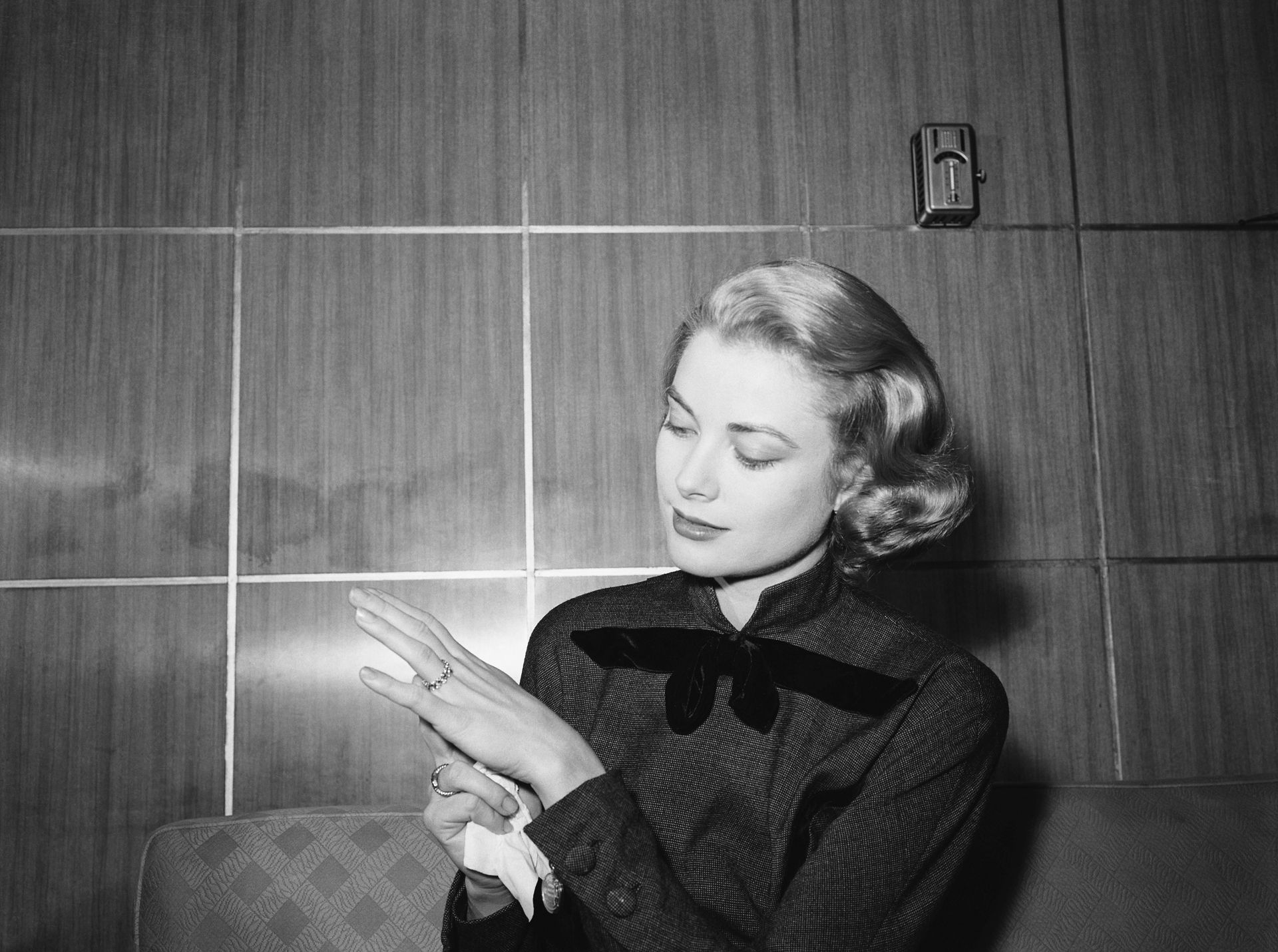
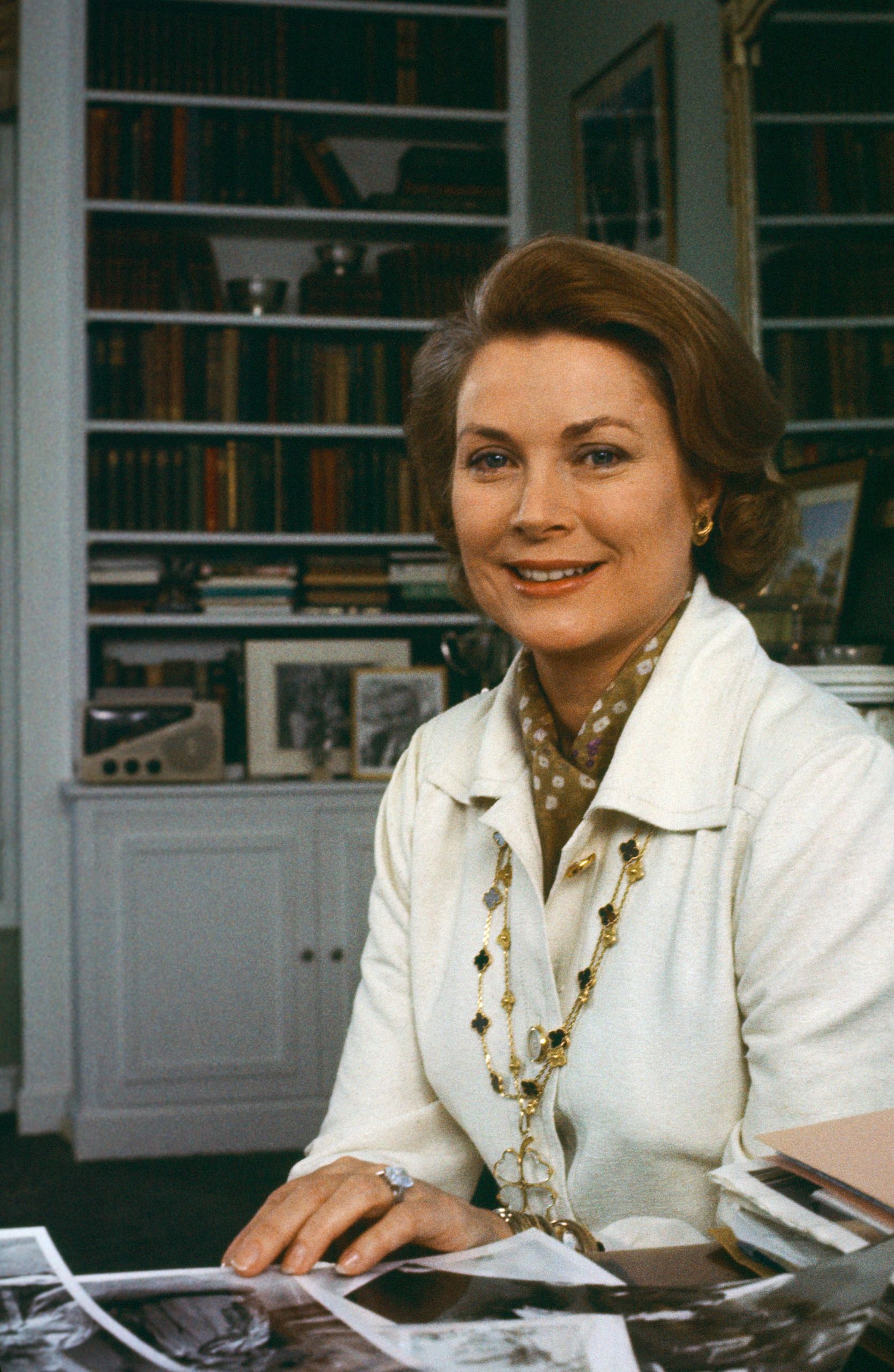
When Prince Rainier III of Monaco proposed to the Hollywood star in 1956, he gave her a relatively restrained eternity band featuring rubies and diamonds to represent Monaco’s flag. It was quickly upgraded to her famous 10.48-carat ring, the style she famously wore in her last movie, High Society.
“Emerald cuts are especially appealing because their appeal comes from the proportions of the cut and high-quality stones themselves, not the amount of sparkle they have,” Daughters says of the ring. “This is exactly the type of design that ages well because it does not depend on trends that are going to fade away soon.”
But even though her second engagement ring was enormous to say the least, Daughters says the Cartier design still managed to feel effortless.
“Grace had an understanding that good jewelry should enhance the wearer and not dominate,” he shares. “She could wear a significant piece without allowing it to become the entire focus of an outfit, which is a difficult balance to achieve and one that still feels incredibly sophisticated today.”
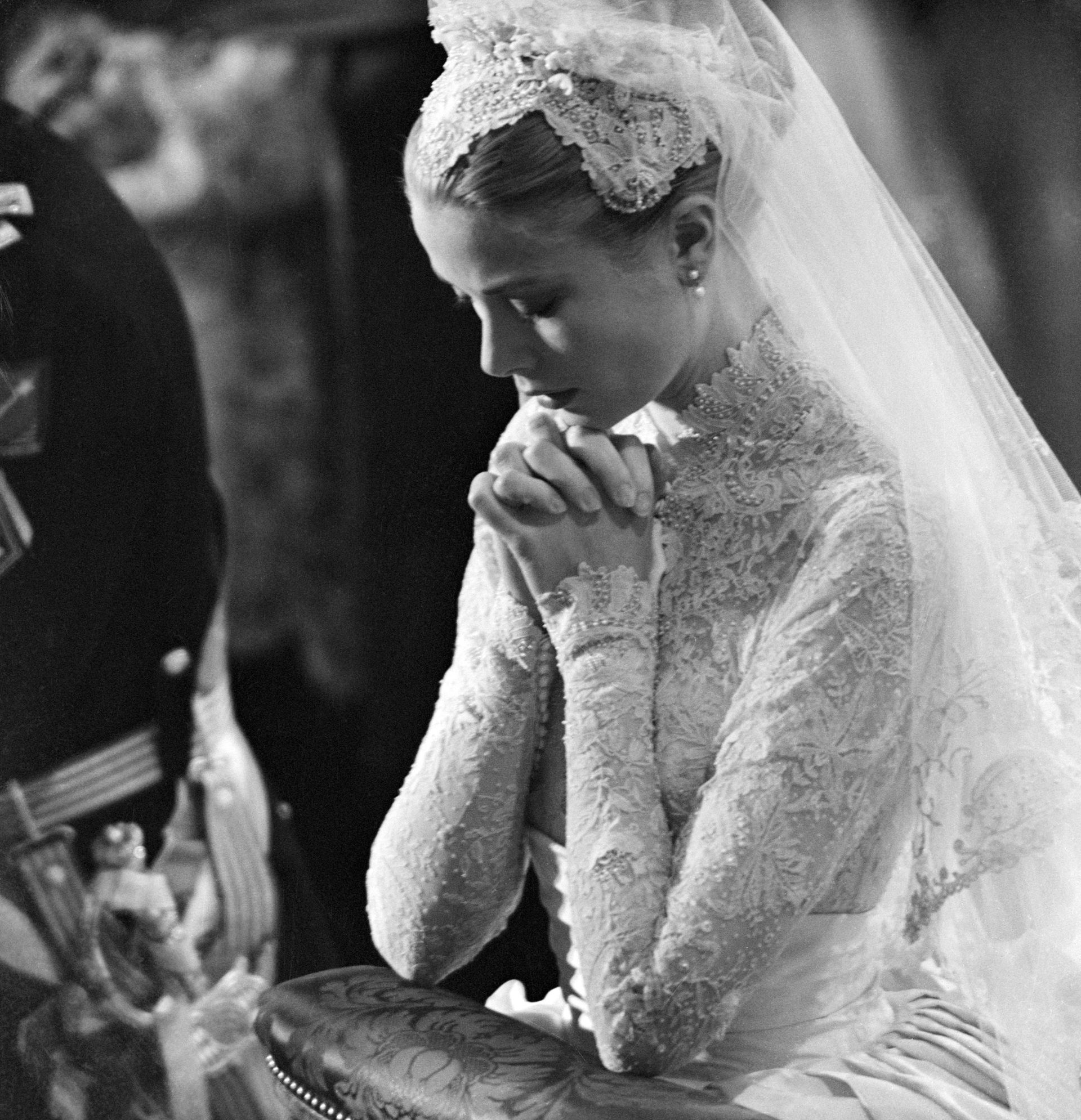
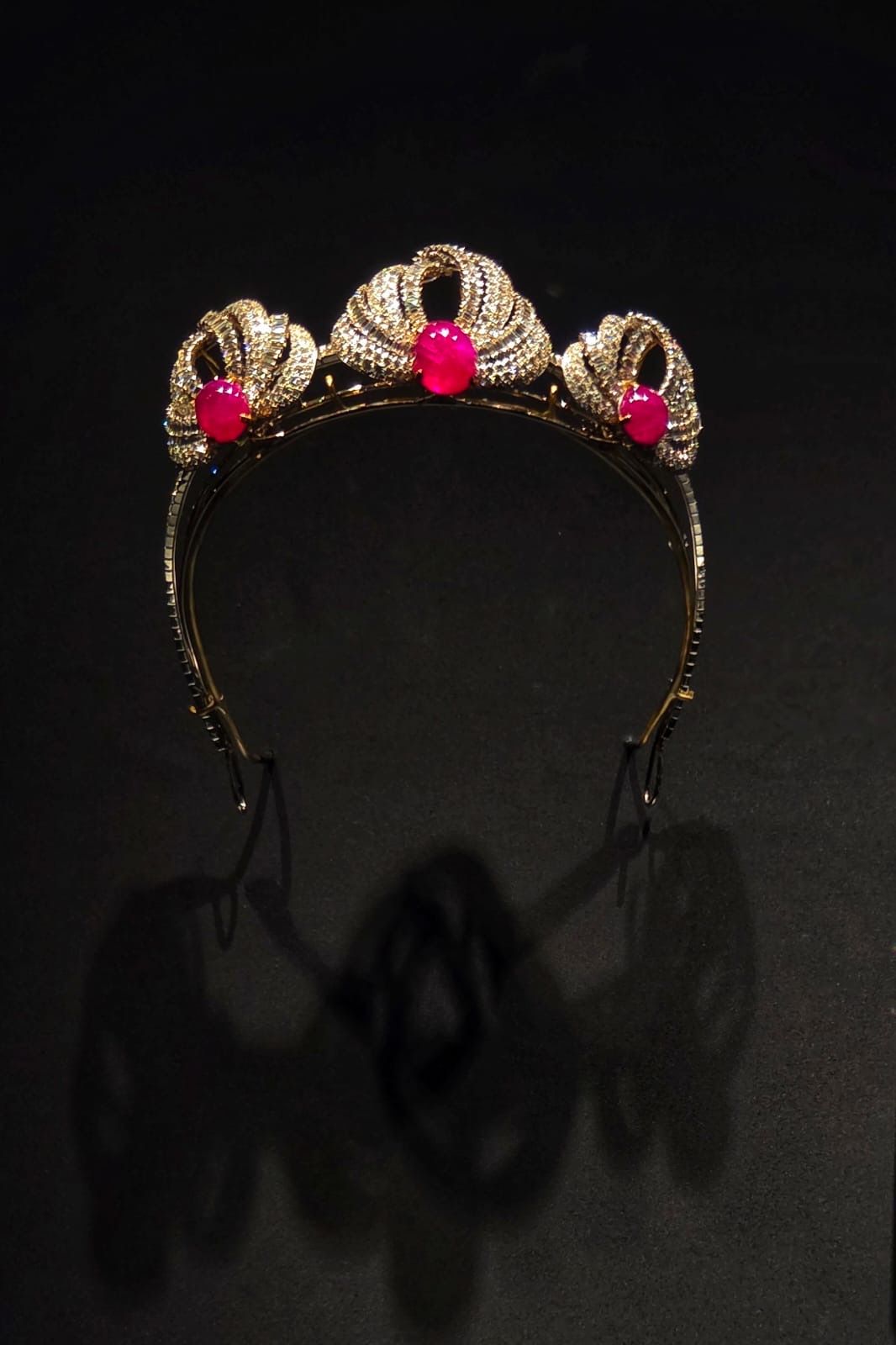
Princess Grace didn’t wear a tiara for her wedding day, instead opting to wear an intricate lace Juliet cap with her veil. But she did wear several tiaras over the years, including one that she received as a wedding gift: the Bains de Mer Tiara.
"The Cartier piece was designed with diamonds and ruby cabochon floral motifs, with elements that could be detached and worn afterwards as individual brooches,” Daughters says of the design, which, like her first engagement ring, represented Monaco’s national colors.
“That kind of thoughtful, versatile design is exactly what antique jewelry specialists and collectors continue to value,” Daughters says. “It demonstrates that even an important ceremonial piece can be designed with longevity and wearability in mind.”
Because of the timeless aspect of most of her pieces, Princess Grace’s jewelry has continued to stand the test of time. “What connects Grace Kelly’s jewelry and, I believe, makes her jewelry collection resonate so much with people even today, is that everything she wears seems to be carefully selected rather than simply accumulated,” Daughters says.
Read on the original site
Open the publisher's page for the full experience