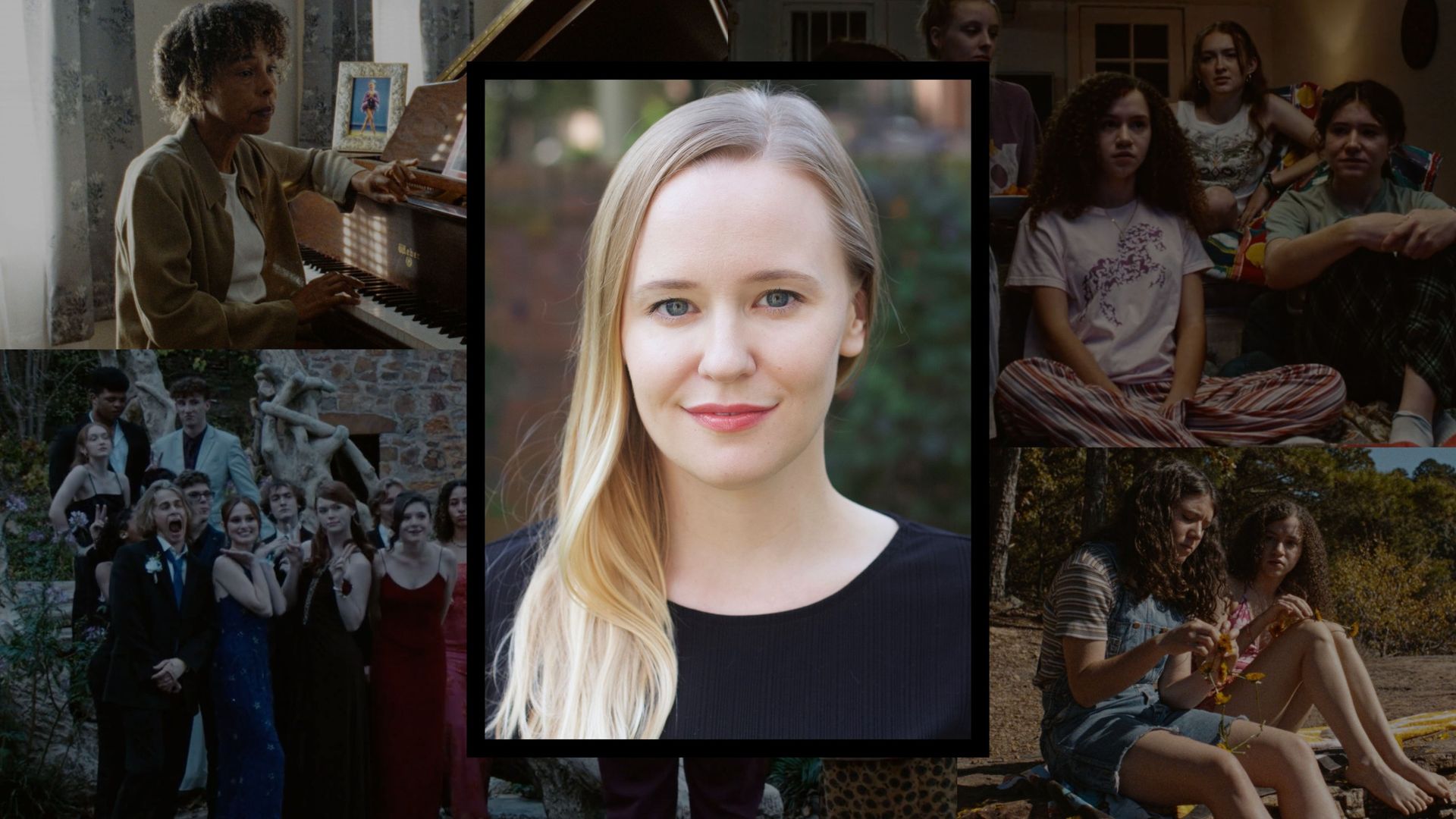
Grief has a quiet way of rewriting our timelines, and Kelly O'Sullivan's essay about losing her mother while shooting *Mouse* reminds us that the most profound art often emerges from the collision of life and loss. Our take is this: there is something deeply moving about the way O'Sullivan allows her mother, Eileen, to exist not as a memorialized figure but as a living, breathing presence in her work, messy, sharp-tongued, and utterly real. This is not a story about tragedy as inspiration; it is a story about the strange, almost unbearable synchronicity that can occur when a filmmaker's personal grief mirrors the narrative she is already telling. In an era where so much content feels performative, O'Sullivan's willingness to sit in the uncertainty of "I don't know" when asked about grief feels like a quiet act of honesty. It echoes the The quiet persistence of grief regardless of age or time we explored recently, that grief does not resolve neatly, but it does find ways to coexist with the life that continues around it.
What strikes us most is the sheer improbability of the timing. O'Sullivan spent five years trying to get *Mouse* made, facing one setback after another, only to land in her childhood home in North Little Rock, Arkansas, just weeks before her mother's sudden death. She got to see Eileen daily for two months. Her mother spent her final hours with her grandson. And then, two days later, O'Sullivan returned to set with her father and brother, channeling their collective sorrow into a story about mothers and daughters that had been written years before. There is no tidy moral here, O'Sullivan herself resists the idea of "the universe's plan", but there is a powerful lesson in how creative work can become a container for what we cannot otherwise hold. The film's dedication, "For Eileen O'Sullivan," is not a footnote; it is the emotional architecture of the entire project. This is the kind of filmmaking that reminds us why we care about independent cinema in the first place: it allows for the kind of intimacy that blockbusters cannot touch, much like the Natural-Fiber Bloomers From Independent Brands Worth the Search we've written about, where the value lies not in scale but in the integrity of the making.
For our readers, there is a specific takeaway here about the relationship between grief and creative output. O'Sullivan's essay suggests that the most resonant art does not come from having answers but from being willing to sit inside the question, and to let the people we love live on through the details we choose to preserve. She writes that every idea she has for a new film begins and ends with her mother, and that is not a limitation; it is a compass. The consequence for us, as viewers, is a reminder to pay attention to the quiet, unglamorous moments in storytelling, the sharp wit, the embarrassing honesty, the love that is ferocious precisely because it is imperfect. *Mouse* is now in theaters, and we are watching to see how audiences respond to a film that carries its director's grief so openly. The question it leaves us with is not whether art can heal, but whether it needs to. Sometimes, it is enough that it simply holds space.